





 Português
  Inglês
  Espanhol
  4 min de leitura
  0 comentários


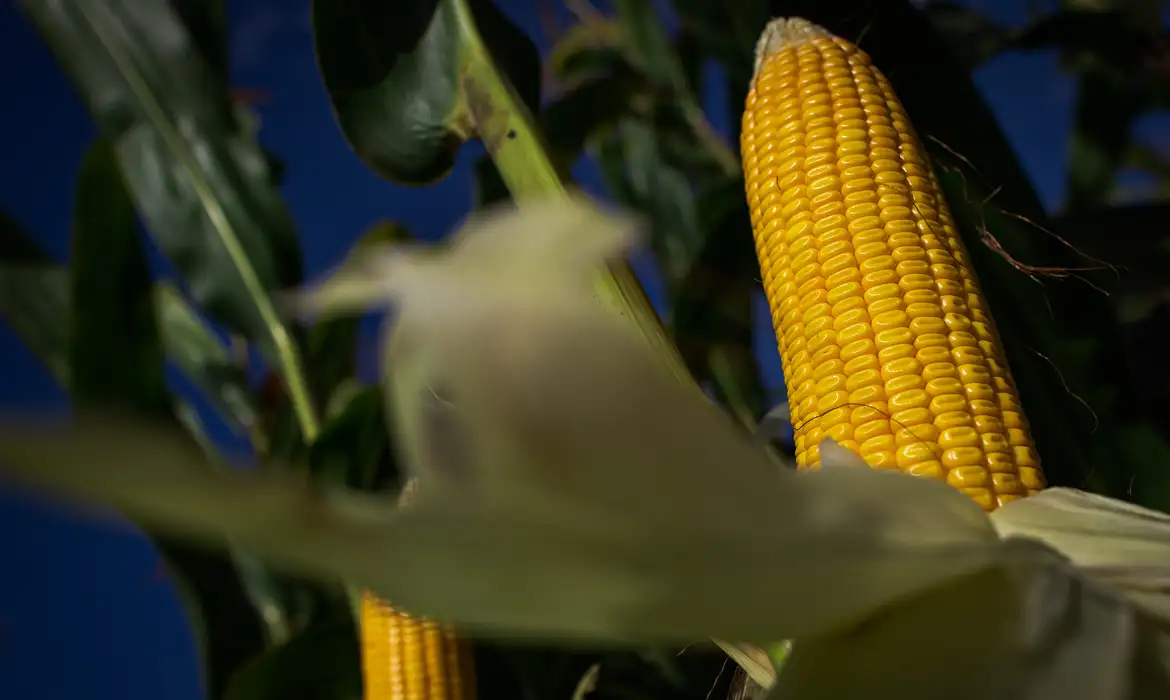
A New Study Raised An Alert For Agriculture: The Frequent Use Of Insecticides May Be Favoring The Emergence And Strengthening Of Certain Weeds In Corn And Soybean Plantations. The Discovery Concerns Producers And Agricultural Management Specialists.
A new study raises an alert for rural producers who use insecticides preventively. The research, conducted by experts from Penn State, reveals that this use may unexpectedly increase the presence of weeds in corn and soybean plantations.
The result contradicts the common idea that more insecticides always mean cleaner and more productive fields.
Study Compared Three Management Methods
The researchers analyzed different pest control strategies in agricultural plantations at the Penn State Russell E. Larson Agricultural Research Center. In total, three treatment plans were evaluated:
-
What can really trigger large volcanic eruptions? Research suggests that gas returning to the magma may be more dangerous than gas escaping from it.

-
Found in one of the most radioactive places on Earth, this Chernobyl fungus may be doing something with radiation that no one has been able to explain to this day.

-
A bright yellow mushroom imported from Asia escaped from a cultivation farm in the United States in 2010 and is now aggressively spreading across 25 states, destroying entire communities of native fungi in American forests.

-
Buried under China, a colossal machine weighing 20,000 tons began operating as the largest neutrino detector on the planet and, in just 59 days, surpassed results that science took half a century to achieve.


- Preventive application of insecticides at planting;
- Integrated Pest Management (IPM), with insecticides applied only when pests were at concerning levels;
- No use of insecticides.
Additionally, each treatment was tested with and without cover crops — plants used to protect the soil after the main harvest.
The study lasted three years. During this time, the team observed the biomass of cover crops, the behavior of predator insects, the predation of weed seeds, the number of weeds present, and the productivity of the crops.
Increase of Glyphosate-Resistant Weeds in Treated Fields
One of the main findings was the increase of weeds — especially common lambsquarters — in fields that received preventive insecticides and did not have cover crops.
In contrast, in fields with cover crops, this increase did not occur, even when insecticides were used.
According to Professor John Tooker from the College of Agricultural Sciences at Penn State, the most likely explanation is that insecticides affected beneficial insects, such as beetles, ants, and crickets, which normally help control weeds by consuming their seeds.
With these insects absent or in smaller numbers, the weeds had more space to grow.
“Using insecticides at planting does not seem to be the best approach in Pennsylvania“, said Tooker. “Insect pests early in the season tend to be rare. Therefore, applying the product all the time may not be necessary — and may bring side effects.”
Cover Crops Make A Difference
The use of cover crops proved effective in reducing weed growth, even in scenarios with preventive insecticide application. This indicates that simple management practices, such as keeping the soil covered between crops, can help balance the field ecosystem.
Elizabeth Rowen, a professor at the University of California, Riverside, and the principal author of the study, highlighted the importance of this diversity of strategies. According to her, many weeds are becoming resistant to glyphosate, one of the most widely used herbicides in the world.
“The seeds of many crops were bred to resist glyphosate, allowing its use to eliminate weeds“, explained Rowen. “But this also contributes to the emergence of resistant weeds, making control more difficult.”
In this scenario, the role of predator insects becomes even more important. They assist in the natural control of weeds by consuming their seeds. However, the constant use of insecticides may reduce the population of these invisible allies.
Integrated Management May Be More Efficient
The data collected reinforces the efficiency of IPM – Integrated Pest Management. Rather than applying chemicals as a precaution, IPM suggests that producers assess the actual presence of pests before deciding on application. This strategy can reduce negative impacts and save resources.
John Tooker believes that this change in mindset can bring direct benefits to farmers, especially on large properties.
“Many farmers manage proactively because the fields are huge and they do not want to go back later“, said Tooker. “But our research shows that monitoring the fields and applying products at the right time can prevent unnecessary use of insecticides and fungicides.“
Growing Resistance Concerns Experts
Another point of concern mentioned by Elizabeth Rowen is the growing resistance of weeds to herbicides. This makes the use of combined solutions — such as IPM, cover crops, and preservation of beneficial insects — increasingly important.
She emphasized that, in many cases, insects are not just villains. They also act as allies to the farmer when they are not eliminated by excessively applied chemicals.
The findings were published in the scientific journal PeerJ and are expected to help producers and agronomists reassess their management practices. In a scenario where resistant weeds become an increasingly significant problem, finding sustainable strategies will be essential to maintaining productivity and soil health.








Seja o primeiro a reagir!