





 Portuguese
  English
  Spanish
  3 min of reading
  0 comments


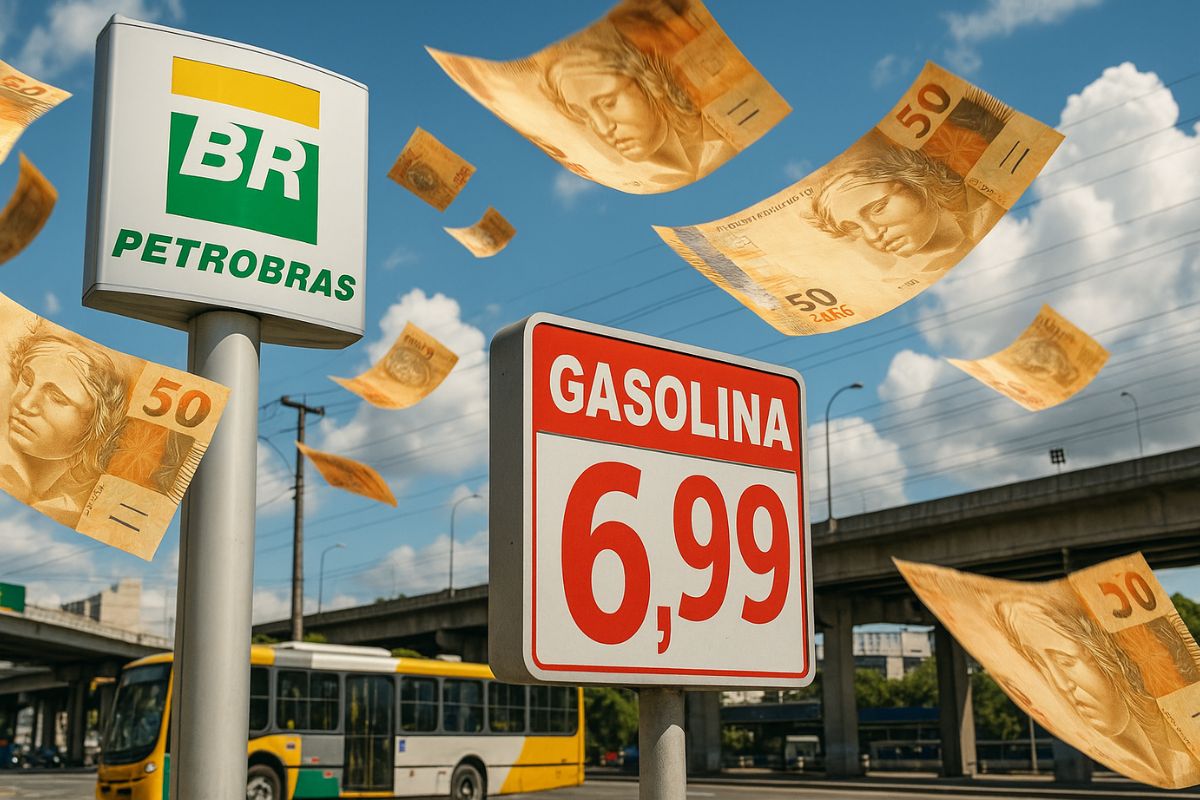
Change Announced in 2023 Aimed to “Brazilianize” Fuels, But Gasoline Is Already Sold at a Premium Above the International Rate and Rekindles the Debate on Costs for Consumers and Businesses.
The Petrobras policy, announced in May 2023, aimed to provide greater predictability and lower prices for fuels in Brazil. The proposal was to distance itself from international import parity and adopt a formula that considered production and logistics costs in the country, creating the idea of “Brazilianized” prices.
According to the Brazilian newspaper, in the first months, the measure fulfilled its promise. Gasoline dropped by 17.5% and diesel by 27.2% shortly after the change, also boosted by the fall in oil prices in the external market. The relief was immediate for drivers and transportation costs, reinforcing expectations of stability for consumers and businesses.
When the Scenario Started to Change
The positive outlook began to reverse in mid-2024, when oil prices started to fluctuate again and the state-owned company kept longer periods without adjustments.
-
Former president of IBP highlights that dependence on diesel imports pressures prices in Brazil, increases vulnerability to global crises, and underscores the need for more robust and sustainable energy policies.
-
Middle East War Drives Up Oil Prices, And Petrobras Increases Diesel: Fuel Reaches R$ 3.65 Per Liter At Distributors
-
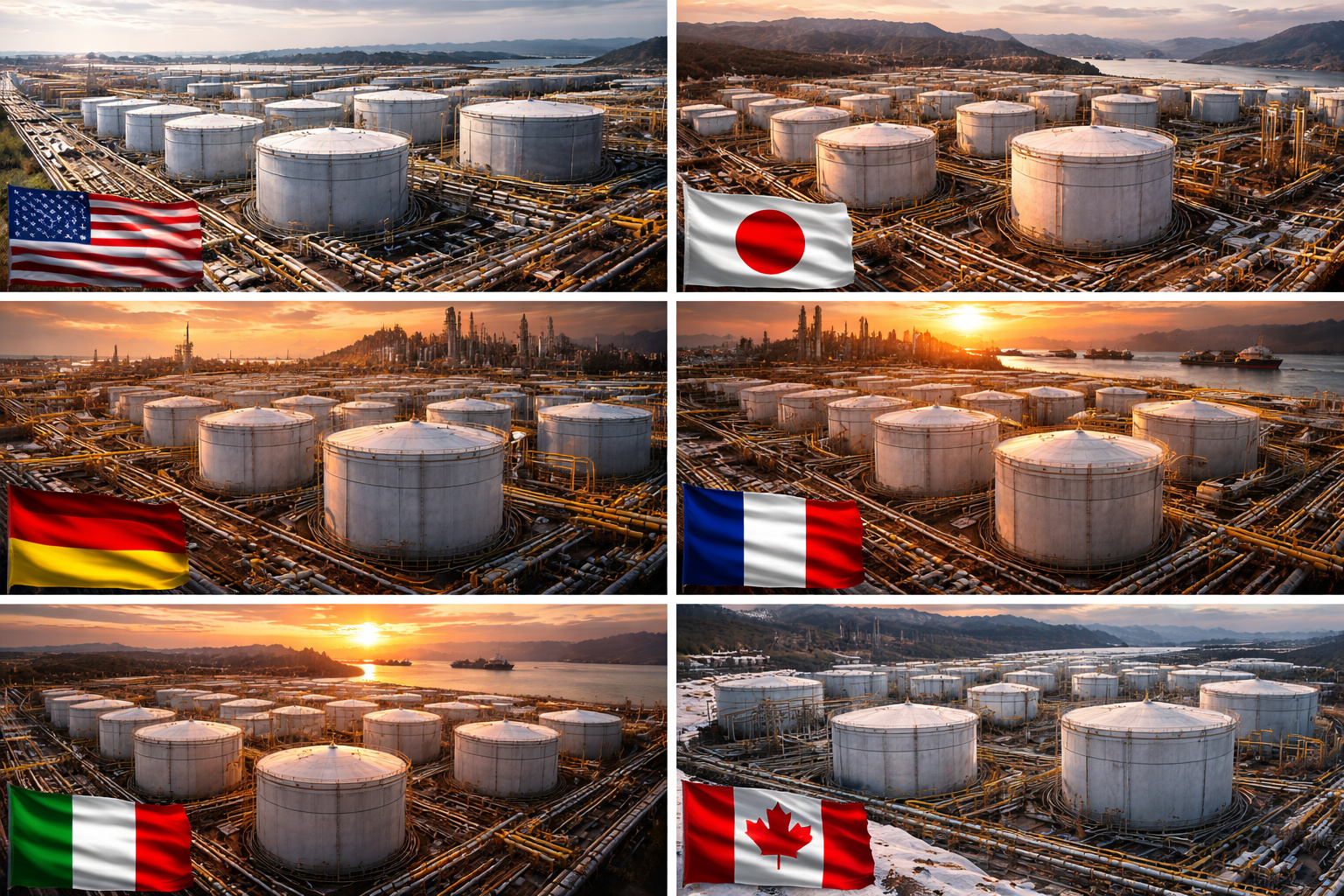
Oil Soars to Nearly $120, Middle East Tensions Shake Global Market, and a Little-Known Detail Returns to Energy Debate: The Gigantic Strategic Reserves Hidden by G7 Countries — See How Many Millions of Barrels Each Nation Holds in Reserve to Face a Global Crisis
-
Gasoline And Diesel May Change Course In Brazil: International Oil Pressure Renews Debate On Prices And Direct Impact On Drivers’ Wallets
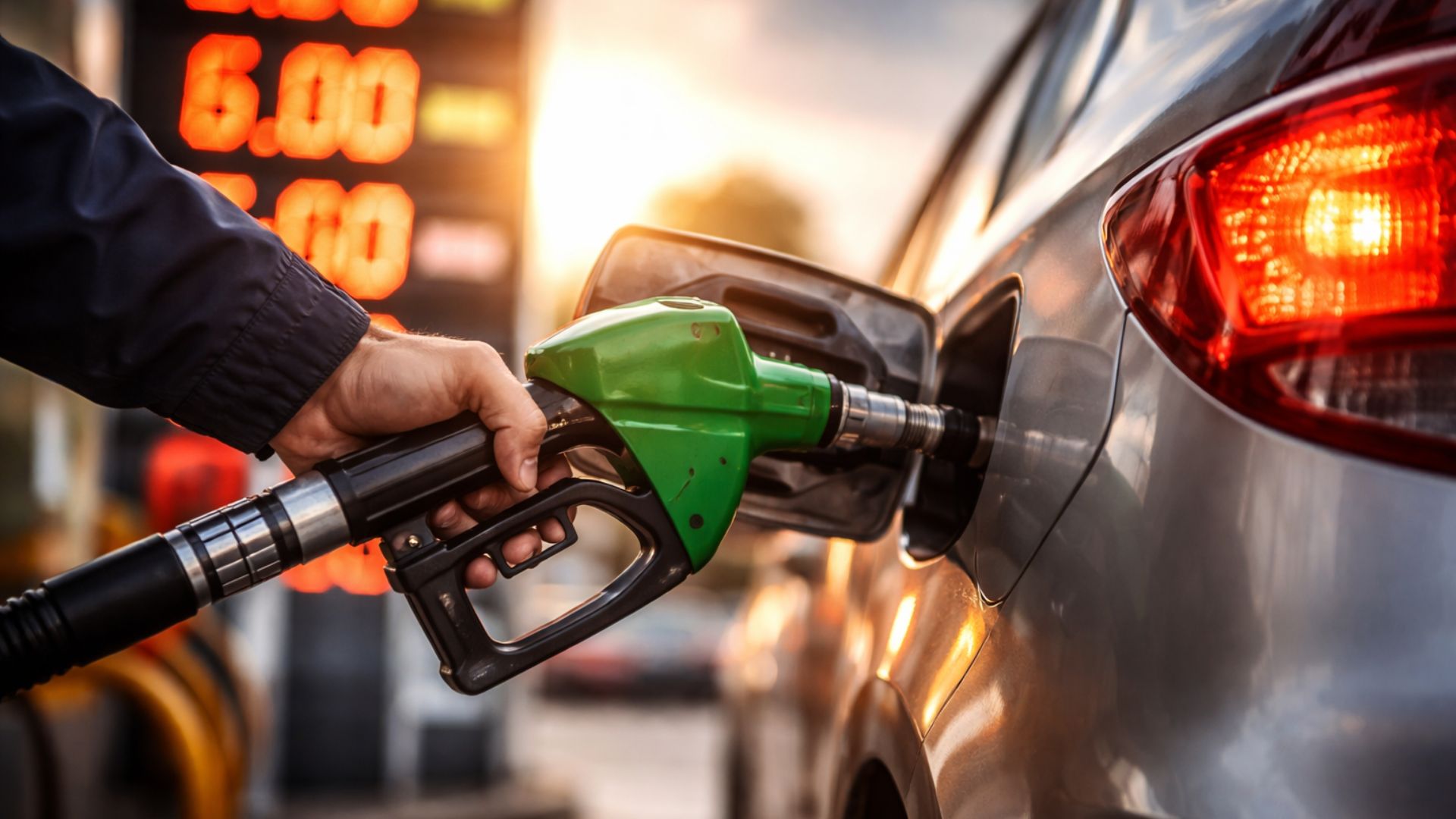

Since June 2025, gasoline has been systematically sold above international parity, which reopened space for private imports.
At the market opening this Friday, for example, Petrobras gasoline was sold at R$ 0.28 per liter above the international reference.
At the Port of Santos, the largest in the country, the average premium recorded was R$ 0.20 per liter in the previous week, according to ANP data.
The Contrast Between Gasoline and Diesel
While gasoline accumulates premiums, diesel follows an opposite trajectory. The fuel remains below the import parity by about R$ 0.16 per liter, a strategy that keeps private companies out of this market and avoids stronger pass-throughs to freight transportation.
This duality reinforces that Petrobras has used different margins to balance political and economic pressures, even though it creates distortions in the sector.
At the pumps, consumers feel slight variations. The average price of gasoline rose by only R$ 0.01 per liter in recent weeks, while diesel increased by R$ 0.02.
These adjustments, however, reflect more the increase in the mandatory blend of biofuels than the state-owned company’s pricing policy.
Economic Impacts and Future Risks
Experts warn that the current scenario may generate lasting effects. The higher gasoline prices than abroad reduce the competitiveness of the economy, raise urban transportation costs, and put pressure on inflation.
Moreover, the disparity in relation to diesel may unbalance the market and stimulate opportunistic import practices.
Petrobras argues that international volatility requires caution and that its commercial policy should prioritize long-term stability.
Yet, the current difference from import parity raises doubts about how far the model adopted in 2023 will be able to fulfill its original promise of relieving the financial burden on Brazilians.
The Petrobras policy, which originated with the promise of lower prices, now generates discussions about whether the model truly protects consumers or merely shifts the pressure to crisis moments.
And you, what do you think? Should Petrobras keep prices stable even above international parity or align immediately to relieve gasoline costs?
Leave your opinion in the comments; we want to hear from those who feel this impact daily.








Seja o primeiro a reagir!