





 Portuguese
  English
  Spanish
  3 min of reading
  5 comments


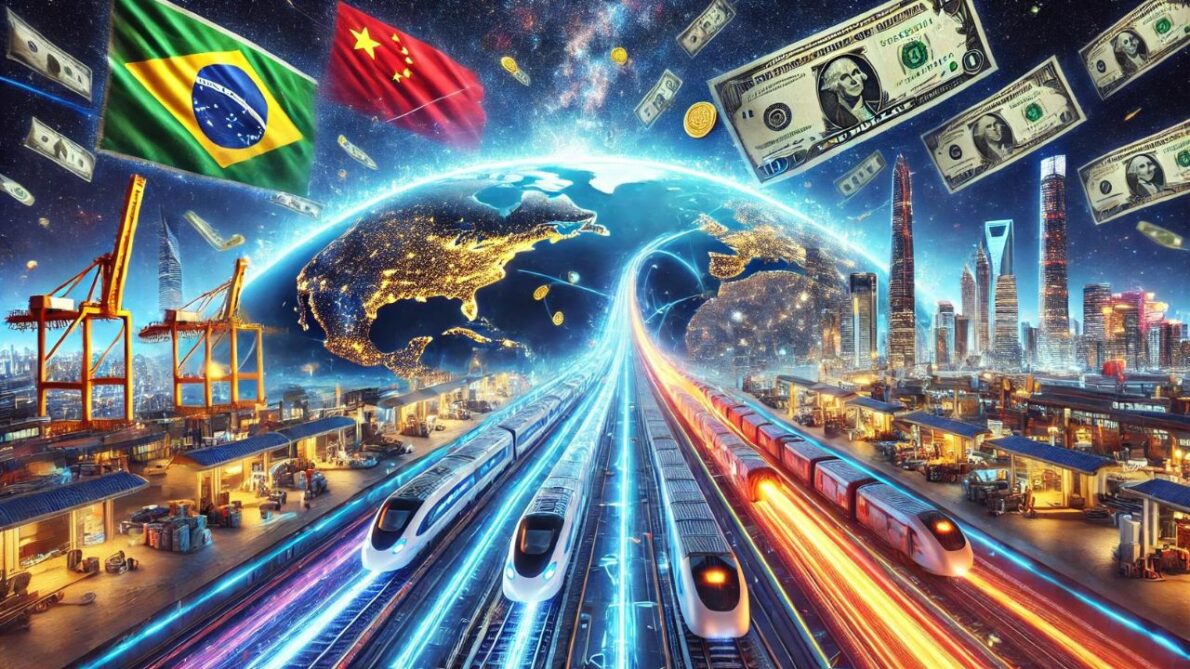

New Silk Road: Should Brazil Join China’s Mega Project?
The Chinese mega project, known as the New Silk Road, has already gained the support of over 150 countries around the world. Now, the question arises: will Brazil embark on this trillion-dollar journey? As the debate intensifies in the diplomatic arena, experts are divided on the potential benefits and risks of entering this complex geopolitical and economic web.
Brazil and the New Silk Road: An Opportunity?
More than a decade ago, China introduced the world to its mega project, also known as the New Silk Road. This gigantic infrastructure investment plan aims to connect the Asian country with various nations, promoting the development of roads, railways, ports, and other strategic sectors. Since 2013, the project has mobilized trillions of dollars, primarily in regions of Africa, South America, and the Middle East.
The idea is that, by 2049, the centennial of the People’s Republic of China, the Chinese mega project will be fully implemented. But this colossal ambition also raises questions: what means will be used to transform diplomatic relations between China and the world?
-
A megaproject worth R$ 89 billion is advancing in Iraq and promises to change the game in global trade by creating a new corridor between Asia and Europe, reducing traditional routes and repositioning the country as a logistics powerhouse.
-
Goodbye bedside table: floating shelves become a trend in 2026 by freeing up space in the bedroom, improving circulation, bringing visual lightness, and integrating technology without taking up floor space.

-
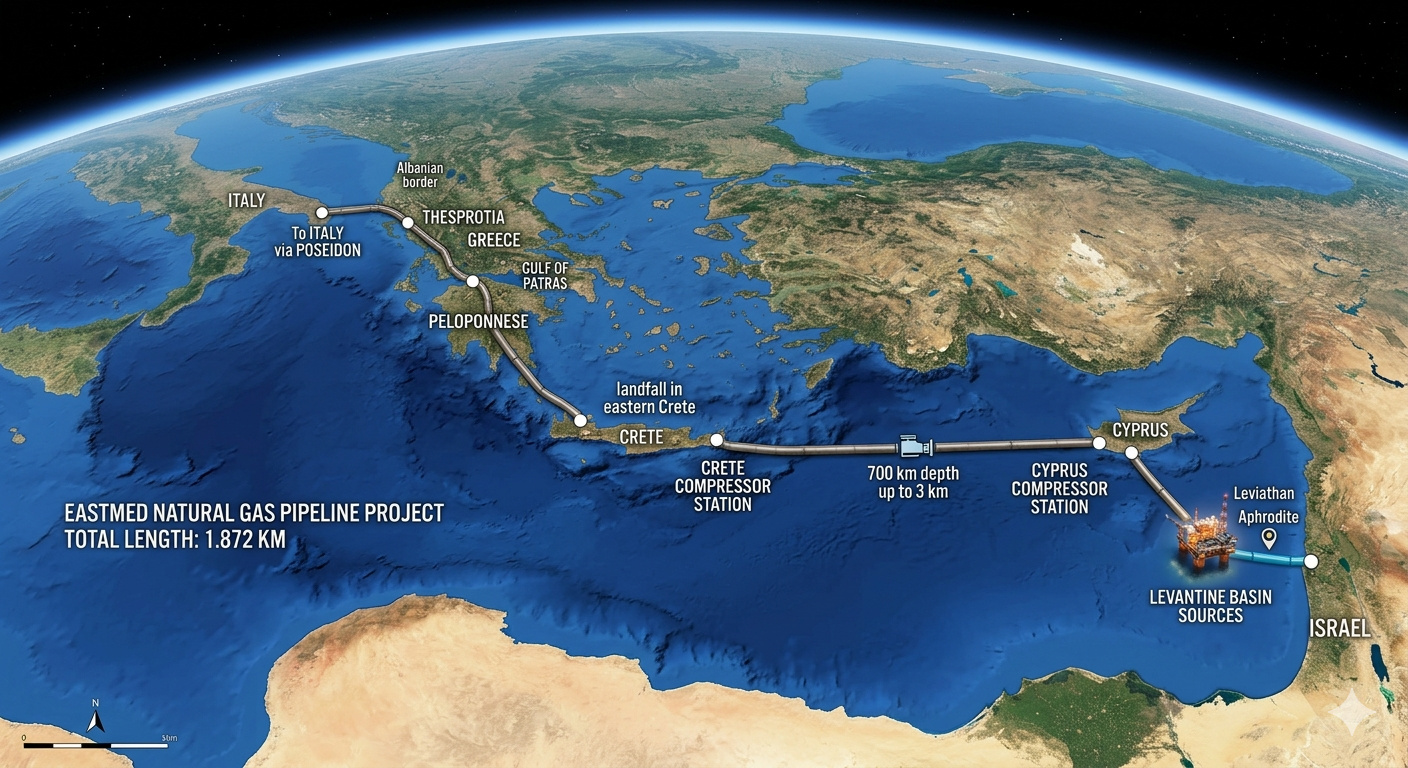
Israel, Greece, and Cyprus signed an agreement in 2020 to transport gas from the Mediterranean to Europe via a 1,872 km pipeline, but Turkey claimed sovereignty over part of the maritime route, and the project never materialized.
-
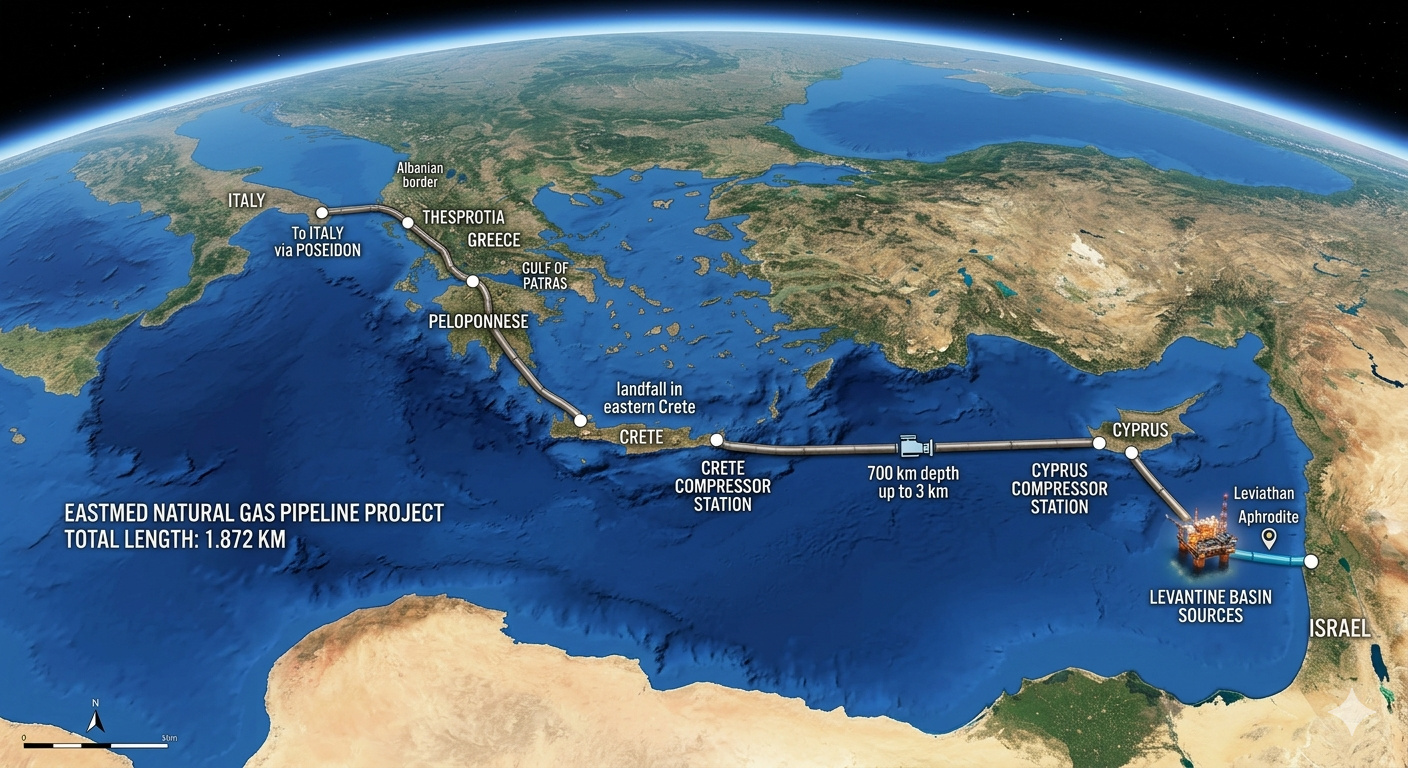
Israel, Greece, and Cyprus signed an agreement in 2020 to transport gas from the Mediterranean to Europe via a 1,872 km pipeline, but Turkey claimed sovereignty over part of the maritime route, and the project never materialized.

Brazil in the New Silk Road
Now, Brazil is in the spotlight. The Chinese government wants Brazil to join the New Silk Road, a step that could further strengthen relations between the two countries, which will celebrate 50 years of diplomatic ties in 2024. The topic is expected to be one of the hot discussions at the G20 meeting, which will take place in Rio de Janeiro in November and will be attended by Xi Jinping, President of China.
But opinions in Brazil are divided. On one side, there are those who see joining the Chinese mega project as a unique opportunity to attract investments in strategic sectors such as infrastructure and energy. On the other, critics warn about the risk of indebtedness, mentioning that many countries that have joined the project face difficulties in honoring their debts to the Chinese government.
Benefits and Risks: What’s at Stake?
The New Silk Road promises to inject up to US$ 7 trillion into the global economy by 2040. For Brazil, which faces economic challenges in various sectors, this could be an opportunity to revitalize its infrastructure and strengthen its exports. China is already Brazil’s main trading partner, responsible for moving billions in goods every year.
On the other hand, some see the Chinese mega project as a risky geopolitical strategy. By financing large projects in developing countries, China could be creating a financial dependency that may turn into a “debt trap.” This raises an important question: what are the terms of these loans, and how can Brazil protect itself from potential economic problems in the future?
The Decision Brazil Needs to Make: Whether to Join the Chinese Mega Project or Not
Brazil’s participation in the Chinese mega project is not a simple decision. On one hand, the country could benefit from an injection of capital that would help overcome historical infrastructure bottlenecks. On the other hand, it is essential to ensure that the terms of this agreement are advantageous for Brazil in the long term.
While Brazilian diplomacy weighs the pros and cons, the fact is that the New Silk Road has already transformed the global economy. Whether Brazil will join this route is still open, but the debate is already underway, and the decision made in the coming months could have profound impacts on the country’s future.
Brazil’s participation in the Chinese mega project will be an opportunity to boost our development or a risk of becoming dependent on Chinese geopolitical ambitions? What do you think: is it worth embarking on this New Silk Road?










Deus nos livre desses **** chineses, não cuidam do seu quintal e querem destruir o quintal dos outros?
O governo chinês precisa criar **** e acabar com a imensa miséria do seu país e ficar para sempre no seu inferno, deixando o mundo viver suas vidas.
O Brasil 🇧🇷 tem que aceitar esse pequeno projeto do IMPÉRIO da China pois o valor 7.trilhões e ridículo pois o ideal seria algogo em torno de 980.trilhoes.ok..mais fica a diga para o Brasil oportunidade tem que ser aceita..esse pequeno projeto.e interessante.ok.e mais de um valor patético para a realidade ok.
Muito tem se falado do risco de endividamento como armadilha, mas a própria China já perdoou inúmeras vezes as dívidas contraídas com a mesma. Não quero colocar a China como santa e como que ela está agindo apenas por boa vontade, mas vejo que muitas dessas teses são fruto de mau caratismo. Tem-se que considerar com seriedade a proposta chinesa e se for vantajoso para o Brasil, aceitar.