





 English
  Francês
  Alemão
  Italiano
  Japonês
  Norueguês
  Portuguese
  Spanish
 5 min of reading
  0 comments


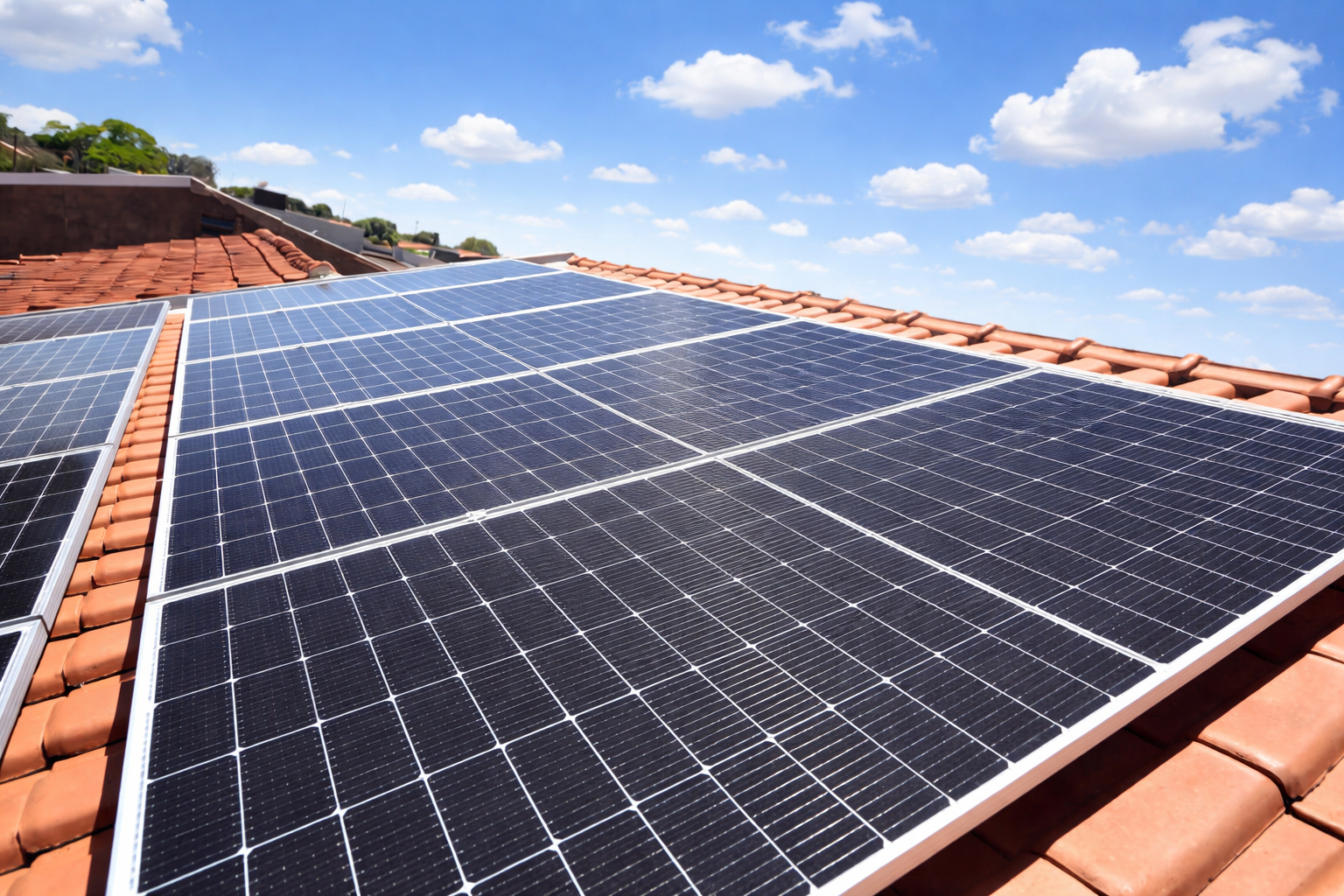
Understand How The New Proposal On The Energy Tariff In MS Seeks To Correct Distortions In The Electric System, Redistribute Costs And Make The Electric Bill Fairer For All Consumers.
Currently, the discussion about the energy tariff in MS has gained new contours, especially because the rapid advancement of distributed generation from solar energy has profoundly changed the dynamics of the electric sector. In this sense, what previously functioned merely as an incentive for sustainability has gradually led to broader debates about economic balance, tariff fairness and, mainly, the direct impact on consumers’ electric bills who cannot invest in their own generation systems. Thus, consumer councils have started to take proposals to the National Electric Energy Agency (ANEEL) that could structurally change the way energy is charged in Mato Grosso do Sul.
Furthermore, it is important to highlight that the growth of solar energy occurred in an extremely accelerated manner. This happened because, over the last few years, there has been a significant reduction in equipment prices and, at the same time, a greater supply of specific lines of credit. As a consequence, the number of consumers with their own generation has grown above the initially expected pace, increasingly pressuring the current tariff model.
Historically, the Brazilian electric sector has always been guided by the principle of tariff modesty, which seeks to ensure electric power at the lowest possible cost without compromising the sustainability of the system. However, over the decades, this balance has required constant adjustments, especially as new technologies have emerged, such as hydroelectric plants, thermal power plants, wind power sources, and more recently, solar energy. Thus, although each innovation has brought relevant benefits, it has also generated important regulatory challenges.
-
Roraima bets on the sun to escape high tariffs: Amid the energy crisis and price hikes, solar energy is growing in Roraima and transforming consumption in the North region.
-
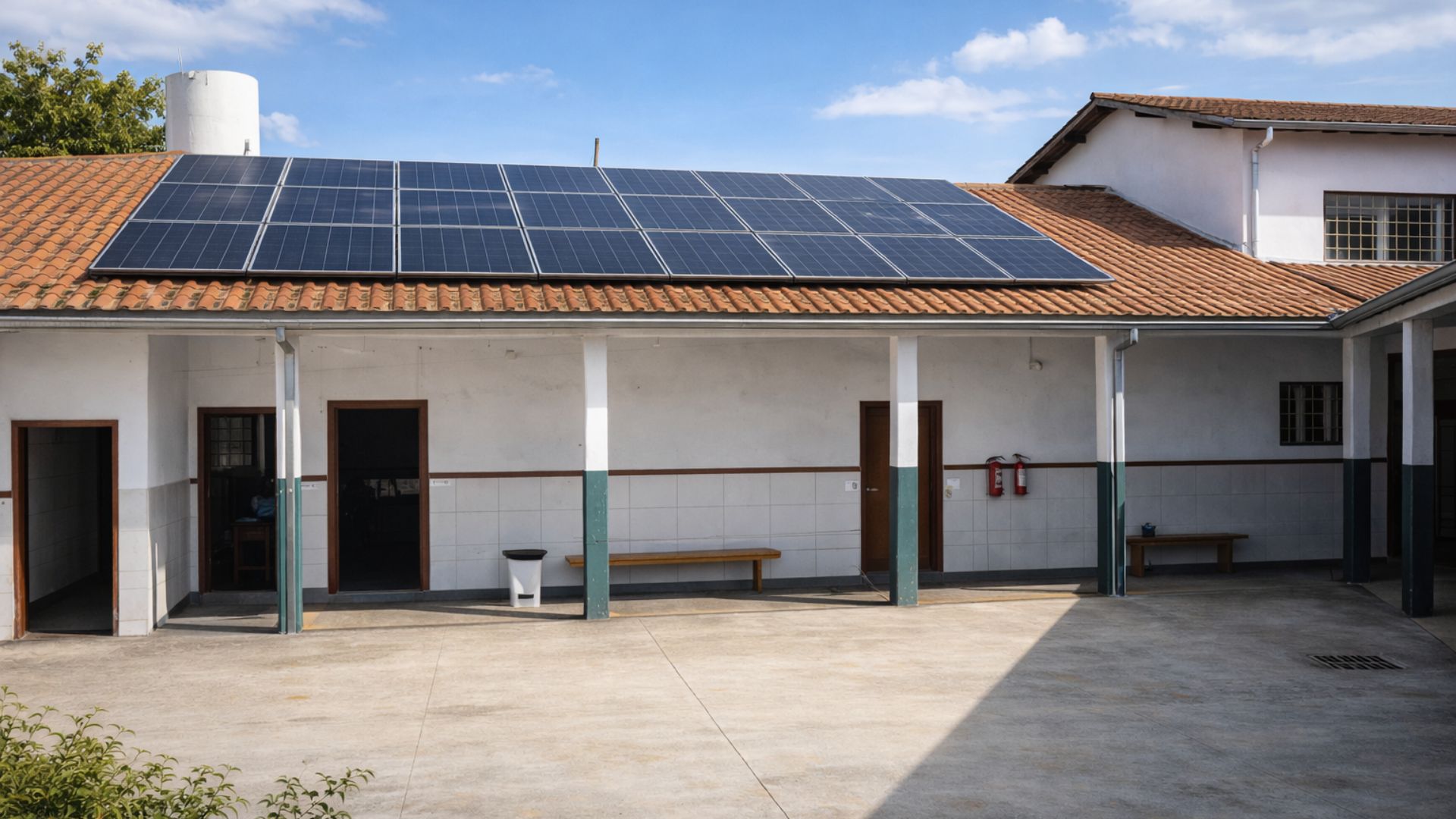
Copel boosts solar energy in Paraná and brings innovation to public schools, promoting savings on electricity bills, energy efficiency, and a direct impact on the quality of education.
-
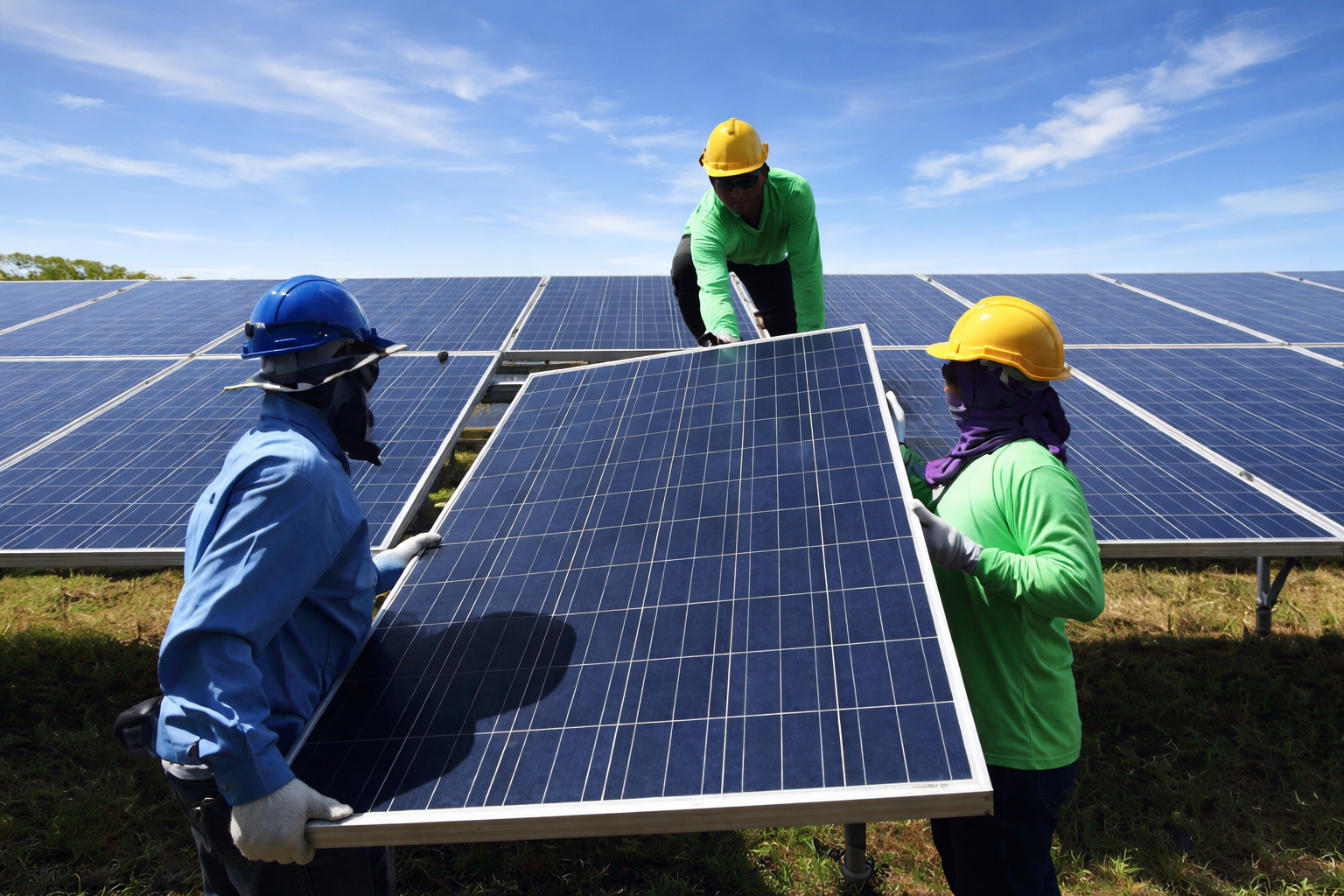
Brazil reaches historic milestone in solar energy: Sector surpasses 2 million accumulated green jobs and generates billions in the national economy even under market pressure.
-
Minas Gerais takes the lead in renewable energy: State surpasses historic mark of 14 GW in solar energy generation in MG and consolidates dominance in the Brazilian electric sector.
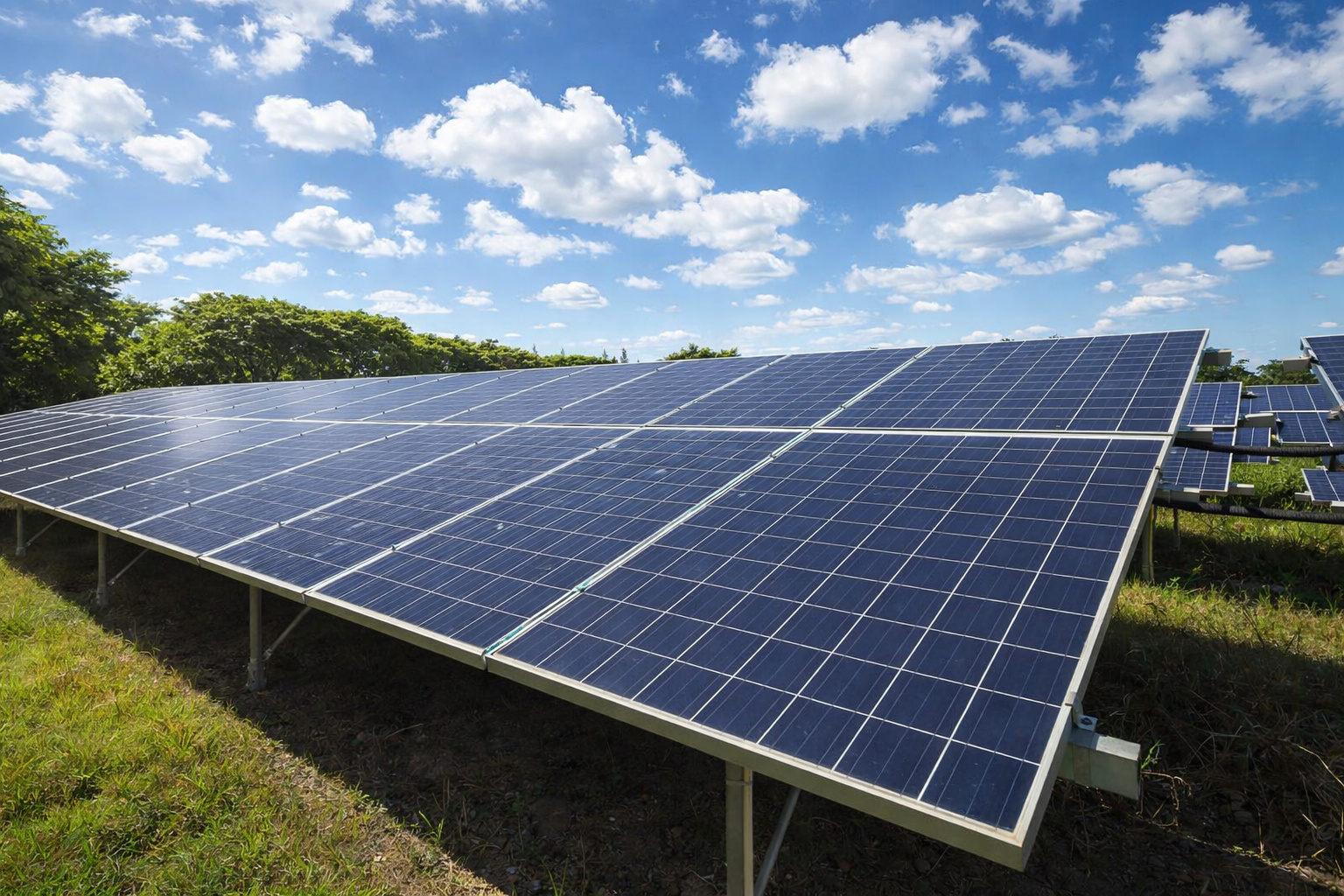
Growth of Solar Energy And The Impacts On The Electric System
In this scenario, the proposal for reviewing the tariff model emerges. In this context, consumer councils argue that those who generate solar energy but use the grid during peak hours should pay more during those periods. This is because, when the sun sets, especially in the late afternoon and early evening, solar generation drops rapidly, while demand for energy grows significantly. Thus, the system needs to trigger more expensive sources to ensure supply.
In Mato Grosso do Sul, this imbalance is already evident. During lunchtime, for example, solar production reaches high levels, while residential consumption tends to be lower. On the other hand, in the early evening, the use of electric showers, lighting, and appliances increases considerably. However, during this same period, solar generation practically disappears. Thus, even consumers who have solar panels become dependent on the grid, generating shared costs for everyone.
Moreover, it is essential to consider that the electric system needs to maintain all infrastructure available throughout the day. That is, transmission lines, transformers, and maintenance teams continue to operate regardless of the volume of solar energy generated. Therefore, the fixed costs of the system increasingly require a balanced distribution among all users.
In light of this, the proposal seeks to correct this distortion through instruments such as the White Tariff. This modality differentiates the value of energy according to the time of consumption, charging more during periods of high demand and reducing the cost during times of lower use. Thus, the tariff system sends clear signals about the impact of consumption at each moment of the day.
Tariff Fairness And The Social Effects Of The Energy Tariff In MS
Looking back, it is clear that Brazil has faced similar situations. During water crises, for example, the country created tariff flags to reflect the real cost of generation during certain periods. At that time, the goal was to stimulate conscious consumption and distribute costs more transparently. Now, this same reasoning is beginning to be applied to distributed generation.
In the current debate about the energy tariff in MS, social inequality occupies a central role. This is because most solar systems belong to middle and high-income consumers, while low-income families remain completely dependent on the conventional grid. Thus, when subsidies do not follow balanced criteria, there is an indirect transfer of costs, causing those with fewer resources to bear part of the benefits of those with more.
Given this context, the need for more balanced public policies becomes evident. After all, while it is essential to encourage clean energy, it is also crucial to avoid deepening social inequalities. Therefore, the discussion goes beyond technology and involves structural economic and social aspects.
Therefore, the proposal does not seek to penalize solar energy. On the contrary, it aims to reorganize the electric system. Photovoltaic energy continues to be a key component of the energy transition and the reduction of carbon emissions. However, its growth needs to go hand in hand with rules that ensure financial sustainability and tariff fairness.
White Tariff As An Instrument For Rebalancing Consumption
In addition to the social impacts, the proposal also directly affects the state’s economy. Mato Grosso do Sul has been standing out due to the growth of the agribusiness, industry, and commerce, sectors that are highly dependent on electric energy. Thus, a more predictable and efficient tariff model helps strengthen the business environment and encourages the rational use of energy throughout the day.
At the same time, legislation already provides for important changes. Consumers who requested connection of solar systems before 2023 retain benefits until 2045. However, new generators have already started to pay for grid usage in a staggered manner. Still, experts warn that this model may not be sufficient to avoid imbalances in the long term, especially if distributed generation continues to grow.
In this scenario, the White Tariff presents itself as a transition tool. This is because it allows consumers to adapt their consumption habits, reduce usage during critical hours, and concentrate demand during off-peak periods, lowering the final cost of the electric bill.
Perspectives For The Future Of The Energy Tariff In MS
Finally, the main challenge involves clear communication of these changes. For the energy tariff in MS to evolve in a balanced manner, the population needs to understand how the system works, what costs it involves, and how regulatory decisions affect daily life. In this way, appropriate information favors more conscious choices and reduces resistance to changes.
Over time, the Brazilian electric sector has demonstrated capacity for adaptation. In this sense, the review of how solar energy is integrated into peak period tariffs follows this evolutionary path. Thus, it is a necessary adjustment to ensure that the benefits of the energy transition reach more people, without compromising the sustainability of the system or widening inequalities.
Therefore, the discussion about the new tariff does not represent a setback. On the contrary, it is part of the maturation of the energy market, contributing to a fairer, more efficient and balanced system that reinforces electric energy as an essential and accessible service in the long term.








Seja o primeiro a reagir!