





 Portuguese
  English
  Spanish
  6 min of reading
  0 comments


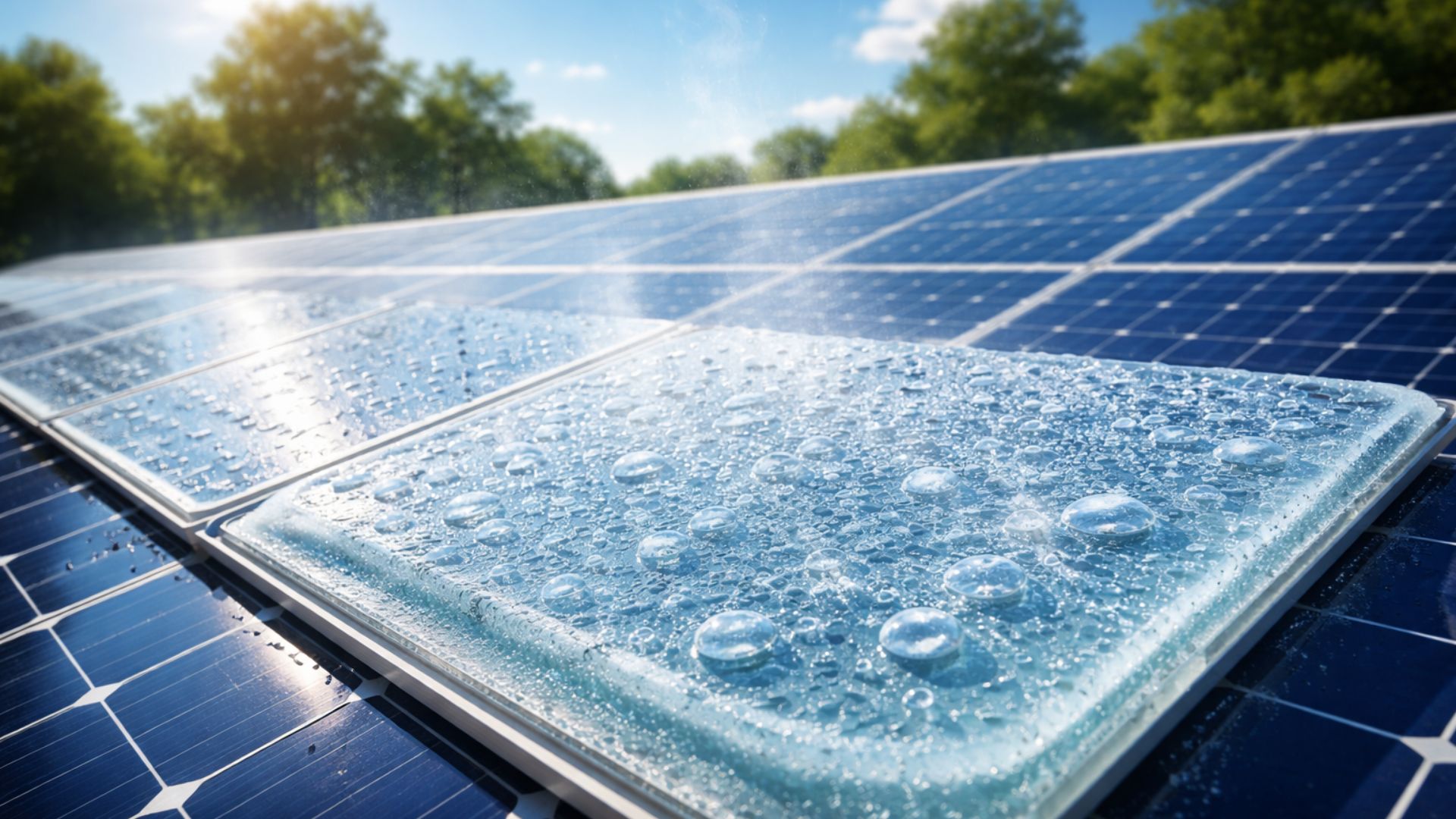
Researchers Develop Solution with Hydrogel That Can Reduce Overheating in Solar Panels, Increase Energy Efficiency, and Boost Electricity Generation in Urban and Rural Environments, Without Modifying Existing Systems.
A new technology developed by researchers at the Hong Kong Polytechnic University could change the performance of solar panels in urban and rural environments. The group created a hydrogel coating capable of reducing overheating caused by partial shading and, in the tests conducted, increasing energy generation by up to 13%.
According to an article published by CNN Brasil this Saturday (21), the study also identified a reduction of up to 16 °C in so-called “hot spots,” which are responsible for performance losses and structural damage in photovoltaic modules. The proposal is simple, does not require modification of existing electrical circuits, and can directly contribute to increasing the energy efficiency of already installed systems.
New Technology with Hydrogel Directly Addresses the Biggest Thermal Enemy of Solar Panels
The innovation arises at a strategic moment for global solar energy, which continues to expand its share in electrical matrices. By tackling a recurring technical problem, the research paves the way for practical and economically relevant gains.
-
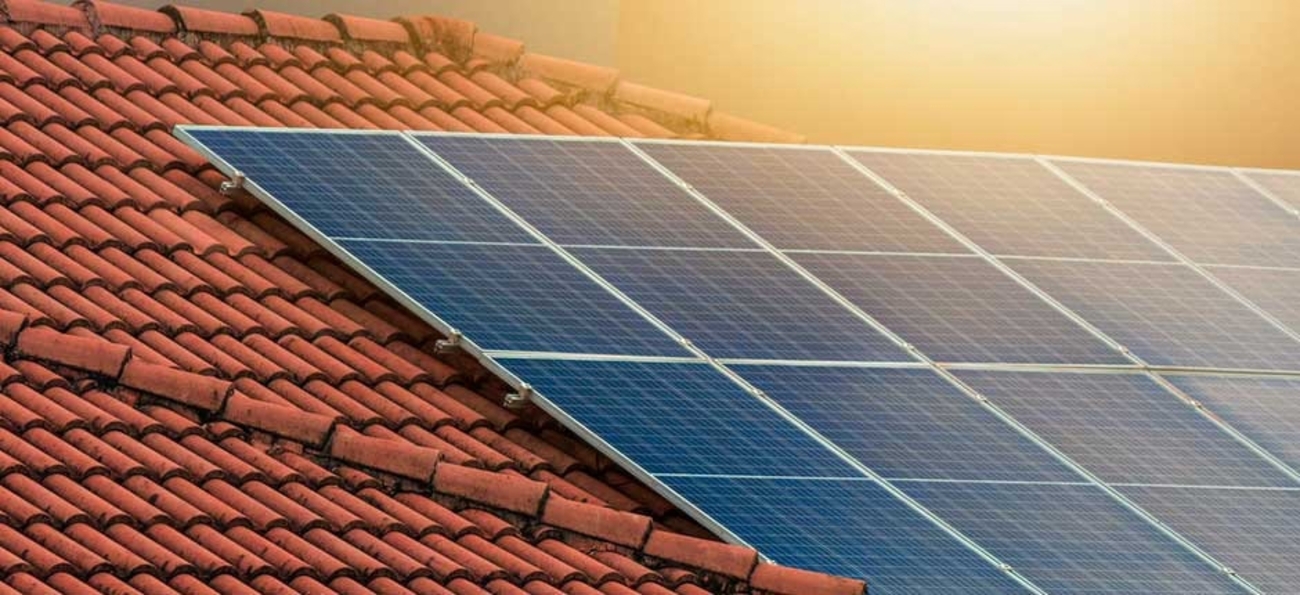
Roraima bets on the sun to escape high tariffs: Amid the energy crisis and price hikes, solar energy is growing in Roraima and transforming consumption in the North region.
-
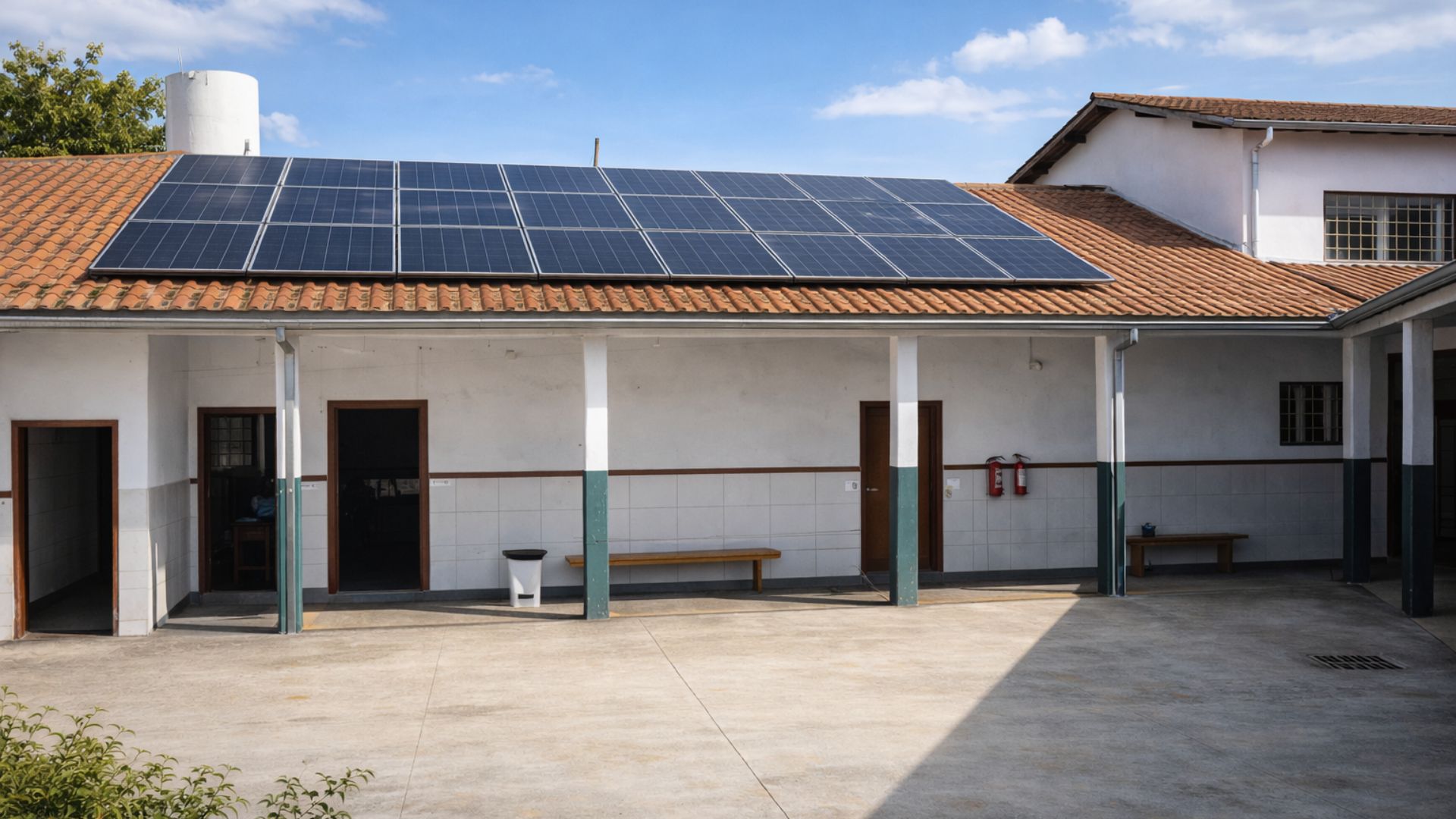
Copel boosts solar energy in Paraná and brings innovation to public schools, promoting savings on electricity bills, energy efficiency, and a direct impact on the quality of education.
-
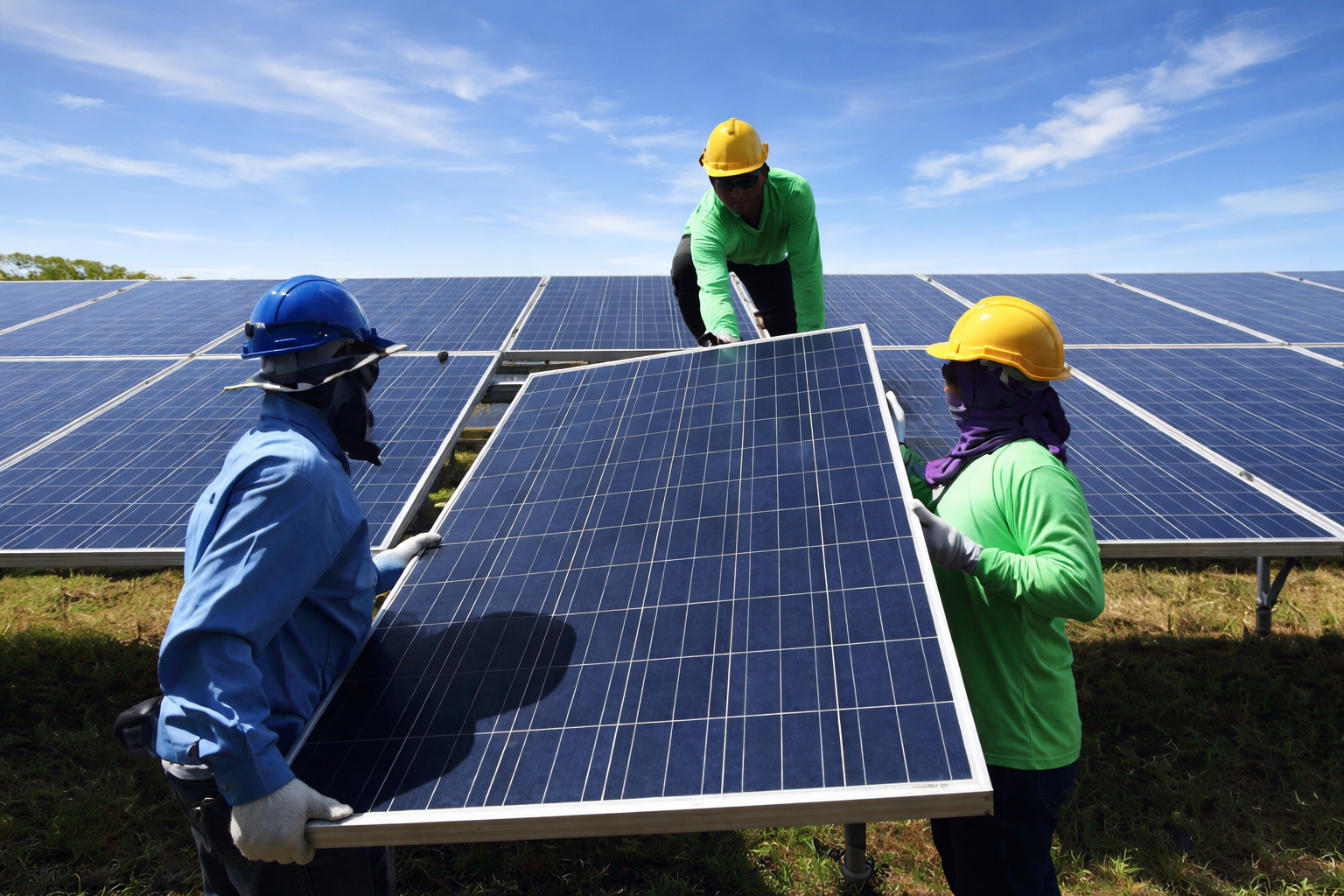
Brazil reaches historic milestone in solar energy: Sector surpasses 2 million accumulated green jobs and generates billions in the national economy even under market pressure.
-
Minas Gerais takes the lead in renewable energy: State surpasses historic mark of 14 GW in solar energy generation in MG and consolidates dominance in the Brazilian electric sector.
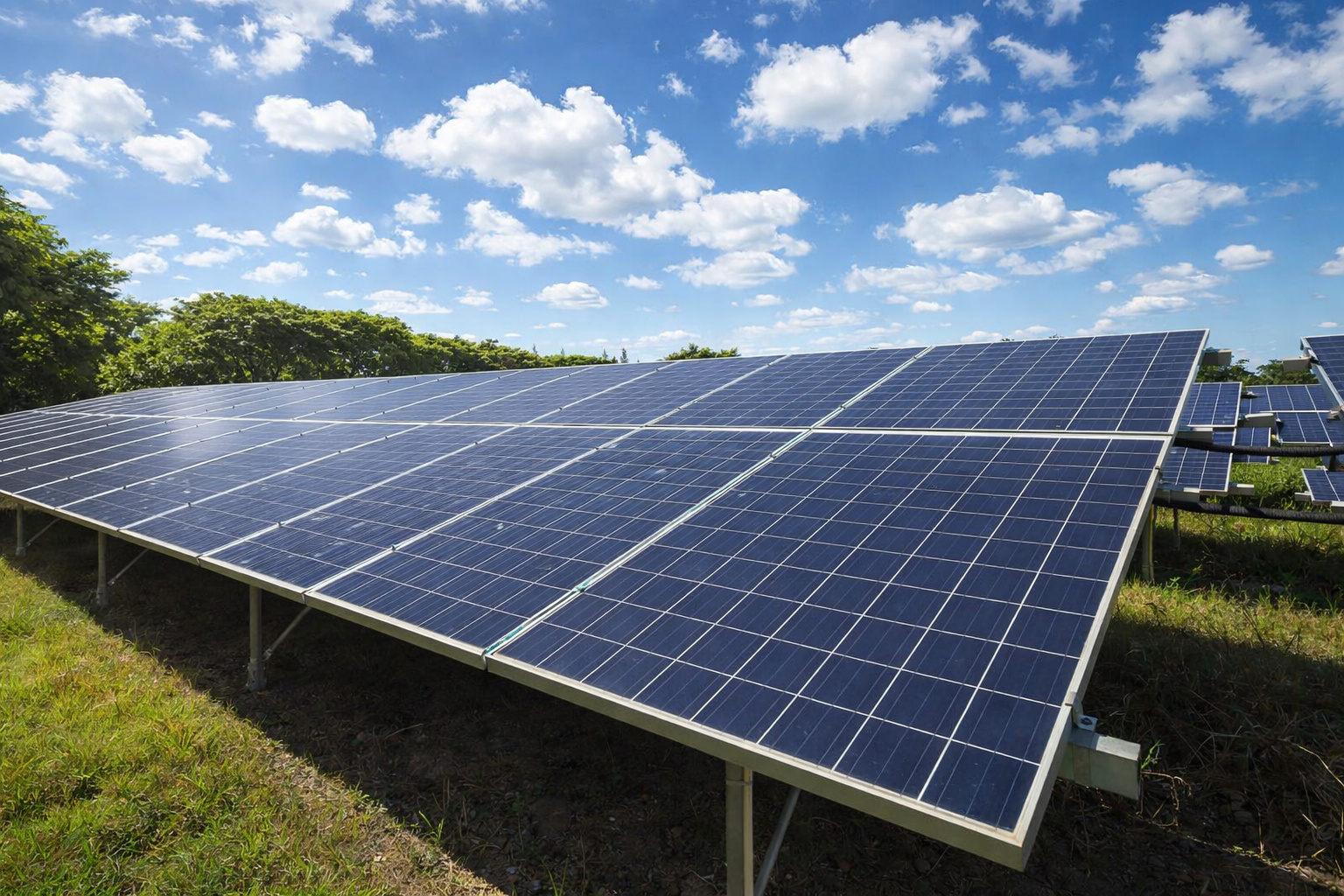

Although solar energy depends on light, excessive heat reduces the conversion capacity of photovoltaic cells. This apparent paradox is well-known in the industry: the higher the temperature of the module, the lower its electric conversion efficiency.
Unlike thermal engines, solar panels do not benefit from heat. They need light radiation, but operate better when kept at moderate temperatures. Under conditions of high irradiance and intense heat, losses can be significant.
It is in this context that the new technology based on hydrogel presents itself as a practical solution. The material was designed to absorb and release water in a controlled manner, promoting evaporative cooling directly on the surface of the module.
Understand How Hot Spots Occur and Why They Compromise Energy Efficiency
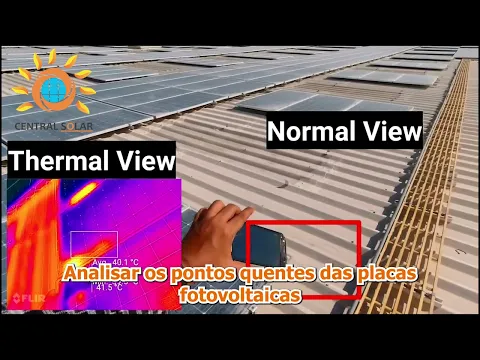
The so-called “hot spots” appear when a cell receives less light than the others — a common situation in urban environments with tall buildings, trees, accumulated dirt, or debris on the glass.
When this happens, the shaded cell acts as an electrical resistance. Instead of producing energy, it consumes part of the electricity generated by neighboring cells and dissipates heat.
This localized overheating can cause:
Reduction of the total generation of the system
Cracks in the protective glass
Melting of internal components
Fire risk in extreme cases
In addition to the immediate drop in performance, the problem affects durability. The loss of energy efficiency does not only occur at the moment of shading but can leave permanent marks on the module.
The new technology with hydrogel was developed precisely to neutralize this phenomenon without requiring structural changes to the already installed systems.


Hydrogel Structure Combines Polymers, Nanocomposites, and Hygroscopic Salts
The coating created by the team at the Hong Kong Polytechnic University combines three main components.
The first is based on hydrogel, formed by a three-dimensional network of polymers capable of absorbing and retaining large amounts of water. This structure functions as a natural reservoir.
The second element is a structural nanocomposite made up of microscopic particles of metal oxides, such as aluminum and zinc. These materials reinforce the integrity of the gel, reducing cracks and deformations.
The third component involves hygroscopic salts, responsible for attracting moisture from the air during the night. Thus, the system refills with water automatically.
During the day, when the solar panels heat up, the stored water evaporates. The process removes heat from the surface and lowers the temperature of the module. An internal network of cotton threads, organized in leaf-inspired patterns, acts as microchannels directing moisture to hotter areas.
This simple dynamic is at the core of the new technology, which seeks to enhance energy efficiency through thermal control.
Laboratory Results Indicate Increase of Up to 13% in Energy Efficiency
In tests conducted by PolyU, the coating demonstrated a reduction of up to 16 °C in hot spots. As a direct consequence of cooling, there was an increase of up to 13% in the energy production of the panel.
Professor Jerry Yan emphasized that the technology effectively addresses the problem of hot spots without modifying existing circuits. This means that already installed systems could, in theory, receive the coating without the need for complete replacement.
Besides the immediate generation gain, the hydrogel showed greater structural stability compared to conventional versions. The material exhibited less shrinkage and fewer cracks after prolonged use.
Another observed benefit was the presence of an outer polymer layer with dust-repellent properties. This feature aids in self-cleaning, reducing the need for frequent maintenance and contributing to maintaining energy efficiency over time.

Urban and Rural Application Expands the Reach of the New Technology
The expansion of solar energy in cities faces structural limitations. Partial shading is virtually inevitable in densely built areas. Small shadows can compromise the entire system.
In this scenario, the new technology with hydrogel offers a competitive advantage. By reducing the thermal impact caused by shaded cells, the solution preserves the performance of the array.
In rural areas, where solar radiation tends to be more intense, the problem is different: constant high temperatures. Even without shade, excessive heat can reduce the energy efficiency of solar panels.
The evaporative cooling mechanism works in both contexts. This expands the application potential in both urban rooftops and large-scale solar plants.
Use of Hydrogel: Potential for Financial Return and Economic Feasibility
Although the study does not disclose exact cost figures, researchers estimated the payback period based on generation gains.
In locations such as Hong Kong, the estimated payback is approximately 4.5 years. In regions with high irradiance and humidity, like Singapore, the return could occur in just over 3 years.
These projections consider the increase of up to 13% in energy production observed in tests. In countries with strong solar potential, such as Brazil, the application of the new technology may represent a relevant opportunity for residential, commercial, and industrial systems.
By increasing generation without expanding installed area, the coating helps improve financial indicators of projects and enhance the competitiveness of photovoltaic energy.
Perspectives for Advancing Energy Efficiency in the Solar Sector
The research demonstrates that significant gains in energy efficiency can come not only from new semiconductor materials but also from intelligent thermal solutions.
Temperature control is one of the technological frontiers of solar energy. Systems that operate cooler tend to maintain more stable performance over the years.
The new technology based on hydrogel reinforces this trend by combining materials science, structural engineering, and natural evaporation principles.
If confirmed on a commercial scale, the solution could reduce losses associated with hot spots, prolong the lifespan of solar panels, and increase global generation without the need for proportional infrastructure expansion.
What This Innovation Represents for the Energy Transition?
The advance presented by the team at the Hong Kong Polytechnic University shows that there is still significant room to optimize already established technologies.
By reducing up to 16 °C at critical points and increasing electrical production by up to 13%, the hydrogel demonstrates that relatively simple solutions can generate relevant impacts.
In a global scenario of energy transition, every incremental improvement counts. The new technology reinforces the importance of investing in applied research to make solar panels more resilient, efficient, and economically viable.
More than just an isolated technical advance, it is a concrete proposal to expand energy efficiency, reduce structural losses, and strengthen the role of solar energy as a protagonist in the electric matrix of the future.








-

-

-

10 pessoas reagiram a isso.