





 Portuguese
  English
  Spanish
 5 min of reading
  0 comments


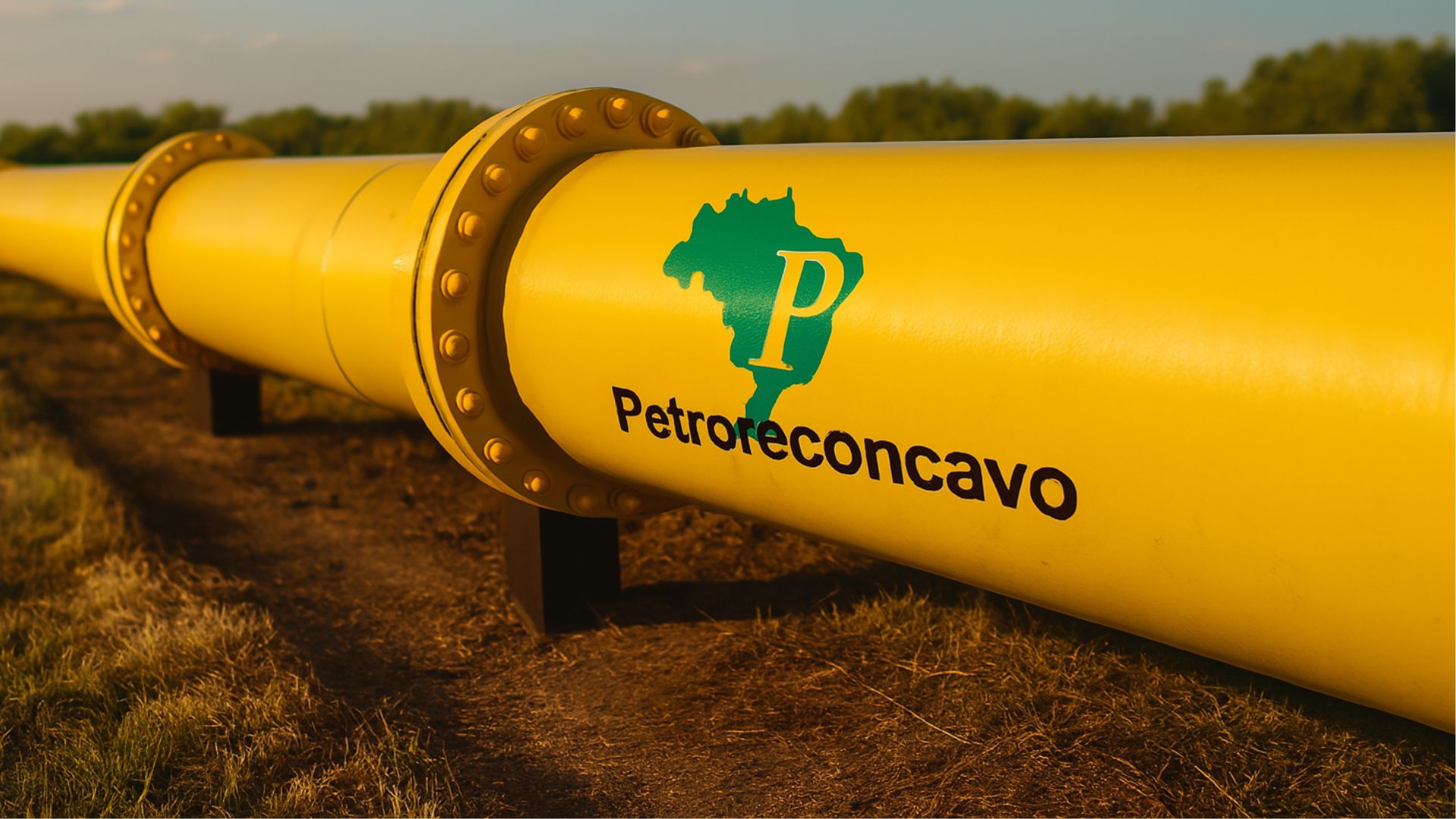
The New Natural Gas Infrastructure Installed in Assú (RN) by PetroReconcavo and GNLink Promises to Expand Energy Supply in the Northeast, Benefiting Cities Without Piped Network and Strengthening Fuel Internalization in the Region
The new liquefaction and compression unit of natural gas installed in Assú (RN) has been officially completed and is awaiting only the final authorization from the National Agency of Petroleum, Natural Gas and Biofuels (ANP) to begin operations. According to various media outlets on Wednesday (26), such as Brasil 247, the plant, developed by GNLink in partnership with PetroReconcavo, has the capacity to produce up to 100,000 cubic meters per day, aiming to provide natural gas to municipalities in the Northeast that still do not have a piped network.
New Natural Gas Facility by PetroReconcavo and GNLink Aims to Expand Supply
The completed installation in the interior of Rio Grande do Norte is the first liquefaction and compression unit of natural gas built in the state, and emerges as a key piece to expand the supply of the fuel in locations without gas pipelines.
According to data disclosed by GNLink, the plant was designed to produce Liquefied Natural Gas (LNG) and Compressed Natural Gas (CNG), allowing its distribution through specialized trucks.
-
Brazilian giant expands borders in the Southeast: Petrobras confirms new oil discovery in ultra-deep waters in the pre-salt of the Campos Basin.

-
Alert in the global energy market: Severe tropical cyclone hits the coast and disrupts gas production at major plants in Australia, threatening global supply.

-
Petrobras finds high-quality oil in the pre-salt at 113 km from RJ and reignites expectations about strategic reserves in the Campos Basin.

-
Ocyan opens registrations for startups focused on innovation in the oil and gas sector and will select projects for Innovation Day with the support of Nexio.


With production capacity of up to 100,000 m³/day, the unit can supply municipalities up to one thousand kilometers away. States such as Ceará, Pernambuco, Maranhão, and Rio Grande do Norte itself are among the beneficiaries, strengthening the regional energy market.
Municipalities that depend on more expensive or polluting fuels — such as LPG, diesel oil, or firewood — will be able to count on a cleaner and more efficient alternative, enabling environmental and economic advances.
Strategic Relevance for the Northeast
The new plant aligns with a moment of expansion in natural gas production in the Northeast. In this scenario, private initiatives, such as those led by PetroReconcavo, have strengthened the sector, especially after acquiring onshore fields that belonged to large operators.
The new infrastructure installed in Assú reinforces this trend, contributing to decentralizing energy supply and expanding regional autonomy. This advance is particularly relevant for inland cities that previously had no expectation of being served by traditional gas pipeline networks. The internalization of natural gas in the Northeast becomes more concrete and accelerated thanks to this type of project.
PetroReconcavo and GNLink: Expansion and Integrated Logistics
The partnership between PetroReconcavo and GNLink covers not only liquefaction and compression but the entire logistical chain of natural gas: transportation, storage, regasification, and delivery to the final consumer.
This integrated model allows for greater operational flexibility, the capacity to serve different states, and better adaptation to the demand of municipalities. GNLink already has contracts to supply municipalities in Bahia and Ceará through “virtual pipelines,” reinforcing its role as one of the main companies responsible for the internalization of natural gas in the Northeast.
In addition to the new unit in Assú, expansion projects are being evaluated in regions such as the Araripe Pole, which may be served in the future by railways, enhancing logistical efficiency and reducing operational costs.
Technical and Economic Details of the Project in Assú (RN)
Investments and Operational Capacity
- Total Investment: R$ 125 million
- Production Capacity: up to 100,000 m³ of natural gas per day
- Reach: municipalities within a radius of up to 1,000 km
- Coverage: Rio Grande do Norte, Ceará, Pernambuco, Maranhão, and other states in the Northeast
This level of production and logistical reach positions Assú (RN) as a new strategic hub for the distribution of natural gas, increasing the energy competitiveness of the region.
Job Creation and Impact in the Valley of Açu
During the construction of the unit, around 400 direct and indirect jobs were generated. The expectation is that new opportunities will arise in the operational phase, especially in transportation, maintenance, safety monitoring, and logistical management.
The Valley of Açu, which already has economic relevance in the energy and agricultural sectors, is beginning to solidify itself as one of the most important centers for the supply of natural gas in the Northeast.
How Will the Distribution of Natural Gas Be Conducted
The distribution logistics will be entirely based on road transportation with cryogenic trucks, utilizing both LNG and CNG. This model allows the fuel to reach municipalities without any type of piped infrastructure, ensuring operational safety and efficiency in supply.
One feature highlighted by GNLink is the use of trucks powered by natural gas, which reduces emissions during transport and reinforces the social and environmental commitment.
The “virtual pipeline” system allows supply to reach industries, businesses, condominiums, hospitals, and municipalities, helping to reduce costs and encourage new investments.
PetroReconcavo and GNLink Initiative: Socio-Environmental Impacts in the Northeast
The expansion of the natural gas supply has the potential to transform the energy landscape of inland cities in the Northeast. The fuel is considered cleaner compared to other sources widely used, such as firewood, diesel oil, and LPG.
The use of natural gas can:
- Reduce emissions of polluting gases;
- Improve air quality;
- Decrease environmental risks related to the transportation of liquid fuels;
- Provide greater price stability compared to LPG;
- Encourage new industrial ventures.
Economically isolated regions may benefit from new energy incentives, as well as reduce dependency on fuels that offer lower efficiency and greater environmental impacts.
Regulatory and Logistical Challenges for Full Operation
For the plant to operate at full capacity, only the final authorization from ANP is missing. This step is essential for the gas produced to be marketed and delivered to municipalities. Meanwhile, the company is finalizing internal testing and certification stages.
Distribution logistics also represent a challenge, especially considering long distances and the need for constant fleet maintenance. To ensure supply stability, optimized routes, regional storage centers, and state supply agreements will be necessary.
Another point is competitiveness: for expansion to be effective, the final price of natural gas must remain attractive to residential and industrial consumers.
Future Relevance of the Project for the Energy Security of the Northeast
The new natural gas unit installed in Assú (RN) is expected to play a decisive role in the future energy landscape of the Northeast. The region has historically faced infrastructure limitations that hindered greater diversification of its energy matrix. Now, with the possibility of receiving natural gas through viable transport, previously isolated cities can strengthen their economies and attract investments.
The project symbolizes a consistent step towards regional energy modernization, offering more balanced and sustainable access to the fuel. Even in the face of operational and regulatory challenges, the initiative demonstrates that the energy transition in Brazil also occurs outside major urban centers, reaching the interior and expanding opportunities for millions of people.









Seja o primeiro a reagir!