





 English
  Francês
  Alemão
  Italiano
  Japonês
  Norueguês
  Portuguese
  Spanish
 5 min of reading
  0 comments


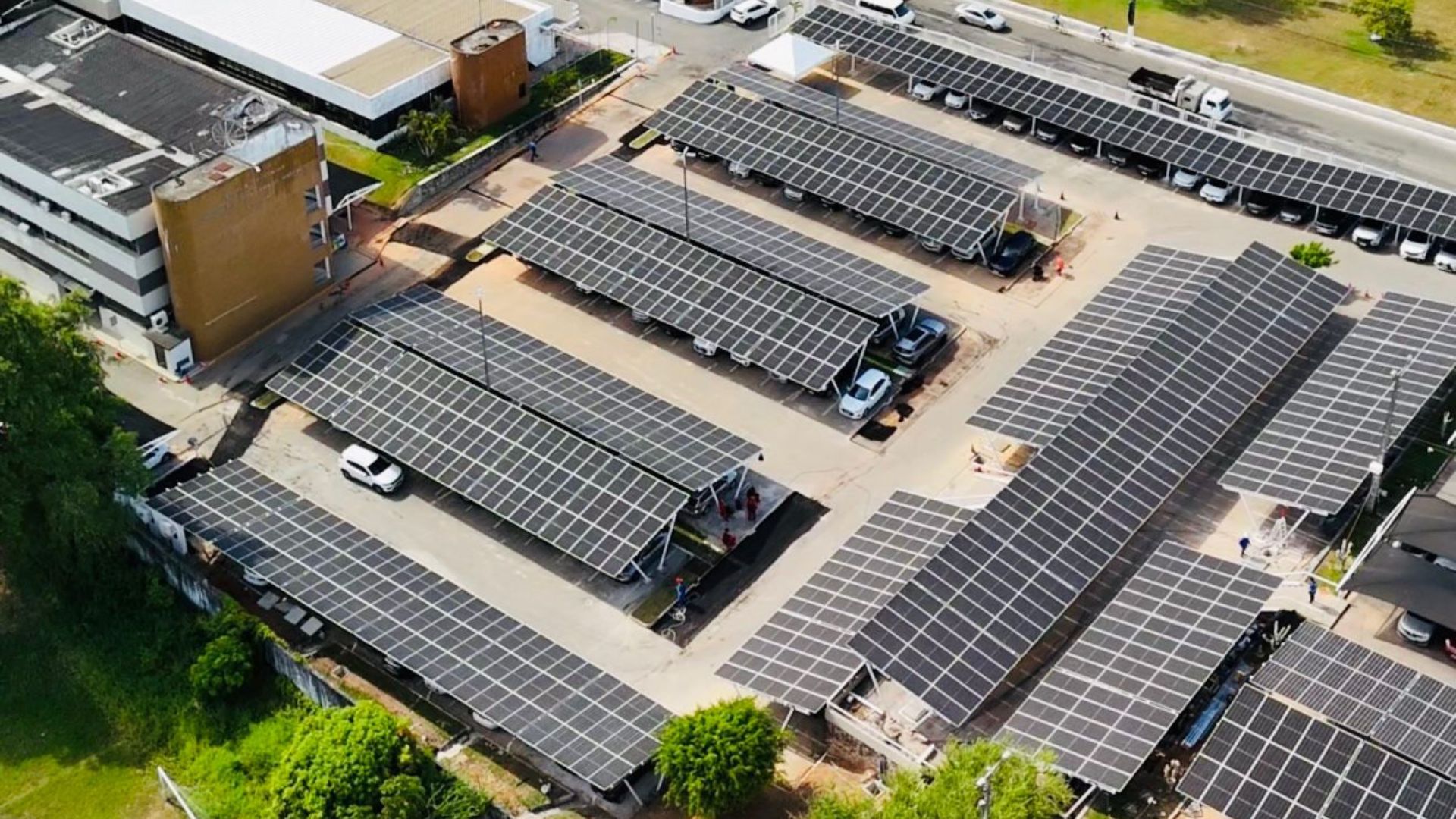
Inaugurated in Sergipe, TCE-SE’s New Solar Plant Bets on Renewable Energy to Reduce Public Expenses, Modernize Infrastructure, and Reinforce Sustainable Practices in the Public Sector
On December 17, 2025, the Court of Accounts of the State of Sergipe officially inaugurated its photovoltaic plant in the carports model, installed in the parking lot of the agency’s headquarters. The initiative marks a strategic advancement of the TCE-SE by merging renewable energy, energy efficiency, and significant cost reduction with electricity, reinforcing the institutional commitment to sustainability in the public sector.
TCE-SE Inaugurates New Solar Plant and Expands Use of Renewable Energy in Sergipe
The implementation of the new solar plant positions the Court among public institutions that adopt good environmental practices, in addition to aligning the agency’s actions with the guidelines of the United Nations Sustainable Development Goals (SDGs).
The project was conceived to generate financial savings, reduce environmental impacts, and modernize public infrastructure. The expectation is for a savings of approximately R$ 50,000 per month, a significant amount for public coffers and the responsible management of resources.
-
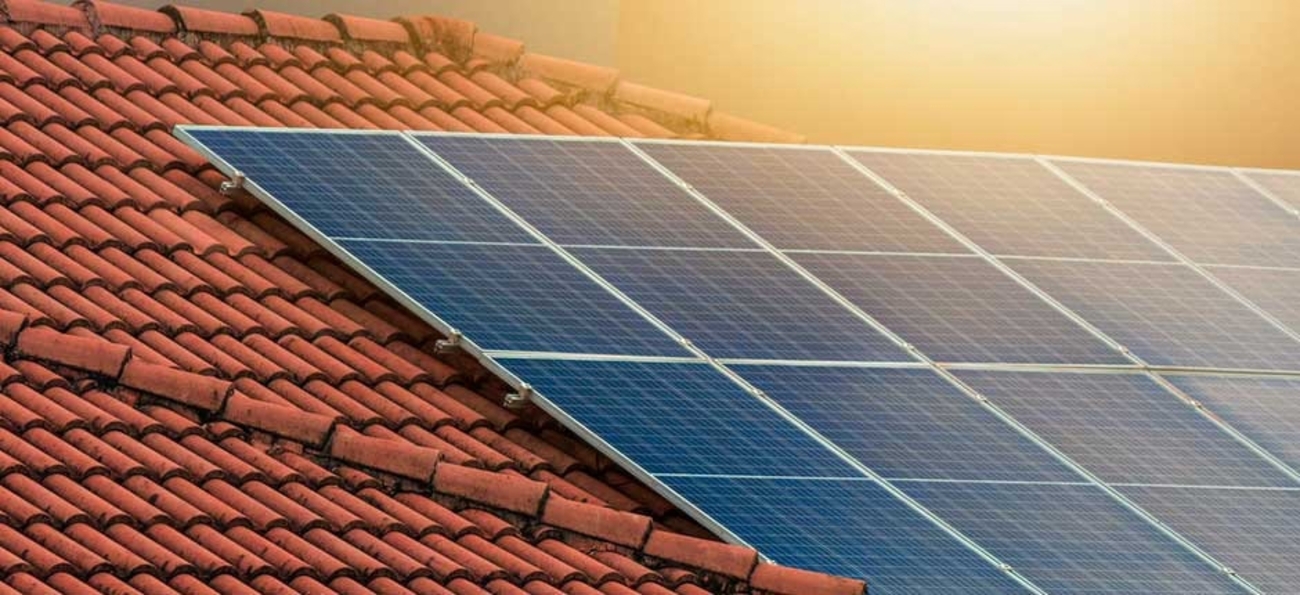
Roraima bets on the sun to escape high tariffs: Amid the energy crisis and price hikes, solar energy is growing in Roraima and transforming consumption in the North region.
-
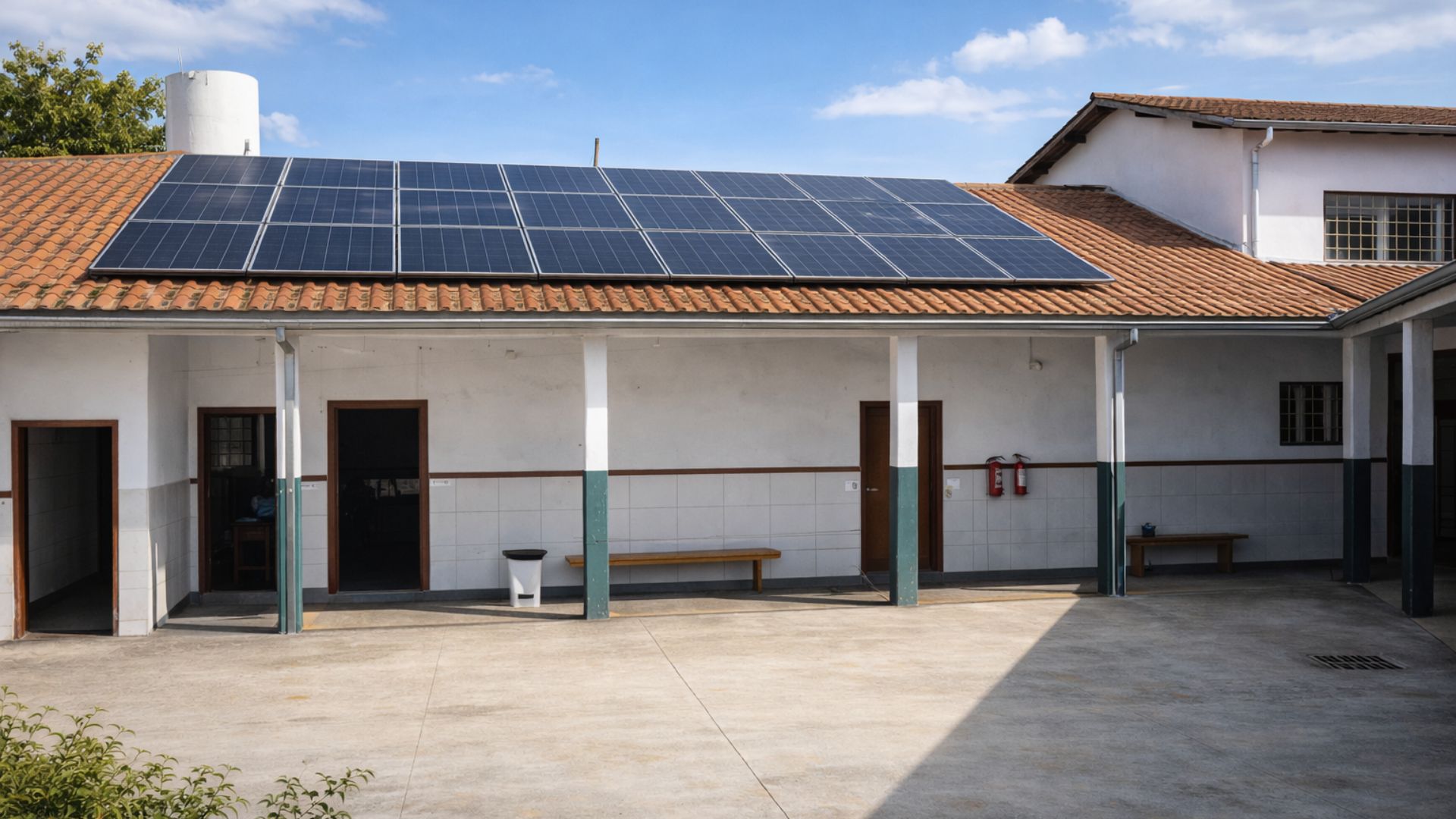
Copel boosts solar energy in Paraná and brings innovation to public schools, promoting savings on electricity bills, energy efficiency, and a direct impact on the quality of education.
-
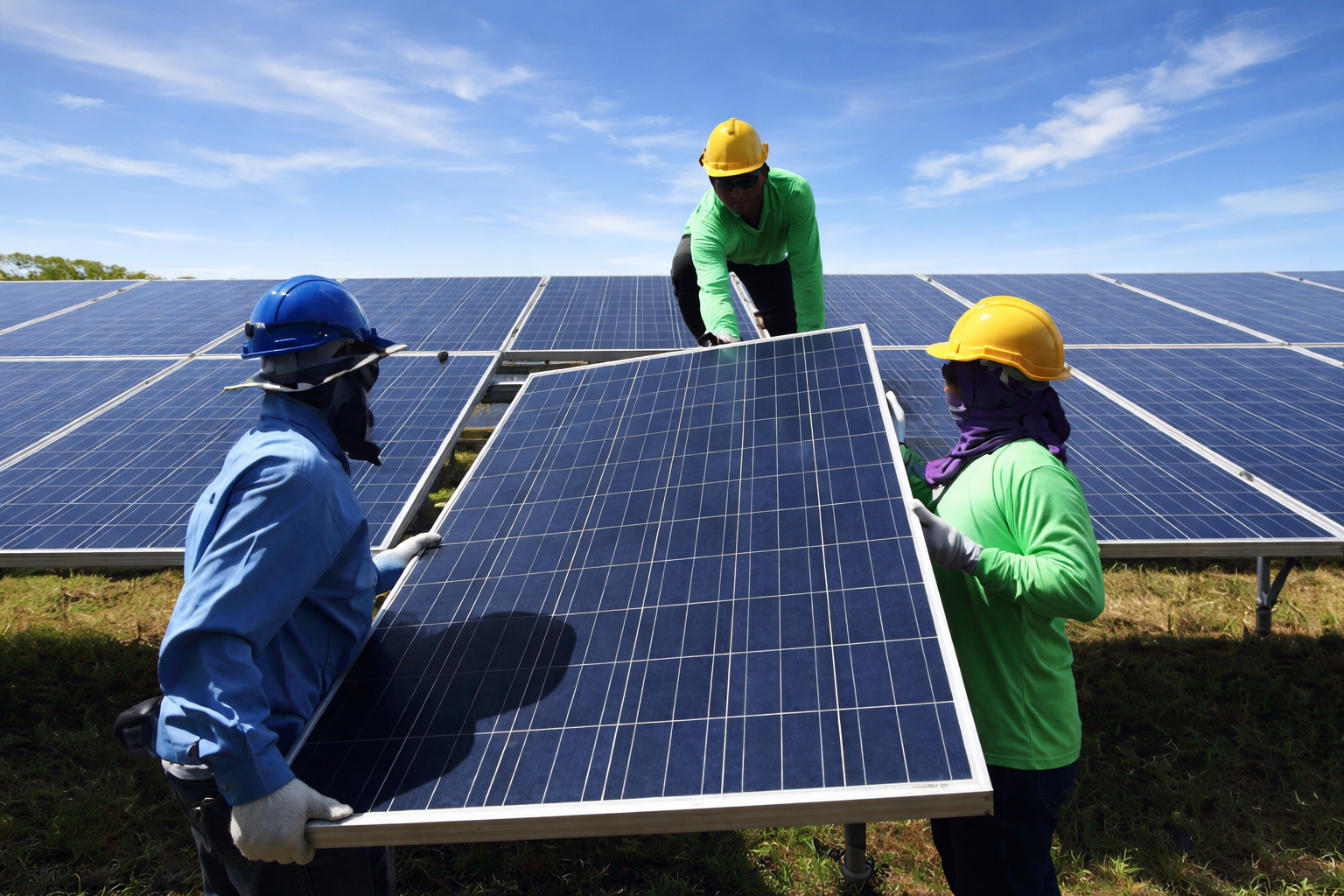
Brazil reaches historic milestone in solar energy: Sector surpasses 2 million accumulated green jobs and generates billions in the national economy even under market pressure.
-
Minas Gerais takes the lead in renewable energy: State surpasses historic mark of 14 GW in solar energy generation in MG and consolidates dominance in the Brazilian electric sector.
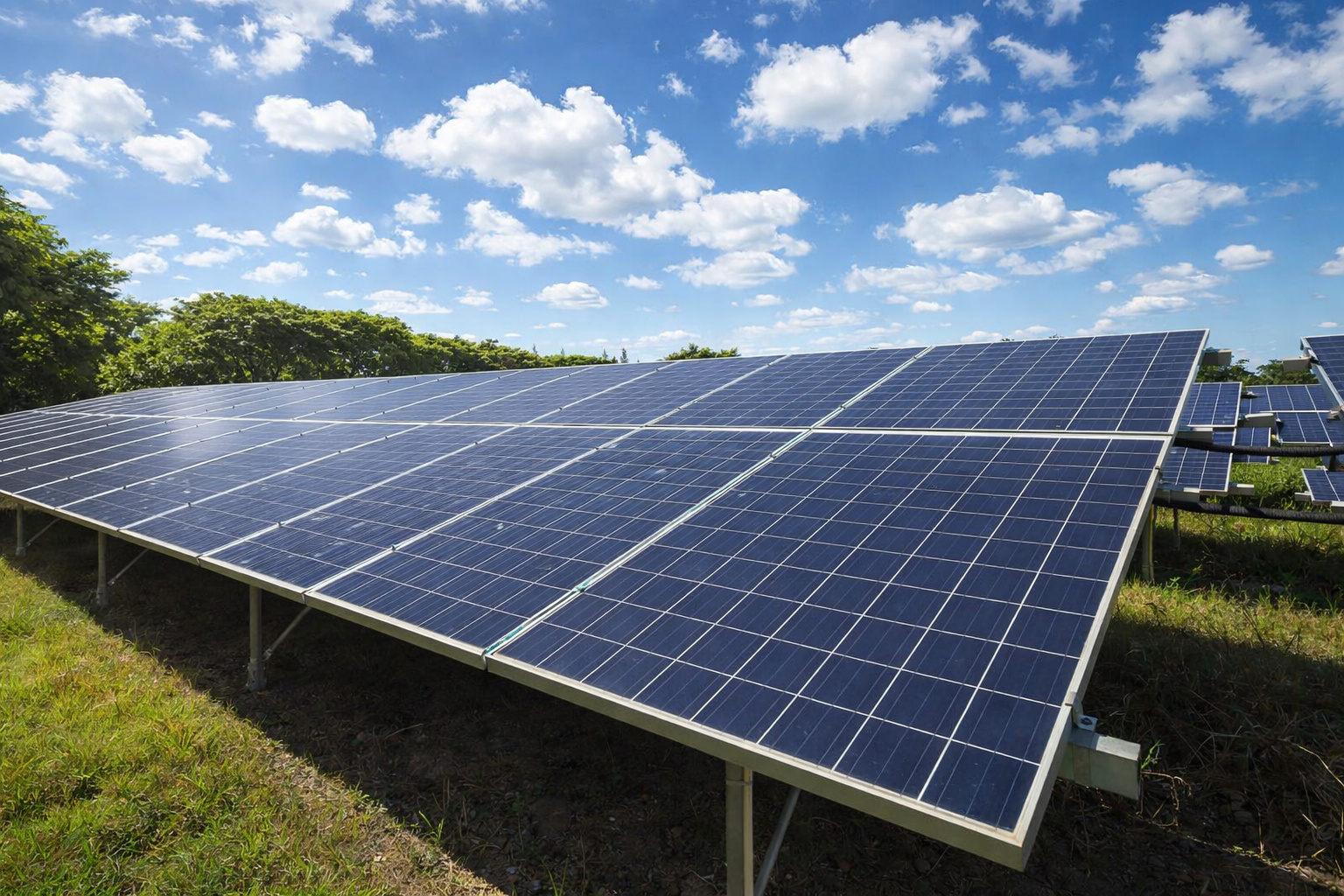

The inauguration of the new solar plant of the TCE-SE represents an advance in the adoption of renewable energy in the state public sector. The adopted system uses the carports model, in which photovoltaic panels are installed over parking spaces, allowing the generation of clean energy without the need for new built areas.
This format combines environmental sustainability and efficient use of urban space, a solution increasingly adopted by public and private institutions. In Sergipe, where solar incidence is high throughout most of the year, the choice for solar energy proves to be technically and economically appropriate.
Technical Capacity of TCE-SE’s New Solar Plant
From a technical standpoint, the new solar plant presents remarkable and fully verifiable numbers. According to official data from the TCE-SE, 1,050 solar panels were installed, each with a capacity of 580 watts, totaling nearly 600,000 watts in photovoltaic modules.
The system also includes five inverters of 100 kilowatts each, totaling 500 kilowatts of installed capacity. The estimated annual generation is approximately 780,000 kilowatt-hours, a volume sufficient to meet a significant portion of the Court’s energy demand.
These data reinforce the potential of renewable energy as an efficient solution for public agencies in Sergipe, especially when associated with well-designed projects and qualified technical management.
New Solar Plant Ensures Cost Reduction and Energy Efficiency
One of the most relevant impacts of the initiative is the significant cost reduction in electricity. According to estimates from the Court itself, the monthly savings can reach around R$ 50,000, easing recurring expenses and expanding the agency’s investment capacity.
Throughout the year, this savings allows public resources to be redirected to priority areas, such as technological modernization, staff training, and improvement of external control activities. Thus, the new solar plant directly contributes to a more efficient and responsible management.
In a scenario of constant fiscal challenges, projects based on renewable energy become strategic for the public sector, especially in states like Sergipe, where solar potential favors consistent results.
Sustainability and Institutional Commitment of TCE-SE
During the inauguration ceremony, the president of the TCE-SE, councilor Susana Azevedo, highlighted that the delivery of the plant symbolizes the realization of a project aligned with good environmental practices and the global sustainability agenda.
According to the president, the adoption of renewable energy generated by the Northeast sun strengthens the institutional commitment of the Court to the environment and compliance with the UN SDGs. She also emphasized the sense of duty fulfilled upon seeing the agency advance in concrete actions focused on sustainability.
Renewable Energy in the Public Sector and Example for Sergipe
The Attorney General of the Public Ministry of Accounts, Eduardo Côrtes, also highlighted the relevance of the new solar plant, classifying the project as a milestone for state public administration. For him, the TCE-SE is now at the forefront of the environmental agenda in Sergipe.
According to the attorney, the initiative has the potential to encourage other agencies in the justice system and public administration to develop similar projects, expanding the use of renewable energy and strengthening institutional sustainability policies.
Modernization of Infrastructure and Sustainable Resource Management
In addition to generating clean energy, the project is integrated with complementary actions to modernize the Court’s infrastructure. Among them are improvements in lighting and air conditioning systems, focusing on energy efficiency and lower consumption.
These measures amplify the benefits of the new solar plant, reinforcing cost reduction and the sustainable management of public resources. The combination of photovoltaic technology and building modernization strengthens the role of the TCE-SE as an institution committed to innovation and environmental responsibility. In Sergipe, this type of initiative gains even more relevance in light of the growing demand for sustainable solutions in the public sector.
Alignment with Global Sustainability Goals and SDGs
The TCE-SE‘s investment in renewable energy is directly aligned with the United Nations Sustainable Development Goals, especially those related to clean energy, responsible consumption, and climate action.
By reducing dependence on the conventional power grid, the new solar plant contributes to the reduction of environmental impacts associated with energy generation, reinforcing the institutional responsibility of the Court to society. This alignment strengthens the agency’s image and consolidates the role of the public sector as an active player in the energy transition in Sergipe.
New Solar Plant: A Strategic Investment for the Present and the Future
The inauguration of the new solar plant of the TCE-SE on December 17, 2025, consolidates an important step in the adoption of renewable energy in the public sector of Sergipe. With robust technical capacity, proven financial savings, and positive environmental impact, the project stands out as an institutional reference.
In addition to the significant cost reduction, the initiative strengthens the modernization of public infrastructure and demonstrates that innovation, efficiency, and sustainability can go hand in hand. By investing in clean energy solutions, the TCE-SE leaves a legacy that goes beyond financial savings, contributing to a more responsible public management aligned with future challenges.








Seja o primeiro a reagir!