





 Portuguese
  English
  Spanish
 3 min of reading


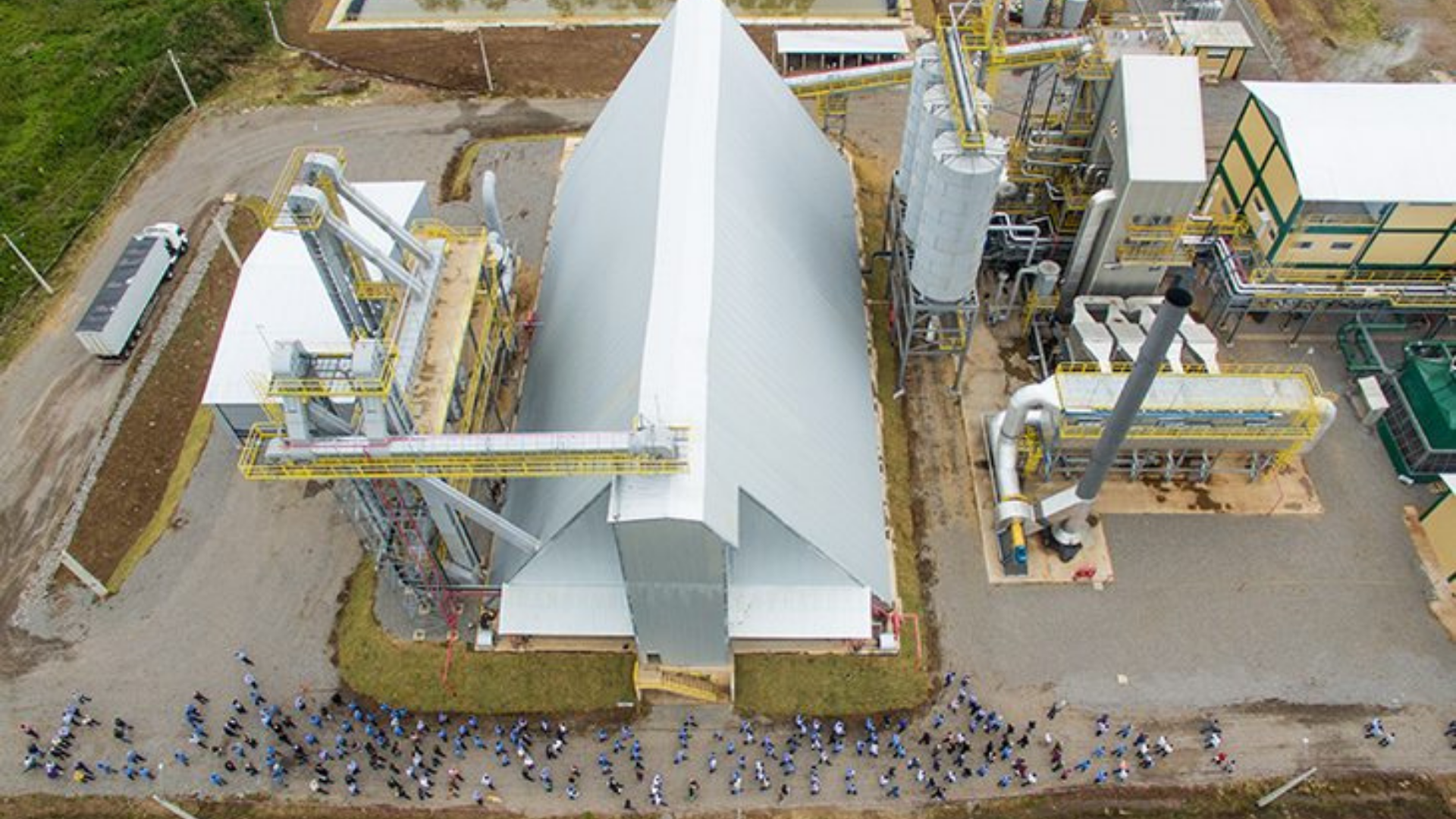
Creral Obtained Installation License to Proceed with the Litoral Norte Thermoelectric Plant Project in Capivari do Sul, Rio Grande do Sul
The Creral, an energy sector company, obtained the installation license to proceed with the Litoral Norte thermoelectric plant project, which will be installed in the municipality of Capivari do Sul, in the state of Rio Grande do Sul. Alderi do Prado, the company’s president, says they have been working on this thermoelectric plant project for two years and that, with the license, they will now work on the executive project and on contracting the generation and infrastructure equipment. See also: Petrobras fails to reach an agreement with Proquigel and will deactivate thermoelectric plant in Bahia
- Brazilian Opens Shipyard in the United States and Becomes One of the Largest Nautical Centers for Catamaran Construction
- Imetame May Have Discovered Oil in Well in the Terrestrial Part of the Espírito Santo Basin
- Privatization of Eletrobras May Affect Consumers’ Wallets, Making Electricity Bills More Expensive for the Next 30 Years, According to Aesel Data
- Petroleum Company Total Invites Candidates without Experience for Positions in São Paulo in its 2021 Trainee Program
- Volvo Announces End of Production of Gasoline and Diesel Combustion Engines in Brazil
Details of the Thermoelectric Plant in the State of Rio Grande do Sul
The thermoelectric plant to be built will use rice husk as fuel to generate energy, with an installed capacity of 5 MW, which will consume 40 thousand tons of rice husk annually.
The rice husk that will be used in the thermoelectric plant in Capivari do Sul will be supplied by rice companies from the municipalities of Capivari do Sul, Santo Antônio da Patrulha, and Palmares do Sul. The plot of land measuring 33 thousand square meters for the installation of the project has already been purchased, and the connection point with the national interconnected system is awaiting definition from CEEE (Companhia Estadual de Energia Elétrica).
-
The government requests the Federal Revenue Service for a new system to automate the income tax declaration, reducing errors, time, and bureaucracy for millions of Brazilians.

-
Pix in installments, international Pix, and contactless payment without internet: the Central Bank revealed the new features coming to the tool that is already used by almost every adult in Brazil.

-
Mercado Livre has just started selling medications with delivery in up to three hours to your door, and this move could completely change the way Brazilians buy medicines on a daily basis.

-
In Dubai, rising tensions from the war in the Middle East are causing super-rich individuals to leave the Gulf and direct their fortunes to a new financial refuge in Asia.


The Litoral Norte Thermoelectric Plant will be the second project of this type to be built by the cooperative. Since 2018, Creral has been operating the UTE São Sepé, located in the municipality of São Sepé, also in the state of Rio Grande do Sul.


See Also: UTE in the State of Mato Grosso do Sul Will Be Reactivated and Operations May Resume Next Month
The William Arjona thermoelectric plant, in Mato Grosso do Sul, may resume operations in June of this year. The thermoelectric plant is located in the Imbirussu district and was acquired by the Delta Energia Group. The project has not been operational for four years. The businessmen and executives of Delta Energia Group met with Agepen (National Public Service Regulatory Authority) to inform that they are negotiating with Petrobras, TBG operators, and MSGás distributors to advance the resolution of all necessary operational procedures for the thermoelectric plant.
The founding partner of Delta Energia, Ricardo Lisboa, expressed confidence in the state of Mato Grosso do Sul and aims to promote private investment, opting to invest in the thermoelectric plant. Ricardo stated that the company’s goal is to activate the thermoelectric plant in June of this year, and also highlighted that the investment in the plant is the first investment made by the group in this segment.
Carlos Alberto de Assis, CEO of Agepan, said that besides helping development, the National Public Service Regulatory Agency also hopes to promote balance between consumers and service providers. Regarding regulatory issues, if these issues are sufficient and necessary, the agency will strive to achieve them.








Seja o primeiro a reagir!