





 Português
  Inglês
  Espanhol
  4 min de leitura
  0 comentários


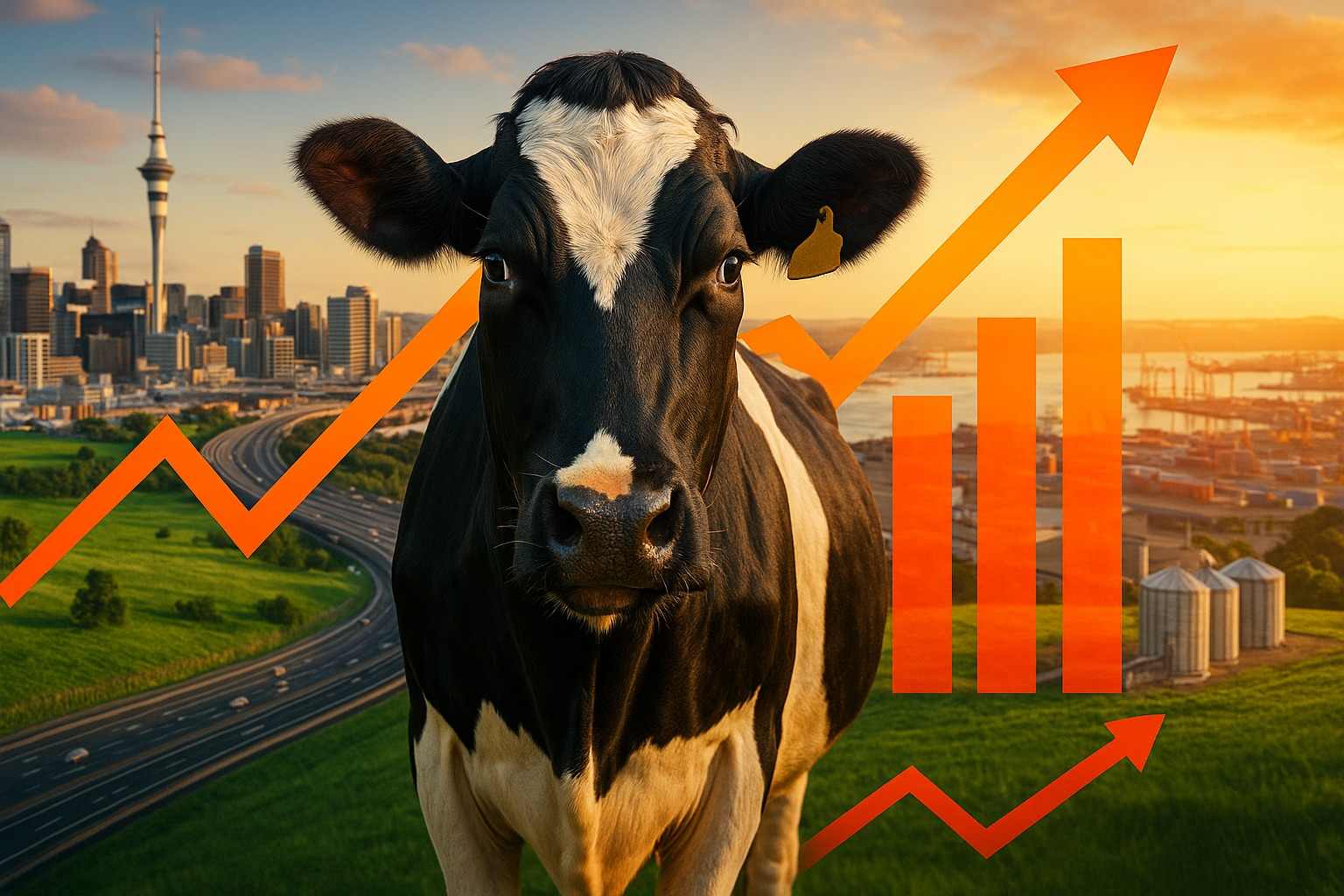
For Decades, New Zealand Was a Small, Isolated Country Dependent on Agricultural Subsidies That Kept Its Economy Stagnant. Everything Changed in the 1980s When a Radical Reform Opened Markets, Eliminated Protectionism, and Forced Producers to Join Modern Cooperatives.
New Zealand is a small country in the South Pacific with just over 4.5 million inhabitants.
Even without manufacturing cars, it became the fourth most motorized people on the planet, surpassing nations like Italy and Germany.
This feat has its origins in a highly efficient agricultural model centered on dairy production, which accounts for about 3% of all the milk in the world.
-
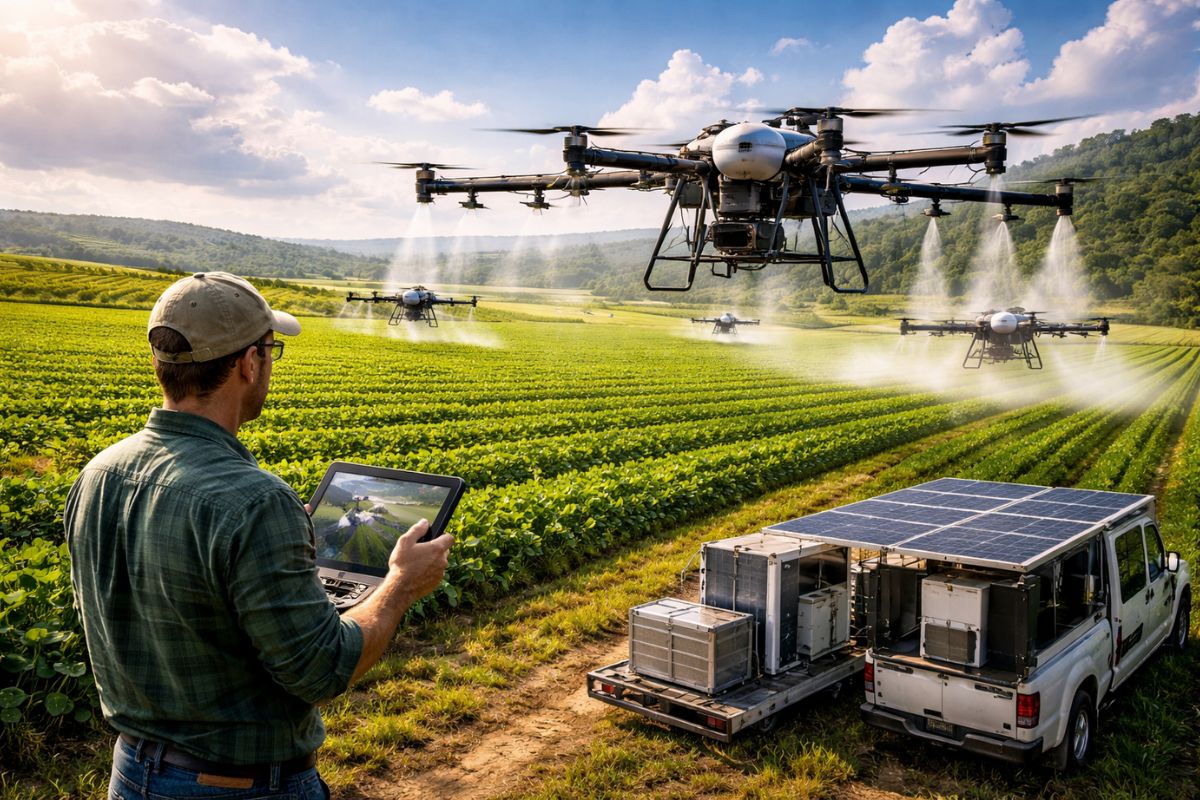
Alone, the producer applies 7,400 hectares with the T100 drone in an optimized structure, replaces the generator with a silent battery, and demonstrates how technology reduces costs, increases productivity, and even challenges the uniport in the field.
-
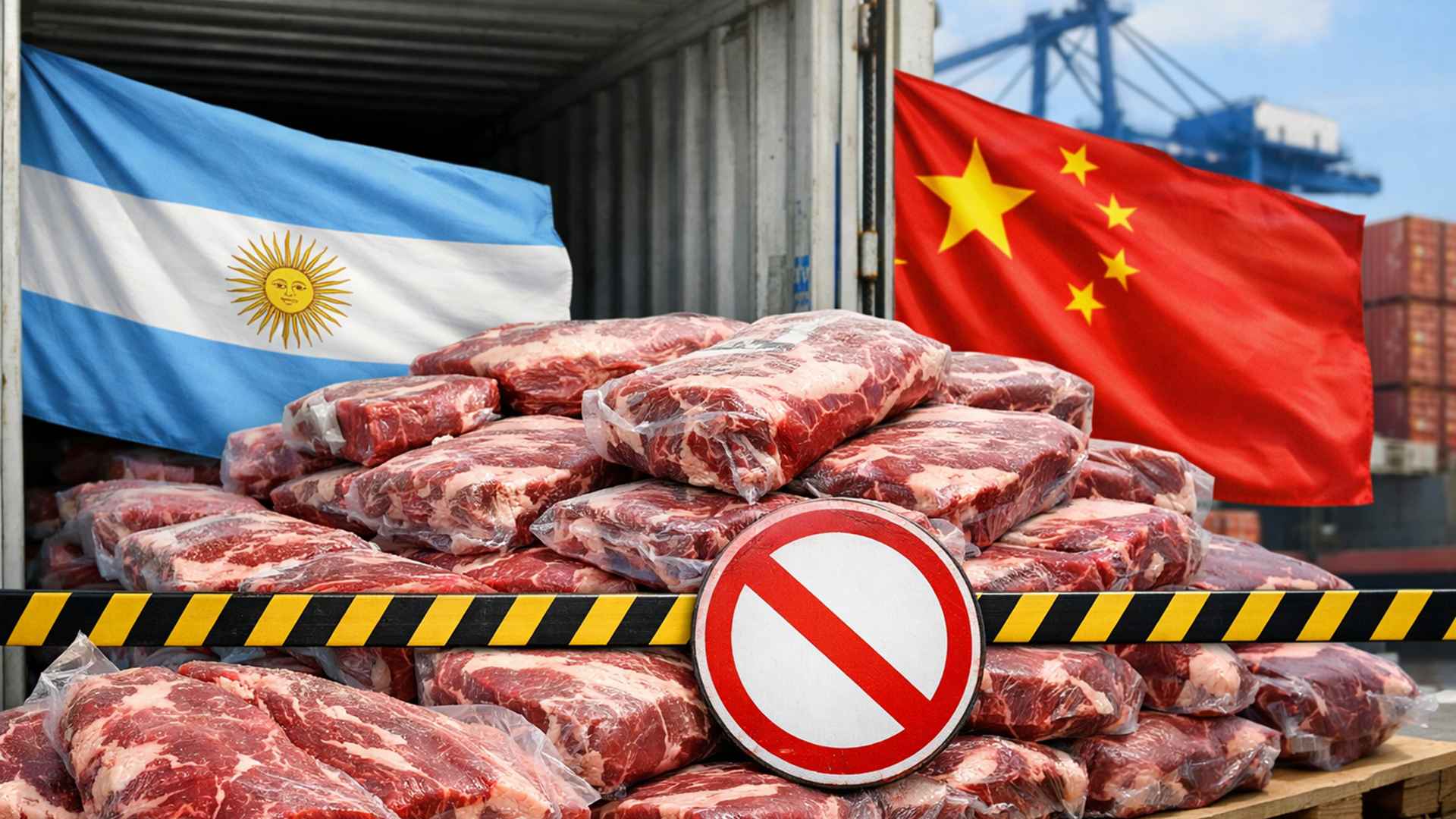
China banned the export of 22 tons of meat from Argentina.
-
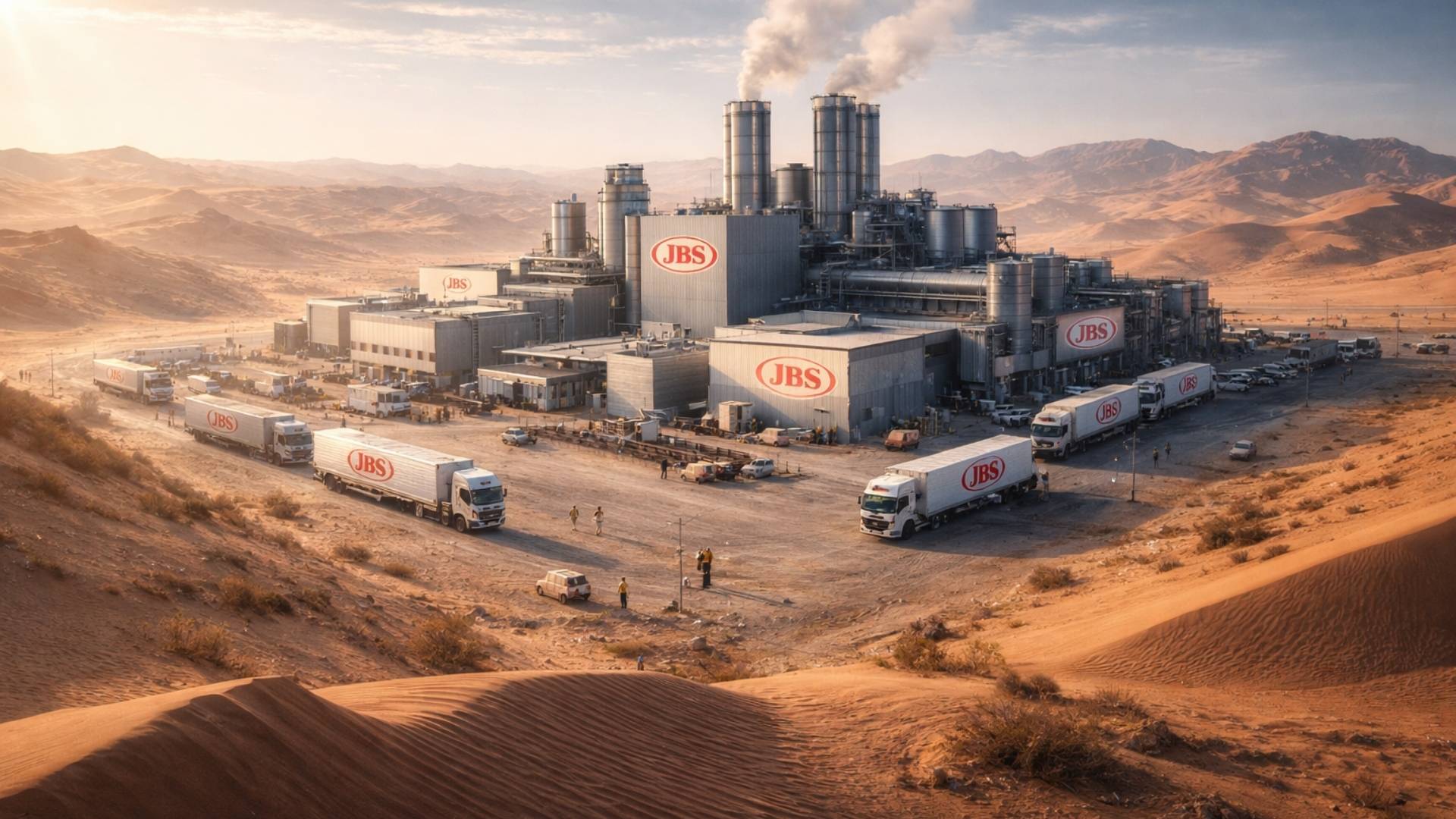
JBS, founded by the Batista brothers, continues to conquer the world: entrepreneurs built a ‘factory in the desert’ creating 3,000 jobs.
-
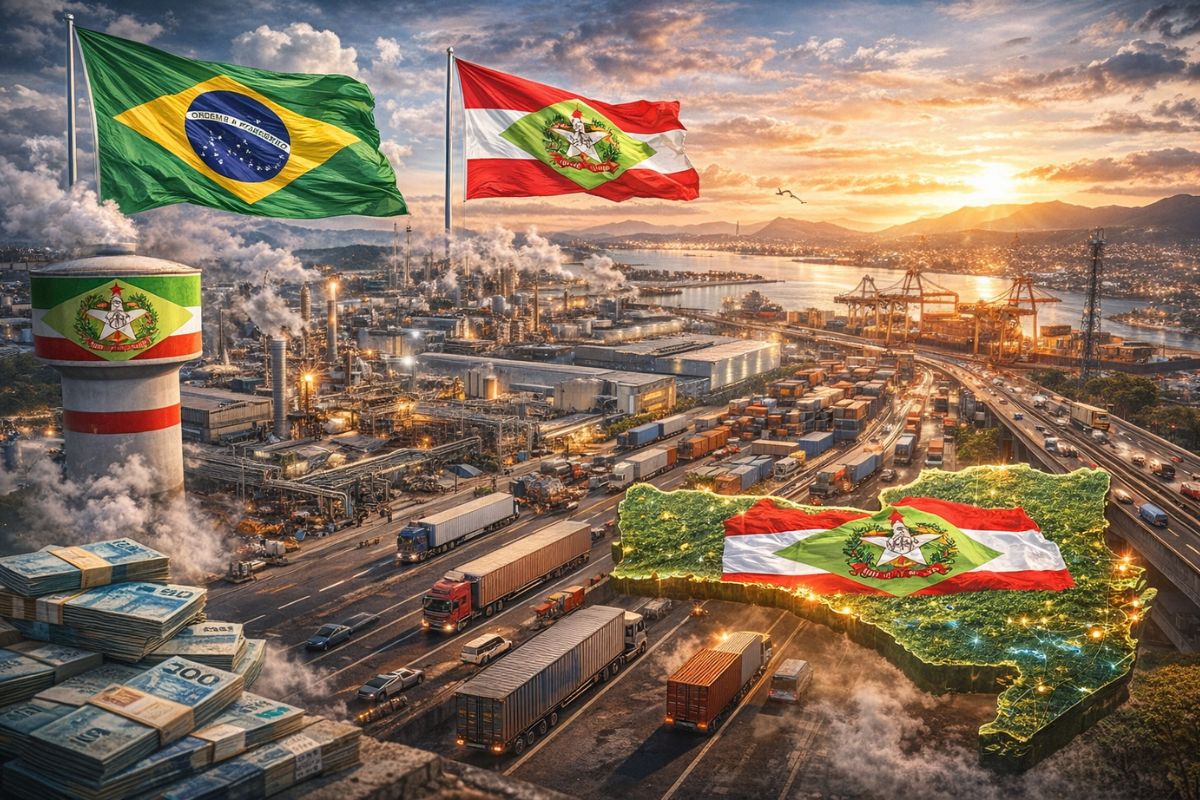
With only 1% of Brazil’s territory, Santa Catarina has built one of the most competitive industrial parks in the country, with 64,000 companies, nearly 1 million jobs, and a growth rate of 5.3% while the national industry is practically stagnant.

The country boasts a per capita income of $48,000 and ranks among the top 20 on the Human Development Index in the world.
Impeccable roads, houses without fences, and a landscape that blends snowy mountains and green pastures complete the picture of prosperity.
Ideal Natural Conditions
The story began around 1830 when British settlers brought cows and sheep to the island.
The mild climate, with temperatures between 10 °C and 20 °C, and well-distributed annual precipitation favored the growth of nutritious grasses, such as ryegrass.
The gentle terrain facilitates low-cost rotational grazing, and the island condition reduces the entry of pests, decreasing the need for medications.
This combination allowed New Zealand to build a high-quality livestock industry with reduced costs and low sanitary burdens.
Reforms That Changed Everything
Despite its potential, until the 1980s, the country was stagnant, with a closed economy, bloated by subsidies and inefficient.
The turnaround came with a government that implemented radical reforms: cut spending, eliminated agricultural subsidies, and opened the economy.
The changes were so profound that the magazine The Economist began to call New Zealand “the most deregulated economy in the world.”
The business environment became freer and more competitive, especially boosting the dairy sector.
The Emergence of Fonterra
Without state support, producers organized themselves into cooperatives to gain scale and invest in technology.
From this union was born Fonterra, today the largest dairy company in the world, responsible for 95% of the sector’s exports.
The cooperative processes 22 billion liters of milk per year and generates more than 20 billion New Zealand dollars.
The cooperative model ensures that the 10,500 producers are partners, with quotas proportional to the volume of milk delivered, sharing profits and risks.
In addition, the company has managed to transform milk into products with much more added value, including artisanal cheese, premium butter, and industrial-grade products.
Efficiency and Quality
The country adopted a seasonal system: 95% of births occur in the spring when pastures are most nutritious.
The cows spend about 280 days outdoors, reducing the use of industrial feed and production costs to just $0.25 to $0.35 per liter — less than half of the global average.
Additionally, Jersey and Kiwi Cross cows offer high feed conversion efficiency and higher solid content.
While Brazil has an average of 6.6% solids, New Zealand achieves 8.4%, adding value to the milk and increasing competitiveness.
Youth Inclusion and Governance
The country also created the Sharemilking 50/50 system, in which young people provide cows and labor, while experienced producers offer land and quotas, equally sharing profits.
About 35% of young people in the sector start through this model, which facilitates access to land and renews the countryside.
The voting power is proportional to the volume of milk delivered, with limits to prevent concentration, ensuring the democratic participation of all cooperators.
Sustainability and Innovation
Agriculture accounts for 48% of the country’s emissions, and the government invests in solutions such as the 3NOP additive, which reduces methane without affecting productivity.
Mandatory practices include fencing off springs, buffer zones, and wastewater management.
More than 350 scientists are working on new dairy ingredients, infant formulas, and specialized proteins, consolidating the sector’s technological leadership.
Milk That Becomes Cars
In 2023, New Zealand exported $12.4 billion in dairy products and imported $5.2 billion in vehicles from brands like Toyota, Hyundai, and Chery.
This illustrates the principle of comparative advantage: the country produces what it does best and uses trade to obtain the rest.
As a result, even without car manufacturing, it has become one of the most motorized populations on the planet, in addition to being a global reference in dairy, sustainability, and quality of life.
Article made with some information from the AUVP AGRO channel.









Seja o primeiro a reagir!