





 English
  Francês
  Alemão
  Italiano
  Japonês
  Norueguês
  Portuguese
  Spanish
  6 min of reading
  0 comments


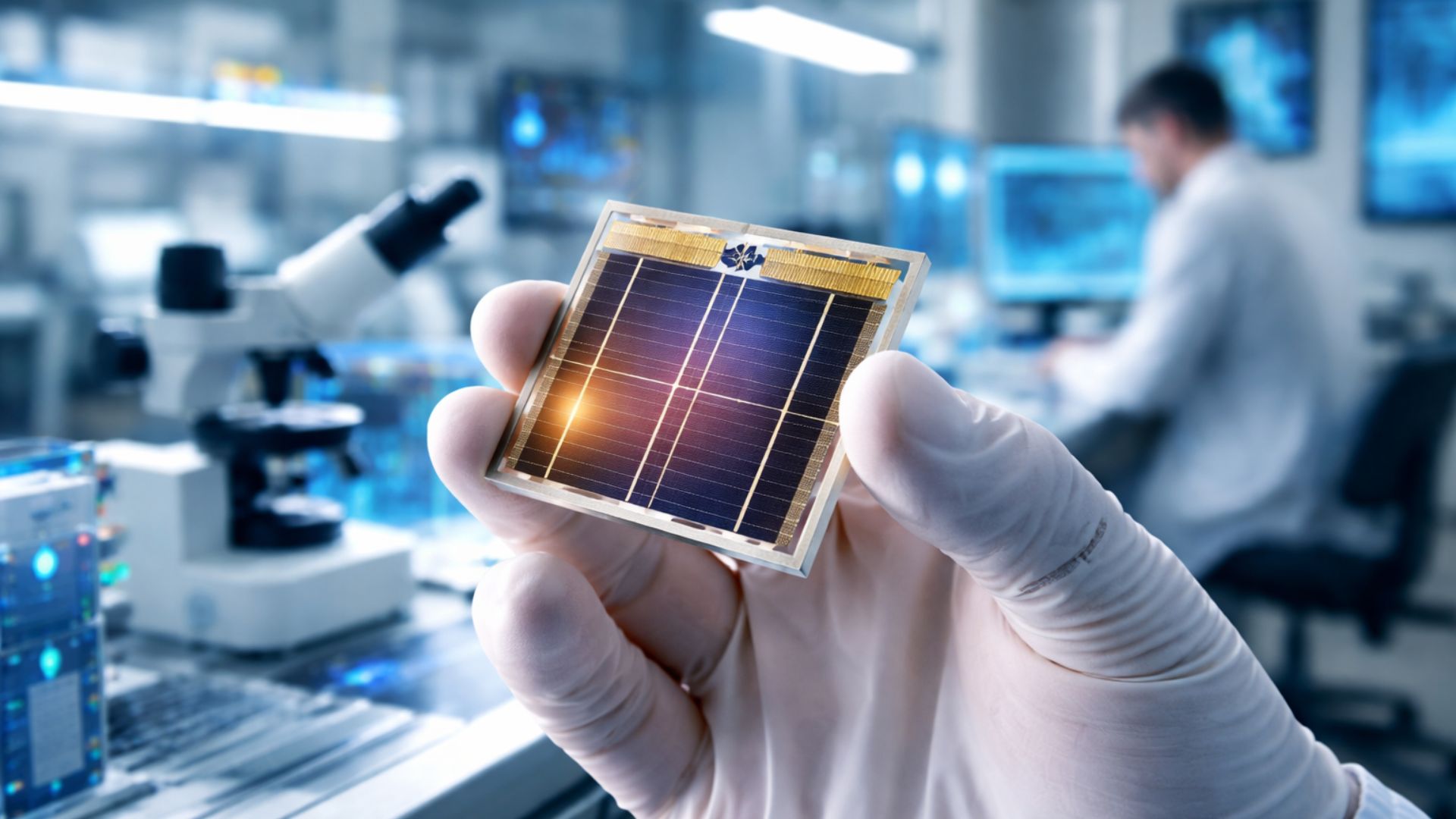
New Solar Cells Set Efficiency Records In Laboratory And Rekindle Debate On The Future Of Photovoltaic Energy. Experts Analyze Real Impacts On Cost, Industrial Scale, And Market Application.
New solar cells capable of achieving records in performance in laboratory have rekindled the debate about the directions of photovoltaic innovation. Although technological advances are impressive and indicate high potential for electricity generation, experts warn that isolated efficiency is not enough to ensure commercial competitiveness.
According to an article published by the Inovação Tecnológica website on March 4, the experience accumulated by the sector shows that only a minority of the technologies that shine in the lab manage to become widely adopted products. Barriers such as manufacturing cost, industrial scalability, material stability, and durability over decades continue to be decisive.
Researchers from the Swiss Federal Laboratories for Materials Science and Technology specifically analyzed this challenge: understanding what is necessary, in both academic and industrial settings, for a new solar cell to compete in the market in the long term. The analysis focused on two of the most promising materials of recent decades: CIGS and perovskite.
-
Roraima bets on the sun to escape high tariffs: Amid the energy crisis and price hikes, solar energy is growing in Roraima and transforming consumption in the North region.

-
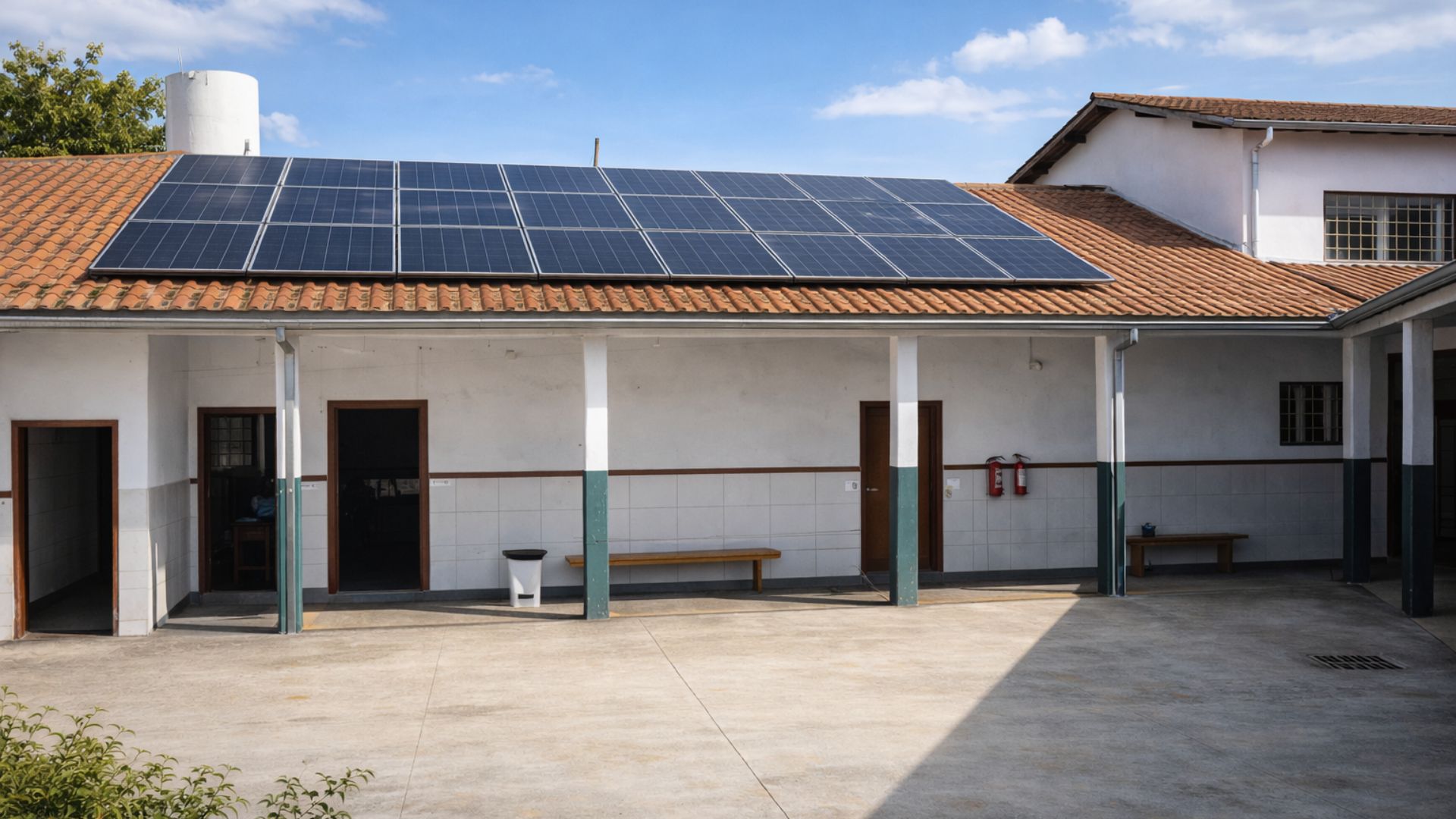
Copel boosts solar energy in Paraná and brings innovation to public schools, promoting savings on electricity bills, energy efficiency, and a direct impact on the quality of education.
-
Brazil reaches historic milestone in solar energy: Sector surpasses 2 million accumulated green jobs and generates billions in the national economy even under market pressure.

-
Minas Gerais takes the lead in renewable energy: State surpasses historic mark of 14 GW in solar energy generation in MG and consolidates dominance in the Brazilian electric sector.


The results reinforce a relevant observation for investors, policymakers, and energy sector professionals: achieving successive records in the laboratory may not provide a real advantage if the technology does not address structural issues of cost and reliability.
Efficiency Records In Laboratory And The Boundary Between Science And Market
Achieving records in the laboratory means that a cell managed to convert a high proportion of incident sunlight into electricity under controlled conditions. These tests follow standardized protocols and represent an important technical milestone.
In recent years, perovskite solar cells have surpassed 25% efficiency in single-junction configurations, while tandem structures—combining silicon and perovskite—have exceeded 30% in experimental environments, according to widely disseminated data from international research centers, such as the National Renewable Energy Laboratory.
However, it is essential to distinguish between cell and module. The cell is the individual device tested in the laboratory. The module is the complete panel installed on rooftops or solar power plants. During the transition to commercial scale, performance losses are common.
Moreover, high efficiency does not compensate for structural failures. If the material degrades quickly or if the production process is too expensive, the percentage gain achieved in the laboratory loses economic relevance.
CIGS: New Solar Cell That Accumulated Records But Faced Industrial Barriers
Copper, indium, and gallium diselenide, known as CIGS, has been considered for years a new solar cell capable of competing with crystalline silicon. In the laboratory, it accumulated efficiency records and received substantial funding from both public and private sectors.
However, the manufacturing process proved to be relatively expensive and complex. The technology required stringent control over material deposition and involved high-cost inputs. When silicon prices fell and its global production gained scale, CIGS lost competitiveness.
The recovery and subsequent reduction in silicon costs solidified this technology as dominant. Currently, more than 90% of the global photovoltaic market is based on silicon, according to the International Energy Agency.
The records obtained in the laboratory did not automatically translate into commercial leadership. Still, CIGS has not disappeared. Researchers point to a resurgence of the technology, especially in specific applications that require lighter and flexible modules.
Perovskite: Record Efficiency In Laboratory And Promise Of Simplified Production
The trajectory of perovskites is often cited as an example of accelerated evolution. In 2009, the first cells had efficiencies below 4%. Just over a decade later, they already exceed 25% in laboratory settings, a remarkable leap for any energy technology.
The main advantage pointed out is the possibility of manufacturing by multiple processes, including roll-to-roll printing. In theory, this would allow costs to be reduced and production simplified on a large scale.
However, the limitations are significant. The material is sensitive to moisture, oxygen, intense radiation, and heat. According to technical analyses, many perovskite cells degrade before even completing long-term laboratory tests. In some cases, they fail before the end of the trials.
For the market, this is a critical barrier. Solar modules need to operate for 20 to 30 years for the investment to be financially viable. Without proven stability over that horizon, record efficiency loses strategic value.


Why Efficiency Alone Does Not Resolve Cost, Scale, And Market Application
The solar industry operates with tight margins and high production volume. What really matters to investors is the leveled cost of energy over the system’s lifespan.
A new solar cell may show superior efficiency in the laboratory, but if it requires expensive equipment, rare materials, or complex processes, its cost per installed watt tends to be high. This reduces competitiveness compared to already established technologies.
Moreover, industrial scalability is a technical and financial challenge. Adapting a lab process to factories that produce gigawatts per year requires standardization, quality control, and billion-dollar investments. Small variations can compromise the uniformity of the modules. The sector’s history shows that efficiency is just one of the variables. Durability, reliability, and predictability are equally decisive.
New Solar Cells And The Lessons From The Laboratory To Avoid Past Mistakes
The analysis conducted by the researchers highlights the importance of learning from past experiences, especially regarding the commercialization of CIGS cells. An excessive focus on efficiency records, according to experts, may divert attention from fundamental aspects.
The recommendation is for the scientific community to concentrate efforts on the resilience, stability, and sustainability of materials. Long-term field tests are also considered essential.
While records in the laboratory generate publications and attract funding in the academic environment, for the industry, it is more important that the product has a long lifespan, is reliable, and can be manufactured in an economically viable way.
Specific Applications May Redefine The Role Of New Solar Cells
Despite the limitations, technologies like CIGS and perovskite do not need to compete directly with silicon in large solar power plants. They can occupy strategic niches.
Lightweight, flexible, and ultrathin cells can be applied in mobile devices, architectural facades, sensors for the Internet of Things, and smart textiles. In these cases, reduced weight and structural adaptability become relevant differentiators. Thus, even if they do not replace silicon on a large scale, these technologies can complement the global energy portfolio.
What Will Really Determine The Future Of Solar Innovation
The recent history of photovoltaic energy demonstrates that a new solar cell may accumulate impressive records in the laboratory and still face significant obstacles to reaching the market.
The case of CIGS highlights how costs and production complexity can hinder a promising technology. The trajectory of perovskites, in turn, shows that rapid efficiency advances need to be accompanied by stability and long-term testing.
High efficiency remains an essential technical indicator. However, cost, industrial scale, durability, and sustainability are factors that determine commercial viability.
For investors and professionals in the sector, following lab records is important, but analyzing the complete set of variables is fundamental. Success does not depend solely on percentage numbers, but rather on the ability to transform scientific innovation into a practical, competitive, and reliable solution over decades.









-

-

-

7 pessoas reagiram a isso.