





 English
  Francês
  Alemão
  Italiano
  Japonês
  Norueguês
  Portuguese
  Spanish
  4 min of reading


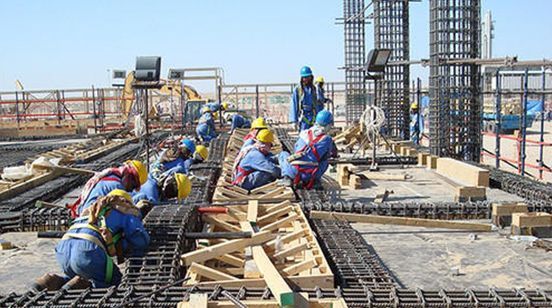
For Maintenance And Job Creation In Various Sectors, The Construction Industry Is Fundamental To Brazil’s Economic Recovery
In Construction, via Eduarda Fabris, Executive Director of Urbe.me – An unprecedented fact, the Brazilian economy has experienced two consecutive years of recession starting in 2015. This was followed by a sluggish growth that, when it seemed to gain some momentum, was traumatically interrupted last March. Projections indicate a GDP decline between 6% and 9% this year. The return to pre-crisis activity levels is only expected for 2023. The most dramatic impact of the economic situation has been unemployment, which rose from 11.6% to 12.9% during the pandemic.
- 2 Thousand Jobs Will Be Created In Espírito Santo Due To The Deactivation Of Oil Fields And Decommissioning Of Platforms
- Vallourec Extends Contracts With Petrobras For Supply Of Products And Services In Brazil’s Pre-Salt
- Subsea 7 Reports A Loss Of US$ 922 Million In Q2 And Projects Cost Reduction Plans
Although these data indicate widespread despair, there are sectors that remain active. Some of them have multiplier effects by influencing numerous chains through their demand for products and services, driving maintenance and job creation in various segments. In this regard, the construction industry is fundamental to economic recovery.
In order to ensure demand for new properties, public banks have been consistently reducing mortgage rates. The impacts of this policy resonate in the Minha Casa Minha Vida program, which, due to a housing deficit exceeding 55 million homes, maintains sales in the popular segment even amidst widespread loss of purchasing power. Some profiles of launches, particularly those aimed at the middle class and high-end segments, also guarantee activity in the sector.
-
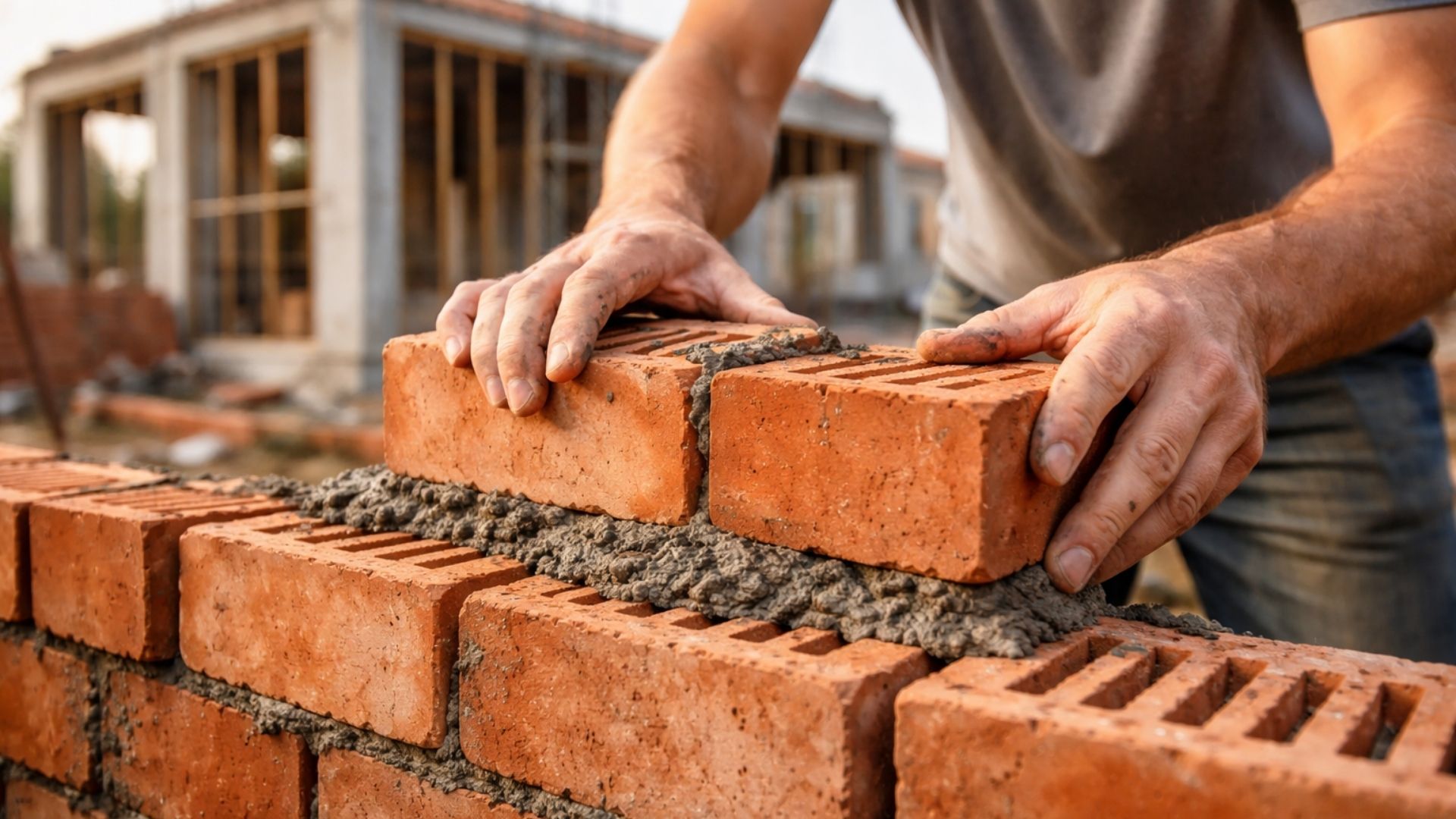
‘Interlocking brick’ made of earth arrives in the construction industry with cost reductions of up to 40% on the project.
-
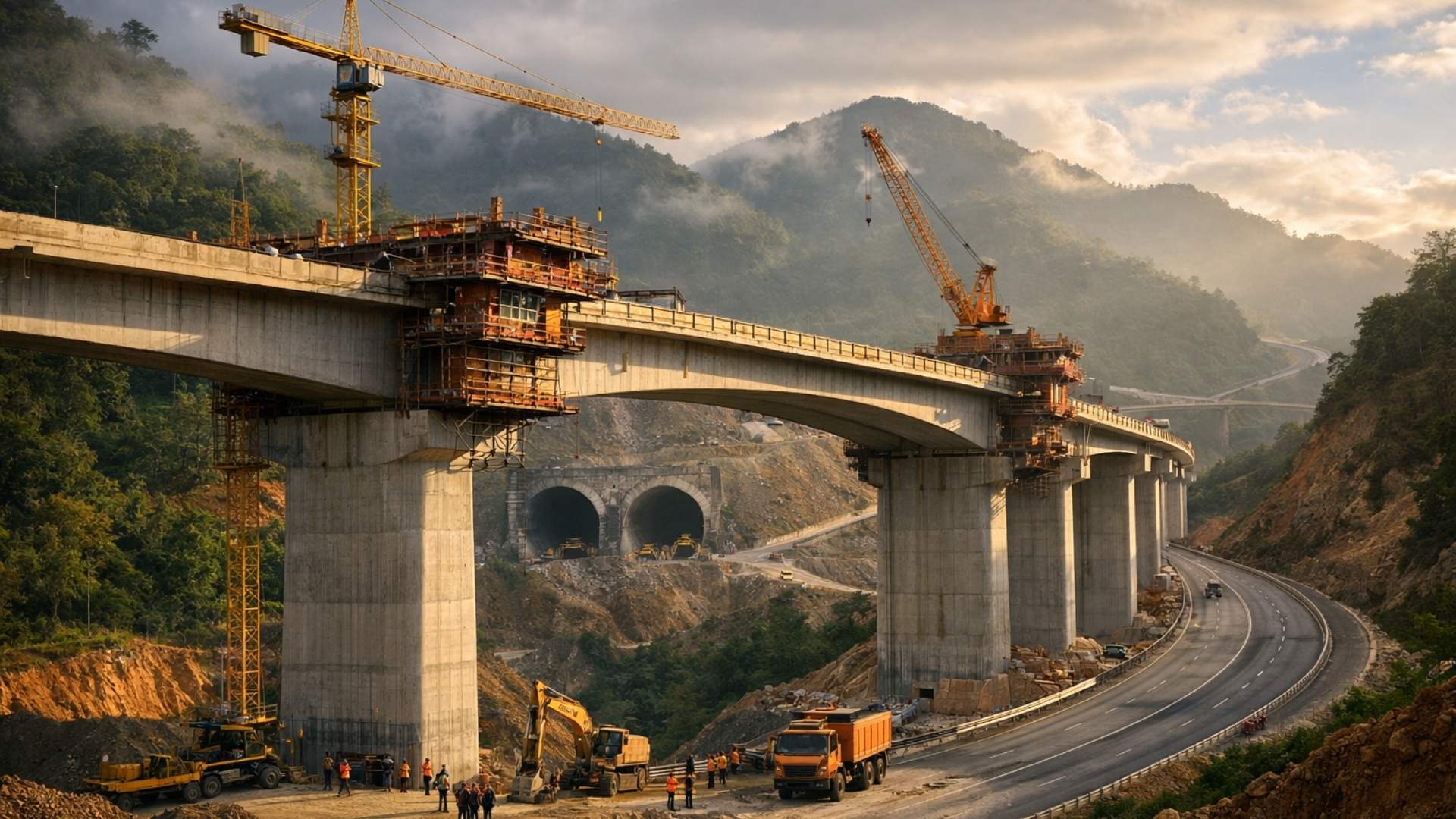
Espírito Santo will receive the largest engineering project in its history with the duplication of BR 262, which will have 50 viaducts, 28 bridges, and 2-kilometer tunnels cutting through the most challenging mountainous region of the entire state.

-
A project of nearly 9 million reais already has the first kilometer paved in Santa Catarina and promises to completely transform the access between Jaraguá do Sul and Rio dos Cedros in an area where tourism is growing at a rapid pace.

-
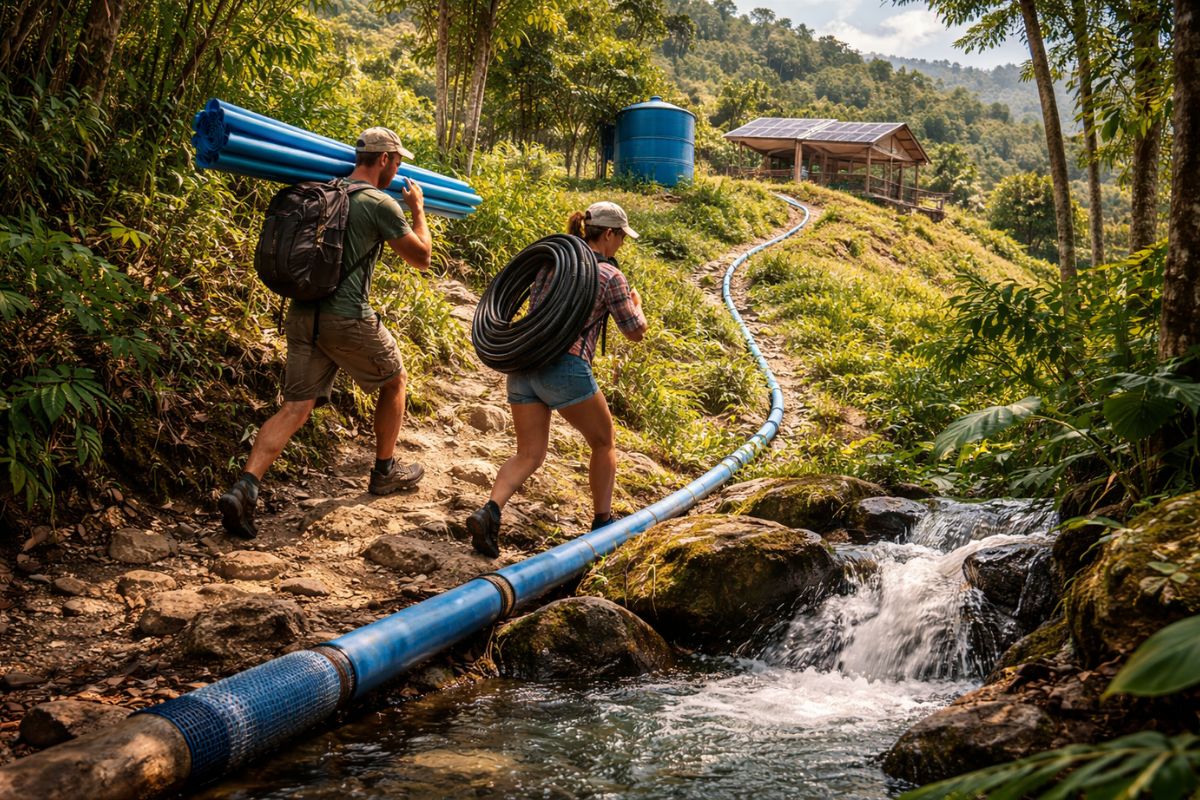
A couple builds a system to bring water from the spring to their land, climbs a hill with materials on their backs, and creates a simple, cheap, and sustainable solution to ensure their own water supply.

However, the industry’s offerings at this moment are basically those that were in stock, sufficient today due to the crisis effects resulting from the pandemic. Even with the current situation leading to a postponement of buying intentions, the construction industry will have to raise new ventures to meet a demand that, although suppressed, will still be present. To do so, it will need new sources of credit. While there are alternatives at the final consumer level, the resources that enable the activity of sector companies – and their consequent multiplier effects in the economy – are becoming scarce.
Innovation Is The Key To The Construction And Works Market
The construction industry is already using innovative ways to finance itself, which, given the current scenario, are likely to multiply, gain scale, and expand in existing modalities. Emerging in the country five years ago, real estate crowdfunding has attracted a growing number of small investors who, seduced by returns of around 15% per year, gather increasing amounts of resources from small contributions to be used by developers in executing their projects. In the country, the model allows individuals to invest, with contributions starting from R$ 1,000, in a significantly profitable segment of financing for the construction industry, previously restricted to qualified investors.
Bank loans to the sector have some of the lowest rates in the market. But they only reach companies as stages of the works are completed. Besides being capital that arrives afterward – covering expenses already incurred – it is restricted to the construction itself. For the financing of activities such as incorporation, documentation, launching, marketing, and others, companies had to necessarily resort to bringing in a partner in exchange for some millions. While this type of investor postpones decisions due to the crisis, crowdfunding is growing as an option.
Although the compensation paid to participants in this modality is among the highest in the market today, it represents a much smaller expenditure than what developers would incur if they relied on traditional sources to finance these stages of their projects. In addition to being a cheaper source of capital, crowdfunding has been essential for developers and construction companies to obtain the necessary bank financing to complete their projects with works already started, especially in a period of credit contraction.
Another alternative in line with the global trend of popularizing collective credit is the commercialization of tokens – virtual shares of an asset validated by shared records in series by various computers. Investments in real estate are already being facilitated by major Brazilian banks in this way. Meanwhile, financing for works through tokenization is an area that fintechs are beginning to explore.
Even in the current crisis, some segments maintain their level of activity, and with the historical low interest rate set, investments in real economy assets are becoming among the most profitable. If the moment is not favorable for large disbursements, these new credit modalities, by allowing excellent returns from small contributions, ensure the influx of capital into the productive sector.







Seja o primeiro a reagir!