





 Português
  Inglês
  Espanhol
  4 min de leitura
  0 comentários


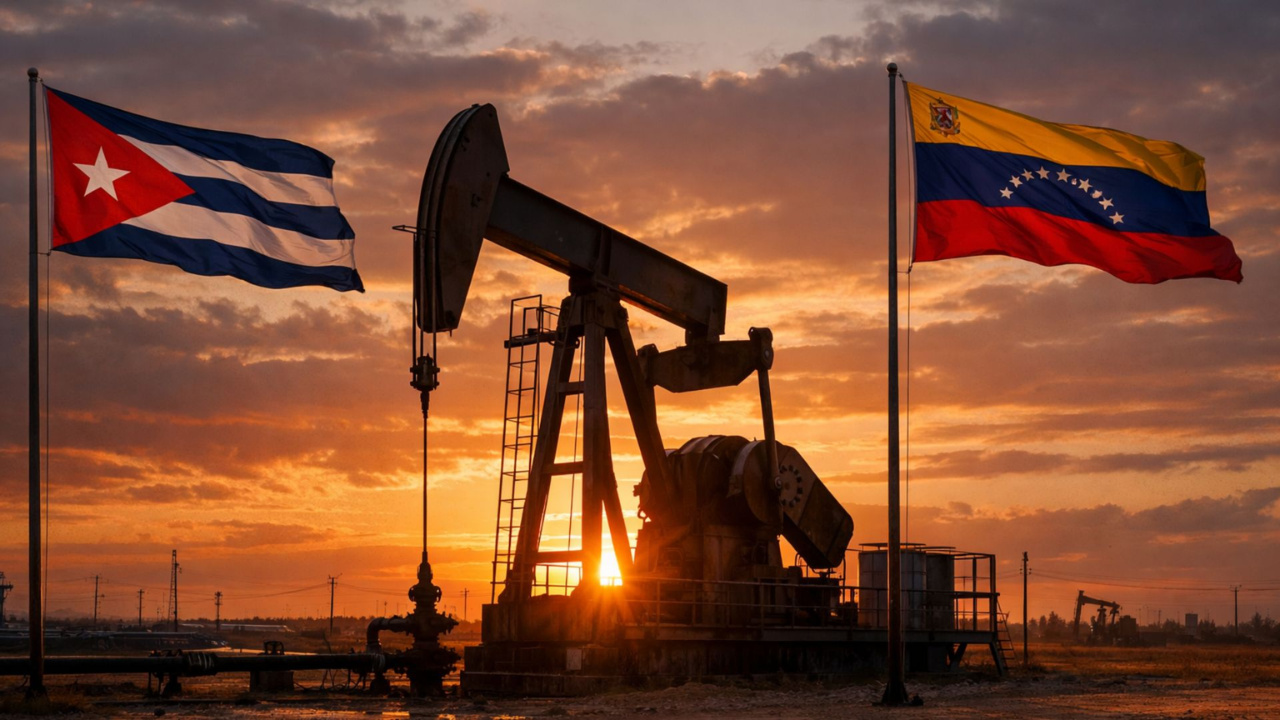
Trump Attacks On Venezuela Interrupt Oil Flow And Aggravate Energy Crisis In Cuba, Increasing Costs, Blackouts And Geopolitical Tensions In The Caribbean.
The phrase “not a drop of oil” has echoed through the halls of power in Washington again. By hardening the offensive against Venezuela, the President of the United States, Donald Trump, has placed Cuba back at the center of a dispute that transcends borders and directly affects the daily lives of millions of people.
Moreover, the impact of the blockade on Venezuelan oil is not limited to the diplomatic plane. On the contrary, it aggravates the island’s energy crisis, expands blackouts and exposes the fragility of a system that still relies on fossil fuel to function.
Although the rhetoric is old, the context is new. The Cuban economy was already facing deep difficulties.
-
Offshore industrial demand in Macaé skyrockets with the recovery of oil and gas and could grow by up to 396% by 2026 in the Campos Basin.
-
Offshore industrial demand in Macaé surges with the recovery of oil and gas and could grow by up to 396% by 2026 in the Campos Basin.
-
Brazilian giant expands borders in the Southeast: Petrobras confirms new oil discovery in ultra-deep waters in the pre-salt of the Campos Basin.

-
Alert in the global energy market: Severe tropical cyclone hits the coast and disrupts gas production at major plants in Australia, threatening global supply.

However, the interruption of one of the main oil flows in the region has made the scenario even more delicate. Thus, energy, which should be a driver of development, has become a tool of political pressure.
The Caracas-Havana Alliance And The Role Of Oil
Since the early 2000s, the relationship between Venezuela and Cuba has been crucial for the island’s stability.
The agreement made by Hugo Chávez and Fidel Castro provided for the sending of Venezuelan oil in exchange for professional services, especially in health and education. This created a non-commercial agreement that ensured fuel during critical moments.
Over time, this pact helped Cuba through periods of scarcity and allowed it to recover after the so-called “special period.”


However, with the intensification of sanctions and attacks against Caracas, this mechanism began to fail. Consequently, the oil, which once flowed regularly, became the target of direct threats.
“Not A Drop More”: The Escalation Of Tensions
In recent weeks, Trump reaffirmed that he would not allow Venezuelan oil to reach the island. The statement was interpreted as another step in the “maximum pressure” strategy.
At another moment, the president even admitted that all possible measures had already been applied, except for military invasion. “I don’t think you can exert much more pressure, other than to go in and destroy the place,” he said.
These words reinforce the dimension of the conflict. It’s not just about economic sanctions. It’s primarily an attempt at energy asphyxiation. As a result, Cuba faces a scenario of constant blackouts, reduced industrial production, and difficulties in supplying essential goods.
Currently, it is estimated that Cuba consumes about 120,000 barrels of oil per day to maintain a minimum functioning of its economy.
However, only one-third of this volume is produced internally. The rest relies on imports. Among the main suppliers are Venezuela, Mexico, and Russia.
In 2025, studies indicate that Caracas sent between 27,000 and 35,000 barrels daily to the island, equivalent to approximately 30% of Cuban consumption. Therefore, any interruption in this flow causes an immediate impact.
Additionally, the lack of foreign currency makes it almost impossible to quickly replace this volume in the international market.
Blackouts, Costs And Trade Blockade
Power cuts have become part of daily life. Homes, hospitals, and industries suffer from instability. At the same time, the blockade imposed by the United States raises the costs of imports.
Companies that trade with Cuba and ships that transport oil are subject to sanctions. As a result, the country pays up to three times more than the international price for fuel.
This increase in costs deepens the crisis. Electricity, essential for production and daily life, becomes increasingly scarce.
Thus, oil ceases to be just an energy resource and becomes a central element in geopolitical disputes.
Energy Transition: Hope Still Distant
In recent years, Cuba has started an energy transition process with the installation of photovoltaic parks.
The idea is to reduce dependence on oil and diversify the energy matrix. However, about 90% of electricity still comes from fossil fuels. In other words, the change is slow, costly, and insufficient to compensate for the loss of Venezuelan supply.
Therefore, while renewable energy is growing, oil remains vital. And in this context, Trump’s threats serve as a trigger for an even deeper crisis.
Do you believe that using oil as a political weapon can change the balance of power in the region or merely worsen the lives of those already suffering from the crisis?









Seja o primeiro a reagir!