





 Portuguese
  English
  Spanish
  3 min of reading
  2 comments


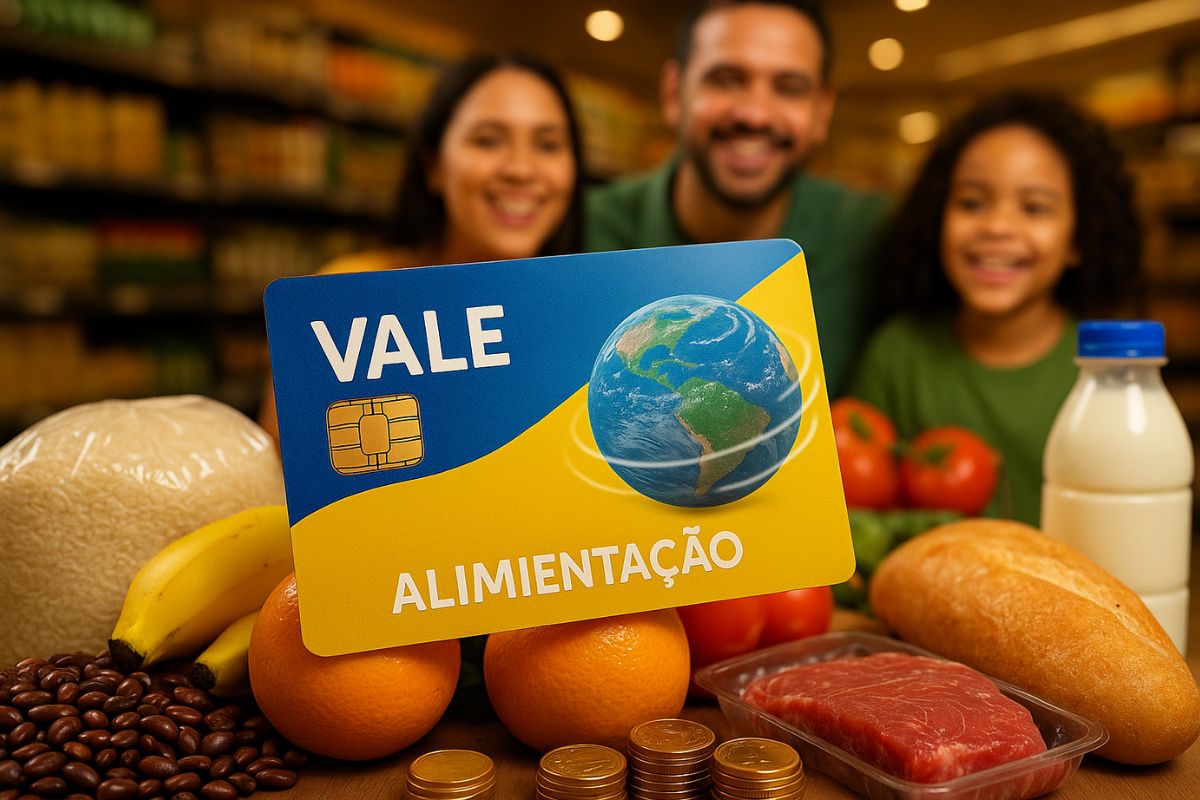


The New Rules of Food and Meal Vouchers May Allow the Use of Benefits in Any Food Business, Not Just in Authorized Places, a Change That Could Redirect Billions of Reais Per Year in Consumption by Brazilians.
The new rules for food vouchers come into effect in 2025 and promise to transform how millions of workers use the benefit. According to FDR’s portal, the measure allows the balance to be used in any food business, not just in authorized establishments, which could redirect billions of reais in annual consumption by Brazilians.
This change represents a break from the model that has been in place for decades, where only registered chains and points could accept the benefit.
Now, workers will have the freedom to buy from neighborhood grocery stores to open markets, strengthening the local economy and reducing concentration in large chains.
-
Unemployment rises again to 5.8% at the beginning of 2026, raising alarms about the end of temporary positions and its impact on the Brazilian job market.

-
Document organization can cut invisible costs in small businesses, a simple step that prevents waste, rework, and losses in daily operations.

-
Chinese giant worth nearly R$ 4 billion that manufactures cables for electric cars, solar energy, and robotics wants to open a factory in SC.

-
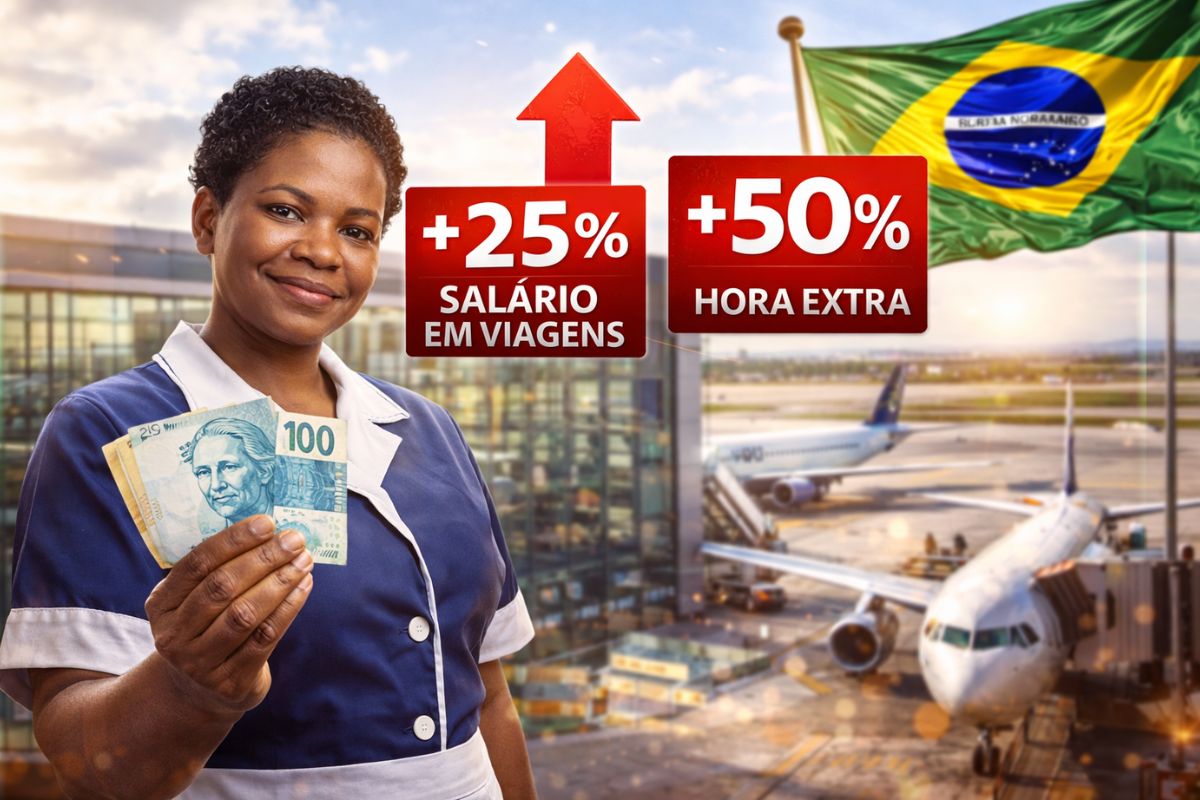
Many employers do not know, but the law guarantees domestic workers a 25% increase in salary during trips, 50% for overtime, 20% for night shifts, and 17 additional benefits that can lead to labor lawsuits if not paid.

What Changes with the New Food Voucher Rules
According to FDR, the government’s proposal was discussed with labor unions and employer organizations.
With the new rule, any business that sells food will be able to accept the benefit, without the need to be linked to specific card brands.
This flexibility also directly affects financial operators, who historically charged high fees to merchants.
The end of exclusivity should increase competitiveness and force a reorganization of the sector.
Direct Benefits for Workers
The main achievement is the freedom of choice.
Workers will be able to use the balance at closer and more convenient establishments, without depending on the authorized network.
This is especially relevant in peripheral areas or small towns, where often there were no options for authorized supermarkets.
Another point is the appreciation of the benefit. Businesses competing directly for consumption via food vouchers can create promotions and more affordable prices, increasing workers’ purchasing power.
Impacts for Merchants
For small businesses, this change opens an unprecedented opportunity. Grocery stores, butcher shops, markets, and convenience stores will be able to increase sales by accepting food vouchers.
This movement could boost local economies and create new jobs.
On the other hand, there are challenges. Merchants will need to invest in compatible payment systems and deal with fees that may still be charged by operators.
According to FDR, this is one of the points that most concerns the sector, as it could reduce profit margins in smaller businesses.
Risks and Points of Attention
Despite the positive impact, experts consulted by FDR emphasize that strict regulation will be necessary to avoid distortions.
The risk of the benefit being diverted for purposes other than food still worries the government and control entities.
In addition, financial operators are pressuring to maintain fee charges, which could reduce some of the promised advantages.
The balance between freedom of use and protection of the original purpose of the voucher will be the main challenge of this transition.
Economic Consequences
The Ministry of Labor estimates that over R$ 100 billion per year circulates solely in food benefits in Brazil.
With the opening of the rules, this money tends to be redistributed more evenly, reaching small merchants who previously did not participate in this market.
For FDR, this change could strengthen local communities, decentralize consumption, and reduce the concentrated power of large chains, generating a direct impact on the dynamics of the national economy.
The new food voucher rules represent one of the biggest changes to the Worker’s Food Program since its inception in 1976.
Workers gain autonomy, small merchants gain market, but it will be necessary to closely monitor to ensure that the benefit continues to fulfill its purpose: guaranteeing quality food for millions of Brazilians.
And you, do you believe that the new food voucher rules will really strengthen small businesses and increase access for workers, or do you fear that the benefit will end up being diverted from its purpose?
Leave your opinion in the comments — we want to hear from those who live this reality in practice.









Foi uma decisão certa do governo
Já existe a venda de vale refeição não existe sistema que não possa ser burlado sempre haverá um jeito e sim acredito em uma pequena vantagem para pequenos comércio fortalecendo assim o comércio local.