





 Portuguese
  English
  Spanish
  5 min of reading
  0 comments



The Brazilian Government Prioritizes the Rural Area With the New Rio Doce Agreement, Investing in Family Farming, Sustainability, Employment, and Income in the Communities Affected by the Mariana Tragedy
The New Rio Doce Agreement marks a historic turning point in the reconstruction of the Brazilian countryside, according to a report published.
Under the direction of President Luiz Inácio Lula da Silva, the Brazilian Government has been directing strategic actions that strengthen family farming, promote sustainable development, and expand social inclusion in regions affected by the collapse of the Fundão dam, which occurred a decade ago in Mariana (MG).
The impact of these measures is felt by over 2.5 million people in 49 municipalities in Minas Gerais and Espírito Santo.
-
Alone, the producer applies 7,400 hectares with the T100 drone in an optimized structure, replaces the generator with a silent battery, and demonstrates how technology reduces costs, increases productivity, and even challenges the uniport in the field.

-
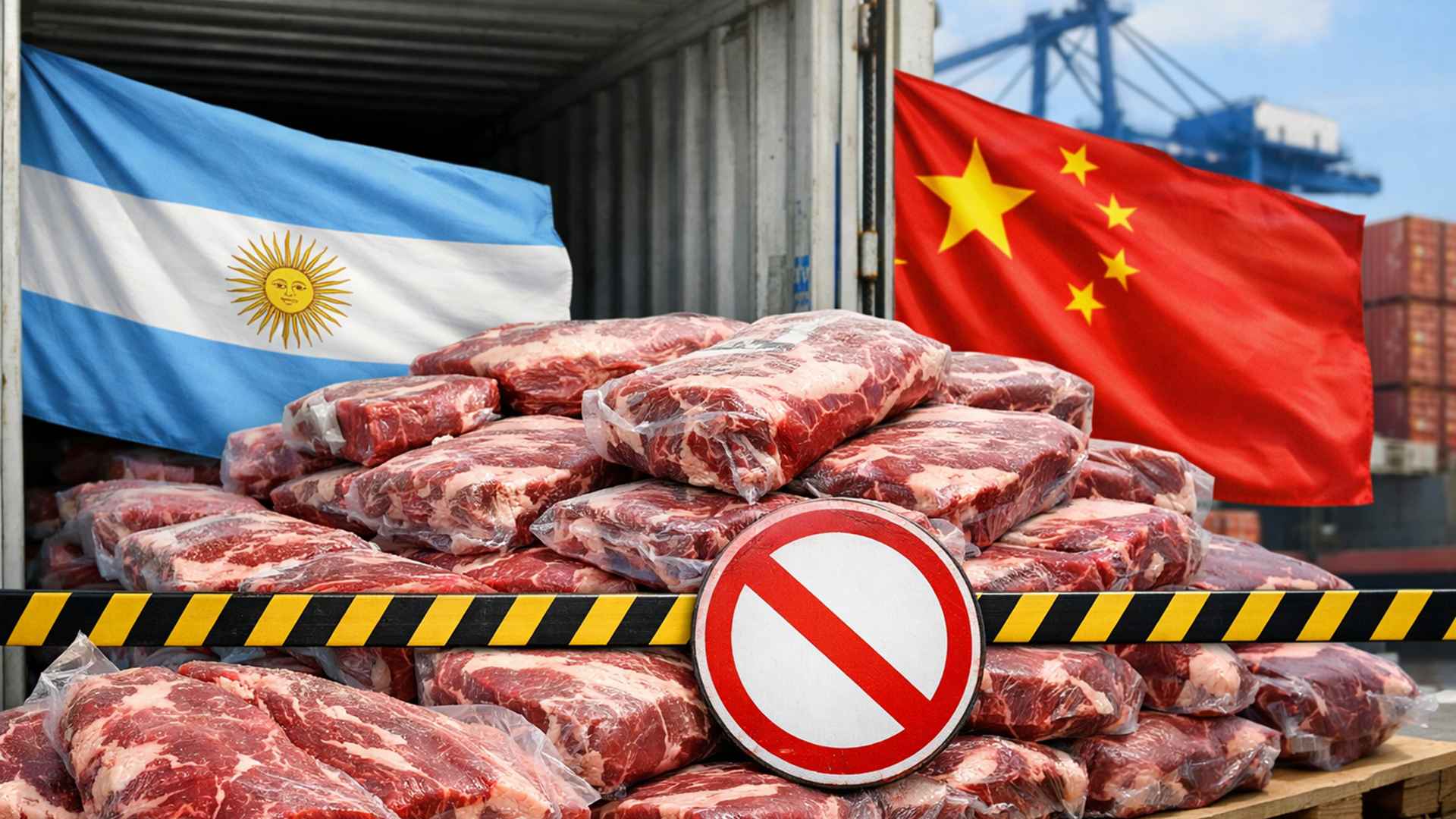
China banned the export of 22 tons of meat from Argentina.
-
JBS, founded by the Batista brothers, continues to conquer the world: entrepreneurs built a ‘factory in the desert’ creating 3,000 jobs.

-
With only 1% of Brazil’s territory, Santa Catarina has built one of the most competitive industrial parks in the country, with 64,000 companies, nearly 1 million jobs, and a growth rate of 5.3% while the national industry is practically stagnant.


With an investment of R$ 4.8 billion over 20 years, the agreement prioritizes the rural area through four fundamental programs: support for indigenous peoples, quilombolas, and traditional communities; the Rural Income Transfer Program (PTR Rural); the Economic Recovery Program – Rural Axis; and the hiring of Independent Technical Consultancies (ATI).
This initiative represents a collective effort for environmental repair and productive strengthening, combining technology, governance, and popular participation.
Family Farming and Income Transfer Strengthen Rural Communities
One of the most advanced pillars of the New Rio Doce Agreement is the Income Transfer Program – PTR Rural, which ensures financial stability to 13,700 farming families in 40 municipalities in Minas Gerais and Espírito Santo.
Each beneficiary receives 1.5 minimum wages per month for 36 months and one minimum wage for an additional 12 months, totaling 48 months of direct support.
Since July, with the payment of the fifth installment, R$ 157 million has already been transferred through the Caixa Econômica Federal.
New beneficiaries continue to be included as resources are analyzed on the Anater portal.
This injection of income has been reactivating local economies and ensuring the livelihoods of families that lost their sources of work after the disaster.
Additionally, the program stimulates regional consumption, the circulation of resources, and the retention of people in the countryside, essential factors for the vitality of family farming and the economic rebalancing of the affected communities.
Sustainable Development and Rural Economic Recovery Structure the Productive Future
The New Rio Doce Agreement also underpins the Economic Recovery Program – Rural Axis, which aims to rebuild the productive and social bases of the Rio Doce basin.
The strategy relies on four main pillars: productive structuring, supply and marketing, socioterritorial development, and informational dignity.
In the first two years, ten structuring projects will be implemented, including initiatives such as Productive Forests and Barraginhas, Land Regularization, Cooperative Mechanization, Productive Backyards, and the Rural Social Education Program.
Three projects already approved by the Rio Doce Committee: Sustainable Rio Doce, Pró-Doce, and Economic and Agroecological Recovery, will initiate concrete actions between 2025 and 2026.
The Sustainable Rio Doce project will last 10 years and aims to regularize 40,000 rural properties, ensuring access to credit and land security.
The Pró-Doce will operate for four years in more than 16,000 properties, focusing on soil monitoring and productive quality.
The Economic and Agroecological Recovery Project for Settlements will serve 52 agrarian reform settlements.
These efforts, executed in partnership with UFMG and UFES, consolidate a sustainable development model, generating income and technical training.
Environmental Repair and Technical Consultancies Expand Social Participation
Another essential axis of the New Rio Doce Agreement is the guarantee of technical and social monitoring through Independent Technical Consultancies (ATI).
These institutions provide impartial guidance to communities on the execution of the measures outlined in the agreement, strengthening social control and the transparency of the process.
The Rio Doce Management Committee approved a budget of R$ 698 million, with R$ 500 million allocated for the hiring of ATIs in 18 territories and R$ 198 million directed towards quilombola, indigenous, garimpeiro, and faiscador territories.
Two ATIs: Aedas, in Barra Longa, and Cáritas, in Mariana, are already operational. The Association of Traditional Garimpeiros and Faiscadores of Alto Rio Doce (AGITA) has been chosen to represent the faiscadores and is in the final hiring phase.
By the end of November, another 16 consultancies are expected to be contracted to ensure coverage of all territories.
Furthermore, indigenous peoples, quilombolas, and traditional communities will receive support through coordinated actions between the Ministry of Indigenous Peoples, the Ministry of Racial Equality, and MDA/Anater.
In Minas Gerais, 2,900 family units of garimpeiros and faiscadores have already benefited from R$ 163.5 million in emergency aid paid by Samarco.
These initiatives complement the Free, Prior, and Informed Consultation, provided for in ILO Convention 169, which will be conducted with support from Ipead/UFMG, allowing communities to express their opinions on the shared management of their territories.
Social participation and popular control, pillars of modern governance, are fundamental guarantees for the effectiveness of environmental repair actions and community strengthening.
Integrated Management and Institutional Commitment
The New Rio Doce Agreement brings together investments of R$ 170 billion over 20 years.
Of this total, R$ 100 billion is under the management of the Brazilian Government, states, and municipalities, while R$ 70 billion remains the responsibility of the companies Samarco, Vale, and BHP Billiton.
Public execution involves 17 ministries and five federal agencies, as well as public ministries and defenders.
The aim is to ensure that every real invested results in concrete reparation, job creation, environmental protection, and the restoration of dignity for the affected families.
With actions aimed at socioeconomic recovery, land regularization, reforestation, technical training, and access to income, the government reaffirms its commitment to reconstructing the countryside with social justice and sustainability.
Thus, the New Rio Doce Agreement solidifies itself as a landmark in the recent history of the country, uniting development, reparation, and inclusion in a single purpose.








Seja o primeiro a reagir!