





 English
  Francês
  Alemão
  Italiano
  Japonês
  Norueguês
  Portuguese
  Spanish
  3 min of reading


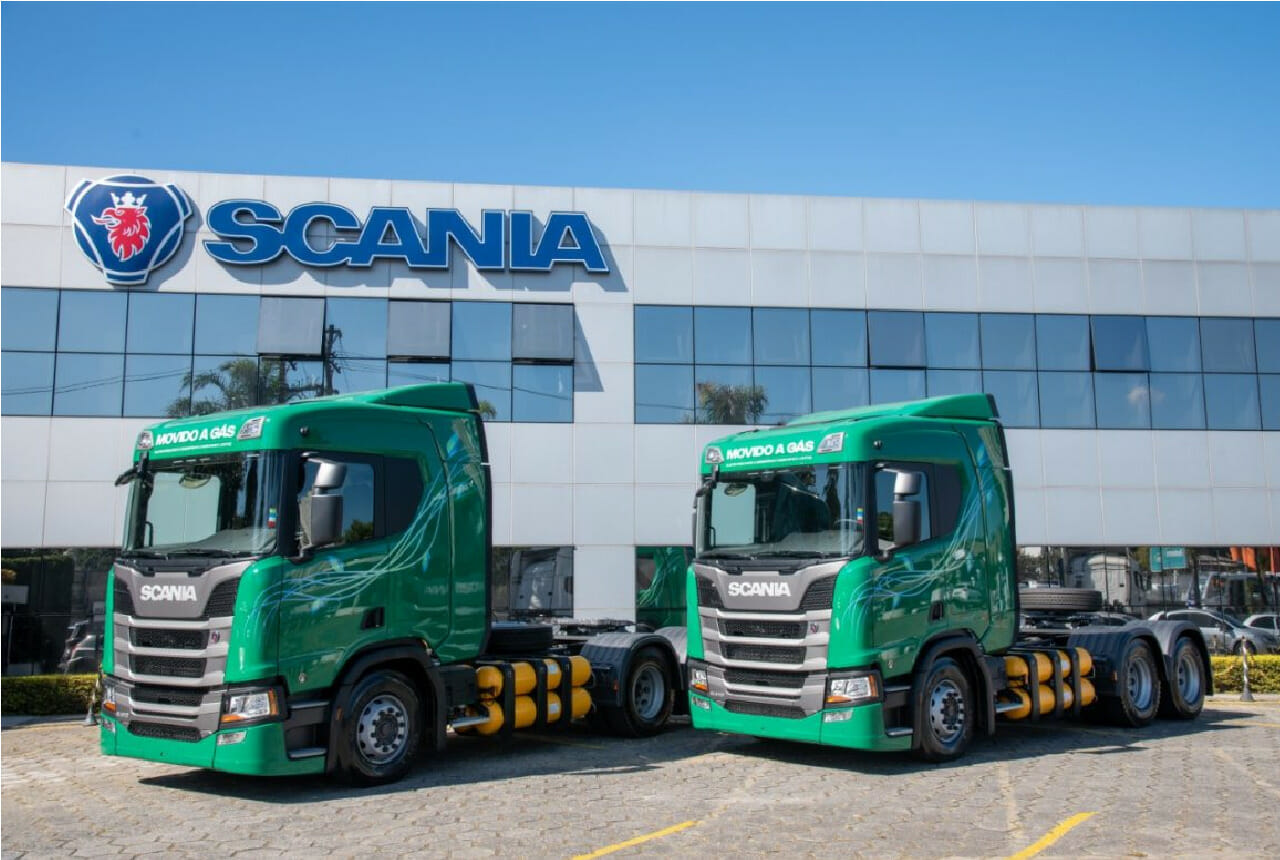
The New Scania Truck Features Exclusive Technology Developed on Brazilian Soil and Impressive Range
Scania, a leading company in the transition to a more sustainable transport sector, has just announced the launch of a pioneering technology project in Brazil: the Scania X-gas, the first truck in the country with a range of 900 km powered by compressed natural gas and/or biomethane. Furthermore, the company also confirmed that in 2024, an additional technology option will be introduced for the gas vehicle family: the 460 horsepower engine. The company also confirmed that throughout 2024, another option will be launched for the gas family: the 460 horsepower engine, according to PetroNotícias.
Marcelo Gallao, director of Business Development at Scania Commercial Operations Brazil, emphasized that the technology of the Scania X-gas is a source of pride for the brand’s Brazilian engineering and a project aimed at changing the profile of transport to make it more sustainable in the country. “We are already succeeding with the 410hp gas models, sold since 2019. Starting in the last quarter of the year, this new model with technology will be available for sale, following all homologation regulations. But from now on, we can already accept orders,” he stated.
The New Scania Truck
The Scania X-gas is a model with G 410 8×2 technology, featuring a rigid chassis. Its engine has 410 horsepower and develops a torque of 2,000 Nm, making it the most powerful engine in this 8×2 category. With a wheelbase of 6,950 mm, the vehicle can accommodate 16 gas cylinders, eight on each side, along the chassis. There are eight cylinders with a capacity of 118 liters and another eight with 95 liters.
-
Engineers propose a fourth traffic light for intersections – the change promises to affect crossings, queues, and waiting times.

-
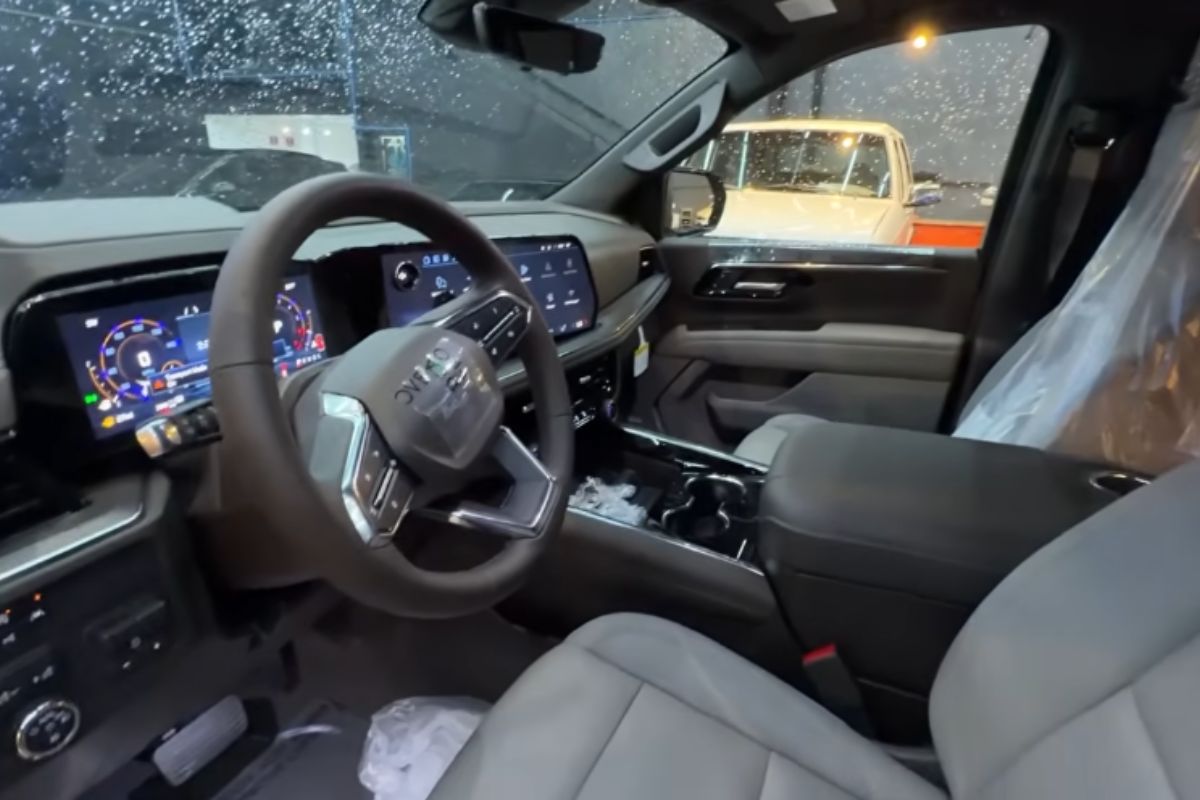
Chevrolet Suburban Z71 lands in Brazil with a V8 engine, off-road design, air suspension, seven seats, and colossal size, a rare version imported for around R$ 1.3 million with luxury and exclusivity.
-
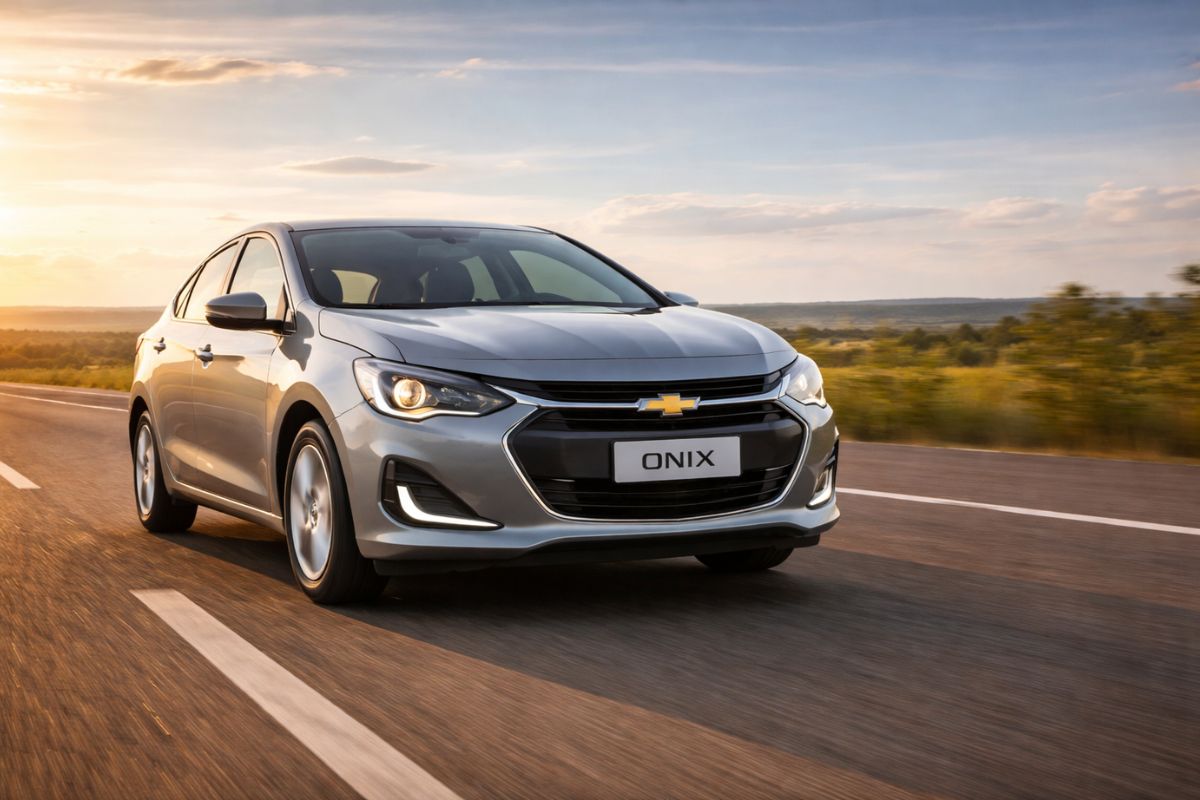
The Chevrolet Onix 1.0 turbo achieves 17.7 km per liter on the highway and ranks among the three most economical cars in Brazil in 2026, alongside two more expensive Toyota hybrids available at dealerships.
-
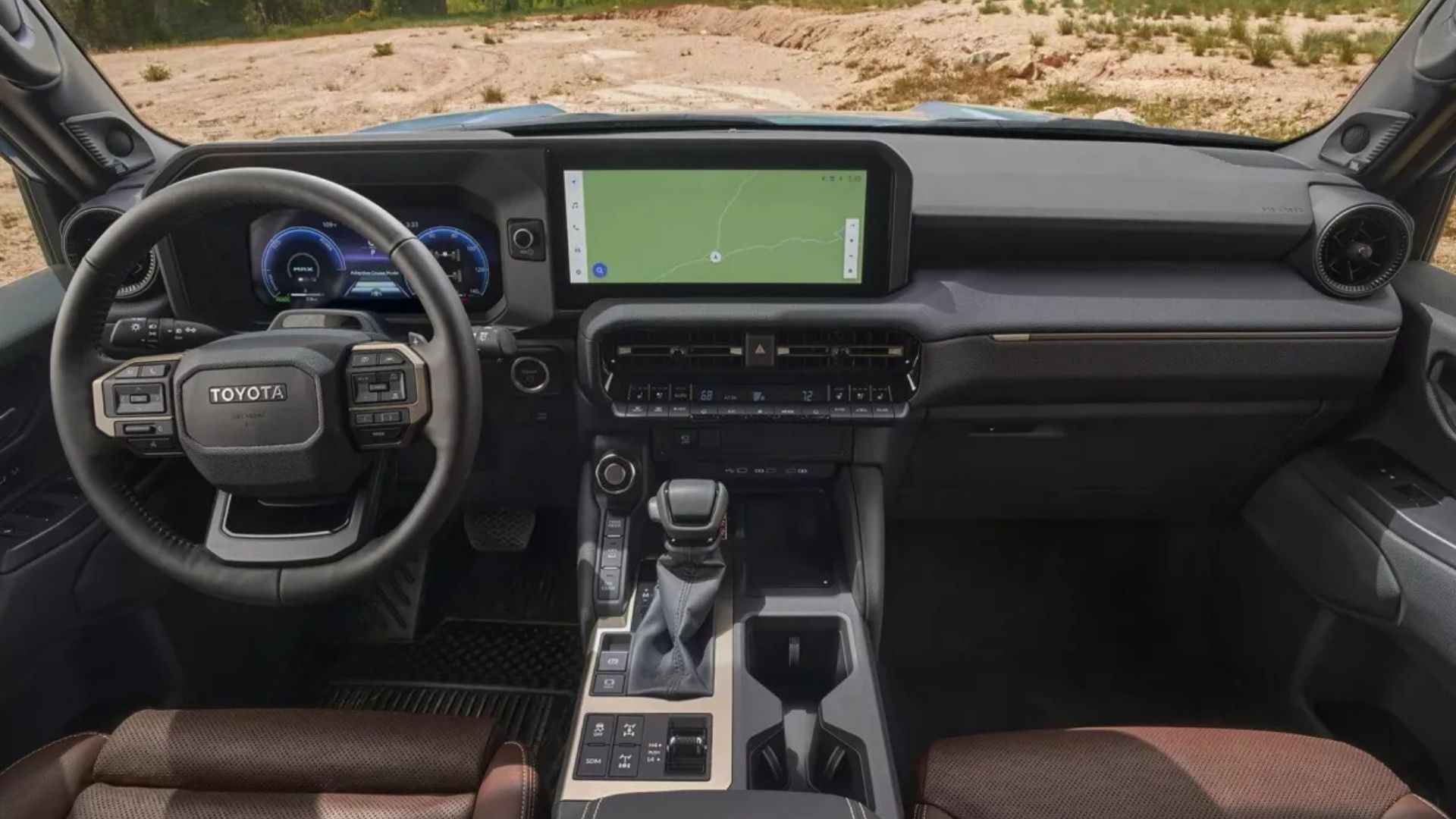
Little sister of the Hilux: Toyota launches Land Cruiser FJ with 4 radical versions, 2.7 engine with 166 hp and 4×4 traction with locking.

The total volume supports 406 cubic meters of gas, allowing the vehicle to travel approximately 900 km. The truck has a capacity to transport up to 30 pallets, complying with current laws, with implements of the Romeu and Julieta type (trucked truck (6×2) plus a trailer) – with a capacity of up to 56 tons – or in the 8×2 wheel configuration with 29 tons of gross combined weight (PBTC).
Gallao also noted that since the launch of the gas-powered line, the company has been receiving customer requests for an option with greater range. “That moment is coming. They were also asking for a solution with these characteristics to operate on longer routes and gain more flexibility in refueling, as the gas supply is advancing each year. The biomethane supply chain, a 100% sustainable fuel, is also expanding, albeit at a slower pace. Scania was the first to drive this trend and has remained a leader since 2014, attracting more and more partnerships with customers, shippers, public authorities, distributors, and gas and biomethane producers,” he declared.
More Sustainable Transport
Scania is committed to leading the transition to a more sustainable and technologically advanced transport system. According to the company, electric vehicles are the future, but the shift from diesel mode should involve gas solutions as an intermediary, following Europe’s example.
In Brazil, Scania is a pioneer in introducing trucks powered by compressed natural gas (CNG) or liquefied natural gas (LNG) and/or biomethane, having sold 750 models since 2019. The engines have been Euro 6 compliant since the arrival of the New Generation in the country in 2018. Scania gas trucks feature Otto cycle engines (the same concept as automobiles), run 100% on natural gas and/or biomethane, or a mixture of both, without being converted from diesel to gas. They come with factory warranties, reliable technology, and consistent performance, offering power similar to diesel.





Seja o primeiro a reagir!