





 Portuguese
  English
  Spanish
  5 min of reading
  38 comments


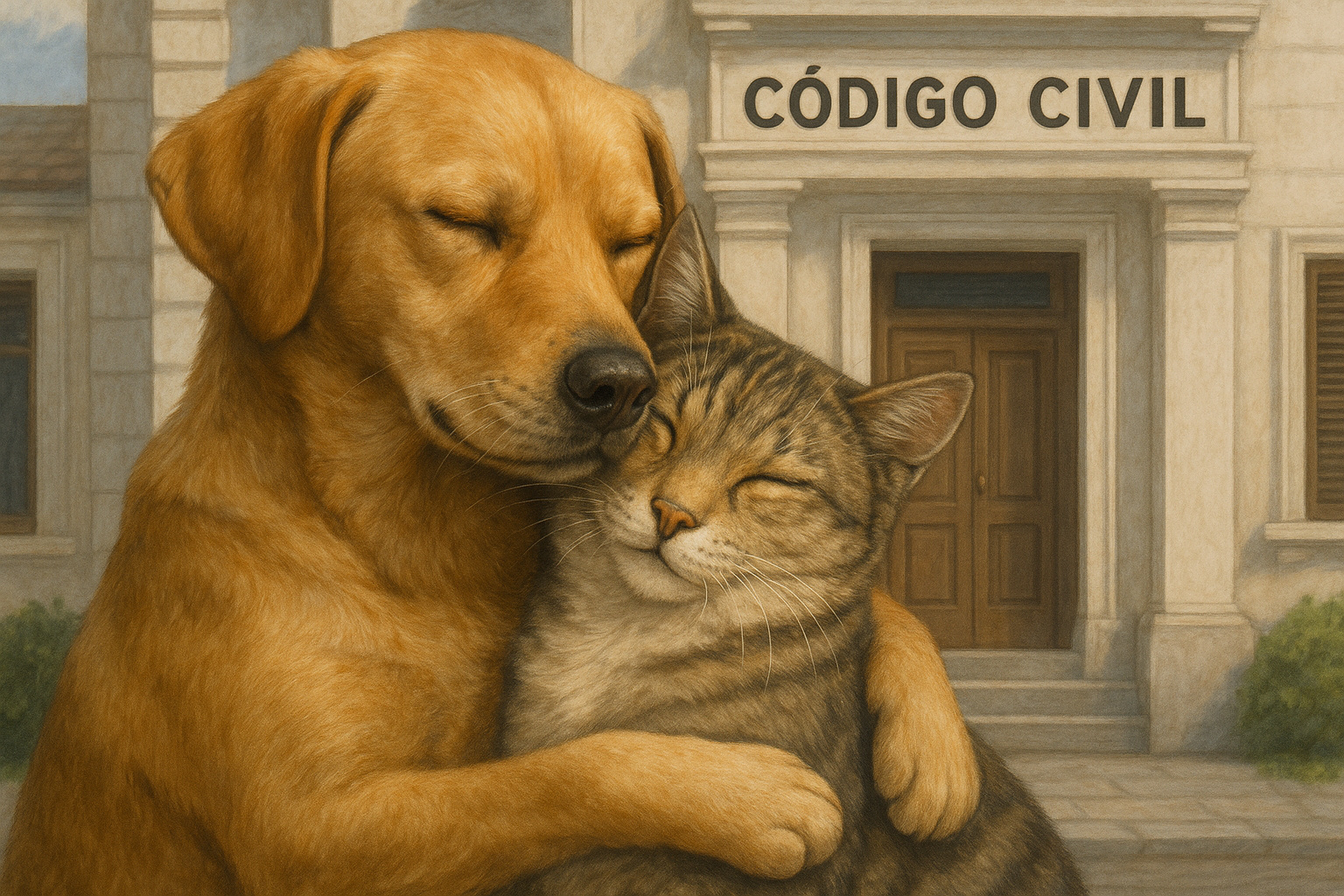


For The First Time, Brazil May Take A Historic Step By No Longer Treating Animals As Mere Objects, Granting Them Status As Sentient Beings With Their Own Legal Protection, Which Will Directly Impact Marital Separations, Compensation, Inheritances, And Even The Way The Judiciary Sees The Welfare Of Pets
Did you know that the new Civil Code of 2025 may radically change the way animals are viewed by Brazilian legislation? For the first time, dogs, cats, and even wild species may be recognized as sentient beings, meaning capable of feeling pain, pleasure, fear, affection, and emotions. This transformation stops considering animals as mere movable goods — like houses or cars — and opens the way for unprecedented legal protection in the country.
Currently, the Civil Code of 2002 classifies animals as “property without movement.” In practice, this means that under the law they are treated only as someone’s property. Although there are laws that punish mistreatment — such as the Environmental Crimes Law and the so-called Sanction Law (Law No. 14,064 of 2020), which increased the penalty for cruelty against dogs and cats — animals still do not have rights of their own in civil matters.
The Bill No. 4 of 2025 aims to change this reality by legally acknowledging the sentience of animals. This means acknowledging that they feel, suffer, relate, and therefore deserve protection that independently of human will.
-
The Senate approves a bill that criminalizes misogyny, hatred, or aversion towards women, and includes the crime in the Racism Law with a penalty of up to 5 years.

-
Chamber Approves Bill That Allows Pepper Spray for Women Over 16 and Imposes Strict Rules for Purchase, Possession, and Use as Self-Defense

-
Chamber Approves Law to Combat Leucaena, Fast-Growing Plant That Dominates Land and Threatens Native Species in Various Regions of the Country

-
Asset Division: Know What Cannot Be Divided in Case of Divorce


How The Change May Impact Society
If this change is approved, the impact will be enormous in various areas of the legal system. In cases of separation or divorce, for example, the custody of pets could be discussed in court based on the animal’s welfare, rather than just the idea of ownership.
Additionally, compensation claims for damages suffered by animals — such as traffic accidents, veterinary negligence, or assaults — could take into account both the suffering of the animal and the emotional bond with the owner.
The change would also affect wills and inheritances. Today, animals can only be mentioned in succession documents as property. With the new legal status, it will be possible to discuss, for example, who will keep an animal after the owner’s death, considering their quality of life.
Another important reflection is on civil liability in cases of cruelty or negligence. If approved, the bill will open the door for harsher penalties and the recognition of new fundamental rights for animals, such as access to basic care, respect for physical integrity, and prohibition of cruel practices.
Civilizational Advance and International Trends
Jurists and animal rights advocates consider the proposal a true civilizational advance. For them, denying sentience no longer makes sense in light of scientific evidence that many animals have complex nervous systems capable of feeling pain, joy, and forming social bonds.
According to information released by the Getulio Vargas Foundation (FGV) during a recent seminar, professor Maria Lúcia Gatti emphasized that the reform is inevitable and necessary. The proposal also brings Brazil closer to countries that have already taken this step, such as:
- France – stopped classifying animals as movable goods, recognizing them as sentient beings.
- Germany – expressly included the protection of animals in the Constitution as a duty of the State.
- Portugal – already has judicial decisions regulating shared custody of pets, as if they were children.
- Spain – established an intermediate category for animals, not human, but subjects of legal consideration.
This alignment with international standards demonstrates that Brazil is part of a global trend towards the legal humanization of animals.

Criticism and Challenges of The New Civil Code
Despite the enthusiasm of advocates, the change brings legal and social challenges. Experts point out that a simple change in the Civil Code may create legal uncertainty, as it will also need to adjust the Penal Code, the Civil Procedure Code, and even the Law on Penal Executions.
Another sensitive point is the definition of the species that will have sentient status. Will only dogs and cats receive this recognition? Or will wild and production animals, such as cattle, chickens, and fish, also be included? This uncertainty opens the door for intense debates.
Jurists like Paulo Tavares argue that recognition should be made gradually, with specific regulations to avoid contradictions and excess litigation. After all, without an adequate structure, the Judiciary may become overwhelmed with disputes involving animals, from custody issues to compensation claims.
Possible Cultural and Economic Impacts
There are also concerns about the impact of the reform on cultural and commercial practices. Popular festivals that use animals, scientific research, and even slaughter for human consumption are on the radar. How to reconcile traditions, economic needs, and legal protection for animals?
In countries like France and Spain, the solution was to create an intermediate category for animals, ensuring rights without equating them entirely with people. In Portugal, judicial decisions advanced to recognize shared custody of pets, showing that practical implementation can vary significantly according to the legal culture of each nation.
In Brazil, these discussions are expected to gain space in the coming years, should the reform be approved. The challenge will be to reconcile science, ethics, economics, and culture in a new balance.
What Changes For You If You Have A Pet
If you have a dog or cat at home, the change may directly affect your life. In cases of marital separation, for instance, the judge may decide custody considering the welfare of the animal. In cases of mistreatment or accidents, the calculation of compensation may take into account the animal’s suffering and the emotional bond with the owner.
Furthermore, delicate decisions such as euthanasia, surgeries, or treatments may be better regulated, respecting the condition of sentient beings. This means greater legal certainty for owners and greater legal protection for animals.
This global trend to recognize animals as beings with feelings shows that the law is evolving to keep pace with social consciousness. As emphasized in the FGV seminar, this is not just a technical adjustment, but a symbolic recognition that non-human life also matters.
A New Legal Paradigm
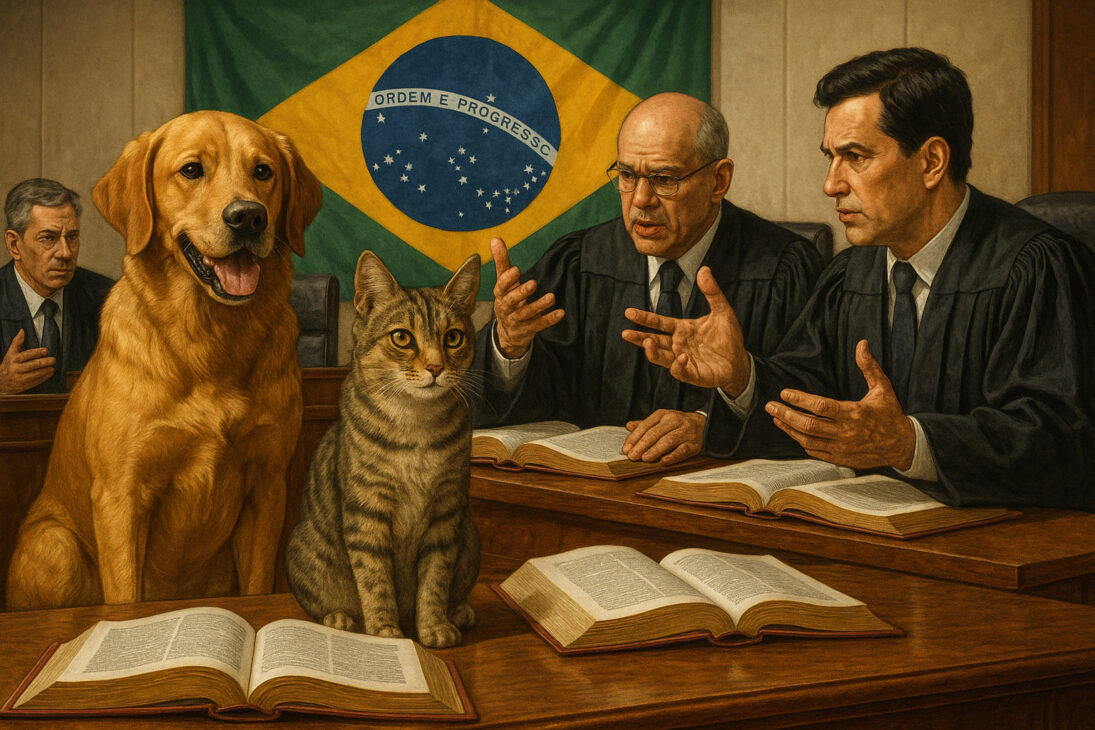
The Bill No. 4 of 2025 could mark a turning point in Brazil. Recognizing animals as sentient beings is to acknowledge that they feel, suffer, and deserve protection that goes beyond private property.
Though there are criticisms and challenges, this reform represents the chance to modernize the Brazilian legal system and align it with international practices. The future may bring shared custody of pets, fairer compensation, and even the emergence of new fundamental rights for animals.
If animals feel, they can no longer be treated as objects. The debate is open, and your opinion counts too. Do you support pets no longer being considered things and obtaining their own legal status?









Mais uma besteira travestida de boa intenção, pra tirar a importância do ser humano, e pra encher o bolso das ongs de dinheiro fácil. O problema do Brasil nao é leis, pelo contrário ja temos leis demais.
Todo mundo sabe que os animais têm sentimentos, sim lógico!!!! Só sendo muito desumano para não saber ou fingir que não sabe. Os animais têm mais sentimentos que muitos seres humanos
Sim .. com certeza eu apoio e muito.acho que a lei tem que mudar sim .. chega de maus tratos ao anjinhos que só tem amor p dar … P mim meus pets são filhos.. eles sentem tudo que nos sentimos.. então por que trata- Los como objetos..