





 Portuguese
  English
  Spanish
  2 min of reading


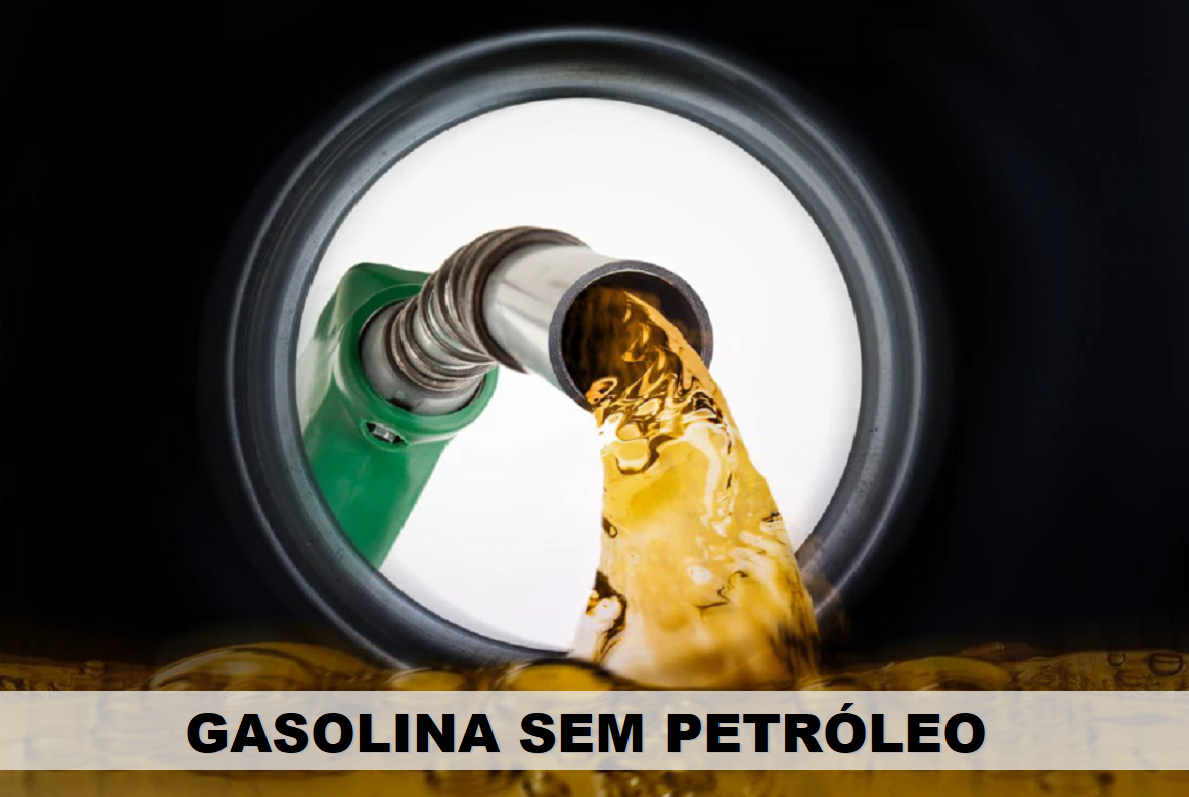
The First Eco-Friendly Gasoline Produced on a Large Scale Has a Moderate Alcohol Smell and Is Colorless, According to the Producers of the New Fuel
Located in the southernmost part of Chile, in the Magallanes region, the eco-friendly fuel plant was inaugurated on Tuesday, the 20th, being responsible for the new sustainable gasoline, a new “clean” fuel, free from petroleum, according to CNN.
In addition to producing the new sustainable gasoline, free from petroleum, the location of the fuel plant also benefits from winds that promote the generation of clean electricity, which is the starting point for producing the new fuel, as well as water.
The new petroleum-free gasoline can fuel cars, ships, and planes, and is even capable of reducing carbon emissions in the atmosphere. The new fuel project is called “Haru Oni,” which means “strong winds” in the indigenous language of the region.
-
Brazilian giant expands borders in the Southeast: Petrobras confirms new oil discovery in ultra-deep waters in the pre-salt of the Campos Basin.

-
Alert in the global energy market: Severe tropical cyclone hits the coast and disrupts gas production at major plants in Australia, threatening global supply.

-
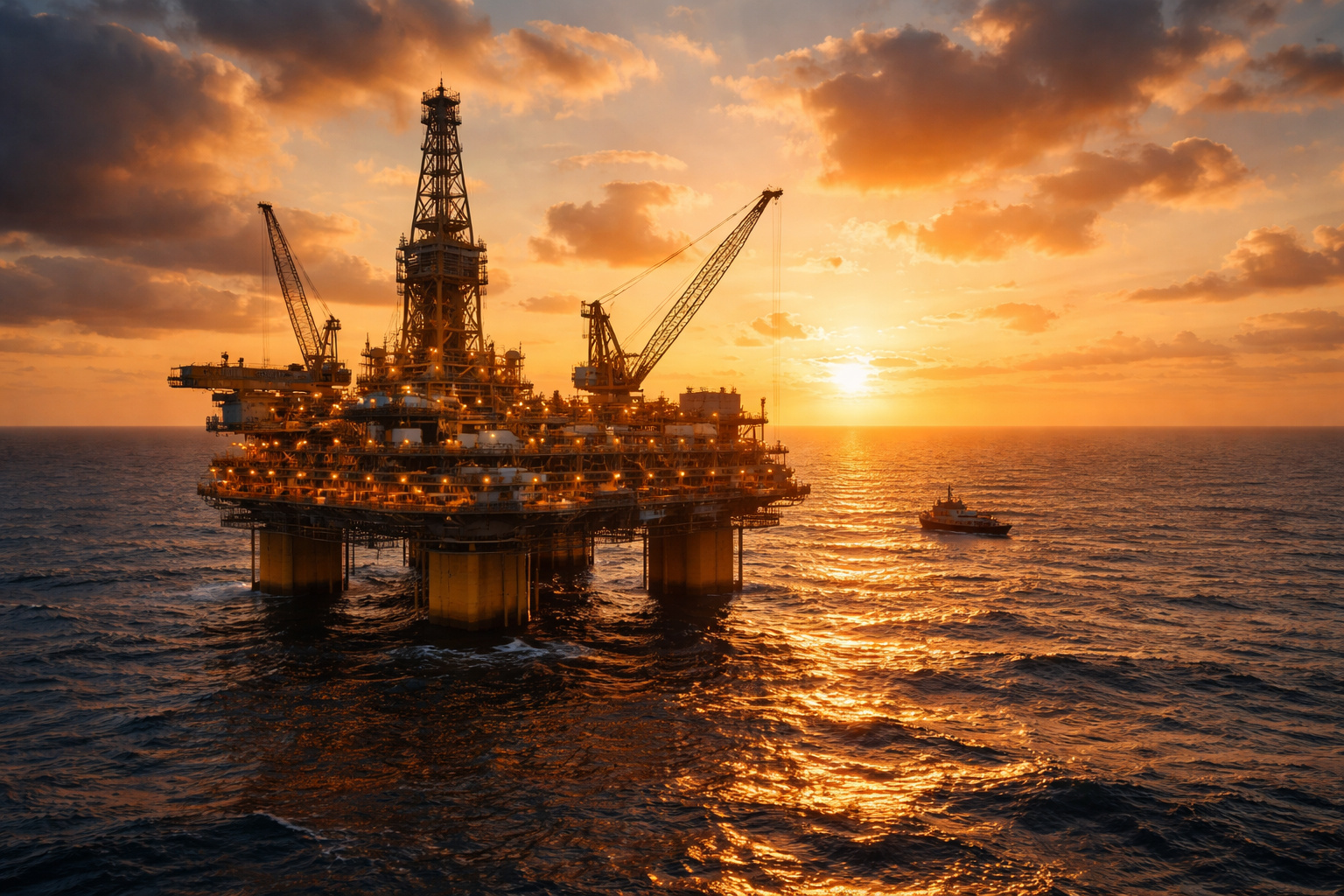
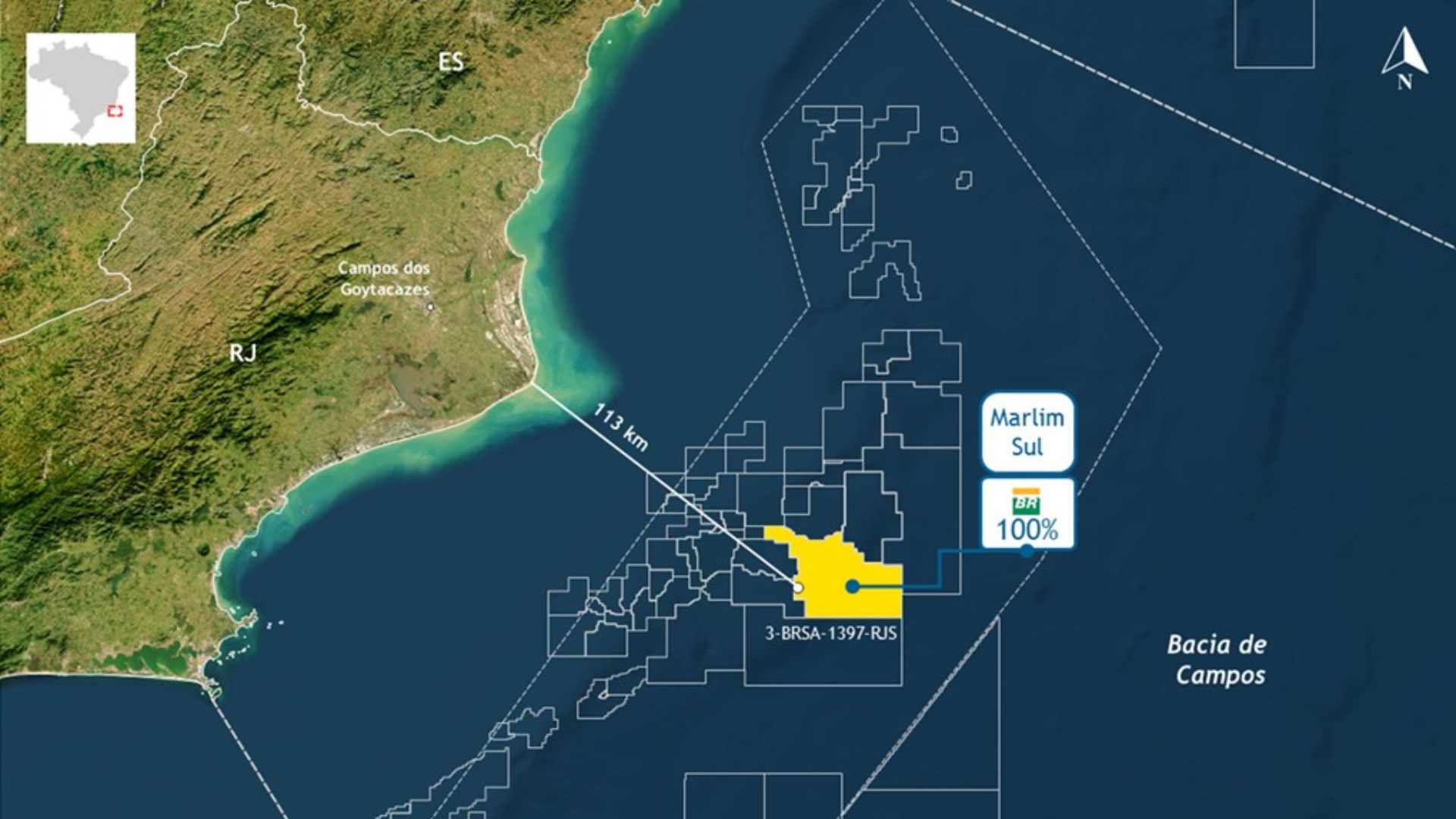
Petrobras finds high-quality oil in the pre-salt at 113 km from RJ and reignites expectations about strategic reserves in the Campos Basin.
-
Ocyan opens registrations for startups focused on innovation in the oil and gas sector and will select projects for Innovation Day with the support of Nexio.

PETROLEUM-FREE GASOLINE


The Cleanest Gasoline in the World
According to André Clark, Senior VP of Siemens Energy for Latin America: “It is one of the cleanest gasolines in the world coming into operation. This is a major innovation being made now, not in the future.”
According to André, several companies were responsible for the petroleum-free fuel project, including Siemens Energy, the Chilean startup Highly Innovative Fuels (HIF), and others.
For the authorities in Chile, it is very important for countries to have public policies focused on a sustainable future free from carbon emissions in the atmosphere.
How the Fuel Is Made
The production of petroleum-free gasoline is done through electrolysis, which involves separating water into oxygen and hydrogen. After this process, the next step is to convert the aggregates into carbon dioxide and then generate synthetic methanol.
This process turns all these components into petroleum-free gasoline, which emits 90% less carbon dioxide into the atmosphere and does not require mechanical adaptations of vehicles to be used.
The first vehicle to use petroleum-free gasoline was the Mobil 1 Supercup from the automaker Porsche. The vehicle managed to travel its route just as it would with conventional fuel.








Seja o primeiro a reagir!