





 Português
  Inglês
  Espanhol
  3 min de leitura
  27 comentários




Discover How Graphene Makes Concrete 25% Lighter and Stronger. A Revolution from Rice University for the Construction Industry
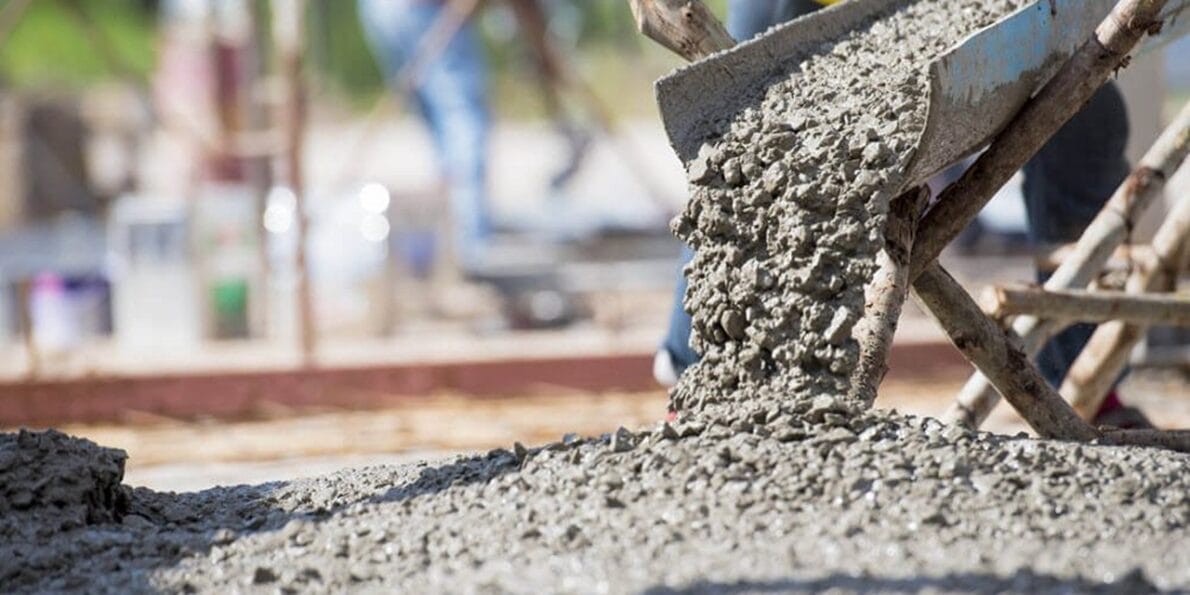
When you think about the resources we are depleting, sand may not be at the top of your list, but it is, due to our high demand for concrete in the construction industry. Scientists at Rice University have now demonstrated that replacing it with graphene can not only save sand but also make concrete lighter, stronger, and more durable.
The world is facing an environmental crisis and resource scarcity due to high reliance on concrete, the second most consumed material after water. Sand extraction, an essential component of concrete, exceeds the natural replenishment capacity, triggering serious ecological problems.

Innovation from Rice University
Researchers at Rice University have discovered that graphene derived from petroleum coke, a coal-based product, could replace sand in concrete. This breakthrough, led by James Tour, professor of chemistry, materials science, and nanoengineering, has the potential to improve the construction industry.
-
A megaproject worth R$ 89 billion is advancing in Iraq and promises to change the game in global trade by creating a new corridor between Asia and Europe, reducing traditional routes and repositioning the country as a logistics powerhouse.

-
Goodbye bedside table: floating shelves become a trend in 2026 by freeing up space in the bedroom, improving circulation, bringing visual lightness, and integrating technology without taking up floor space.

-
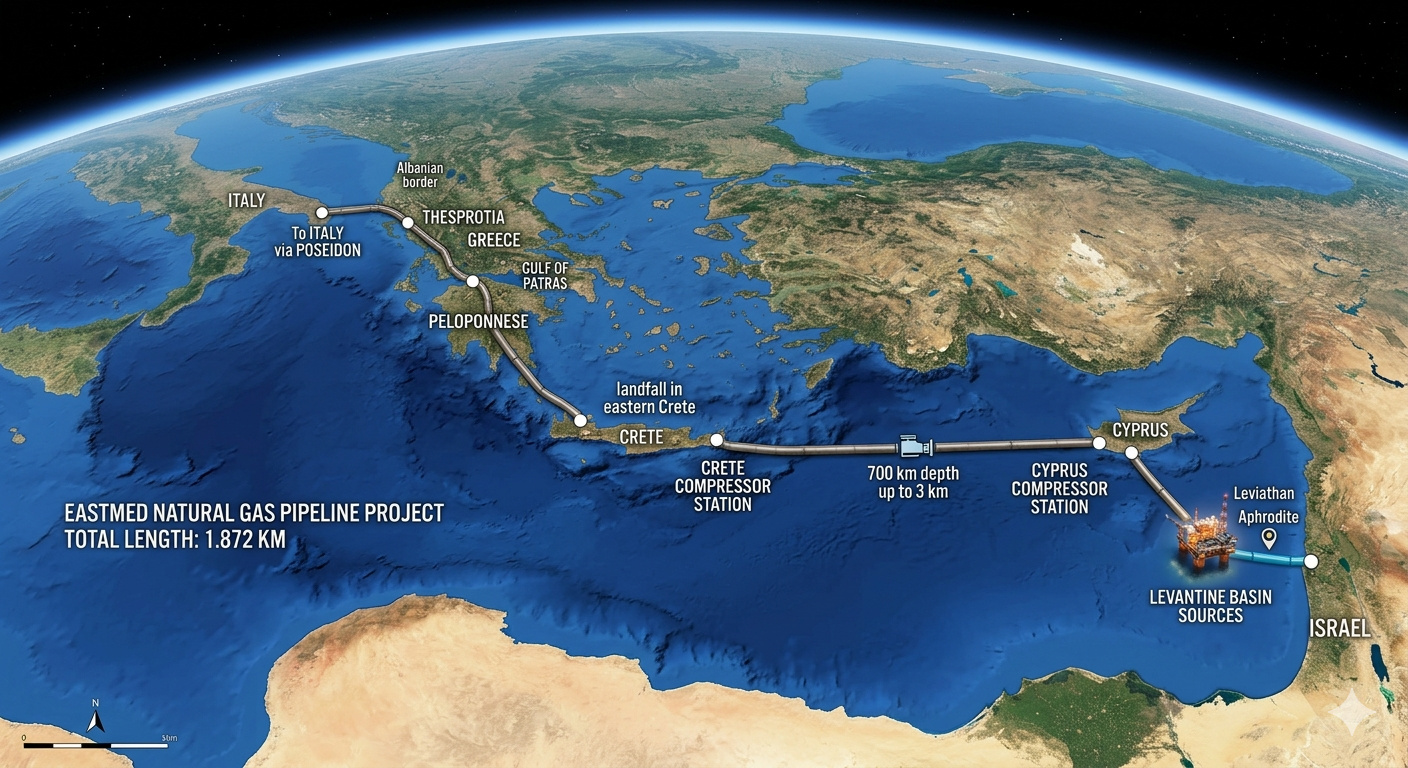
Israel, Greece, and Cyprus signed an agreement in 2020 to transport gas from the Mediterranean to Europe via a 1,872 km pipeline, but Turkey claimed sovereignty over part of the maritime route, and the project never materialized.
-
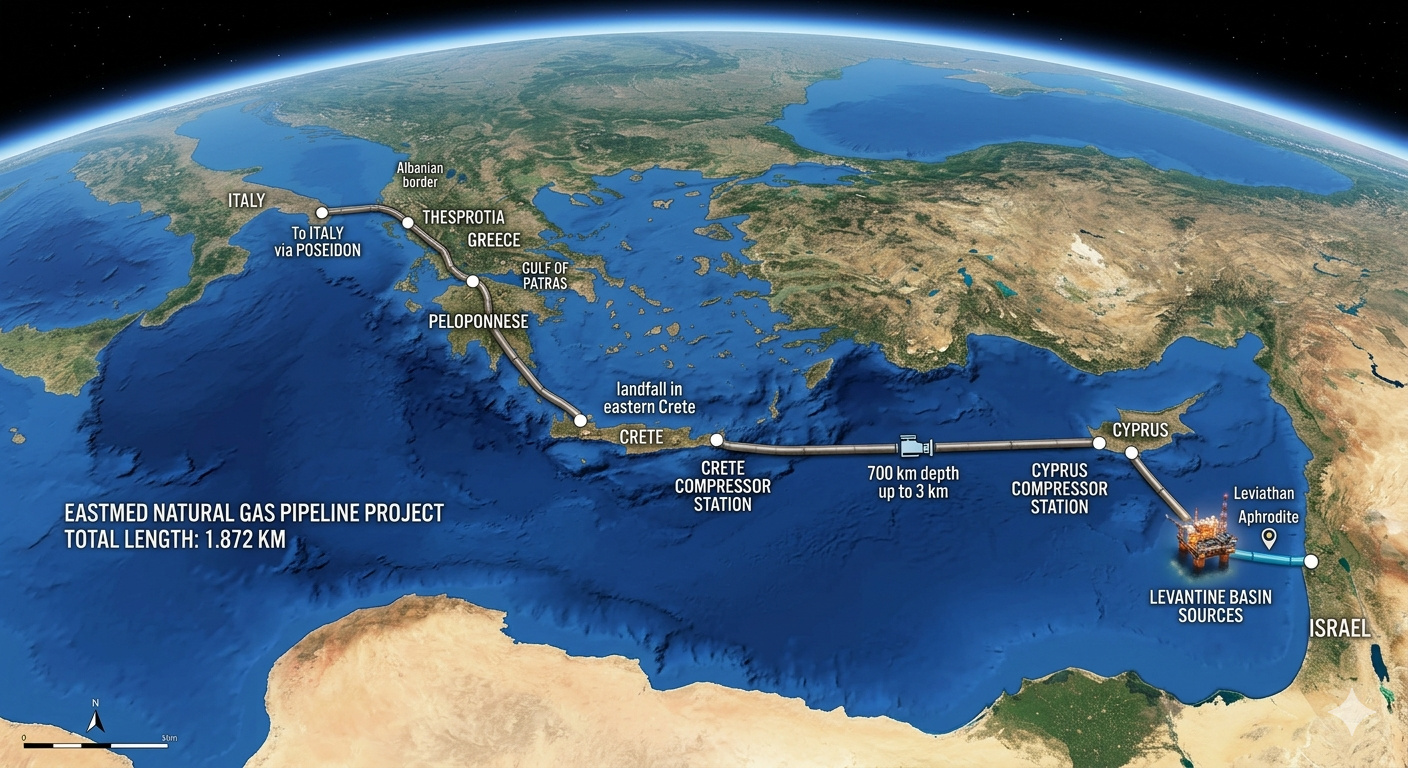
Israel, Greece, and Cyprus signed an agreement in 2020 to transport gas from the Mediterranean to Europe via a 1,872 km pipeline, but Turkey claimed sovereignty over part of the maritime route, and the project never materialized.

Benefits of Graphene in Concrete
Concrete with graphene not only matches the mechanical properties of standard concrete but also offers a higher strength-to-weight ratio. “Our concrete is 25% lighter, yet equally strong,” says Tour.
Saving sand is not the only benefit. The resulting concrete was 25% lighter than concrete made with normal aggregate and showed a 32% increase in toughness, 33% in maximum strain, and 21% in compressive strength. On the downside, there was an 11% reduction in its Young’s modulus, a measure of a material’s resistance to deformation under tension.
Reduction of Environmental Impact in Construction
Concrete is made from three main ingredients: water, an aggregate such as sand, and cement to bind everything. Sand is the largest component by volume, and given modern humanity’s insatiable appetite for concrete, sand extraction is increasing. This process is not only destructive but also risks depleting sources.
Cement production, a key component of concrete, is responsible for 8% of global carbon dioxide emissions. Furthermore, sand mining, largely unregulated, damages river and coastal ecosystems. The technology developed at Rice could reduce the reliance on natural sand and lower carbon emissions from the concrete industry.
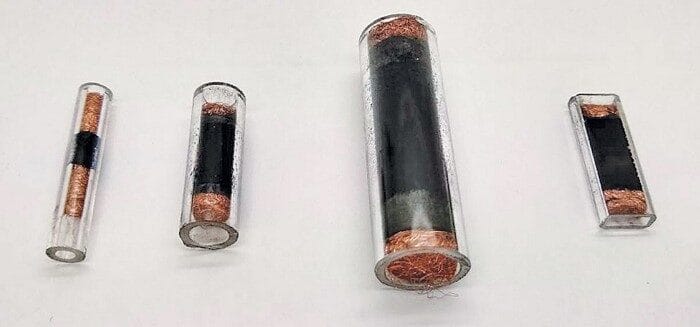
Innovative Process: Joule Heating
Tour’s lab used the Joule heating technique to convert petroleum coke into graphene. This technique produces graphene faster and on a larger scale than previous methods.
Satish Nagarajaiah, professor of civil and environmental engineering, emphasizes that 30% of concrete consists of sand. Petroleum coke could not only enhance the quality of concrete but also significantly reduce costs. However, the price of graphene still needs to be lowered for this solution to be viable on a large scale.
This study, supported by the U.S. Army Corps of Engineers, the Air Force Office of Scientific Research, and the National Science Foundation, paves the way for more sustainable urban development practices, addressing the impending “sand crisis” and offering viable alternatives for the future of construction.









Isso e ideia de jirico querer concretar nossa riquesa e devastar a naureza
Eu acho importante o arquinotérmico repreférico nesse caso de incorforencia nuclear.
O ignorante afirma, o sábio investiga, o sensato pondera. Sto. Agostinho.
Fico espantado com a quantidade de comentários enfáticos, definitivos e por vezes muito mal educados por gente que não tem respeito por cientistas, e nem pela própria ignorância. Não tem a menor ideia sobre de que se trata mas se acham no direito de qualificar: burrice.
Ora vão procurar as suas turmas…
Espero que você tenha notado o esforço de nossa equipe em melhorar a compreensão da indústria da construção e a busca por soluções mais sustentáveis. Acreditamos que a discussão e a troca de ideias são fundamentais para o progresso. Estamos aqui para aprender e melhorar juntos. Compartilhamos seu entusiasmo em busca de conhecimento e respeitamos a sua opinião. Obrigado por se juntar à conversa!