





 Português
  Inglês
  Espanhol
  3 min de leitura
  9 comentários


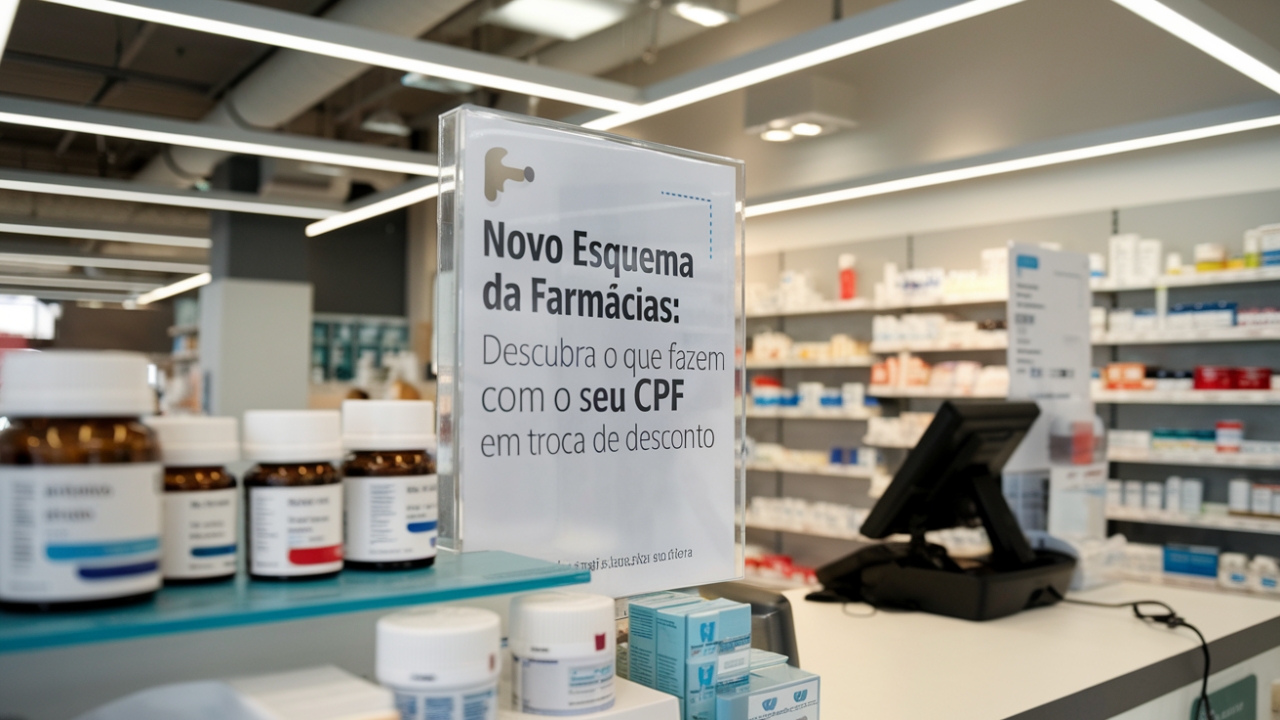


When You Provide Your CPF at Pharmacies, You Are Feeding Advertisements and Sales That Generate Billion-Dollar Profits.
In Brazil, pharmacies have adopted a highly profitable business model based on using consumers’ personal data to drive targeted advertising. It all starts with the famous question asked at the checkout: “What is your CPF?”. As journalist Amanda Rossi highlighted in a report for UOL, this information is collected and used by companies like RD Ads, part of the RaiaDrogasil group, to sell targeted advertisements.
By providing your CPF in exchange for discounts that can exceed 70%, the customer contributes to an extensive database that includes details about their health, such as diseases, medications, and contraceptive methods used. RaiaDrogasil, the largest pharmaceutical network in the country, stores information from 48 million customers, which are later used to target ads, either on the pharmacy’s own website or on platforms like Facebook and YouTube.
The director of RD Ads, Vitor Bertoncini, commented on a podcast aimed at investors that asking for CPF at Brazilian pharmacies is so common that 97% of customers provide this information without questioning. He compared this practice to the use of social security numbers in the United States, where collecting such data for commercial purposes would be considered illegal.
-
Brazilian city gains industrial hub for 85 companies that is equivalent to 55 football fields.

-
Peugeot and Citroën factory in Argentina cuts production by half and opens a layoff program for more than 2,000 employees after Brazil drastically reduced purchases of Argentine vehicles.

-
A Brazilian city gains a factory worth R$ 300 million with the capacity to process 200 thousand tons of wheat per year, a mill of 660 tons/day, silos for 42 thousand tons, and an industrial area of 276 thousand m².

-
Havan will leave the shopping mall in Blumenau to inaugurate something that the chain has never done before: a megastore in half-timbered style in the Historic Center of the city, which is expected to be completed in May and change the landscape of local retail.


Although the discounts offered may seem attractive, prices without CPF can be misleading. An example cited in the report shows that a medication like nimesulide, which costs R$ 31.78 without CPF, drops to R$ 8.50 with the document. However, private hospitals and public agencies purchase the same medicine for even lower prices, suggesting that prices without CPF are inflated to encourage consumers to provide their data.
The data stored is not limited to medications. The RD Ads database has up to 20 different filters to segment customers, categorizing them into profiles like “debilitated senior” or “active senior.” This information is used in targeted marketing campaigns. An example mentioned in the report shows that using data from parents of young children increased sales of baby products by 20%.
The use of health data for advertising purposes, however, sparks debates. The General Data Protection Law (LGPD) classifies health information as sensitive data, requiring greater protection and limiting its use for economic purposes. Although RaiaDrogasil claims that the data is anonymized, there are doubts about the effectiveness of this anonymization and whether it truly complies with the law.
Additionally, the report recalls that the use of biometrics at pharmacies generated controversy. In 2021, a journalist reported being forced to provide her fingerprint to get a discount, leading to protests and intervention from agencies such as Procon and the Consumer Defense Institute (Idec). The demand for biometrics was eliminated, but the collection of CPF persists.
So far, there is no clear regulation that prohibits the use of health data for advertising purposes in Brazil. As a result, millions of Brazilians continue to provide their personal information in exchange for discounts, unaware that this data can be used for much more than just lowering the price of their medications.
How to Consult the Data Pharmacies Have About You?
The General Data Protection Law (LGPD) guarantees Brazilians the right to know what information companies, including pharmacies, are holding. This includes access to purchase history and health data, as well as information about sharing this data with third parties. It is also possible to request correction of data or even their deletion.
To exercise this right, pharmacies must provide a specific channel to address these requests. The response must be provided within 15 days. If the company fails to meet the deadline or refuses the request, it is possible to contact the National Data Protection Authority (ANPD), which is responsible for enforcing the LGPD.
If you wish to request access to or deletion of your data, contact the pharmacy’s customer service or visit the company’s website. Be sure to detail that you are exercising your rights under the LGPD, specifying whether you want access to the data or its removal.










No Brasil, é assim: É por debaixo dos panos,que a gente entra pelos cano.
Nimesulida custa 0,60 centavos de custo. Quem tiver achando um mega lucro abra uma farmácia.
Na magalu, na centauro, na Amazon, vc faz o q? Coloca seu CPF, faz cadastro, e do nada começa a receber promoções (não uma seus dados?)
Quanta hipocrisia, tendenciosa a reportagem. Pois me parece q quem escreveu se incomodou na farmácia. E não com outros locais que usam os dados dela.