





 Portuguese
  English
  Spanish
  6 min of reading
  0 comments


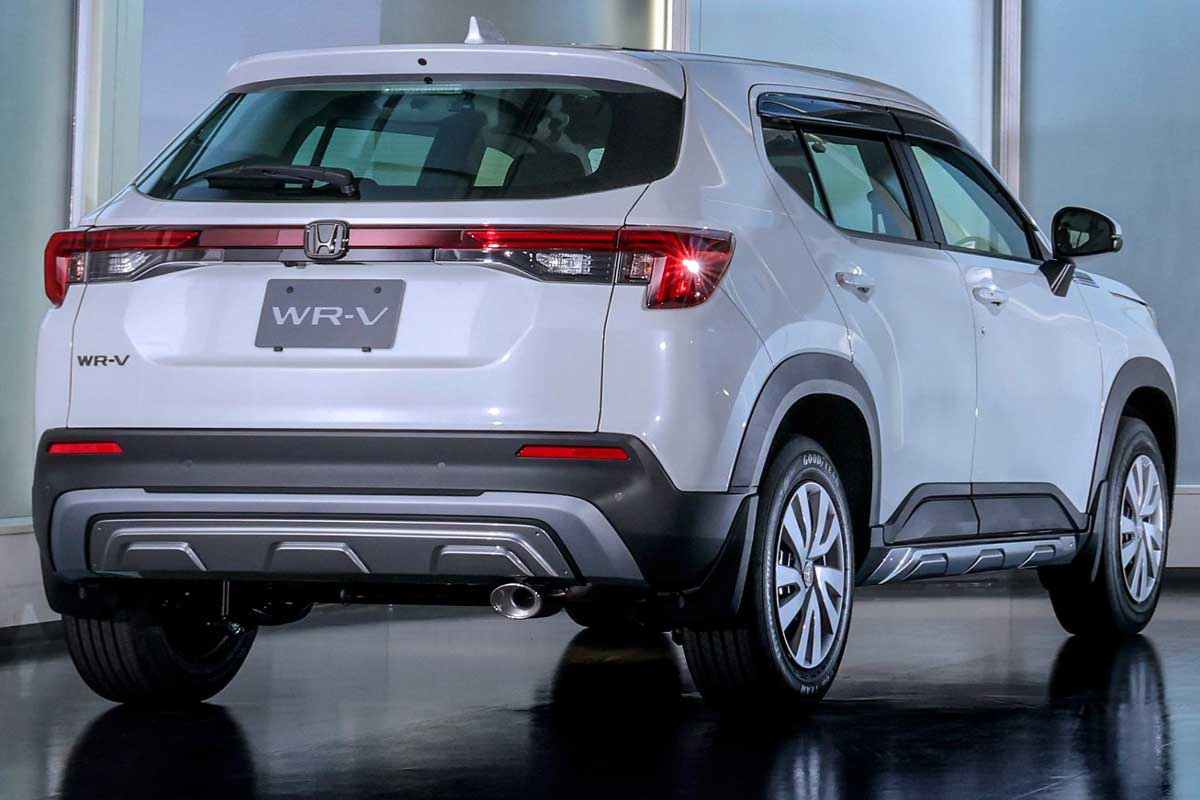
With Compact Platform, 44-Liter Tank, and 458-Liter Trunk, the New Honda WR-V 2026 Uses 1.5 Flex Engine with 126 Hp, Elevated Suspension, and Honda Sensing Package to Compete with City, HR-V, and Direct Rivals in the Urban SUV Segment Geared Towards Families That Prioritize Practicality.
The new Honda WR-V 2026 arrives to fill a gap that was empty in the brand’s lineup: catering to families seeking SUV stance, real space, and a large trunk, but who have already given up on the outrageous prices of mid-sized sports utility vehicles. With a taller design, robust proportions, and well-utilized dimensions, it presents itself as a rational alternative for those who need to accommodate people, luggage, and an urban routine without blowing the budget.
At the same time, the model combines simplified architecture, known mechanical assembly, and a focus on efficiency, maintaining compact hatchback fuel consumption and predictable maintenance. Positioned between City and HR-V, the new Honda WR-V 2026 aims to be the “balance point” for daily family use, short trips, and heavy traffic where ergonomics, visibility, and fuel economy matter more than absolute sophistication.
Where the New Honda WR-V 2026 Fits in the Honda Lineup

The new Honda WR-V 2026 was developed to act as a bridge between the City and the HR-V, both in price and proposal.
-
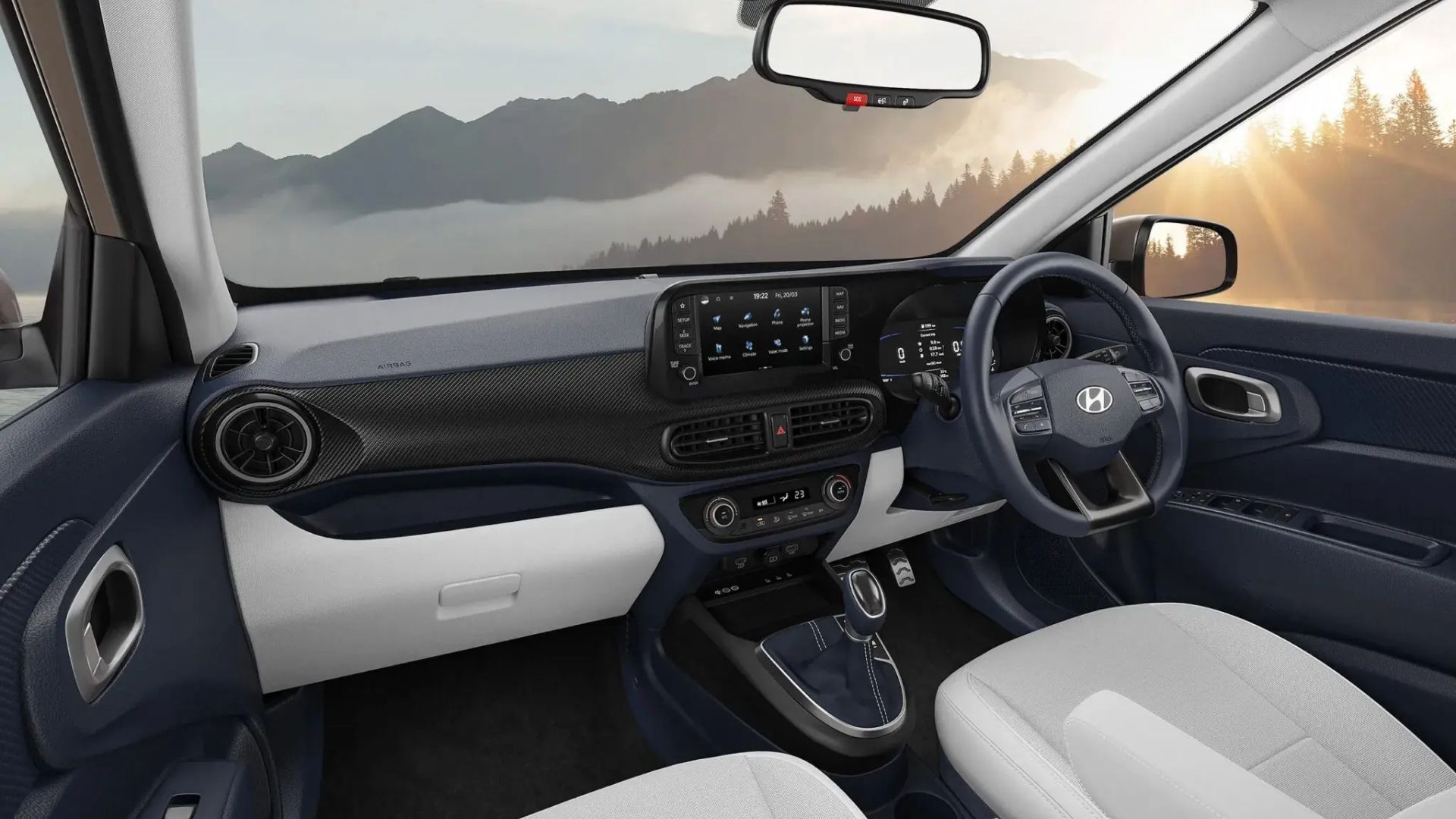
For R$ 32,000, a brand new Hyundai car is a rival to the Kwid with a 1.2 engine producing 82 hp, 6 airbags as standard, multimedia with wireless Android Auto, up to 391 liters in the trunk, and a refreshed look for 2026 in India.
-
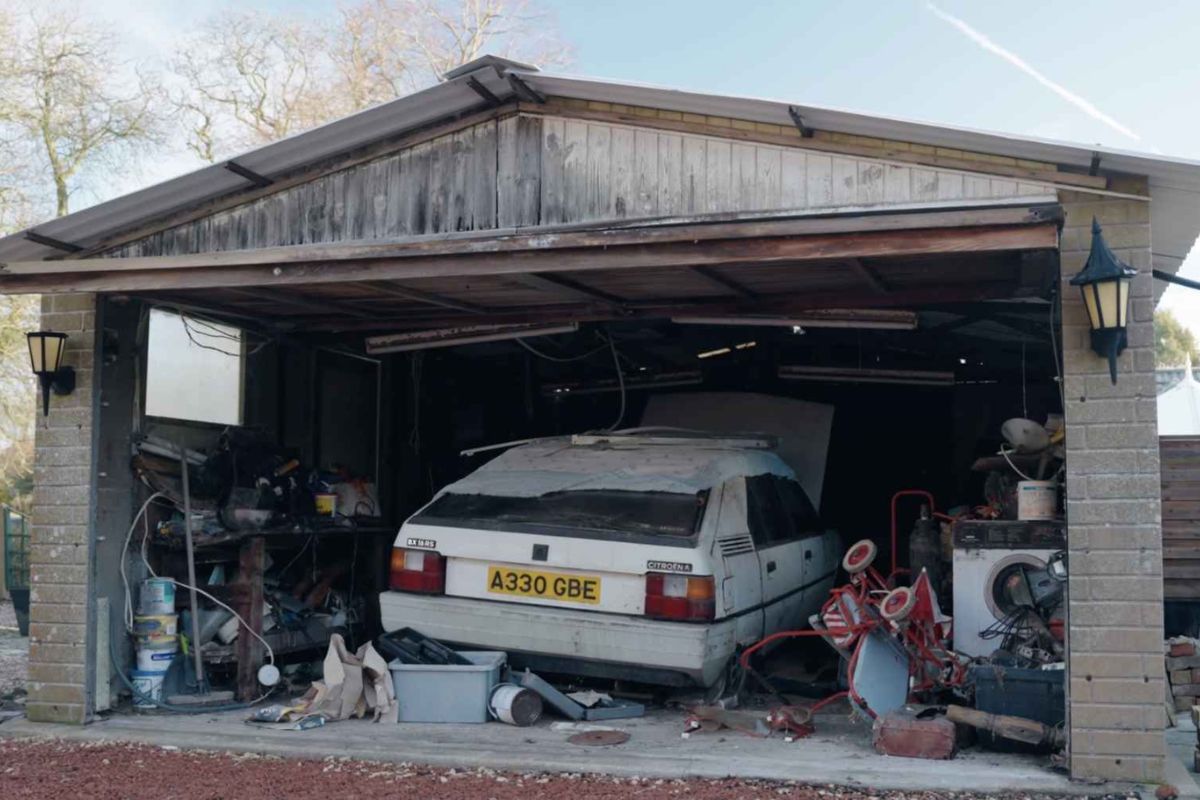
He bought a new car in 1983, locked it in the barn in 1988, and no one opened the door for 38 years until the family discovered what was stored inside and realized it looked like something out of a movie.
-
A 250cc motorcycle that can reach 560 km with a 14-liter tank, features disc brakes on both wheels and is among the most well-known in Brazil.
-
Man finds over 200 rare cars abandoned on a lot and tries to do the impossible in 8 hours with a surprise at the end.


It uses the same conceptual base as the brand’s compacts, but with higher bodywork, “boxy” design, and SUV stance that give the model a robust and functional look.
In measurements, it is only about 2 centimeters shorter than the HR-V in total length, yet it delivers approximately 4 centimeters more wheelbase, which translates directly into interior space for knees and comfort in the rear seat.
A width of around 1.79 meters keeps the car compact enough for tight parking spots, but with a cabin that doesn’t feel cramped.
The suspension has also been recalibrated to better handle potholes, inclined access, and speed bumps.
With 22.3 centimeters of ground clearance and approach angle of around 17.4 degrees, the new Honda WR-V 2026 navigates ditches and garage ramps with ease, without the constant feeling that the bumper will hit.
Internal Space and Trunk: The Family SUV’s Trump Card

It is in space utilization that the new Honda WR-V 2026 sets itself apart from the HR-V and many direct competitors.
The 458-liter trunk is one of the standout features: it comfortably surpasses the larger utility vehicle from the brand, which is around 354 liters, and also improves upon the previous WR-V, which was around 373 liters.
In practice, this means the model can accommodate large suitcases, a stroller, school backpacks, and still have room for grocery shopping.
For families that truly use the car as a daily tool, the gain of over 100 liters in relation to the HR-V completely changes the daily routine, especially on trips and weekend getaways.
In the rear seat, the extended wheelbase translates to great legroom, even with a tall driver, something enhanced by the relatively flat floor and good seat height.
The waistline is not too high, which helps with the sense of spaciousness and visibility for children and shorter passengers.
Rear air vents and leather upholstery in the EXL version complement the family-use package.
Mechanical Assembly, Consumption, and Dynamic Behavior
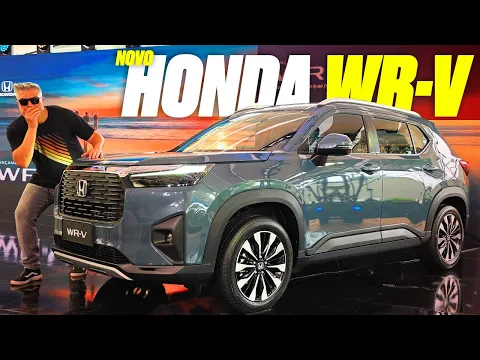

The new Honda WR-V 2026 uses the well-known 1.5 flex naturally aspirated engine, 16 valves, with direct injection, already applied in other models of the brand.
The engine delivers 126 horsepower, both with ethanol and gasoline, and torque around 15.8 kgfm with ethanol and 15.6 kgfm with gasoline, always at higher RPMs.
The transmission is a CVT calibrated to maintain the engine in an efficient range, simulating ratios and helping the model mitigate the lack of turbo with predictable and linear responses.
In terms of performance, the assembly tends to deliver accelerations close to that of the HR-V 1.5 naturally aspirated, with 0 to 100 km/h around the 12-second mark, which is sufficient for family and highway use without sporting intentions.
The strong point lies in fuel consumption.
According to standardized measurement data, the new Honda WR-V 2026 records 8.2 km/l in the city and 8.9 km/l on the highway with ethanol, while with gasoline the numbers rise to 12 km/l in urban cycles and 12.8 km/l in highway cycles.
The 44-liter tank is not as large as that of the HR-V, but combined with the low consumption, it allows for competitive autonomy for a compact SUV.
The suspension tuning prioritizes neutrality and body control, with McPherson in the front and torsion beam in the rear, keeping the car stable in curves with contained roll.
The brakes use discs in the front and drums in the back, a simpler solution, but sufficient for the weight and performance of the assembly within the segment.
Finish, Equipment, and Active Safety
Inside, the new Honda WR-V 2026 adopts a simpler design than the HR-V, but still aligned with the brand’s current standard.
There is a predominant use of hard plastics, especially in the rear doors, with leather areas in the EXL versions to soften contact.
The driving position allows for both a higher adjustment, typical of SUVs, and a lower configuration, close to that of a medium hatch, broadening the audience spectrum.
All versions come equipped with 7-inch digital TFT display, 10-inch infotainment system, automatic air conditioning, rear air vents, six airbags, and a rearview camera with different angles.
The standard 17-inch wheels enhance the utility vehicle appearance.
The EXL version adds leather seats, LED fog lights, longitudinal roof rails, wireless phone charger, and rear armrest.
One of the package’s pillars is Honda Sensing, which adds advanced driver assistance systems, enhancing the model’s active safety.
Even without 360-degree cameras, the set of sensors, front cameras, and electronic alerts bring the new Honda WR-V 2026 closer to the level of protection found in more expensive SUVs.
Price, Positioning, and Competitive Scenario
The new Honda WR-V 2026 has been launched to be clearly priced below the HR-V, but deliver more trunk space and rear room, sacrificing a bit of finish refinement and some comfort items, like electronic parking brake and more sophisticated convenience features.
In practice, it aims for customers currently navigating between entry-level compact SUVs and intermediate versions of established models, but who have stepped back due to rising prices.
The range it occupies, between the top City and the entry-level HR-V, positions the model as a logical choice for families who need an SUV, but do not want or cannot break the barrier of medium utilities over 200,000 reais.
With convincing space, generous trunk, contained consumption, and up-to-date safety package, the new Honda WR-V 2026 is likely to become one of the brand’s most strategic products in Brazil, especially if monthly production can meet the demand of customers who were expecting exactly this “middle ground” between the two well-known models.
For Whom the New Honda WR-V 2026 Makes Sense
The new Honda WR-V 2026 fits especially for those who:
Need SUV space but do not want to pay for a more sophisticated mid-size
Value a large trunk and intense family use, with car seats, luggage, and heavy routines
Seek fuel consumption closer to that of a compact hatch than a mid-sized SUV, with predictable maintenance
Prefer an updated safety package, with active assistance, even in a simpler design
For this profile, the model delivers a rare balance: generous dimensions, 458-liter trunk, 22.3 centimeters of ground clearance, and efficient 1.5 flex engine, all in a package designed for the real traffic of Brazil’s largest cities and for roads full of potholes and patches.
In the end, the new Honda WR-V 2026 does not aim to be the most luxurious or technological SUV in the segment, but rather the most rational for daily use by families that have stepped away from the outrageous prices of larger SUVs.
And you: looking at internal space, trunk, fuel consumption, and safety package, would the new Honda WR-V 2026 really replace a larger SUV in your garage, or does it still not convince you to give up more refinement for this more rational proposal?










-

-

-

-

-

18 pessoas reagiram a isso.