





 Português
  Inglês
  Espanhol
  3 min de leitura
  0 comentários



Absolar Executive Reacts to Tax Increase on Solar Panels by Federal Government, Warning That the Measure Puts Jobs, Investments, and Financing in the Sector at Risk.
Rodrigo Sauaia, CEO of the Brazilian Solar Energy Association (Absolar), expressed concern in a recent interview about the impact of the increased import tax on solar panels, announced by the Federal Government in the last weeks of 2023. According to him, this measure could significantly compromise the sector, threatening the installation of 18 GW in solar plants in the country. This puts more than R$ 69 billion in investments at risk, as well as around 540,000 direct and indirect jobs.
Sauaia Claims That Federal Government Measure Harms Brazilian Consumers


According to the Executive of Absolar, the decision to increase the tax on solar panels arises from pressure from national manufacturers seeking protectionist measures against the importation of photovoltaic equipment in the Brazilian market.
On Monday (01), several determinations promulgated by the Federal Government came into effect in Brazil, including the Gecex Resolution No. 541, raising the import value of solar panels with a focus on valuing national production.
-
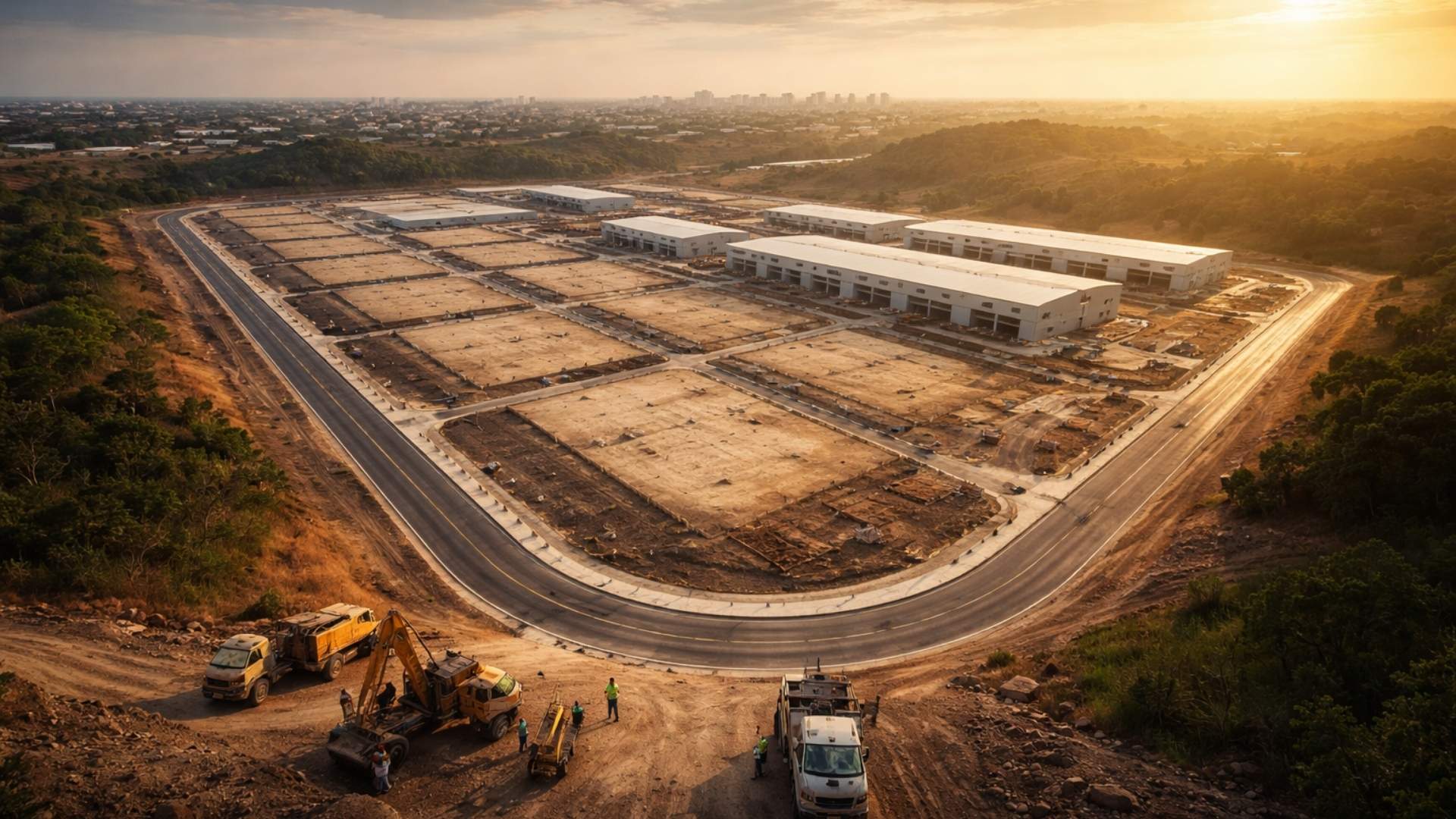
Brazilian city gains industrial hub for 85 companies that is equivalent to 55 football fields.

-
Peugeot and Citroën factory in Argentina cuts production by half and opens a layoff program for more than 2,000 employees after Brazil drastically reduced purchases of Argentine vehicles.

-
A Brazilian city gains a factory worth R$ 300 million with the capacity to process 200 thousand tons of wheat per year, a mill of 660 tons/day, silos for 42 thousand tons, and an industrial area of 276 thousand m².

-
Havan will leave the shopping mall in Blumenau to inaugurate something that the chain has never done before: a megastore in half-timbered style in the Historic Center of the city, which is expected to be completed in May and change the landscape of local retail.


However, FOR Sauaia, the Federal Government’s measure will not resolve this issue; on the contrary, it will harm Brazilian consumers and the vast majority of the solar sector, benefiting only a small group of already established national manufacturers in the country.
According to the executive, currently, Brazilian manufacturers produce less than 5% of what the solar energy market needs, with prices that can be 50% higher than international products.
Sauaia states that the tax increase on solar panels goes against the Federal Government’s own efforts to accelerate the country’s energy transition, as it puts current investments in the sector at risk and threatens to destroy thousands of jobs created over the last decade.
CEO of Absolar Holds Meeting with Alckmin
The executive stated in an interview that, last November, Absolar conducted a mapping of the 122 tariff exemptions most used by small, medium, and large solar energy entrepreneurs, and that the document was delivered to the Ministry of Development, Industry, Commerce and Services (MDIC).
The association recommended to the Federal Government that it not eliminate exemptions on solar panels. However, according to Sauaia, the ministry decided to cancel 56 of the 122 tariff exemptions listed by the association.
The CEO stated that a meeting was held with Geraldo Alckmin, the minister and vice president of Brazil, along with his secretaries and team. During the meeting, it was explained that for these projects, most of which are larger in scale, there is a risk related to financing.
Rodrigo emphasizes that financing banks need the tariff exemption to guarantee financing for the projects. If the Federal Government cancels the tariff exemption, the centralized generation project loses its financing, the guarantee of financing, or this financing is at risk of not happening due to the lack of this tariff exemption.
Strategic Programs Will Also Be Impacted According to the Executive
The CEO also assessed that the Federal Government’s increase in tax on solar panels could hinder the implementation of Lula’s own strategic programs, such as including solar energy in the low-income housing program Minha Casa Minha Vida, in public buildings, the decarbonization of the Amazon, and the diversification of the Brazilian energy matrix. Sauaia emphasizes that the way the Federal Government seeks to incentivize the national industry is far from efficient.
The best way, according to Rodrigo, would be to establish a competitive industrial policy, based on creating incentives to attract manufacturers, such as differentiated financing from the National Bank for Economic and Social Development (BNDES) for products made in the country.
In this regard, to reduce potential harm to society, ABSOLAR recommends that the Federal Government set a deadline, until the second half of this year, to inaugurate new Brazilian factories for equipment affected by the increase in the tax on solar panels.









Seja o primeiro a reagir!