





 Português
  Inglês
  Espanhol
  5 min de leitura
  0 comentários


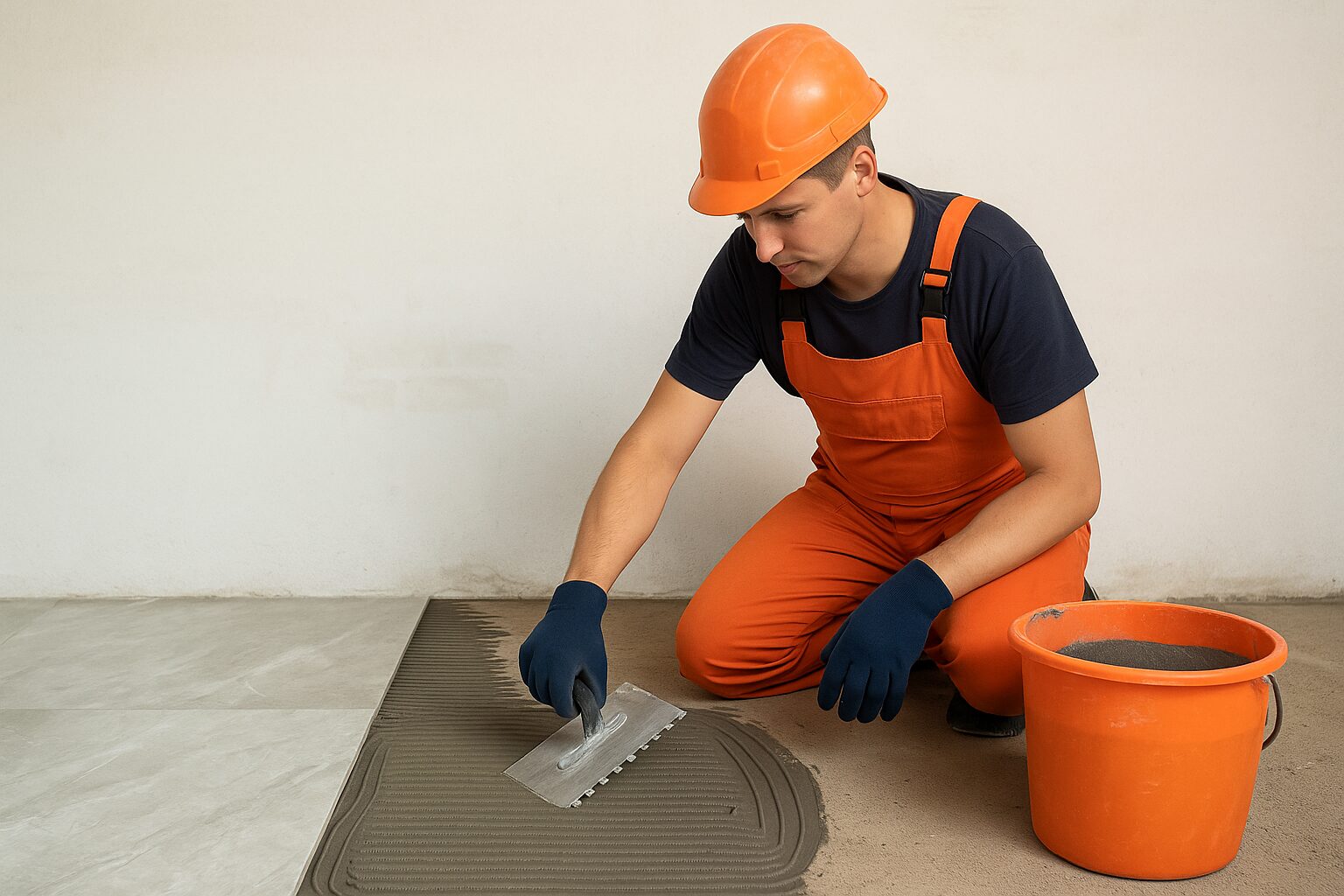
The Reign Of Porcelain Tiles May Be Numbered. Meet Microcement, The New Material That Is Conquering The Construction Industry By Combining Beauty, Resistance, And Practicality In A Single Product.
Is There A Substitute For Porcelain Tiles? For decades, porcelain tiles have been the darling of interior design projects. Present in homes, offices, and commercial ventures, this type of flooring gained popularity due to its sophisticated aesthetic, durability, and easy maintenance. However, like any widely used material, it also has limitations that are increasingly being questioned by architects and discerning consumers. The emergence of new technologies and alternative materials is changing the landscape of the construction industry, and a new product has drawn attention for bringing together high performance, a more accessible cost, and a contemporary look: microcement. This innovation promises to be the material that can surpass porcelain tiles, both in functionality and versatility.
The Limitations That Opened Space For New Materials And The Possible Substitute For Porcelain Tiles
Before understanding what makes microcement so promising, it is important to comprehend why many professionals are seeking a substitute for porcelain tiles. Despite their qualities, porcelain tiles have some disadvantages that weigh on the decision-making process:
- High Cost: High-end porcelain tiles, especially polished or large format ones, can be significantly more expensive than other types of flooring.
- Slip Risk: Polished surfaces tend to be slippery, increasing the risk of home accidents, especially in wet areas or where elderly and children circulate.
- Need for Grouting: Since porcelain tiles are installed in slabs, they require grouting. Over time, these grouts accumulate dirt and can stain, compromising the aesthetic of the environment.
- Level Base Required: Proper application requires that the floor be well-leveled, which can increase the construction cost with preparation and extra materials.
In light of these factors,the construction industry has begun to seek more practical and economical solutions that offer the same level of beauty but with greater adaptability.
-
A megaproject worth R$ 89 billion is advancing in Iraq and promises to change the game in global trade by creating a new corridor between Asia and Europe, reducing traditional routes and repositioning the country as a logistics powerhouse.

-
Goodbye bedside table: floating shelves become a trend in 2026 by freeing up space in the bedroom, improving circulation, bringing visual lightness, and integrating technology without taking up floor space.
-
Israel, Greece, and Cyprus signed an agreement in 2020 to transport gas from the Mediterranean to Europe via a 1,872 km pipeline, but Turkey claimed sovereignty over part of the maritime route, and the project never materialized.

-
Israel, Greece, and Cyprus signed an agreement in 2020 to transport gas from the Mediterranean to Europe via a 1,872 km pipeline, but Turkey claimed sovereignty over part of the maritime route, and the project never materialized.


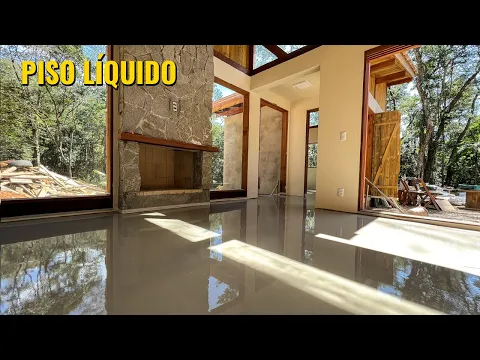

Microcement: The Material That Can Surpass Porcelain Tiles
Microcement emerges as a modern and versatile alternative to traditional coatings. Applied in very thin layers (2 to 3 mm), the material creates a continuous surface, without seams or grouts, featuring a minimalist look and uniform finish.
Originally developed for industrial and commercial applications, microcement has gained adapted versions for residential use. Today, it is considered by many to be the most promising substitute for porcelain tiles in the market, bringing together a range of advantages:
- Direct Application On Various Surfaces: It can be used over concrete, ceramics, wood, plaster, MDF, and even over porcelain tiles themselves, reducing the need for tearing up existing materials.
- High Resistance: It withstands impacts, abrasion, moisture, and high temperatures, making it ideal for both indoor and outdoor areas.
- Continuous Finish Without Grouts: The result is a modern, clean, and sophisticated look without separation lines.
- Low Thickness and Lightness: Being extremely thin, microcement does not add weight to the structure and does not require significant adjustments to doors or frames.
- Easy Maintenance And Cleaning: Because it has no grouts, it avoids dirt accumulation. Additionally, it can be waterproofed for use in kitchens, bathrooms, and service areas.
The Construction Industry Invests In Microcement For Modern Projects
With the growing trend of integrated environments, minimalist style, and focus on sustainability, the construction industry is adopting microcement in residential, commercial, and corporate projects. Sector professionals highlight the versatility of the material, which can be applied in:
- Floors And Walls
- Ceilings And Moldings
- Stairs And Ramps
- Custom Furniture And Countertops
- Outdoor Areas And Facades
By allowing direct application over existing surfaces, microcement drastically reduces construction time and lowers costs with demolition and debris removal. This makes it an excellent choice forquick and economical renovations, without compromising refined aesthetics.
Comparison: Porcelain Tiles Vs Microcement
| Feature | Porcelain Tiles | Microcement |
|---|---|---|
| Cost | Medium To High | Medium, With Lower Installation Costs |
| Visual | Sophisticated, But With Grouts | Continuous And Uniform, Without Seams |
| Installation | Requires Level Base And Grouts | Direct Application On Almost Any Surface |
| Maintenance | Grouts Require Frequent Cleaning | Easy To Clean, Without Grouts |
| Safety | Can Be Slippery When Wet | Non-slip Texture With Additives |
| Weight | Heavy Slabs | Thin And Light Layer (2-3 Mm) |
| Versatility | Only For Floors And Walls | Floors, Walls, Furniture, And Ceilings |
The Material That Can Surpass Porcelain Tiles Is Also Sustainable
In addition to its technical advantages, microcement is considered a more sustainable material. Because it is applied in low thickness, it requires fewer natural resources in its composition, and direct application on other materials avoids the generation of demolition waste.
Its durability and resistance also reduce the need for frequent replacements, contributing to alonger life cycle and lower environmental impact—something increasingly valued inconscious construction.
And The Price: Is It Cheaper?
The cost of microcement can vary based on labor and region, but in general, the square meter applied is competitive or lower than high-end porcelain tiles, especially considering the following factors:
- Reduction In Construction Time
- No Need For Materials Such As Grout And Mortar
- Application On Multiple Surfaces With The Same Product
- Lower Expenses With Waterproofing, Levelers, And Debris
In projects that requirespeed, cost savings, and practicality, microcement can representsavings of up to 30% compared to traditional porcelain tile installation.
Style, Elegance, And Personalization
Another advantage of microcement lies in its variety of colors, textures, and finishes. Unlike porcelain tiles, which come pre-manufactured in standardized models, microcement is applied manually, allowing for complete customization of the environment’s look.
It can take on anything from a rustic appearance to a glossy finish, similar to polished burnt cement or marble. Additionally, the material accepts pigments and decorative effects, such as veins, nuances, and non-slip textures.
This level of customization makes it ideal for:
- Commercial Spaces With Distinct Visual Identities
- Interior Projects With An Industrial Or Scandinavian Style
- Integrated Environments Requiring Aesthetic Unity Between Floor And Wall
Is It Worth Replacing Porcelain Tiles With Microcement?
The answer depends on the objective and profile of the project. For those seeking a coating with a modern look, easy maintenance, quick application, and lower environmental impact, microcement establishes itself as the material that can surpass porcelain tiles.
However, porcelain tiles still maintain their place in many projects due to their wide range of models, standardization, and chemical resistance—especially in areas with intense use of cleaning products.
The good news is that both materials cancoexist harmoniously in the same project, being used strategically to enhance each space.
The arrival of microcement as a substitute for porcelain tiles represents yet another evolution in the construction industry, which has increasingly invested in intelligent, economical, and sustainable materials. If before, porcelain tiles were synonymous with modernity, today, microcement occupies that position with its uniform aesthetics, practicality, and adaptability.
When evaluating options for renovation or construction, it’s worth considering microcement as alighter, more accessible, and versatile alternative with the potential to become the new standard for contemporary coatings.










Seja o primeiro a reagir!