





 Portuguese
  English
  Spanish
  4 min of reading
  0 comments


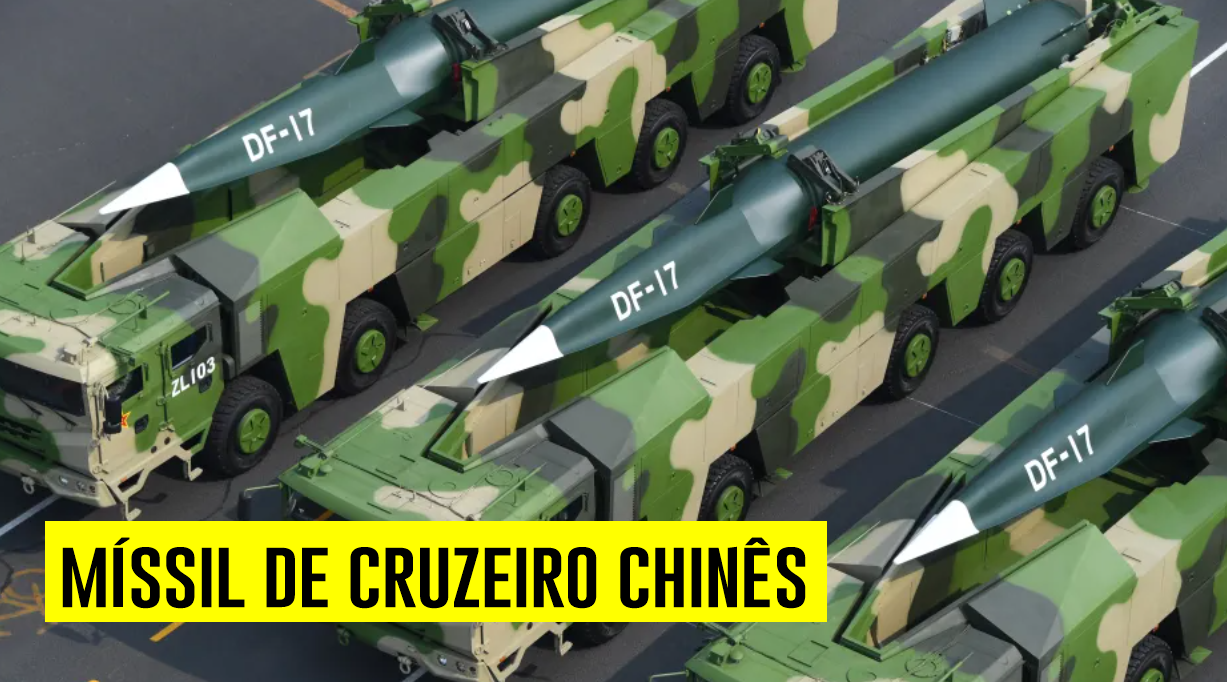
The New Chinese Cruise Missile Redefines Global Strategic Capability With a Range Equivalent to the Distance Between Rio Grande do Sul and Roraima
On November 17, 2024, new information about China’s supersonic cruise missile, Dongfeng-100 (DF-100), also known as Changjian-100 (CJ-100), was released by the Chinese account C Major.
This land-based weapon, designed for precision strikes, has a range between 3,000 and 4,000 kilometers and maintains a sustained speed of Mach 4. Its capabilities make it a key component in China’s military strategy, reflecting advances in missile technology.

Chinese Supersonic Cruise Missile
The DF-100 was first unveiled during the 70th National Day parade of China on October 1, 2019.
-
Historic bankruptcy of Centauro shocks the market, and the century-old company puts more than 500,000 products, machines, and complete infrastructure up for online auction.

-
New shoe factory in Ceará is expected to create 400 jobs and strengthen the local economy.

-
No one imagined it, but a mixture of sawdust with a mineral that fights fires surprises scientists with a result that changes the course of fire-resistant construction.

-
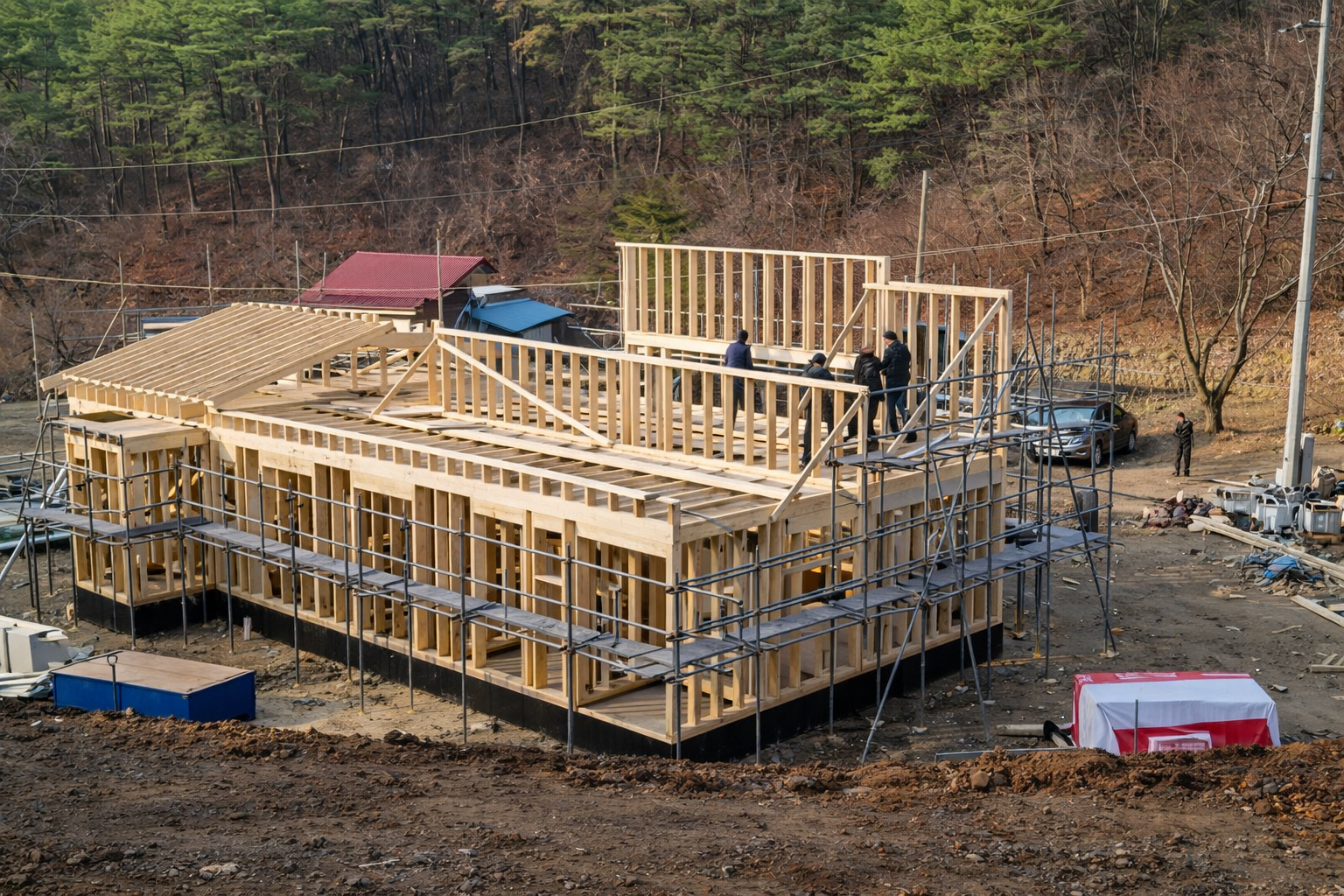
From empty land to a high-end house, wooden construction uses a lightweight system, metal structure for the foundation, ventilated ceramic cladding, and special windows to create an efficient and comfortable living space throughout the year.

At that time, its range was estimated between 2,000 and 3,000 kilometers, with speeds ranging from Mach 4 to Mach 5. Its design was intended to target a variety of objectives, including land facilities, fortified structures, underground bunkers, and large naval vessels.
Initially designed to be deployed on launch vehicles (TEL) in a 10×10 configuration, the missile can also be launched from the H-6K bomber. Recent updates indicate an extended range of up to 4,000 kilometers, maintaining a consistent speed, establishing itself as a potential threat to strategic targets in the Asia-Pacific region.

Technical Specifications of the Cruise Missile
The DF-100 measures over 9 meters in length, with a diameter of 0.7 to 1 meter, and can carry a payload of over 500 kilograms. It is powered by a ramjet engine, achieving speeds of Mach 5 in its terminal phase. Its operational profile consists of three stages:
- Initial Boost Phase: Utilizes a solid rocket motor for takeoff.
- Cruise Phase: Occurs at altitudes of 30 to 40 kilometers, where the cruise missile minimizes atmospheric drag.
- Terminal Glide Phase: Involves high-speed maneuvers to evade defenses and accurately strike moving targets.
The guidance system includes inertial navigation, terrain and scene matching, as well as satellite positioning. This combination ensures high precision, allowing it to target both fixed and moving objects, such as naval vessels in slow motion.
Strategic Range and Implications
With a minimum effective range of 2,000 kilometers, the DF-100 covers strategic targets in Taiwan, South Korea, Japan, and northern Philippines. Furthermore, the extension of up to 4,000 kilometers allows it to reach facilities in the Western Pacific, such as U.S. military bases in Guam. Important installations, such as Andersen Air Force Base and Naval Base Guam, are within the missile’s range, increasing the risks of precision strikes.
In Japan, potential targets include Yokosuka Naval Base and Misawa Air Base, representing a direct threat to U.S. and allied forces. Also in South Korea, infrastructures such as Osan Air Base and Camp Humphreys are at risk, impacting operational readiness of forces in the region.
In addition to threatening land infrastructures, the DF-100 has capabilities against large naval vessels. This includes aircraft carrier strike groups in the Western Pacific, which may face increasing challenges in their deployment strategies due to the missile’s precision and range.
Regional Concerns
The cruise missile has been a concern in Taiwan’s defense assessments. In October 2023, Taiwan’s Ministry of National Defense reported to the Legislative Yuan that the DF-100 may limit allied access to surrounding seas, threatening regional security. This analysis aligns with China’s objectives to project power and restrict the movement of foreign forces in the region.
In response, Taiwan has acquired PAC-3 Patriot systems, while South Korea has strengthened its defenses with the Terminal High Altitude Area Defense (THAAD). These efforts reflect the growing military tension in the region and the need for defensive measures in light of China’s technological advancement.
Impact on A2/AD Strategy
The characteristics of the DF-100 make it central to China’s Anti-Access/Area Denial (A2/AD) strategy. Its combination of range, precision, and capacity to carry conventional or nuclear warheads challenges existing missile defense systems. The supersonic speed reduces response times for interception, increasing the likelihood of penetrating enemy defenses.
The ability to strike high-value strategic targets and critical infrastructure forces neighboring countries and allies to reconsider their military strategies. The development of the DF-100 highlights the evolution of Chinese missile technology and its impact on the balance of power in the Asia-Pacific region.
The DF-100 represents more than a technical advancement. It is a symbol of China’s commitment to expand its military influence and challenge U.S. supremacy and its allies in the region. While the precision and range of the cruise missile strengthen China’s defensive posture, they also increase regional tensions, demanding coordinated strategic responses from its neighbors and global powers.
Interestingly, despite the reported advances, it remains unclear how opposing defense systems may respond to this new threat. This raises questions about the actual impact of this weapon in a large-scale conflict—a small detail, but not irrelevant.









Seja o primeiro a reagir!