





 Portuguese
  English
  Spanish
 2 min of reading


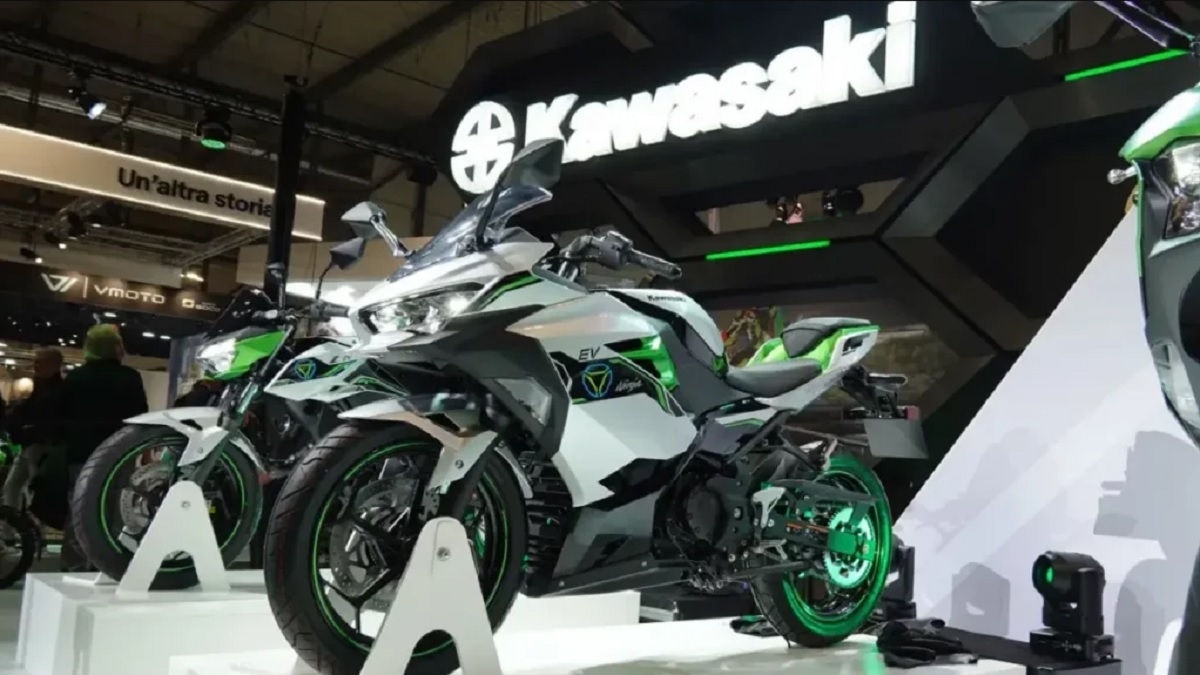
Kawasaki Motorcycles Presents Prototypes That Use Electricity and Even Hydrogen Gas as Fuel. Check Out More Details About the Electric Ninja EV Model in the Article
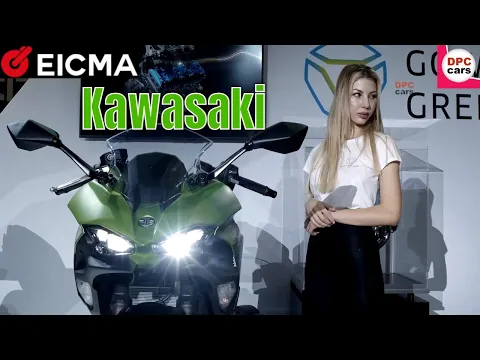
The Kawasaki Ninja is a line from the Japanese brand Kawasaki that produces some of the most famous sport motorcycles on the planet. This week, an annual motorcycle trade show is taking place in Milan, called EICMA or Milan Motorcycle Show, where the brand unveiled the first electric model of the Kawasaki Ninja line.
According to Hiroshi Ito, the company’s president, the motorcycle known as Kawasaki Ninja EV is expected to hit the market next year. Additionally, the brand showcased another electric model at the Milan Show, called Kawasaki Z EV, which will also be launched in 2023. Both motorcycles are pioneers for the company when it comes to using electricity.
The Japanese Brand Brought Several Innovations for Motorcycle Enthusiasts, Not Just in the Electric Sector
Not tired of bringing its innovations to Milan, Kawasaki shows its first hybrid prototype, the Ninja HEV, which will be capable of quickly switching between the internal combustion engine and the electric motor. Finally, the brand introduced an experimental version of the Supercharged Ninja H2 powered by hydrogen, which uses direct injection and compressed gas as fuel.
-
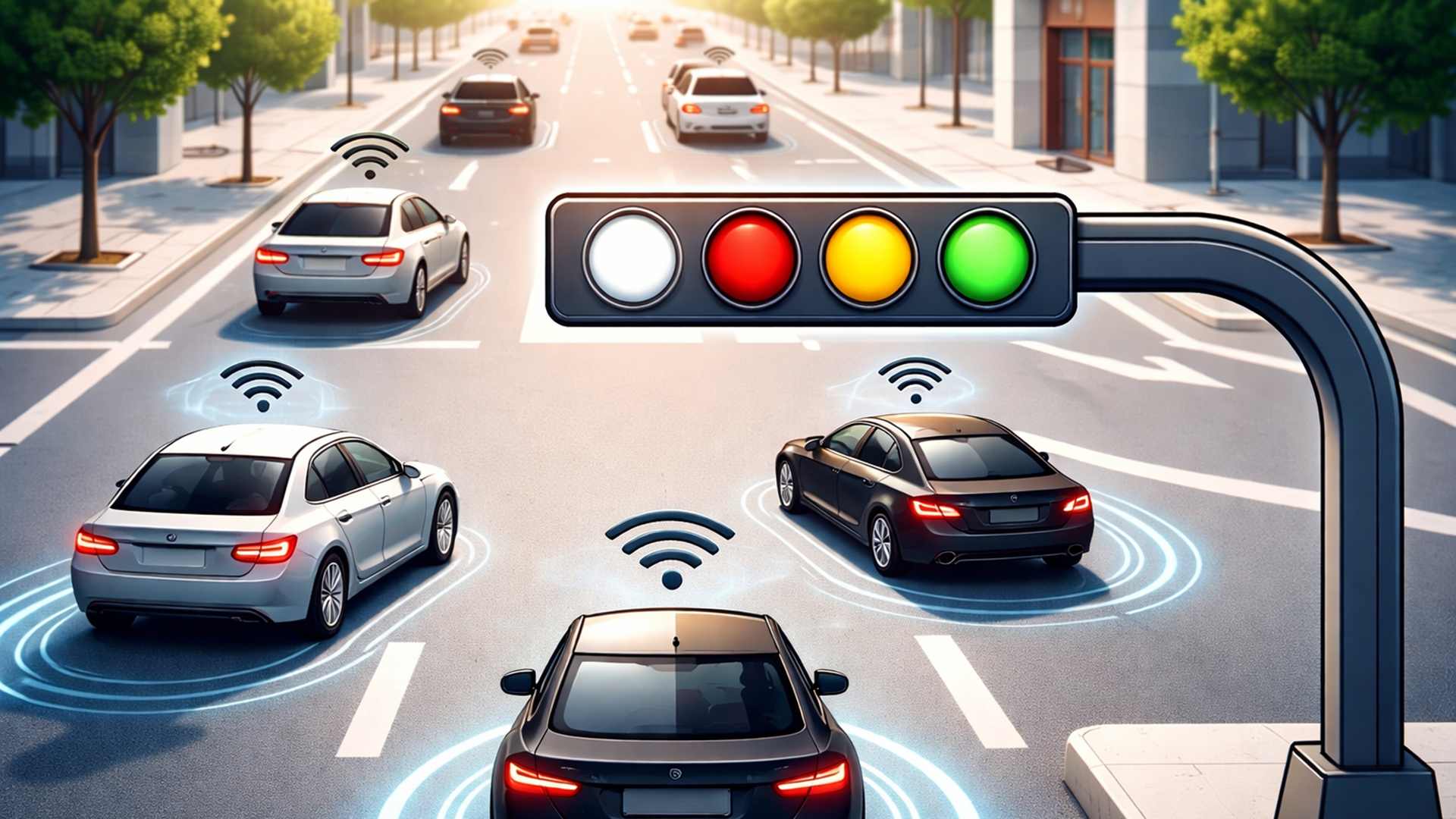
Engineers propose a fourth traffic light for intersections – the change promises to affect crossings, queues, and waiting times.
-
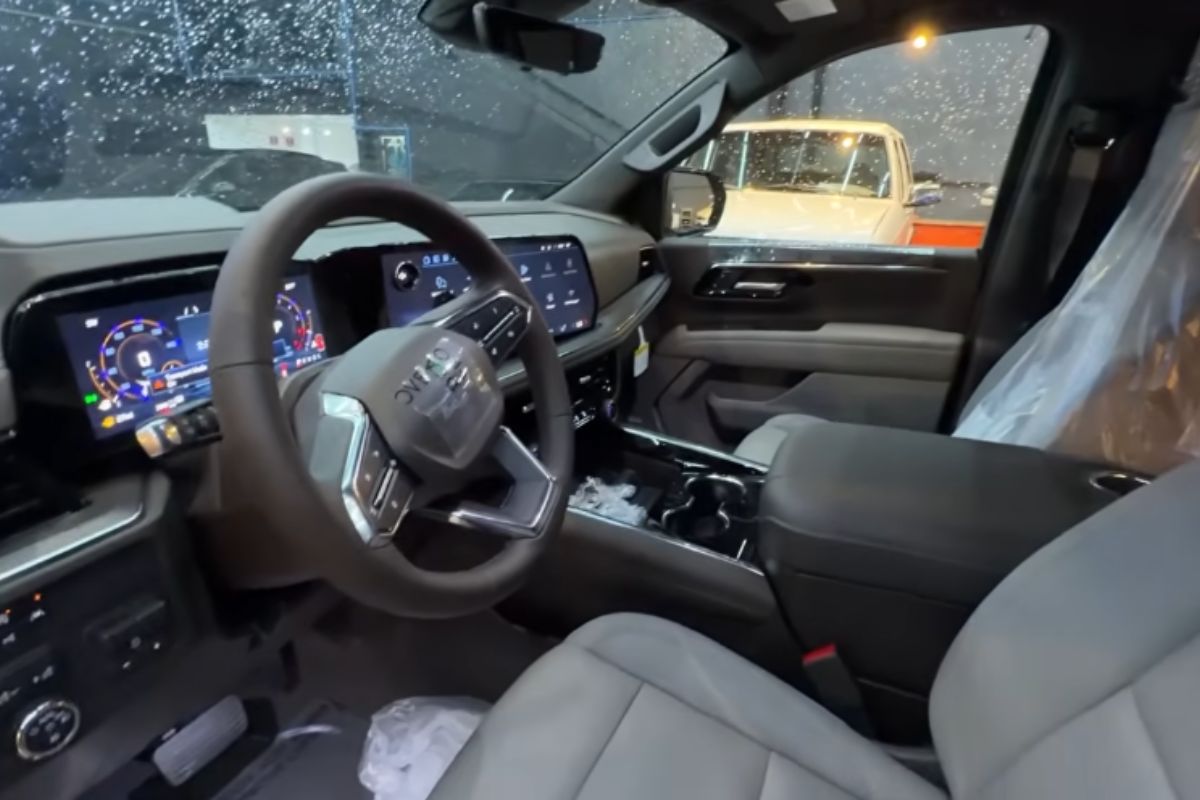
Chevrolet Suburban Z71 lands in Brazil with a V8 engine, off-road design, air suspension, seven seats, and colossal size, a rare version imported for around R$ 1.3 million with luxury and exclusivity.
-
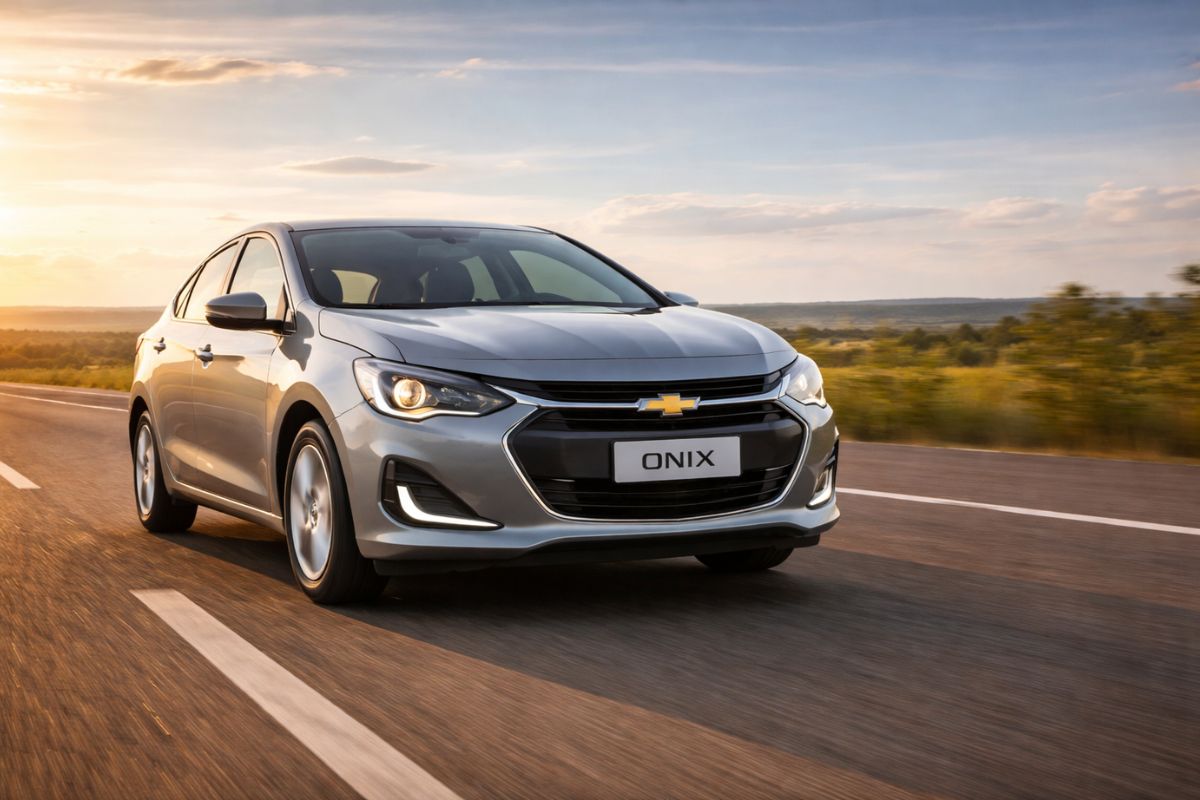
The Chevrolet Onix 1.0 turbo achieves 17.7 km per liter on the highway and ranks among the three most economical cars in Brazil in 2026, alongside two more expensive Toyota hybrids available at dealerships.
-
Little sister of the Hilux: Toyota launches Land Cruiser FJ with 4 radical versions, 2.7 engine with 166 hp and 4×4 traction with locking.


Technical Details About the Electric Motorcycles of the Kawasaki Ninja Line
The motorcycles have a maximum motor power of only 11 kW. This indicates that the motor isn’t very powerful and places the bikes in a class equivalent to 125cc. Additionally, it is important to pay attention to the limited capacity of the 12kg removable batteries. 3 kWh of battery is small compared to most current electric motorcycles. Therefore, it is unlikely that the Ninja EV will have a range much above 75 km/h.
The lightweight and removable batteries were designed to compensate for the low capacity, offering an easy way for riders to charge their batteries at home. However, since leading electric motorcycles today offer 5 to 7 times more battery than Kawasaki’s prototype, it’s hard to imagine the brand being competitive in the market when the bike is launched next year. Furthermore, there is still no estimate of prices for the new motorcycles.








Seja o primeiro a reagir!