





 Portuguese
  English
  Spanish
  5 min of reading
  1 comment


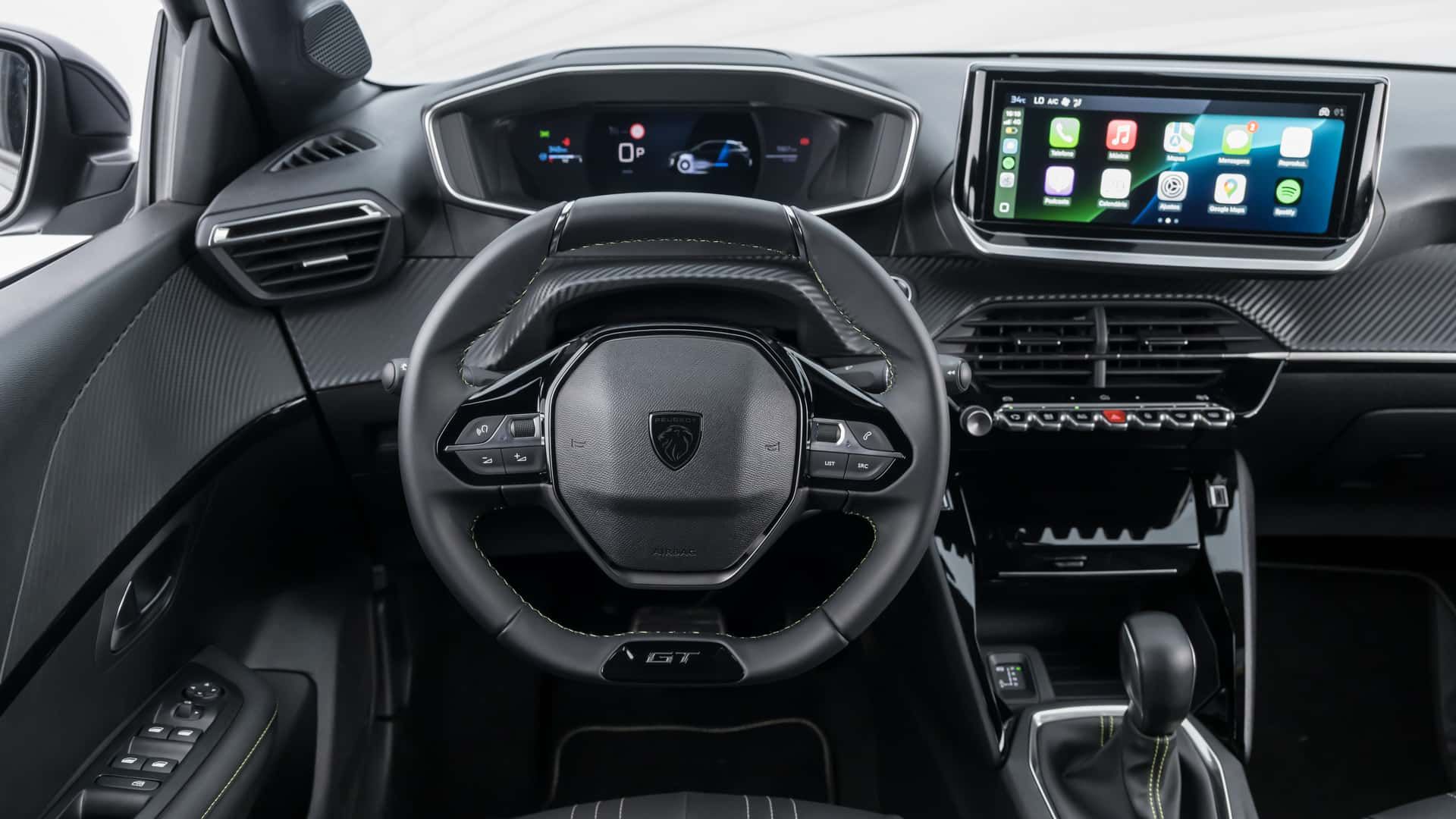


Peugeot Confirms Arrival of Mild Hybrid Versions of the 208 and 2008, Combining a 1.0 Turbo Engine with 130 hp with a 12V Auxiliary Electric System and Technology Already Used by Fiat Pulse and Fastback. Launch Scheduled for September 2025.
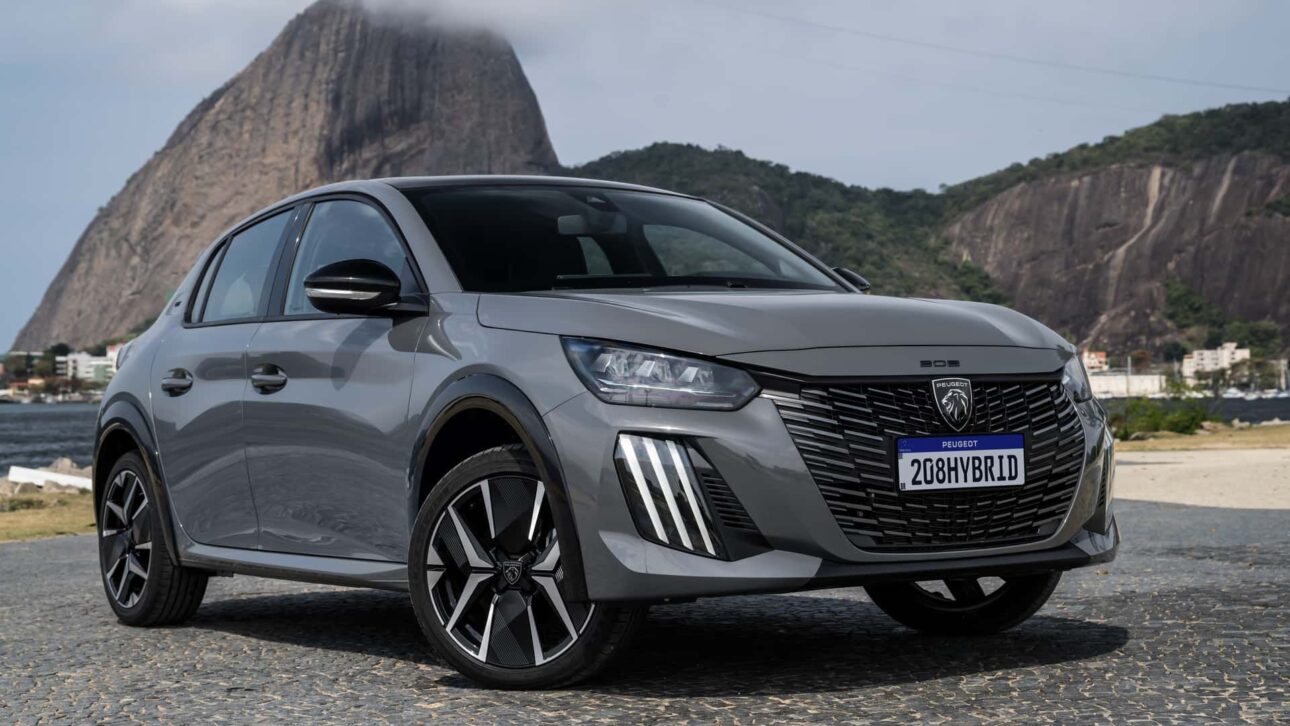
Stellantis has confirmed that the company’s next electrified vehicles in Brazil will be the Peugeot 208 and 2008, which will adopt the Bio-Hybrid architecture debuted by Fiat Pulse and Fastback.
The 208 will combine the 1.0 Turbo T200 engine — the most powerful among compact cars — with a 12-volt electric system featuring a belt-driven generator, creating a lightweight electrification package.
The launch is scheduled for the first week of September 2025, when versions and prices will be detailed.
-
A French brand placed a car on four huge red balloons to prove that its suspension made the vehicle “float,” and the surreal scene became one of the most iconic and unusual images in automotive history.

-
Jeep Avenger begins production in Brazil, debuting as the brand’s new entry-level SUV and inaugurating an unprecedented phase by becoming the first national Jeep manufactured outside of Goiana, as part of a R$ 3 billion plan.
-
Costing R$ 12,490, the new Shineray Urban Lite 150 “cheap one” arrives in Brazil with a CVT transmission, digital dashboard, and LED lights, making it more affordable than the Biz and targeting those who want to abandon the bus.
-
Ducati brings to Brazil the Superleggera V4 Centenario: 228 hp that become 247 with a track kit, carbon fiber and carbon-ceramic brakes, estimated price between R$ 1.5 and 2 million, deliveries only in 2027.
Bio-Hybrid Strategy in Brazil
Announced in August 2023, the Bio-Hybrid strategy was designed to reduce emissions and expand the range of electrified products in the country.
To cover distinct model profiles and audiences, the plan envisages three levels of electrification within the same technological family.
The first stage, simpler, has already been in circulation in Fiat cars since November 2024 and is now coming to Peugeot.
In the statement sent by the company, the architecture confirmed for the 208 and 2008 is the same used in Fiat, without structural changes.
This choice allows for the acceleration of technology adoption, sharing components, and reducing implementation costs while maintaining a focus on urban efficiency.
How the 12V Mild System Works
In the entry-level configuration, the Bio-Hybrid combines the combustion engine with the BSG (Belt Starter Generator), a belt-driven starter generator that replaces the alternator and starter motor.
Powered by a 12V battery positioned under the driver’s seat, the BSG acts as a low-power auxiliary electric motor, delivering up to about 4 hp during moments of higher demand and smoothing out acceleration.
During braking and deceleration, the thermal propulsor itself helps replenish the charge of this dedicated battery, in a simple regeneration cycle.
It is important to emphasize that in this solution, the electric motor does not drive the vehicle alone: it merely assists the system, with primary benefits of comfort and fuel consumption in daily use.
1.0 Turbo T200 Engine and CVT Transmission
The heart of the 208 hybrid will be the 1.0 turbo three-cylinder engine from the T200 family, flex-fuel, producing up to 130 hp and 20.4 kgfm of torque, paired with a CVT automatic transmission that simulates 7 gears.
The calibration prioritizes torque at low revs and linear shifts, characteristics that, combined with the BSG’s boost, are expected to improve responses during stop-and-go driving and reduce peak fuel consumption during starts.
Meanwhile, the Peugeot 2008 SUV will follow the same recipe.
However, it will not have the pioneering status of being the first mild hybrid compact SUV in the country.
Caoa Chery has already been selling the Tiggo 5X Pro Hybrid since 2023 with a similar technical solution, and Fiat models have been adopting the technology since 2024.
Next Steps: 48V and Plug-In
Above the 12V system, the company foresees the Bio-Hybrid e-DCT, which incorporates two electric motors — one BSG and a second motor coupled to the transmission — and raises the system voltage to 48V.
This configuration allows for items like air conditioning to remain operational even when the combustion engine is turned off and provides more robust electric assistance during accelerations.
The arrival date of this variant has not been defined.
At the top of the lineup is the Bio-Hybrid Plug-In, powered by a 380V battery with external charging and regeneration during braking.
In this architecture, the electric motor can drive the car alone, with modes varying between fully electric driving, combined operation, and priority activation of the thermal engine when necessary to replenish energy.
This is the most powerful and versatile solution in the package.
208 Will Be the Only Mild Hybrid Compact Hatch
With the adoption of the Bio-Hybrid system, the Peugeot 208 will become the only compact hatch with electrified powertrains available in Brazil at that time.
The model reinforces its positioning in the segment and differentiates itself by featuring the most powerful 1.0 turbo engine in the category.
This factor may contribute to commercial gains, especially among consumers looking for efficiency without sacrificing performance in the city.
Nonetheless, the proposal differs from full or plug-in hybrids by not offering independent electric traction.
Despite this, the simplicity of the 12V system reduces weight and maintenance costs compared to more complex solutions.
Current Prices and What to Expect for the Launch
The official prices of the Bio-Hybrid versions will be announced at the launch event in September 2025. Until then, the reference is the current pricing of conventional lines.
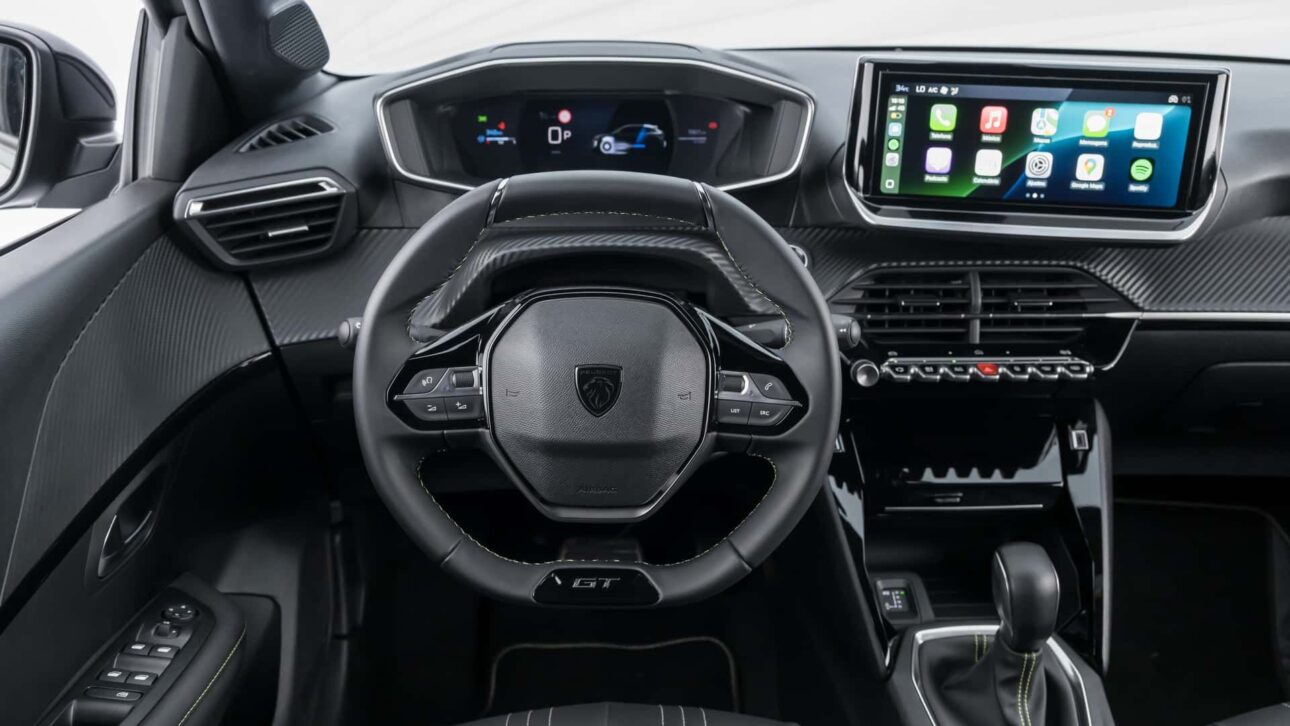
In the case of the 208, the portfolio starts from R$ 91,990 for the Active version and goes up to R$ 128,990 for the GT. For the 2008, the range starts at R$ 143,990 for the Active and goes up to R$ 173,990 for the GT.
There is also the fully electric e-2008, priced at R$ 269,990. Since Stellantis indicates that the architecture will be the same as Fiat’s, the expectation is that the prices will not deviate significantly from the current policy.
However, changes in content and positioning may adjust the gap between versions.
The definition will come with the complete list of equipment, consumption targets, and any changes in finishing or connectivity.
What Changes for the Consumer
In practice, the mild hybrid 208 promises smoother starts, more discreet start/stop operation, and reduced consumption on urban routes, without requiring external charging.
Maintenance is likely to remain similar to that of a combustion car, considering that the BSG replaces traditional components.
For those primarily driving in the city and looking for a first step into electrification, the 12V format balances cost and benefit.
For uses that demand more electric performance, however, it will be necessary to wait for the evolution to 48V or the arrival of plug-in options.
Stellantis has already announced the technological roadmap, and Peugeot will follow this schedule in Brazil as the industrial timeline allows.
With the confirmation of the 208 and 2008 Bio-Hybrid and the promise to reveal details and prices in early September, the brand is preparing a new chapter for its compacts in the country.
What level of electrification makes the most sense for your daily use: the current 12V mild system, or would you prefer to wait for 48V and plug-in solutions?








Redução de consumo de quanto? Enquanto as montadoras não entenderem que o brasileiro tá **** pra redução de emissões e que, diante de governos incapazes de reduzir o preço da gasolina, o que importa mesmo é com a redução de consumo e o custo x beneficio do veículo, não terão resultados positivos. Ainda mais a Stellantis com esses carros caros que entregam poucos acessórios. Estranhamente, a Chery e demais chinesas entendem muito melhor o consumidor brasileiro.