





 Portuguese
  English
  Spanish
  3 min of reading
  4 comments


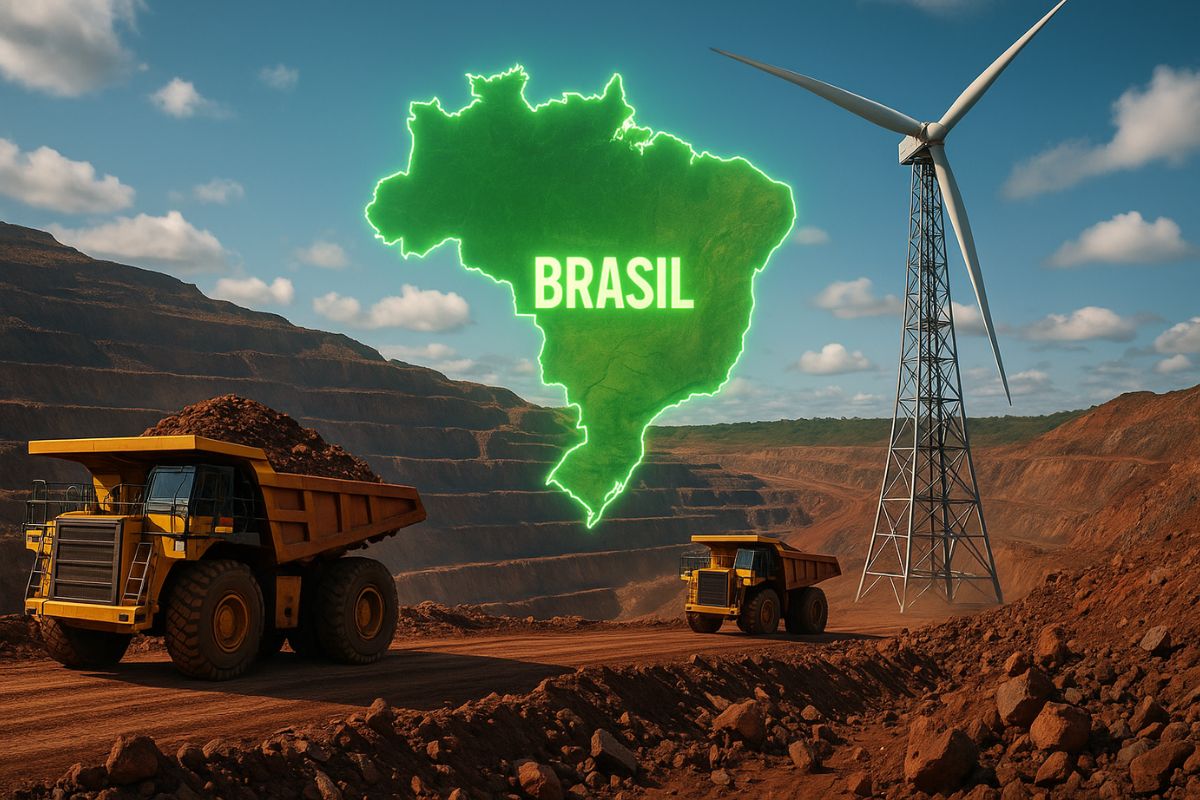


New Vale Plan Wants To Include Iron Among Strategic Minerals In Brazil. Mining Company Pressures Lula Government To Recognize Iron Ore As Essential To Energy Transition And Secure Public Incentives.
The new Vale plan seeks to change how Brazil classifies strategic minerals. The company, which in 2024 reported R$ 170 billion in net revenue from iron, argues that the product should be considered critical when it has a high purity level. The proposal is already under discussion with the Lula government, which is preparing an incentive package to boost the production of materials aimed at the green economy.
Currently, the official list prioritizes minerals such as lithium, niobium, graphite, and copper, essential for batteries, electric cars, and renewable energy. Vale, however, argues that high-quality iron should also be classified as strategic, as it is used in wind turbines, transmission lines, and can reduce emissions in steelmaking.
Why Iron Is At The Center Of Vale’s Strategy
According to the mining company, iron with purity above 63% can be transformed into briquettes and Hot Briquetted Iron (HBI), which allow for a drastic reduction in CO₂ emissions in steel production. This sector accounts for about 8% of global pollution, and low-carbon technologies are seen as crucial in the energy transition.
-
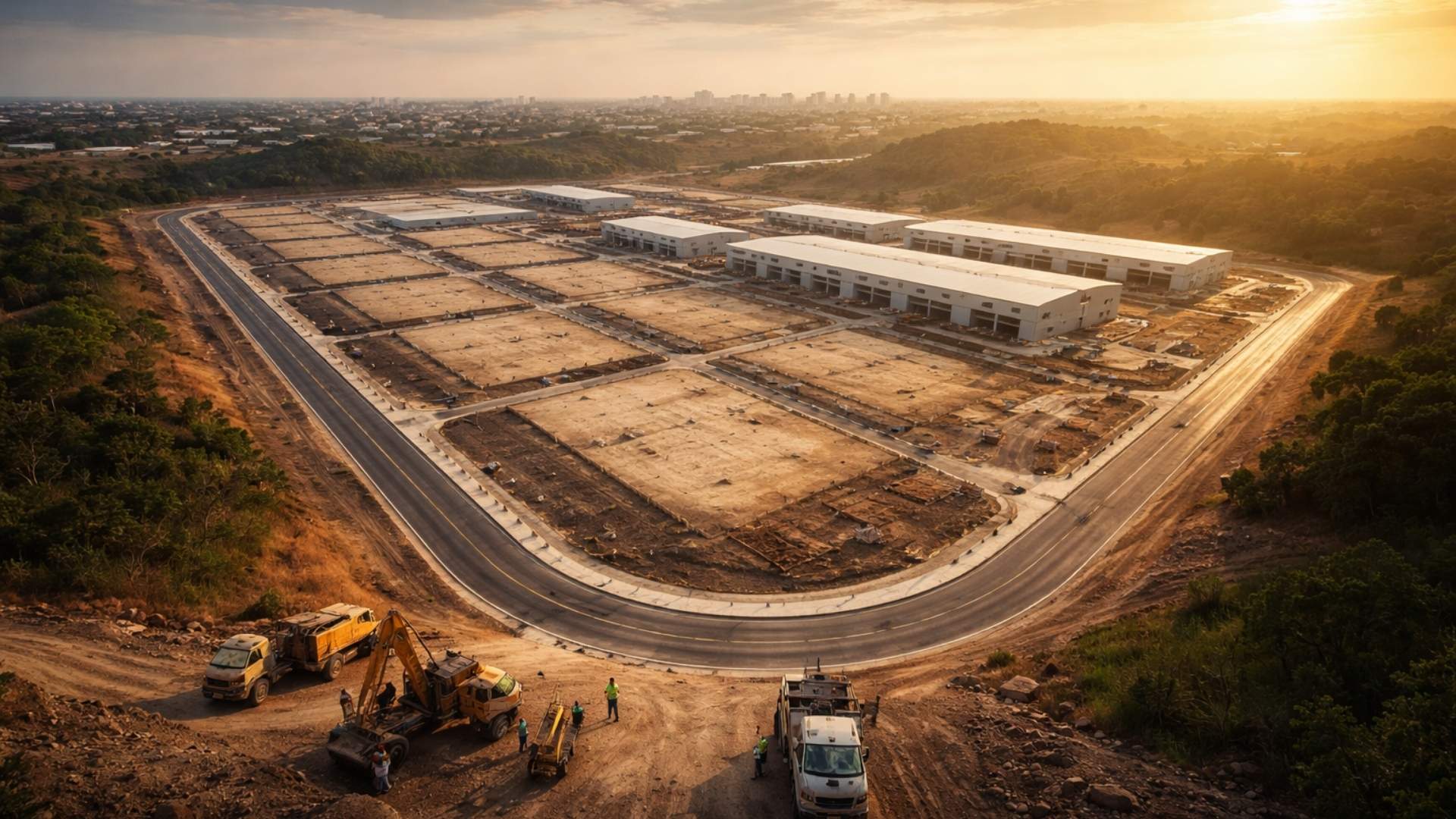
Brazilian city gains industrial hub for 85 companies that is equivalent to 55 football fields.
-
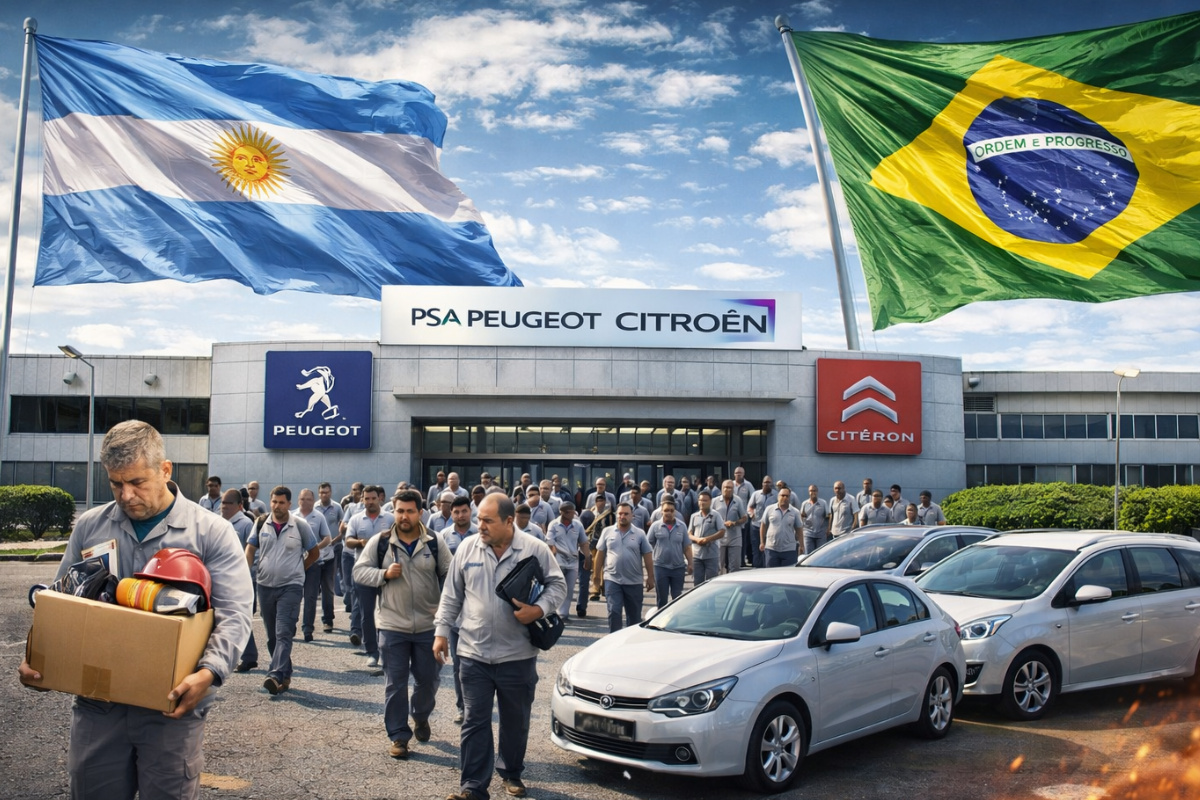
Peugeot and Citroën factory in Argentina cuts production by half and opens a layoff program for more than 2,000 employees after Brazil drastically harmed purchases of Argentine vehicles.
-
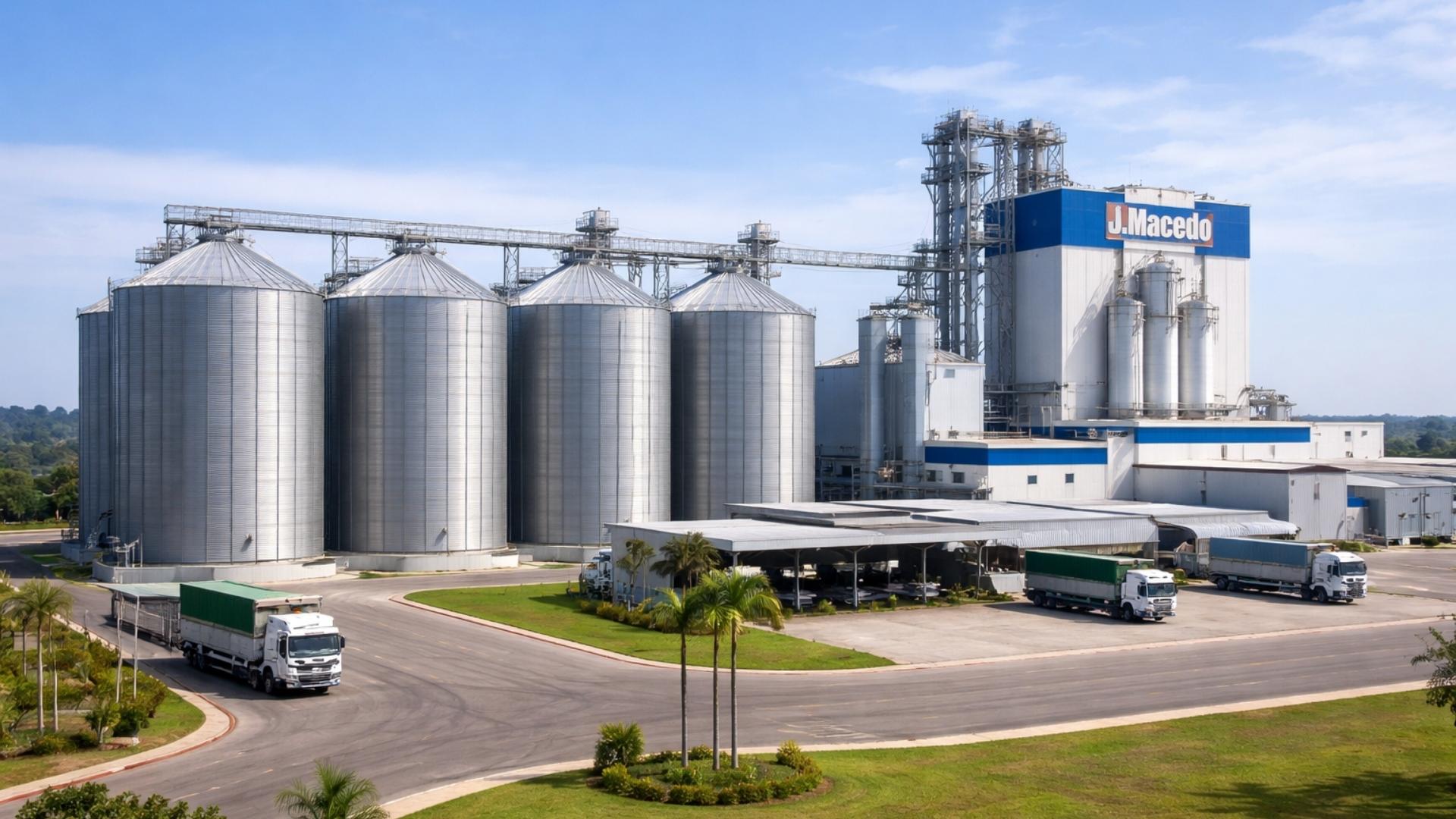
A Brazilian city gains a factory worth R$ 300 million with the capacity to process 200 thousand tons of wheat per year, a mill of 660 tons per day, silos for 42 thousand tons, and an industrial area of 276 thousand m².
-
Havan will leave the shopping mall in Blumenau to inaugurate something the chain has never done before: a megastore in half-timbered style in the Historic Center of the city, which is expected to be ready in May and change the landscape of local retail.
The company has already entered into international agreements, such as the memorandum with the Spanish company Hydnum Steel, which envisions the construction of a briquette plant starting in 2026. For Vale, including iron in the package of critical minerals is vital to secure access to BNDES financing lines and issuance of incentivized debentures.
What The Government Says About The Plan
According to sources from the Executive, the government’s plan focuses on materials whose national production is still limited or highly dependent on imports. In the case of iron, the supply chain is already consolidated: in 2024, Brazil produced 327 million tons, making it the third most exported product in the country, surpassed only by oil and soybeans.
Still, the Ministry of Mines and Energy has already classified iron ore as essential for the trade surplus in a resolution from 2021. The question is whether the government will agree to expand the benefits of a plan aimed at critical minerals to a sector that already dominates the global market.
Can Iron Compete With Lithium And Other Critical Minerals?
Experts consulted by the Energy Research Company (EPE) remind us that, in the global scenario, iron is unlikely to be seen as a critical mineral, precisely because of its abundance and consolidated production chain. Unlike lithium, which needs to multiply its production by 40 times in the next 20 years, or graphite, whose extraction should increase 25 times to meet battery demand, iron does not face supply bottlenecks.
However, Vale bets on the argument of sustainability: by developing technologies that reduce gas emissions in steel, Brazil could gain global prominence in green steelmaking, leveraging the abundance of high-quality ore.
Geopolitical And Economic Impacts Of The Proposal
If the request is accepted, the new Vale plan could guarantee billion-dollar incentives for decarbonization projects related to iron. This would change the axis of the debate, broadening the list of critical minerals beyond high technology to also include products that support traditional global industrial chains.
On the other hand, critics fear that including iron may divert resources from emerging sectors, such as lithium and copper, which require more investment to achieve international competitiveness. The government will have to balance business pressures with the need to position Brazil in the race for strategic minerals of the future.
The new Vale plan opens a central discussion: should Brazil prioritize only rare and high-tech minerals or also strengthen its greatest already-established wealth, iron?
And you, what do you think? Should high purity iron be recognized as a strategic mineral for the energy transition, or should the government maintain focus on lithium, graphite, and other future inputs? Leave your opinion in the comments.






O minério de ferro não deve ser incentivado, já é um produto que está consolidado, com oferta abundante e incentivá-lo tiraria recursos de outros **** que necessitam de incentivo. Parece demagógico também, uma empresa que era pública, ser privatizada, lucrar bilhões de dólares anualmente e vir buscar incentivos do governo.
Sou a favor da Estatização de todas as riquezas naturais do Brasil
Não, de maneira nenhuma o dinheiro público não deve ser usado para dar incentivo para empresas privadas que já domina toda tecnologia de exploração e manufatura do material, o País tem que incentivar é o desenvolvimento de novas técnicas de extração e processamento de **** complexos, a ganância de muitas empresas chega a ser até imoral, já não chega que levaram a vale do Rio doce quase de graça no governo entreguista do FHC.