





 Portuguese
  English
  Spanish
  3 min of reading



Nicknamed the New Pre-Salt, the Equatorial Margin is One of the Big Bets of the Brazilian Oil and Gas Market. Petrobras Plans to Apply a Large Part of Its Investments in the Exploration of the Region Over the Next Years.
The Brazilian oil and natural gas market is increasingly turning to the big bet of the future: the new pre-salt. Located from Amapá to Rio Grande do Norte, the Equatorial Margin is the main focus of Petrobras for the coming years. The company will direct almost half of its exploration investments to the area by 2027. Recent discoveries by oil companies such as ExxonMobil reinforce the high potential of the region’s reserves.
Petrobras is Eyeing the Equatorial Margin for Heavy Investments in Exploration Campaigns in the New Brazilian Pre-Salt in the Coming Years
Moving to soon begin its exploration campaign in the Equatorial Margin, the state-owned company Petrobras is eyeing the area’s potential.
Known as the new pre-salt, the region is located along the coastal strip from Amapá to Rio Grande do Norte.
-
Brazilian giant expands borders in the Southeast: Petrobras confirms new oil discovery in ultra-deep waters in the pre-salt of the Campos Basin.

-
Alert in the global energy market: Severe tropical cyclone hits the coast and disrupts gas production at major plants in Australia, threatening global supply.

-
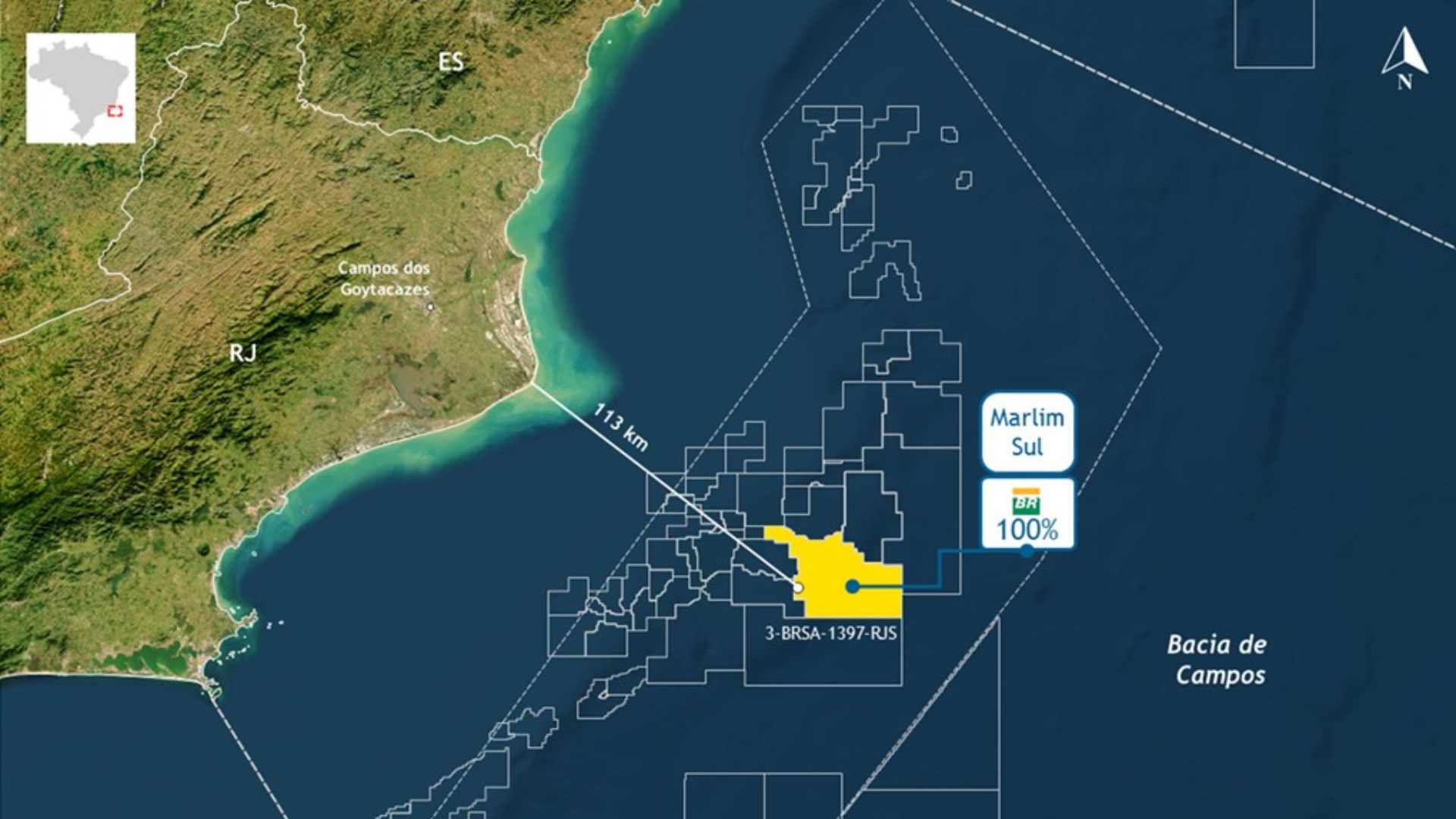
Petrobras finds high-quality oil in the pre-salt at 113 km from RJ and reignites expectations about strategic reserves in the Campos Basin.

-
Ocyan opens registrations for startups focused on innovation in the oil and gas sector and will select projects for Innovation Day with the support of Nexio.


However, despite receiving this name, its exploration does not occur beneath a salt layer. The nickname was given due to the high potential for oil and natural gas production, comparable to the national pre-salt.
Moreover, recent discoveries of reserves by oil companies make this area particularly attractive at present.
Petrobras is considering allocating about 49% of its exploration investments to the Equatorial Margin by 2027.
By way of example, ExxonMobil has already made more than 25 hydrocarbon discoveries in the territorial sea of Guyana. Additionally, TotalEnergies and Apache announced the discovery of reserves near Suriname.
Data from the National Agency of Petroleum, Natural Gas and Biofuels (ANP) regarding discoveries in the basins of the so-called African Conjugate Margin, which resembles the new Brazilian pre-salt, also indicate high exploration potential.
“The Equatorial Margin is considered a strategic area for Petrobras and a promising exploratory frontier in ultra-deep waters. Recent discoveries made by other companies in neighboring regions to this frontier (offshore of Guyana and Suriname) corroborate this potential,” Petrobras stated.
New State President, Jean Paul Prates Advocates for Investments in the Exploration of the Equatorial Margin, the New Pre-Salt of the Country
In his first statement as the new president of Petrobras, Jean Paul Prates emphasized his commitment to expanding the oil and gas exploration frontier in Brazil.
He advocated for future investments in campaigns in the new Brazilian pre-salt, confirming the state-owned company’s high interest in the fields of the Equatorial Margin.
To begin its activities in the coastal region, the company is only awaiting an environmental license from the Brazilian Institute of Environment and Renewable Natural Resources (Ibama).
Recently, the company received a positive signal to start simulations in the Mouth of the Amazon, in the state of Pará.
Thus, it has been making significant progress in its activities for the exploration of the Equatorial Margin in 2023.
Once it obtains the Ibama license, Petrobras will conduct its first drilling in the region of the Mouth of the Amazon Basin, in ultra-deep waters.
Now, the state oil company is waiting for the authorizations to continue its investments in the exploration of the new Brazilian pre-salt, the Equatorial Margin.









Seja o primeiro a reagir!