





 Portuguese
  English
  Spanish
  3 min of reading


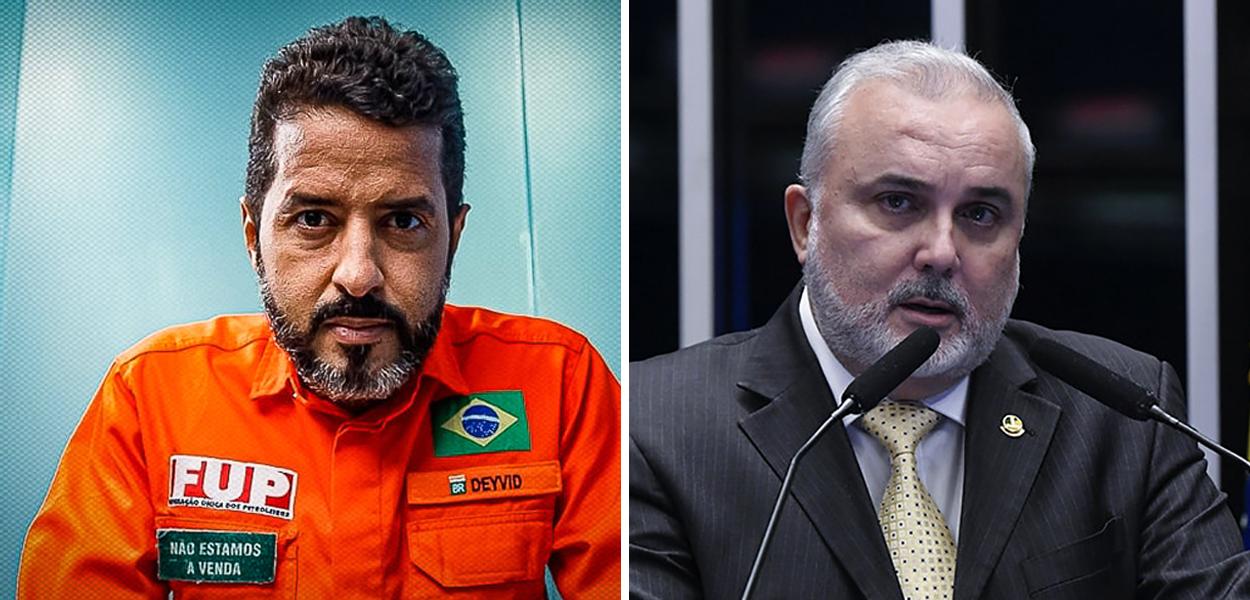
The Unions of Brazilian Oil Workers Seek New Measures for a Reduction in Fuel Prices in the Country. The New President of Petrobras, Jean Paul Prates, Will Discuss the Possible End of the PPI at the State-Owned Company.
On the afternoon of this Friday, (01/27), the new president of Petrobras, Jean Paul Prates, will meet with the main oil workers’ unions in Brazil to discuss industry issues. The main topic to be addressed will be the end of the import parity price policy (PPI), aiming for a reduction in fuel prices in the country. This is an idea supported by the current Lula Government, as it may contribute to the future of the national market.
Jean Paul Prates Meets with Oil Workers’ Unions to Discuss the End of the PPI at Petrobras to Reduce Fuel Prices in Brazil
After taking office as the new president of Petrobras, Senator Jean Paul Prates is preparing to begin work on the company’s future in the national market.
This Friday, he will meet with the main oil workers’ unions in the country to discuss the end of the PPI and the replacement of the current pricing policy at the company.
-
Brazilian giant expands borders in the Southeast: Petrobras confirms new oil discovery in ultra-deep waters in the pre-salt of the Campos Basin.

-
Alert in the global energy market: Severe tropical cyclone hits the coast and disrupts gas production at major plants in Australia, threatening global supply.

-
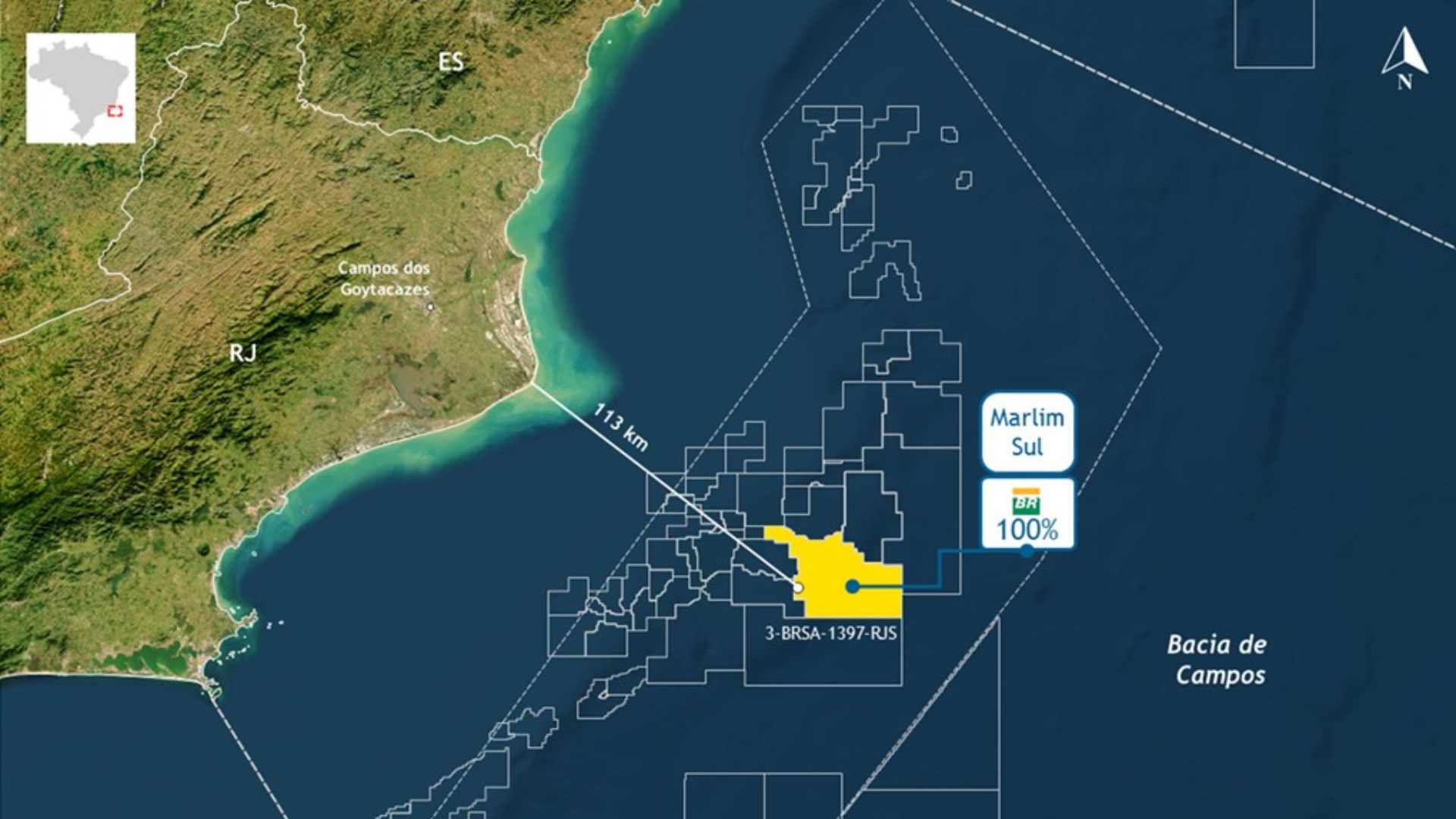
Petrobras finds high-quality oil in the pre-salt at 113 km from RJ and reignites expectations about strategic reserves in the Campos Basin.

-
Ocyan opens registrations for startups focused on innovation in the oil and gas sector and will select projects for Innovation Day with the support of Nexio.


The goal of the oil workers is to hold the promises made during the Lula Government campaign for the future of the state-owned company, focusing on improvements for the end consumer.
At 3 PM, Prates will meet with the United Federation of Oil Workers (FUP) and, at 4:30 PM, the National Federation of Oil Workers (FNP).
The FNP will present to Jean Paul Prates the studies conducted by the Social Observatory of Oil (OSP). They demonstrate the possibility of selling fuels at more accessible prices in Brazil, by unlinking the prices from the international quotation.
For this, the national production cost would be considered, putting aside the comparison with the international market.
“Petrobras has a cost structure that allows selling fuels at prices cheaper than the current international values. We produce in Brazil most of the oil and fuel we consume, and the cost of this production has not changed in recent years, except for what is paid in government royalties, whose values vary with the price of Brent,” emphasized economist Eric Gil Dantas from the OSP and the Brazilian Institute of Political and Social Studies (Ibeps).
Lula Government and the New President of Petrobras Need to Act to Stabilize the High Fuel Price Scenario in the National Market in 2023
With the current pricing policy, the PPI, adopted at Petrobras by Pedro Parente in 2016, the state-owned company charges in Brazil amounts that vary according to the international oil scenario.
However, the oil workers’ unions highlight the problems caused by the adoption of this pricing policy.
The variability of the price of a barrel of oil leads to significant adjustments in values, as well as prices above what was expected.
Eric Gil Dantas emphasizes the urgency for the Lula Government and Jean Paul Prates to adopt a new pricing policy as soon as next month.
This is because the exemption from federal taxes on fuels ends at the end of February, and the scenario could become more complicated in the international market in the coming months.
The FNP also intends to discuss with Jean Paul Prates the end of the divestment project of Petrobras’ assets, as well as new investments in national projects.
The demands of the oil and gas sector and also of the workers, both active and retired, whether direct or outsourced from the state-owned company, will also be brought to the discussion.
In this way, the new president of Petrobras, Jean Paul Prates, is getting closer to the demands of the oil workers’ unions.









Seja o primeiro a reagir!