





 Portuguese
  English
  Spanish
  2 min of reading


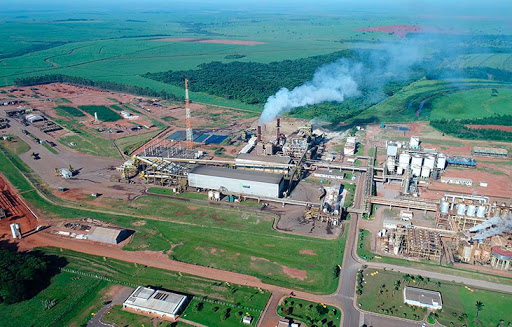
Initiative Will Highlight the Municipalities of Narandiba, Prudente, and Pirapozinho Regarding the Supply of Gas Generated from the Processing of Sugarcane Waste
According to GasBrasiliano, the project for the Cocal plant in Narandiba, which will produce biomethane from sugarcane, is still in an expansion plan for the period 2020-2024, and its feasibility still depends on obtaining authorization from the regulatory body, Arsesp (Environmental and Energy Regulatory Agency of the State of São Paulo).
See Also
- Golar Power Partners with Argentine Company Galileo for Innovative LNG Project in Brazil
- Golar Power, an Active Player in the Natural Gas Market, Launches Unprecedented Public Call to Buy 5 Million Cubic Meters of Biomethane Daily
- Drilling Fluid Waste Management Market in Latin America, Led by Brazil, Expected to Reach US $ 945.3 Million in 2020
Project in Expansion
“The activities related to the structuring of the project for its future execution continue to be carried out normally.” Arsesp, in a statement, clarifies that the project for the Cocal plant in Narandiba is being evaluated within the scope of the 4th Ordinary Tariff Review of GasBrasiliano, which will follow the schedule published in Deliberation Arsesp No. 959, with its conclusion still in 2020.
Learn More About Biomethane from the Cocal Plant in Narandiba
According to ANP (National Oil Agency), biomethane is a gaseous biofuel obtained from the processing of biogas through sugarcane. Biogas, in turn, originates from the anaerobic digestion of organic material – decomposition by the action of bacteria, mainly composed of methane and carbon dioxide.
-
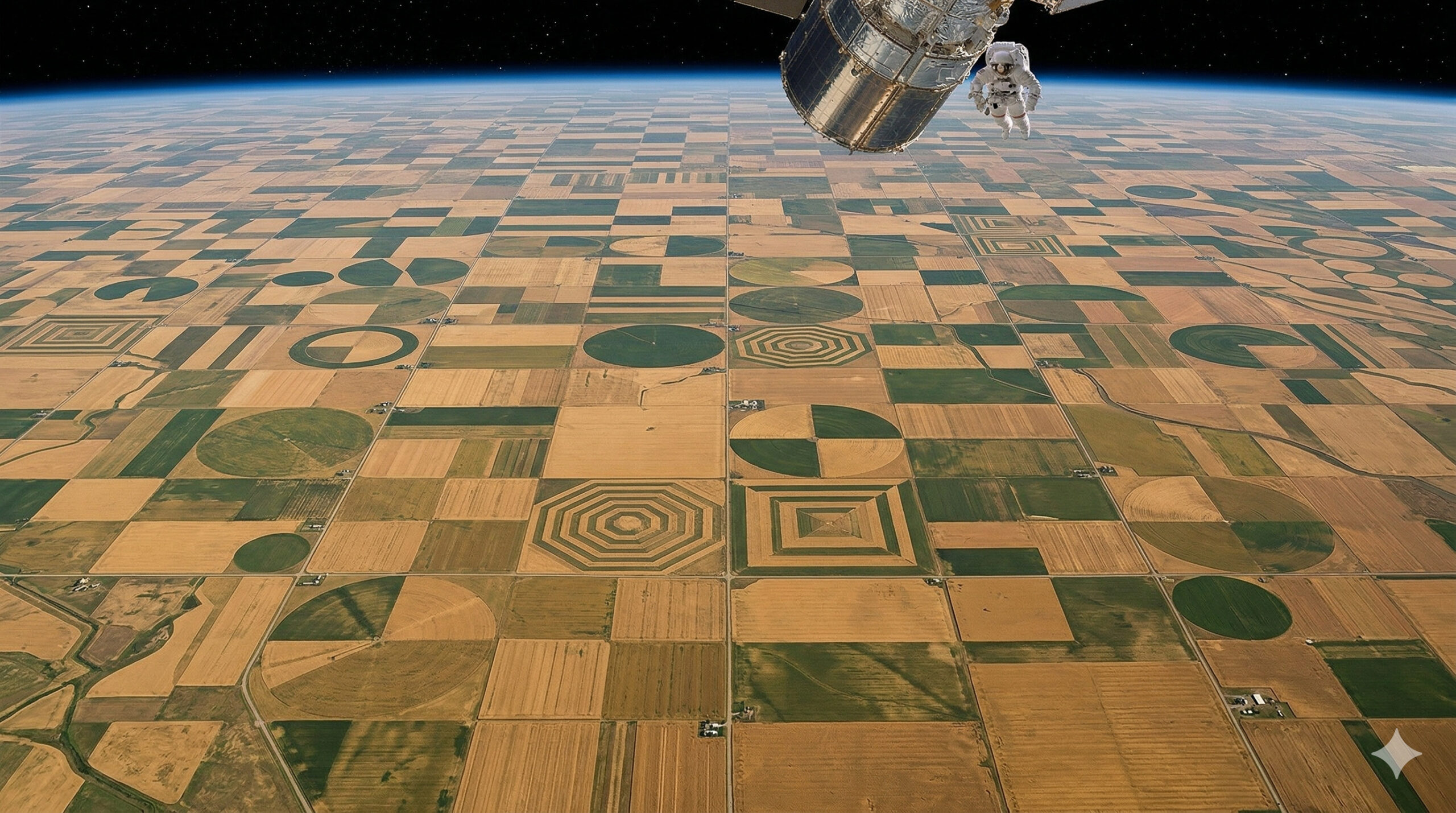
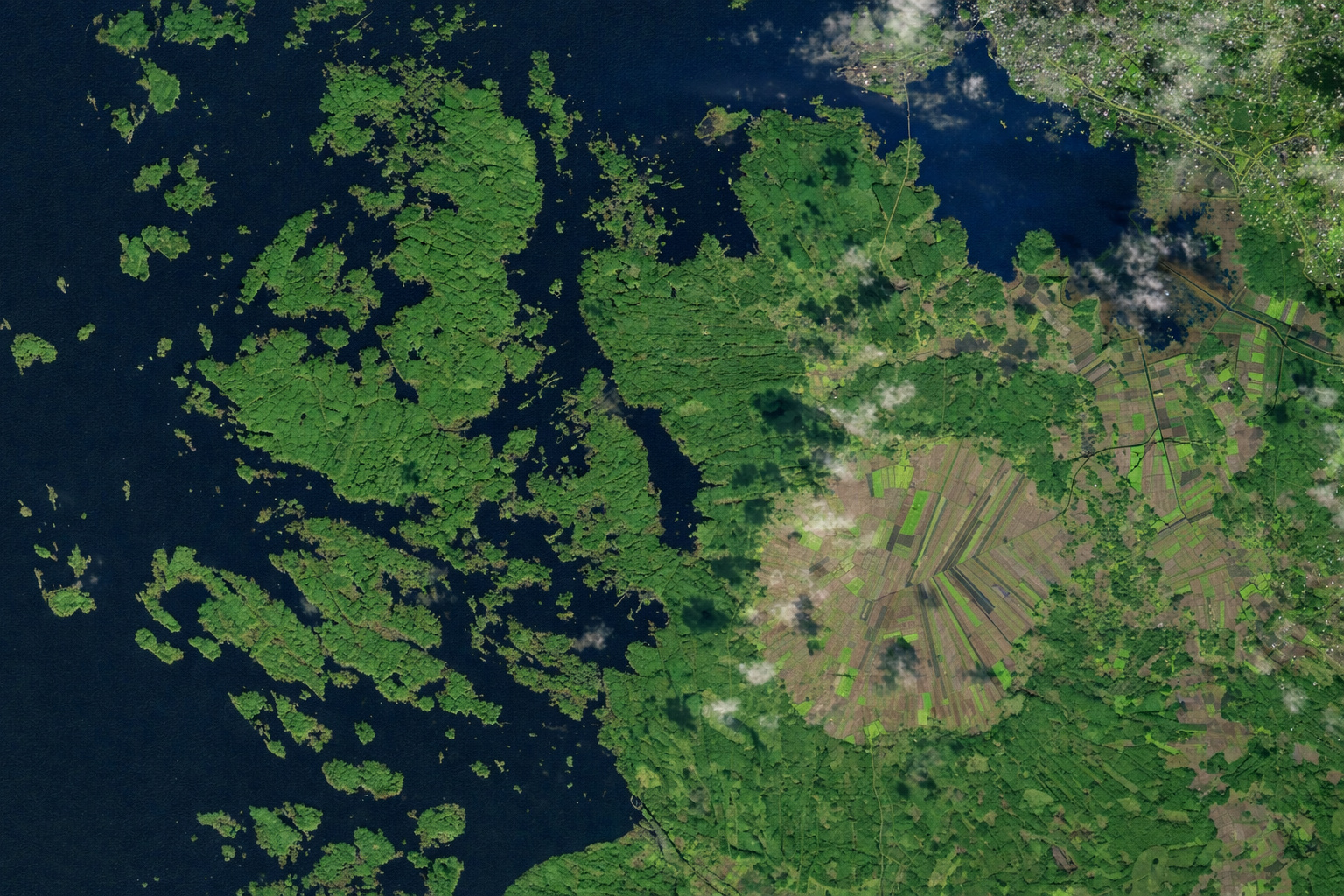
More than 20,000 km² of wheat fields form nearly perfect lines and geometric shapes in Montana, creating an agricultural pattern so symmetrical that the landscape looks like an abstract artwork visible from space.
-
A new law being voted on in Brazil proposes a minimum fare of R$ 10 per trip and R$ 2.50 per kilometer for Uber and 99 drivers, and promises to ensure they earn as well as taxi drivers did during the golden age of taxis in the country.

-
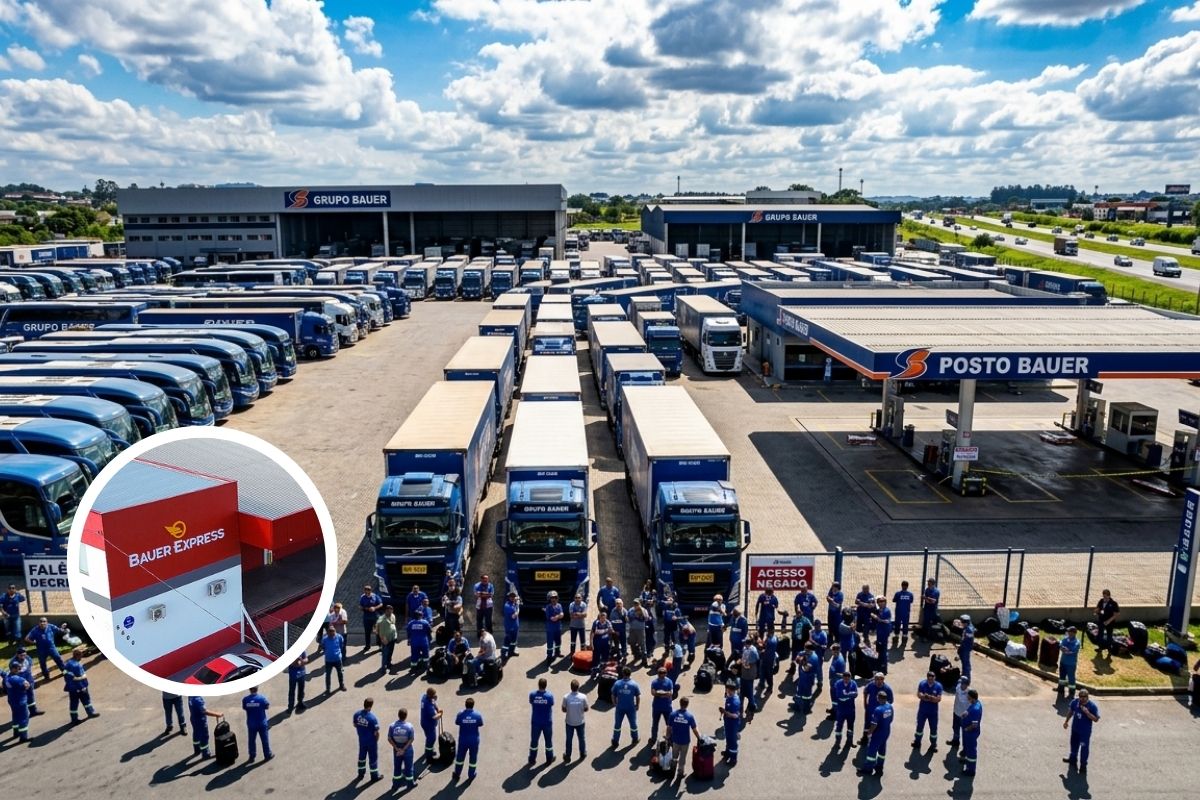
Bauer Group collapses after failed judicial recovery: 25 years, 800 vehicles, and a network of gas stations leave a debt of R$ 50 million and 100 layoffs, exposing costs, tight margins, and expensive credit in Brazil.
-
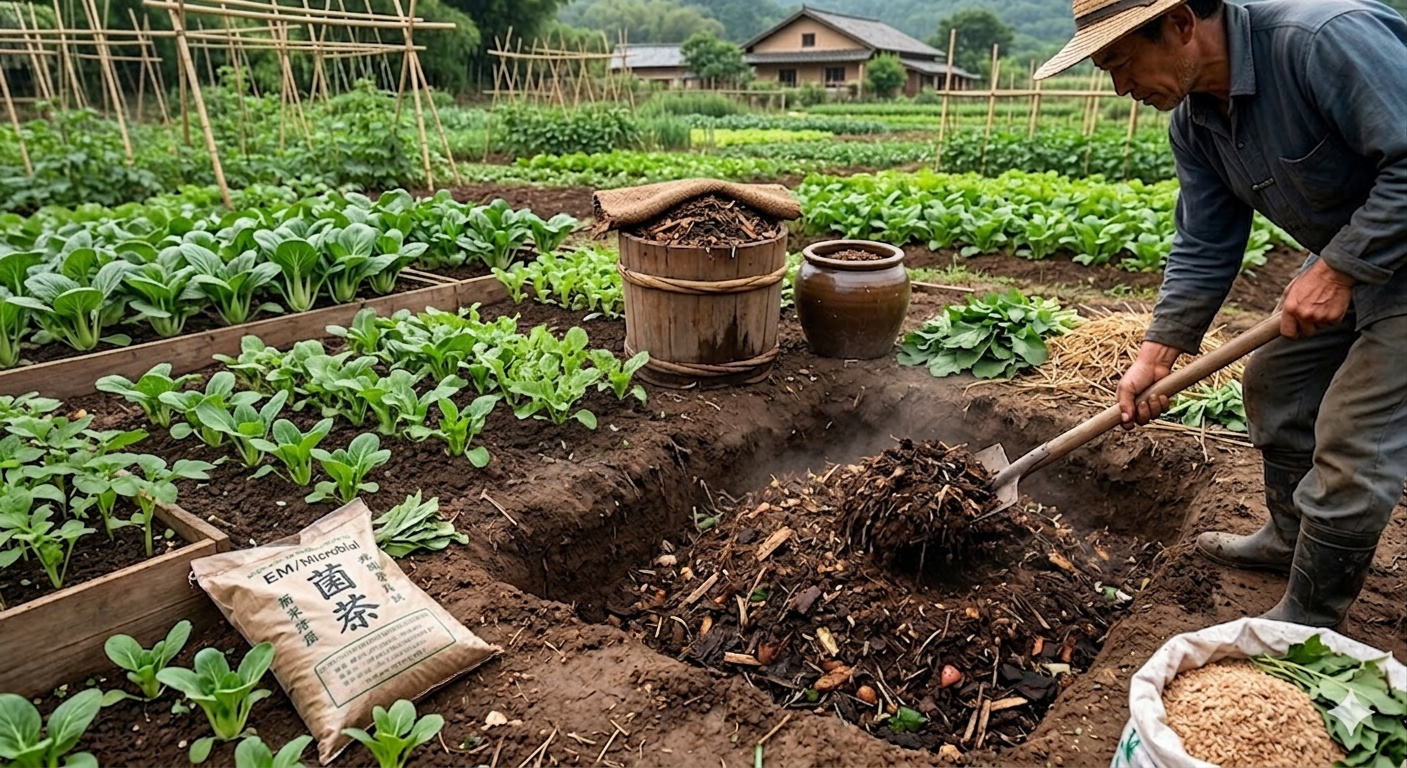
Bokashi, an Asian-origin fertilizer, is formed through the fermentation of husks, organic matter, and microorganisms, gaining traction in agriculture for strengthening beds and accelerating soil life.

It is produced from products and organic agrosilvopastoral waste, agricultural waste, animal manure, domestic sewage, and urban solid waste such as that from sugarcane.
Production Capacity
In annualized terms, the plant will produce in phase 1:
- volume of 33.5 million Nm3 (cubic meters) of Biogas;
- during the harvest period, around 114,000 Nm3/day;
- with this production, energy export will be up to 33,300 MWh (Megawatt-hour) per year, where the burning of biogas, after treatment, is directly in the generators;
- the other part will be purified and converted into Biomethane, with an annualized production of 8.9 million Nm3, approximately 24,000 Nm3/day.






Seja o primeiro a reagir!