





 Portuguese
  English
  Spanish
  4 min of reading
  0 comments



Republican Proposal to Reverse Solar Energy Tax Credits Threatens to Close 287 Factories and Cut US$ 220 Billion in Investments, According to the Solar Energy Industries Association (SEIA).
A budget proposal under discussion in the United States Congress threatens the continuation of important clean energy incentives, with potential direct impacts on jobs, factories, and investments in the solar and storage energy sector. The bill, supported by the Republican majority, was approved over the weekend by the House Budget Committee and will be reviewed this Wednesday by the House Rules Committee.
According to estimates released by the Solar Energy Industries Association (SEIA), the approval of the text in its current form could jeopardize about 300,000 jobs and compromise up to 287 factories spread across several states, most in regions traditionally favorable to the Republican Party.
Factories, Investments, and Energy at Risk with New Bill
The President and CEO of SEIA, Abigail Ross Hopper, stated that the bill represents a direct threat to the future of the solar and storage energy industry in the U.S. “If this proposal becomes law, nearly 300 factories in the country — most in Republican states — could close or never open,” she said in an official statement on Tuesday.
-
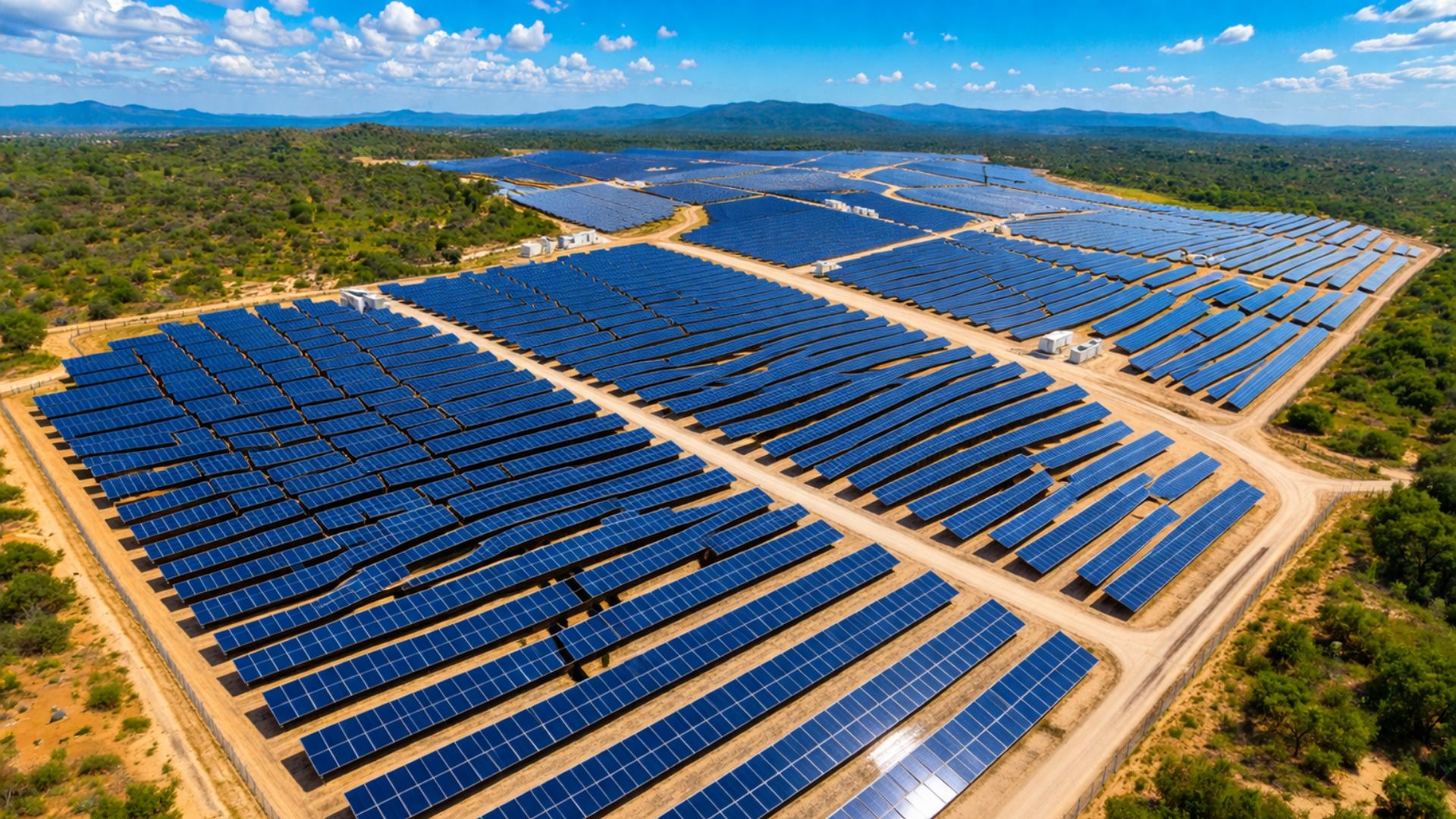
The Sol do Agreste Photovoltaic Complex begins operations in Pernambuco and accelerates the expansion of solar energy in Brazil, directly impacting the reduction of emissions and strengthening the sustainable energy matrix.
-
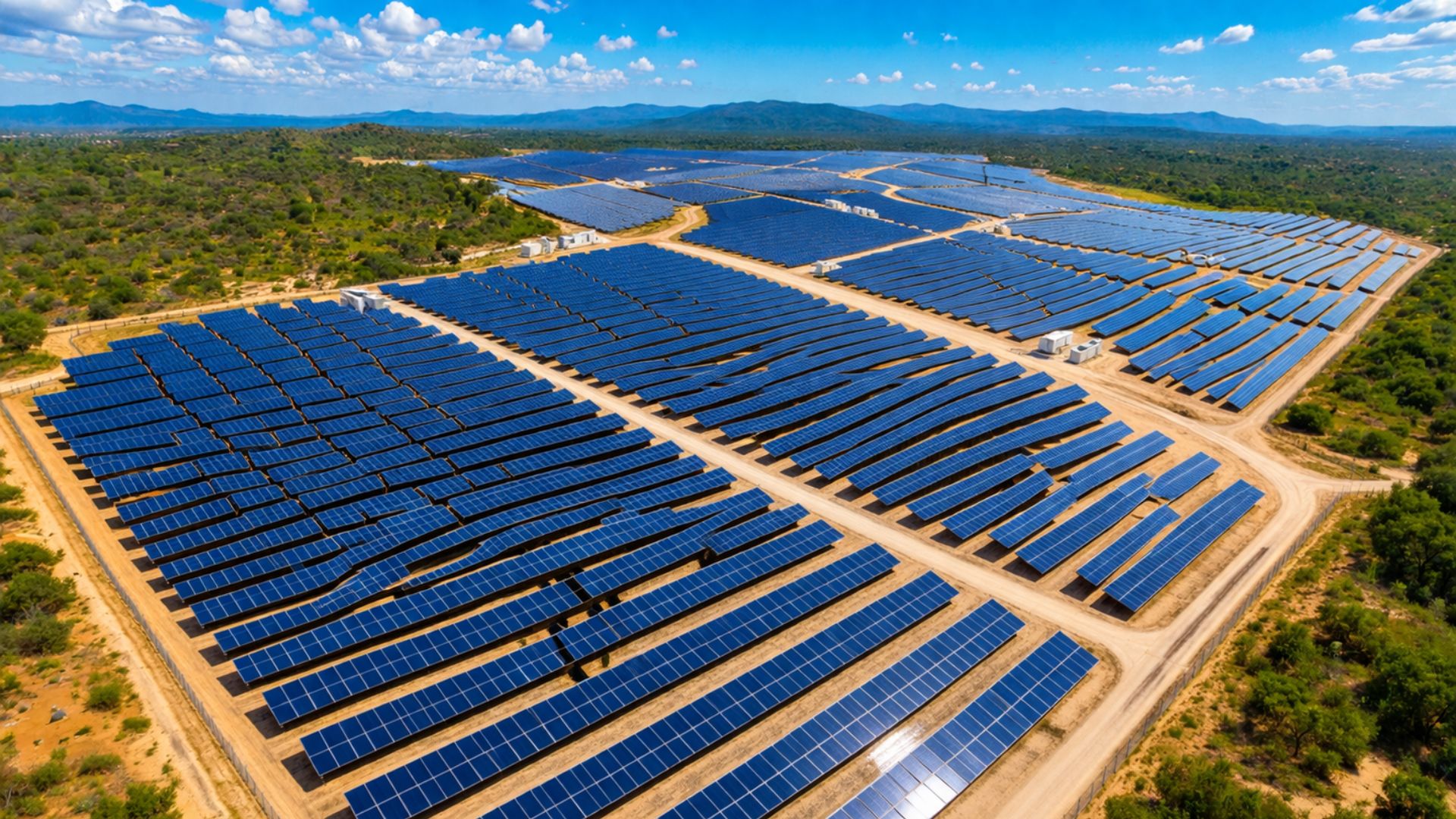
The Sol do Agreste Photovoltaic Complex begins operations in Pernambuco and accelerates the expansion of solar energy in Brazil, directly impacting the reduction of emissions and strengthening the sustainable energy matrix.
-
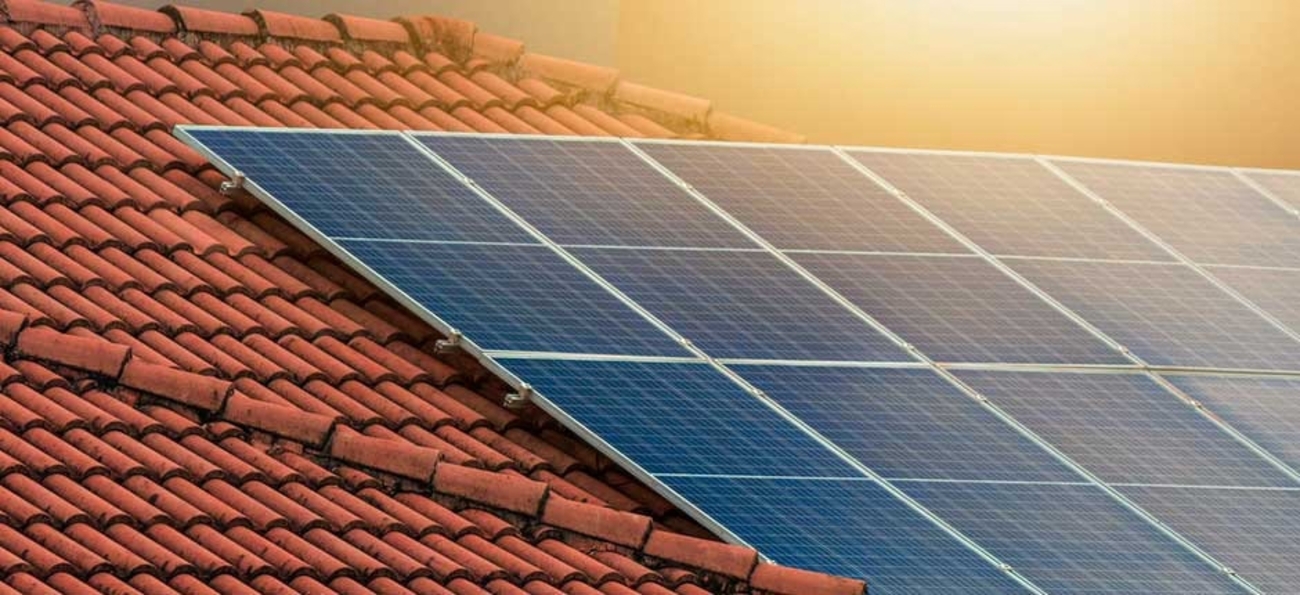
Roraima bets on the sun to escape high tariffs: Amid the energy crisis and price hikes, solar energy is growing in Roraima and transforming consumption in the North region.
-
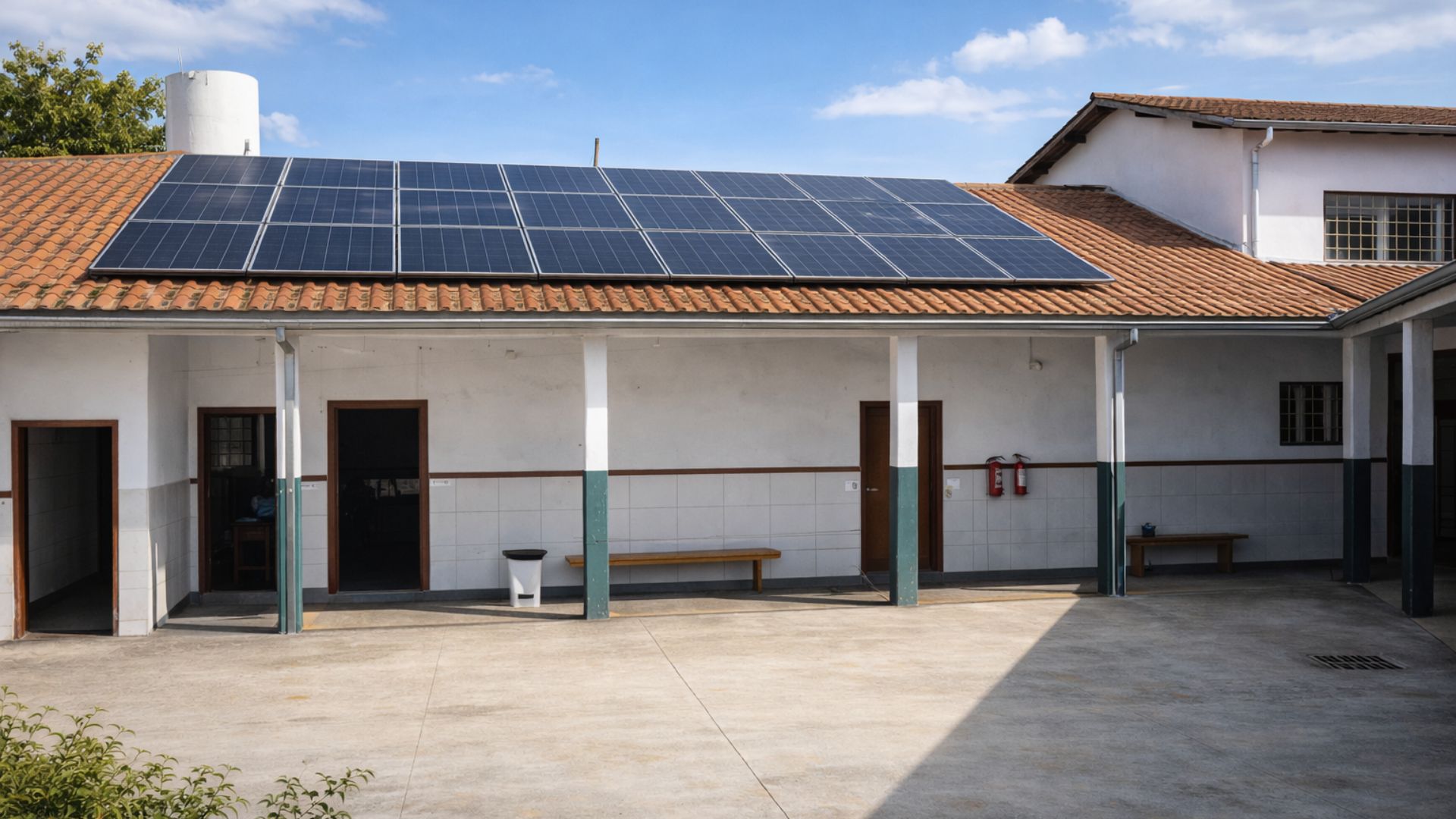
Copel boosts solar energy in Paraná and brings innovation to public schools, promoting savings on electricity bills, energy efficiency, and a direct impact on the quality of education.
The association’s analysis indicates that the cuts would directly affect the key tax credits that have driven growth in the sector since the passage of the Inflation Reduction Act (IRA) in 2022. Among the provisions that would be eliminated are:
- Residential Energy Credit 25D, eliminated after 2025
- Clean Electricity Investment Credit 48E, eliminated after 2028
- Advanced Industrial Production Credit 45X, fully phased out after 2031
Just the removal of 25D could result in the loss of up to 85,000 jobs by 2026, and 250,000 by 2028, according to SEIA’s projections.
US$ 220 Billion in Investments and Higher Electricity Bills
In addition to job losses and plant closures, SEIA warns that the bill could lead to an immediate drop in investments in solar and storage energy, with an estimated loss of up to US$ 220 billion by 2030.
Another direct effect pointed out by the group is a US$ 51 billion increase in electricity costs for consumers, resulting from reduced clean energy supply and a return to more expensive and polluting sources.
The association emphasizes that the impact would be profound across the U.S. electrical system, with a drop of 145 TWh in energy generation and a possible inability to meet the growing demand from data centers and artificial intelligence (AI) technologies, which require stable, high-capacity supply.
Incentives Benefit Pro-Trump Regions, Says Association
Interestingly, SEIA highlighted that many of the investments made thanks to IRA incentives were concentrated in districts that voted for President Donald Trump. The analysis also mentions that several Republican legislators have already expressed support for a partial continuation of solar and storage energy subsidies.
Among the supporters of maintaining the credits is Neil Chatterjee, former chairman of the Federal Energy Regulatory Commission (FERC), who has openly advocated for the Republican Party to adopt a pragmatic stance and preserve “smart energy policies.”
“Solar and storage are adding capacity to the grid faster than all other sources combined,” said the association. “If Congress cuts these incentives, the United States will be unable to meet demand and will become vulnerable to blackouts and losing leadership in the global technological race.”
Mobilization and Political Pressure Against the New Bill
In light of this scenario, SEIA launched a public appeal for businesses, workers, and clean energy advocates to pressure their representatives in Congress against the advancement of the bill. The group has also begun dialogue with lawmakers in the House and Senate to try to preserve at least part of the existing incentives.
“The market alone is not enough to keep this industry growing. Regulatory stability is vital for developing new factories, new technologies, and job creation,” concluded Abigail Ross Hopper.
The decision on the final text of the proposal will depend on the proceedings in the Rules Committee and, subsequently, the plenary vote. The expectation is that the coming weeks will be decisive for the future of U.S. energy policy, especially regarding solar energy, storage, and the country’s global competitiveness in low-carbon technologies.









Seja o primeiro a reagir!