





 Portuguese
  English
  Spanish
  2 min of reading
  0 comments


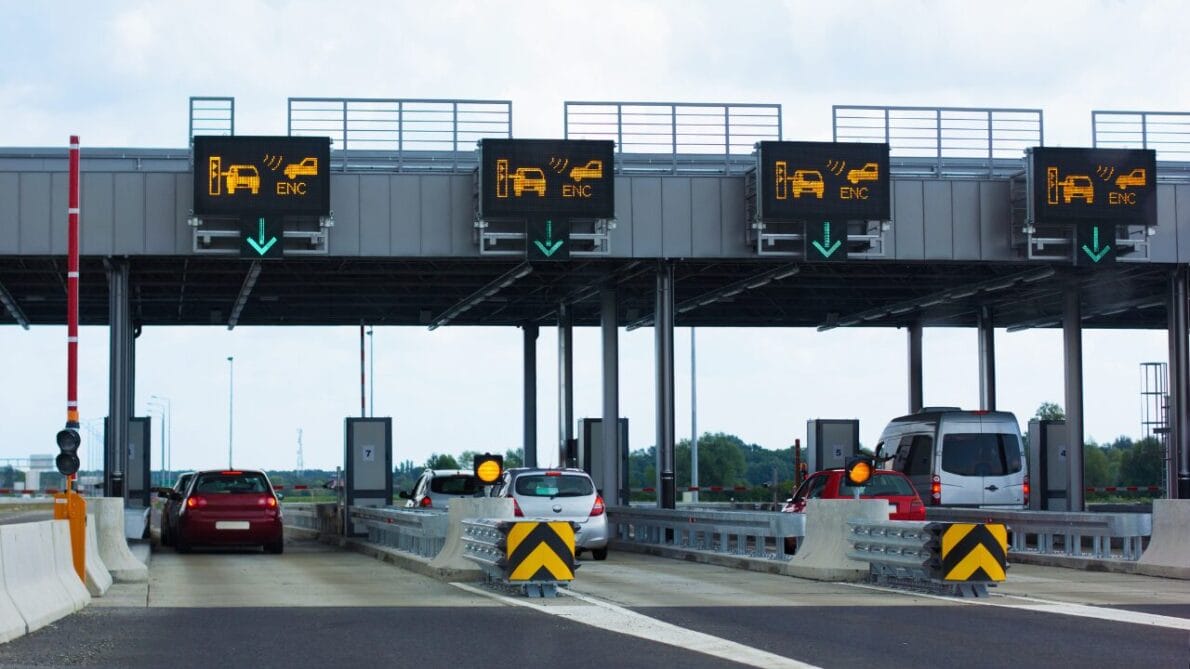
A New Bill Proposal Is Made in the Chamber of Deputies for the Suspension of Toll Charges During Public Disasters to Facilitate Circulation.
The Bill 1814/24 is currently under consideration in the Chamber of Deputies and proposes the suspension of tolls on federal highways in cases of public disaster. The proposal aims to facilitate the free movement of vehicles, especially those transporting essential supplies during critical times. For the suspension of tolls to become effective, the state must have a legislative decree recognizing the state of emergency.
Impact on Highway Concessions
According to the bill, the suspension of tolls will remain in effect as long as the public disaster decree is active.
To ensure the economic and financial balance of the concessions, it will be necessary to renegotiate contracts with the concessionaires managing the highways.
-
Brazilian city gains industrial hub for 85 companies that is equivalent to 55 football fields.

-
Peugeot and Citroën factory in Argentina cuts production by half and opens a layoff program for more than 2,000 employees after Brazil drastically reduced purchases of Argentine vehicles.

-
A Brazilian city gains a factory worth R$ 300 million with the capacity to process 200 thousand tons of wheat per year, a mill of 660 tons/day, silos for 42 thousand tons, and an industrial area of 276 thousand m².

-
Havan will leave the shopping mall in Blumenau to inaugurate something that the chain has never done before: a megastore in half-timbered style in the Historic Center of the city, which is expected to be completed in May and change the landscape of local retail.


This measure seeks to ensure that the suspension of toll charges does not compromise the resources allocated for road maintenance.
The Proposal for Suspension of Tolls and Its Motivations
Deputy Pompeo de Mattos, the author of the bill, emphasized the importance of the proposal, especially after the flooding that affected Rio Grande do Sul in May of this year.
According to him, the suspension of tolls is crucial to ensure that vehicles delivering assistance and supplies can transit without additional costs during the disaster.
“This action not only reduces financial burdens during emergencies but also allows for the rapid mobilization of resources and personnel for the recovery of affected areas,” stated the deputy.
Social and Economic Impact
In addition to facilitating movement during crises, the toll suspension proposed by the bill may also bring long-term benefits.
By lowering the transportation costs during emergencies, the bill could help reduce the prices of essential goods and services in the affected areas.
This is particularly important in disasters, where populations are already facing financial difficulties.
The Chamber of Deputies, by reviewing this proposal, could contribute to the economic recovery of areas facing disasters, ensuring that people have access to the necessary resources and services during and after these situations.
Next Steps for the Toll Suspension Bill
After the initial discussion, the bill will need to pass through several committees before moving to the Senate.
The committees evaluating the proposal include those for National Integration and Regional Development, Transportation and Communications, Finance and Taxation, as well as Constitution, Justice, and Citizenship.
Approval in the committees is an essential step for the law to come into effect and for the suspension of tolls to become a reality in disaster situations.








Seja o primeiro a reagir!