





 Portuguese
  English
  Spanish
  5 min of reading
  7 comments


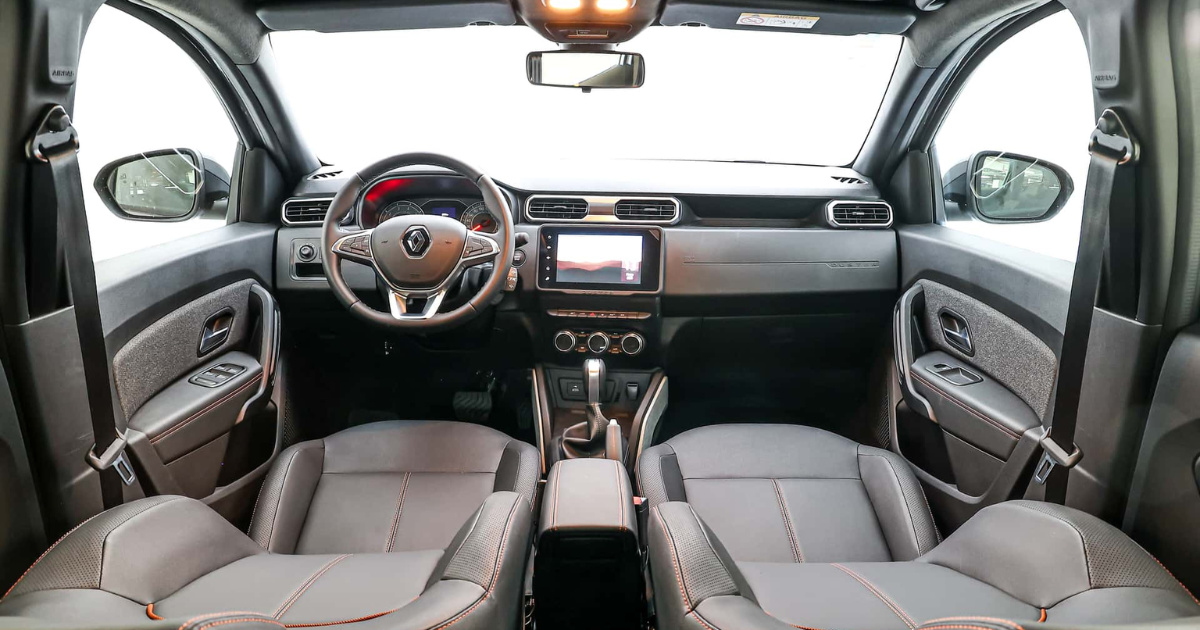


Compact SUV from Renault Seen in Camouflaged Tests, Raising Expectations About News in Design, Space, and Technology, with Potential to Compete with Strong Competitors in the Segment in Brazil.
The Renault Duster 2026 was once again spotted testing in Brazil, highlighting the French automaker’s movement to launch a new generation of the compact SUV in the national market.
Although Renault has yet to officially confirm the model’s arrival in the country, recent images captured the camouflaged vehicle circulating through São Paulo, which intensified speculation about adapting the new version to meet the demands of Brazilian consumers.
Considered one of Renault’s most relevant projects in the last decade, the Duster 2026 appears as a strong candidate to occupy a prominent position among sports utility vehicles.
-
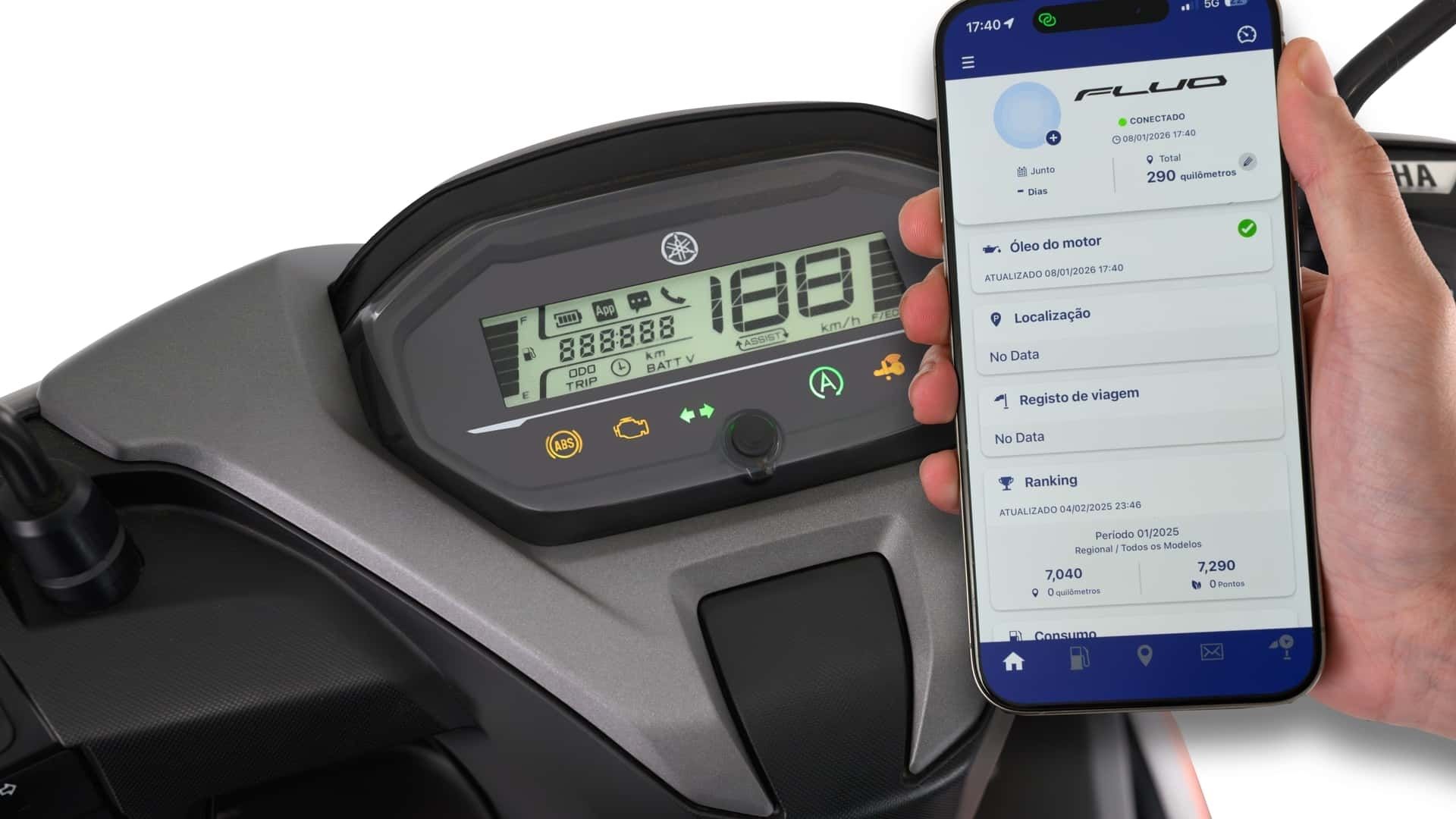
Costing R$ 16,000, the new Yamaha features a 125 cc hybrid engine with electric assistance, delivers 8.3 hp, includes ABS, optimized fuel consumption, Y-Connect connectivity, 25 liters of storage space, and a surprising 4-year warranty in the urban segment.
-
OMODA & JAECOO grows in Europe in 2026 with an integrated strategy of sales, innovation, local production, and technological advancement in the United Kingdom, Italy, and Spain.

-
OMODA & JAECOO expands after-sales service in Brazil with competitive maintenance, a 7-year warranty, and high availability of parts for technological SUVs.
-
OMODA & JAECOO appoints Alessandra Souza as executive marketing director in Brazil and accelerates brand expansion with a focus on innovation, networking, and hybrid portfolio.


The model aims to fill the gap between the lower and more accessible Renault Kardian and the yet-to-be-launched Boreal SUV.
The expectation is that the new Duster will come with a refreshed look, inspired by the mid-size SUV Bigster, aligning with the brand’s latest trends in the European market.
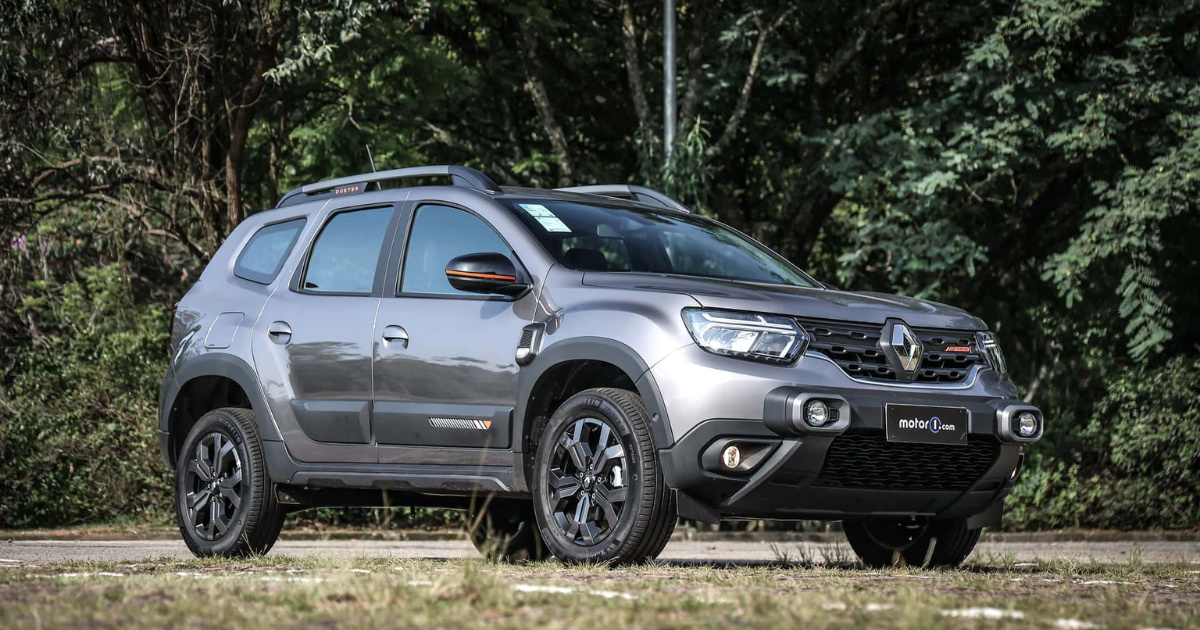
Renewed Design and Inspiration from Bigster
The prototype spotted in Brazil shows strong camouflage, especially in areas that indicate more significant changes compared to the current generation sold in the country.
Sources linked to the automotive industry note that, despite the disguise, it is possible to identify characteristic elements of the European third-generation Duster, such as the “Y”-shaped taillights and headlights, wider wheel arches, sharper lines, and full LED lighting.
Among the visual differentiators, the robust rear pillars and the spoiler integrated into the trunk lid stand out.
Modern Platform and Structural Advancements
The new generation of the Renault Duster uses the CMF-B modular platform, developed in partnership by the Renault-Nissan-Mitsubishi Alliance.
This structural base already serves as a reference for various global launches and brings significant advancements in safety, handling, and efficiency.
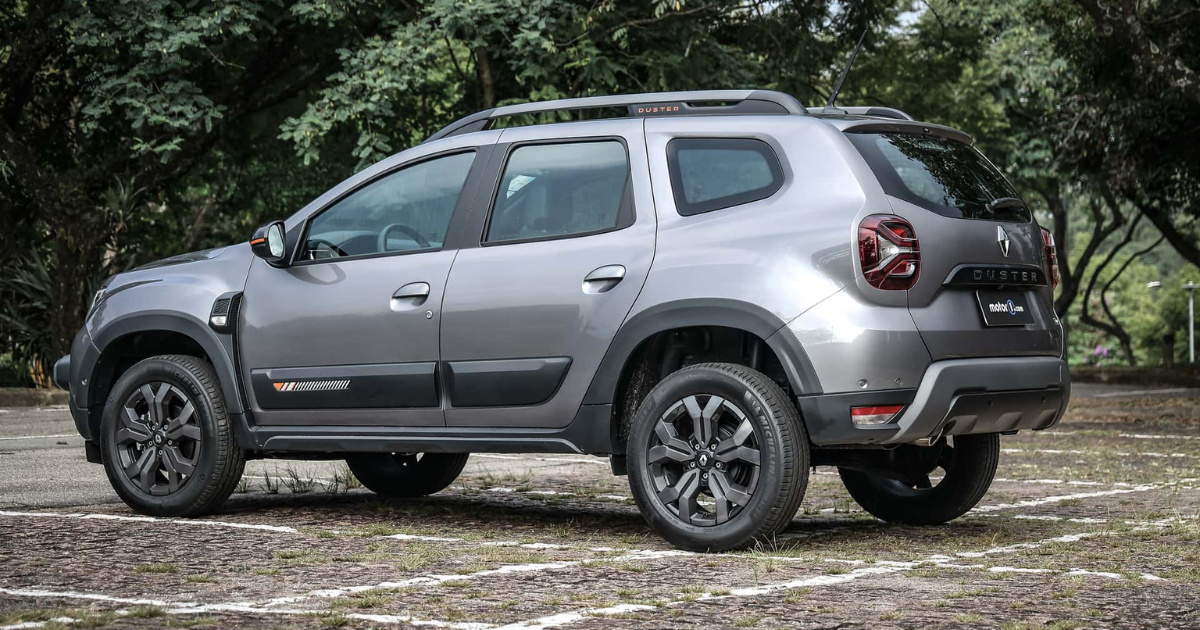
In the Brazilian scenario, the arrival of this new project represents an important evolution compared to the current model, which since 2020 has maintained the B0 platform from Dacia — already considered outdated compared to the competition.
Dimensions and Interior Space of the New Duster 2026
In dimensions, the Duster 2026 stands out for offering 4.34 meters in length and 2.66 meters in wheelbase.
According to preliminary market data, the trunk can accommodate up to 472 liters, one of the largest in its category, even surpassing the Toyota Corolla Cross, a reference in internal space among compact SUVs.
These numbers strengthen the position of the new Duster against direct competitors like Hyundai Creta, Chevrolet Tracker, and Nissan Kicks, which are vying for leadership in the segment.
Engine, Efficiency, and Possibilities for Brazil
Regarding the engine, Renault has not yet officially released details for Brazil.
In Europe, the third-generation Duster adopts a 1.2 turbo gasoline engine with 130 horsepower, paired with a 48-volt mild hybrid system, enhancing energy efficiency and reducing pollutant emissions.
Experts suggest that if it follows the European strategy, the Brazilian model could receive the 1.3 turbo flex engine — already used in the current Duster — or even a hybrid configuration adapted to the reality of the national market.
However, as of July 2025, there is no public confirmation about the availability of electrified versions for the country.
Technology, Connectivity, and Internal Finishing
The transition to the CMF-B platform paves the way for the inclusion of new embedded technologies, from driving assistants to more modern entertainment systems.
This advancement aligns the Duster 2026 with consumer expectations, which increasingly seek connectivity and comfort in vehicles of this category.
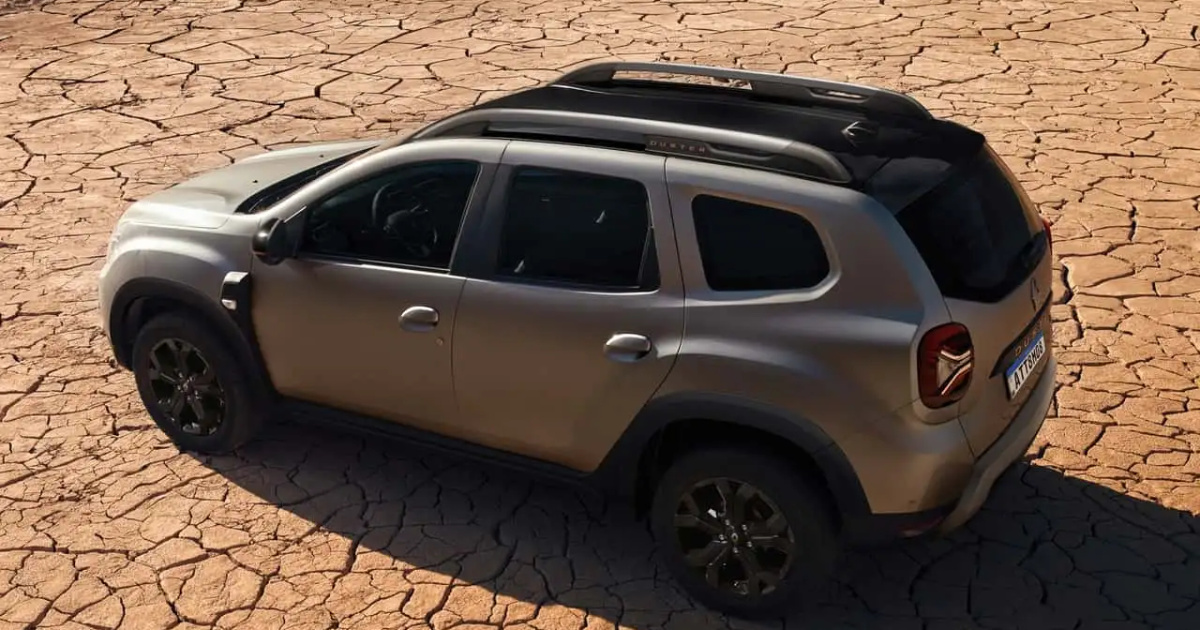
According to industry reports, the SUV should also benefit from new standards of internal finishing and more sophisticated materials, aligned with the brand’s modernization proposal.
Tight Competition and Expectations for the Brazilian Market
Despite Renault’s official silence regarding the launch of the new Duster in Brazil, the movement of camouflaged units within the country and the renewal cycle of its competitors intensify the competition in the compact SUV segment.
According to automotive consultant André Borges, “the constant presence of prototypes in testing is a clear indication that the brand is evaluating the launch for the coming months.”
The strategic positioning of the Duster 2026, with generous dimensions and robust design, could enhance its competitiveness not only against the Corolla Cross, but also against the main category rivals, such as Creta, Tracker, and Kicks.


Expectations surrounding the launch also include improvements in safety, comfort, internal space, and engine, making the model one of Renault’s most anticipated bets for the Brazilian market in 2025.
So far, Renault remains without an official forecast for the announcement or start of sales of the new Duster in Brazil.
The mystery remains, as consumers and experts closely monitor every movement of the brand in the country, on the lookout for innovations that could redefine the standards of the compact SUVs segment.
In this scenario of expectation and transformation, the question remains: will the new Renault Duster 2026 be able to redefine the concept of space, technology, and efficiency among compact SUVs in Brazil, surpassing historical rivals and consolidating its prominent position in the national market?







Tenho um Duster 21 acabamento e tecnologia deixa a desejar, vidros não sobem qdo trava automático as portas, vidros não baixam no controle, coisas simples q carros inferiores e bem mais barato oferecem, más tô satisfeito pois atende as minhas necessidades, más tô saindo para o Tigo 7.
Calma calabreso. Vai chegar aqui cheio de plástico, motor fraco adaptado às exigências legais no tocante a emissão de poluentes e com um valor acima de 160k. Sabe o q o brasileiro vai fazer? Nadinha, só pagar o que eles pedirem
Tive um Duster 2019 e hoje tenho o modelo 2022. Apesar de estar satisfeito com alguns itens, sinto falta da tecnologia ( muitos acessórios que vejo em carros mais baratos e de anos inferiores , não estão presentes na Duster 2022) . Ex. Não tem : indicador de calibração dos pneus; se o carro fecha pelo sensor , os vidros não sobem ; o retrovisor não fecha quando o carro trava as portas; os comando do rádio atrás do volante são horríveis; sinto falta de potência , enfim … precisa mudar muito nestas questões para um carro caro.
Estou querendo trocar para o Creta , HRV . Infelizmente ainda não tenho condições financeiras para o Corolla Cross
Vc é ****