





 Português
  Inglês
  Espanhol
  4 min de leitura
  0 comentários


10% Adjustment Exceeds Inflation and Benefits Categories Without Defined Minimum Wage in the State
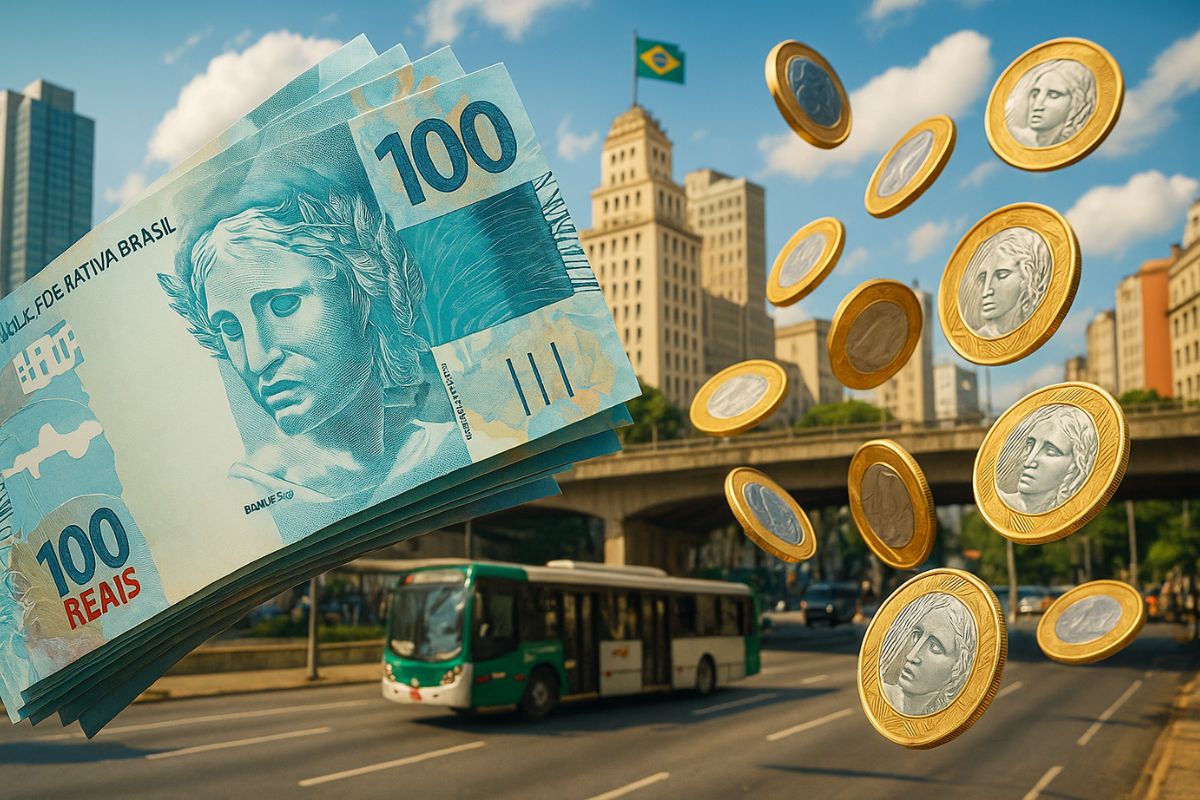
The state of São Paulo approved and implemented the new salary for workers, which became R$ 1,804 as of July 1st. The amount represents a 10% increase compared to the previous year, exceeding inflation and ensuring a real gain of approximately 5%. The measure, sanctioned through a legislative bill by the Legislative Assembly, mainly benefits categories that still do not have a minimum wage defined by federal legislation, collective agreements, or collective bargaining.
With the new amount, São Paulo establishes itself as the state with the highest regional minimum wage in Brazil, exceeding the national minimum by R$ 286, currently at R$ 1,518. The update also includes new professional groups, such as caregivers for people with disabilities, in addition to reinforcing the state government’s commitment to valuing formal work.
Which Professionals Receive the New Salary of R$ 1,804?
The measure encompasses more than 76 professional categories that traditionally depend on collective negotiations for salary definitions. Among the beneficiaries are:
-
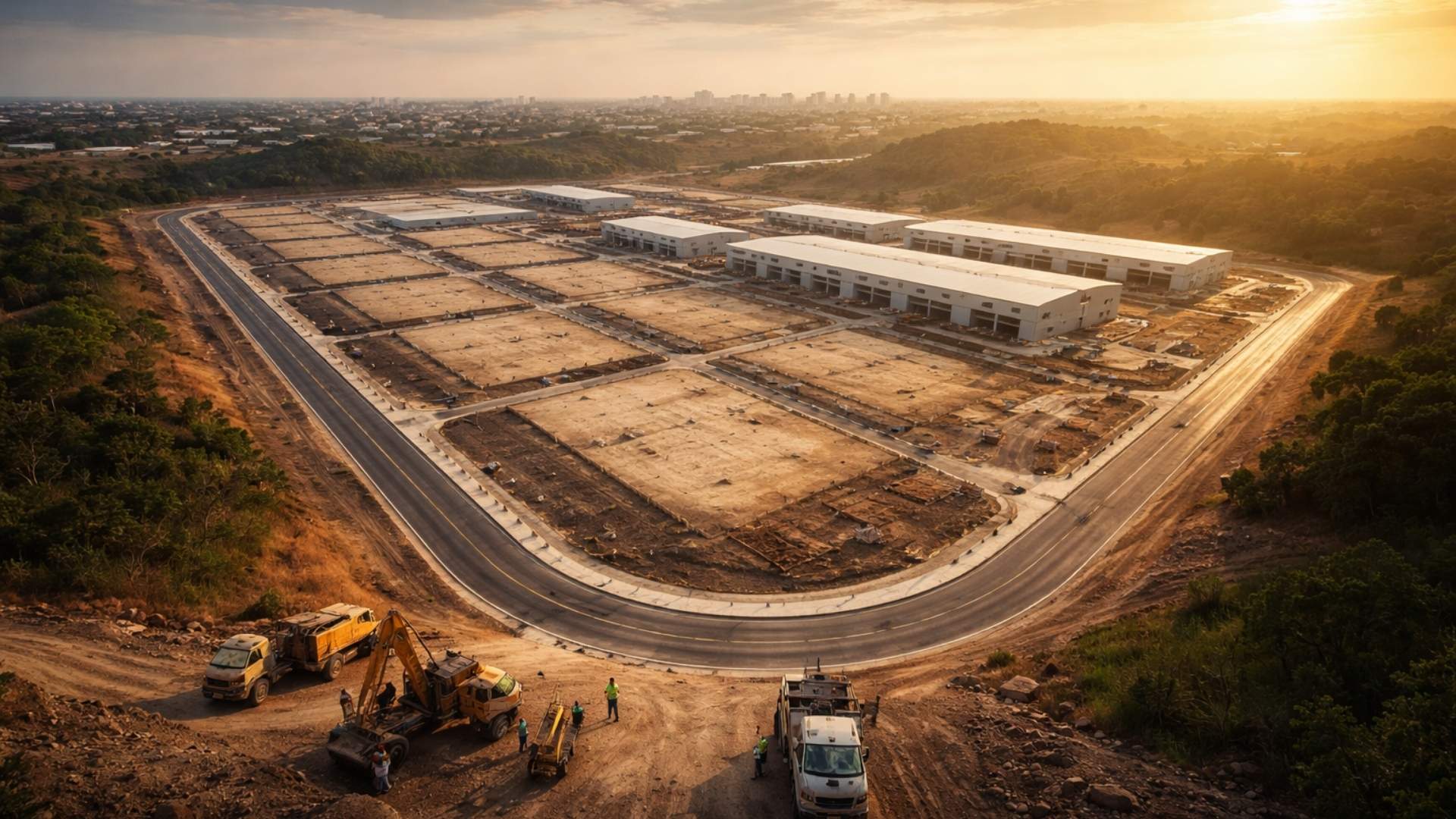
Brazilian city gains industrial hub for 85 companies that is equivalent to 55 football fields.

-
Peugeot and Citroën factory in Argentina cuts production by half and opens a layoff program for more than 2,000 employees after Brazil drastically reduced purchases of Argentine vehicles.

-
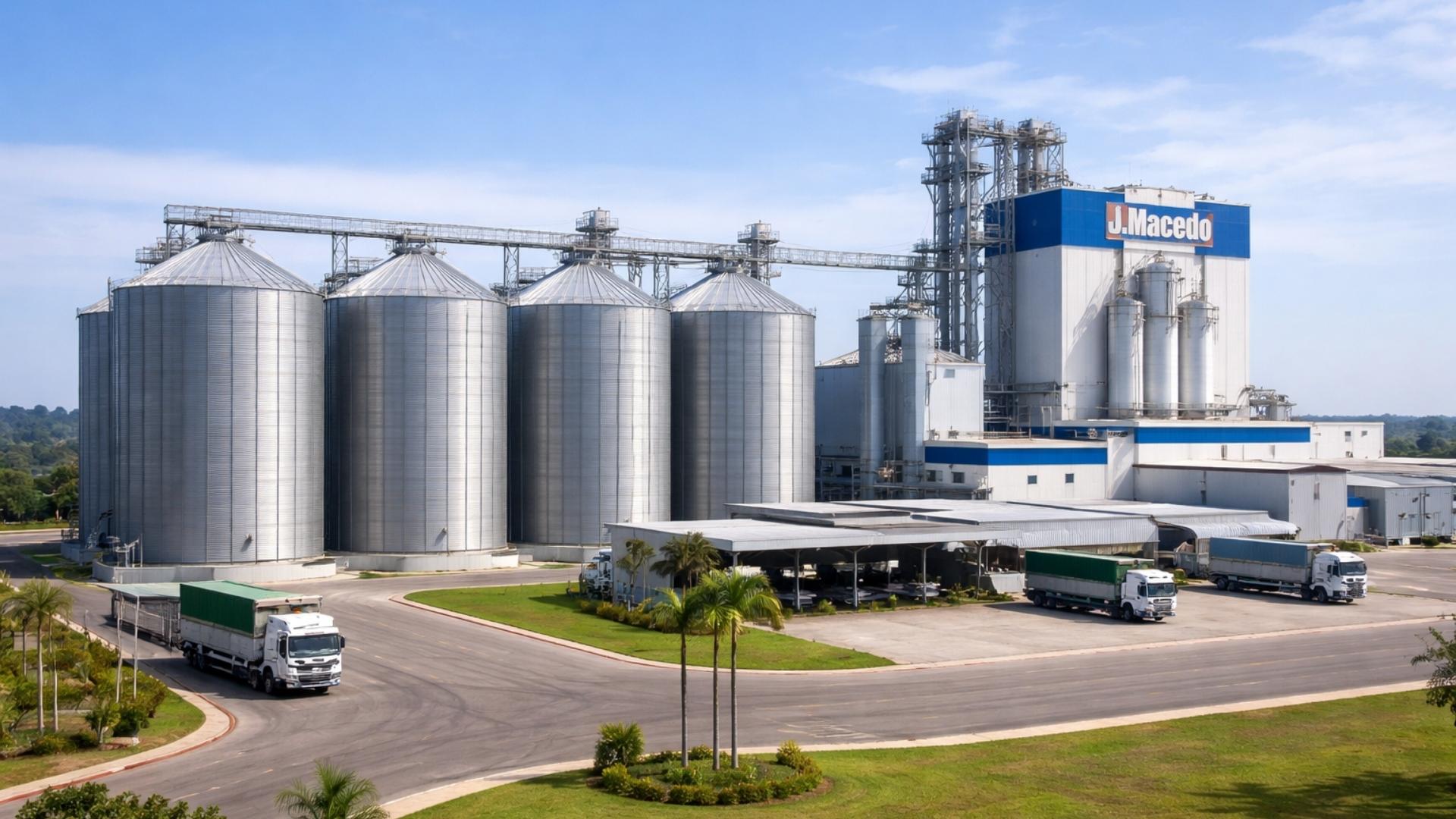
A Brazilian city gains a factory worth R$ 300 million with the capacity to process 200 thousand tons of wheat per year, a mill of 660 tons/day, silos for 42 thousand tons, and an industrial area of 276 thousand m².
-
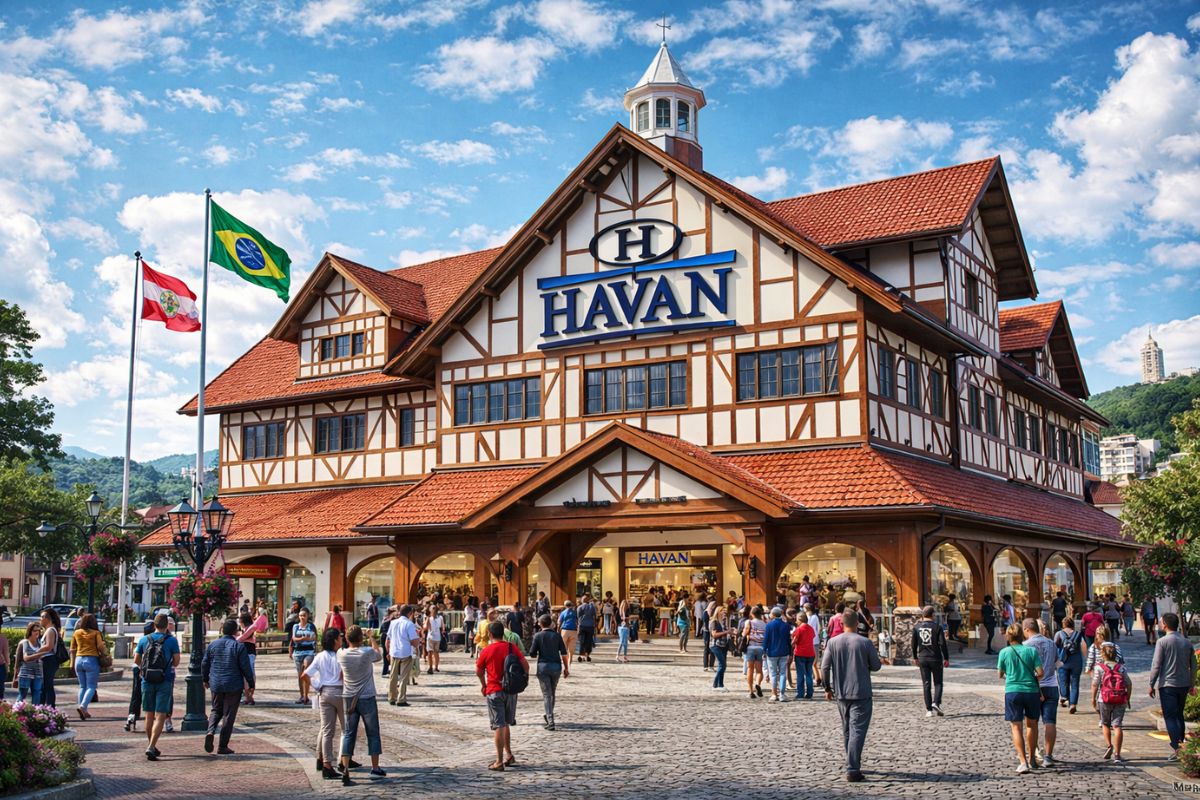
Havan will leave the shopping mall in Blumenau to inaugurate something that the chain has never done before: a megastore in half-timbered style in the Historic Center of the city, which is expected to be completed in May and change the landscape of local retail.

- Workers in commerce and general services
- Cleaning, laundry, and hospitality professionals
- Agricultural workers, gardeners, and delivery drivers
- Caregivers for the elderly and people with disabilities
The inclusion of caregivers for people with disabilities, approved through an amendment, represents a significant advancement in recognizing these professionals, reinforcing the role of the state in promoting social justice.
What Is the Impact of the New Salary for Workers in These Categories?
The adjustment brings important real gains for historically vulnerable categories, allowing the maintenance of purchasing power amid rising living costs. With more money circulating, local consumption tends to be boosted, stimulating commerce and services.
Additionally, the policy of increasing above inflation helps reduce salary inequality, especially among workers without strong collective agreements. The measure also signals to other states that it is possible to establish fairer and more updated minimum wages based on regional economic criteria.
Are Public Servants Also Included?
Yes. The Complementary Bill 11/2025 provides for a supplementary bonus for state servants who earn less than the new Paulista minimum. With this, no servant will have earnings below R$ 1,804, promoting internal salary equity and avoiding disparities among categories of civil servants.
The measure primarily affects employees at the base of public service and seeks to preserve motivation, retention, and recognition of these workers within state structures.
How Was the New Value of R$ 1,804 Determined?
The determination took into account economic indicators such as state GDP growth, inflation, and the cost of living, as well as rounds of dialogue between the government, unions, and business entities. The goal was to reach an amount that truly covers the basic needs of workers and their families.
Another strategic objective was to use the adjustment as a tool for local economic stimulus, promoting a development model that values formal work and enhances the quality of life for the people of São Paulo.
How Does the New Paulista Salary Compare to the National Minimum?
Currently, the federal minimum salary stands at R$ 1,518, which makes the Paulista minimum R$ 286 higher. This difference positions São Paulo at the forefront of Brazilian salary policy and may influence other states to adopt more robust regional values.
Historically, state adjustments end up serving as a reference for the national debate about the minimum wage, forcing a constant reevaluation by the Federal Government.
Is the Increase Sustainable for the Labor Market?
Despite the benefits, there are challenges for the sustainability of the new salary, particularly for micro and small businesses that operate with tight margins. The increase in payroll costs may lead to effects such as reduced hiring, increased informality, or even layoffs.
Therefore, the São Paulo government emphasizes that it will monitor the impacts of the new minimum in real-time and may adopt support policies for employers if necessary. The goal is to maintain a balance between valuing workers and the financial health of businesses.
What to Expect from the Future of the State Minimum Wage?
The trend is that São Paulo will continue to invest in a policy of real gains, with periodic revisions and ongoing social dialogue. The new minimum may serve as a basis for creating more specific sectoral minimums, especially in areas with rapid growth or pressure for skilled labor.
The expectation is that the measure will lead to a cascading effect of labor value appreciation in other regions of the country, contributing to a fairer market and more inclusive economic growth.
Do you think this new salary truly improves the worker’s life? How does it impact your profession or your business? Share your opinion in the comments — your experience is essential for the debate!









Seja o primeiro a reagir!