





 Português
  Inglês
  Espanhol
  3 min de leitura
  0 comentários


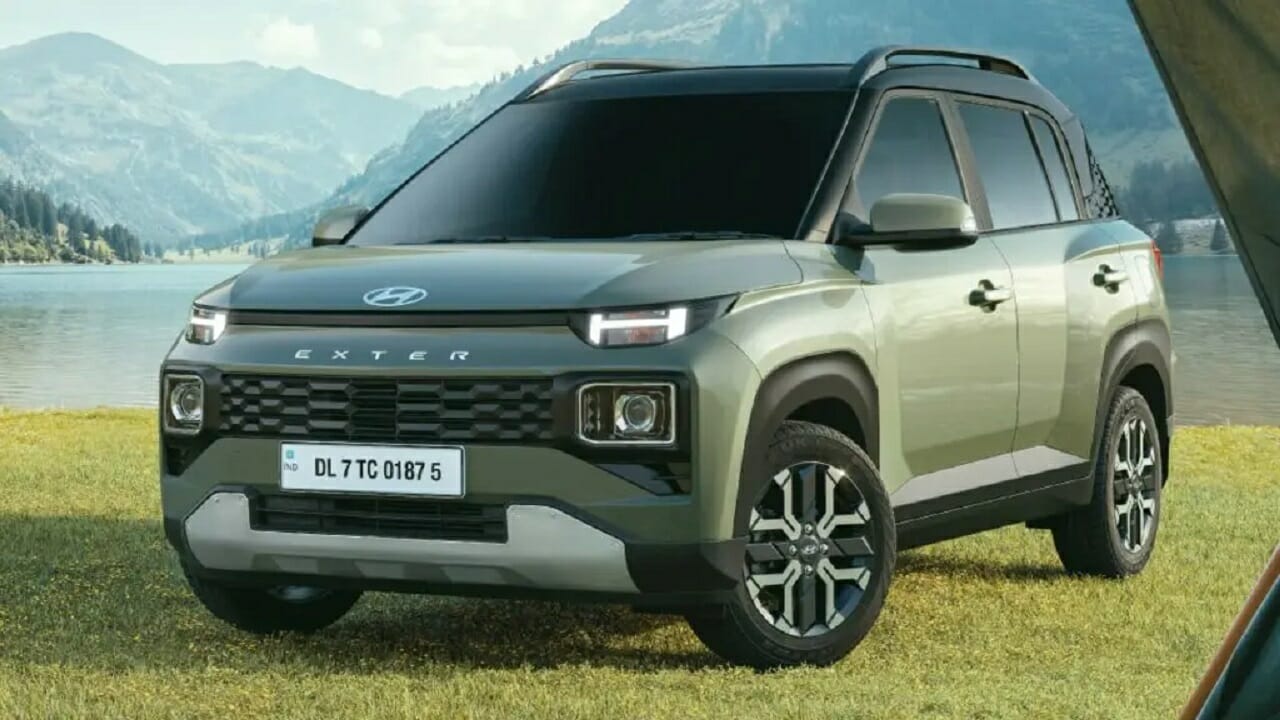
Promising to Outpace Toyota and Its Own HB20, Hyundai Launched a New SUV in the Indian Automotive Market with Affordable Price and Great Performance.
Hyundai, one of the global automotive giants, is devising new plans to reach customers. The South Korean company has its main competitors in the Japanese Toyota and American Chevrolet. After launching several large models, the company is targeting a new audience: the popular market. Thus, it has just launched a new SUV that promises to leave Toyota and HB20 behind.
Hyundai Launches New Affordable SUV to Unlock Automotive Market


In India, the manufacturer has officially launched its newest SUV called Exter. The vehicle is compact and has been announced with a size smaller than the HB20. Despite this, the car is assuredly stunning and spacious, gaining popularity among customers.
With a simpler mechanics and a design aimed at emerging markets, the Hyundai Exter bets on a design full of characteristic features of an SUV. The tall body with many edges compensates for its dimensions, as it measures only 3.8 meters in length and 2.45m in wheelbase, making it smaller than the HB20, which has 4m and 2.5m respectively. However, in other aspects such as width and height, which are 1.7m and 1.6m respectively, the SUV stands out.
-
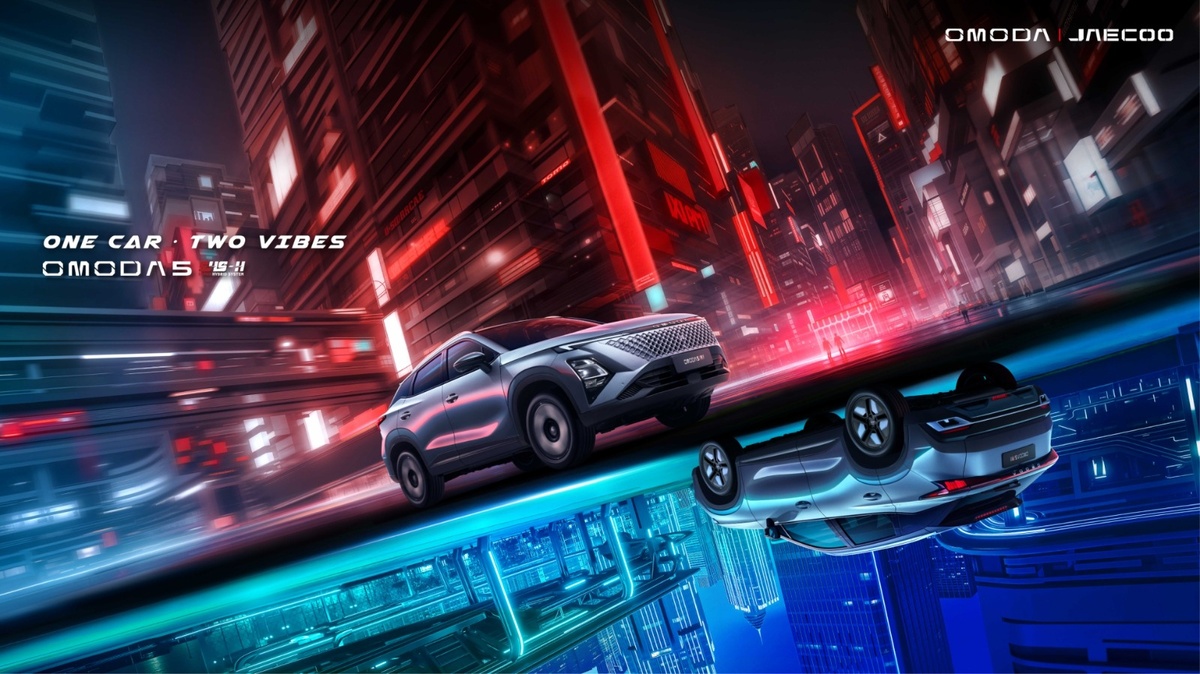
OMODA & JAECOO grows in Europe in 2026 with an integrated strategy of sales, innovation, local production, and technological advancement in the United Kingdom, Italy, and Spain.
-
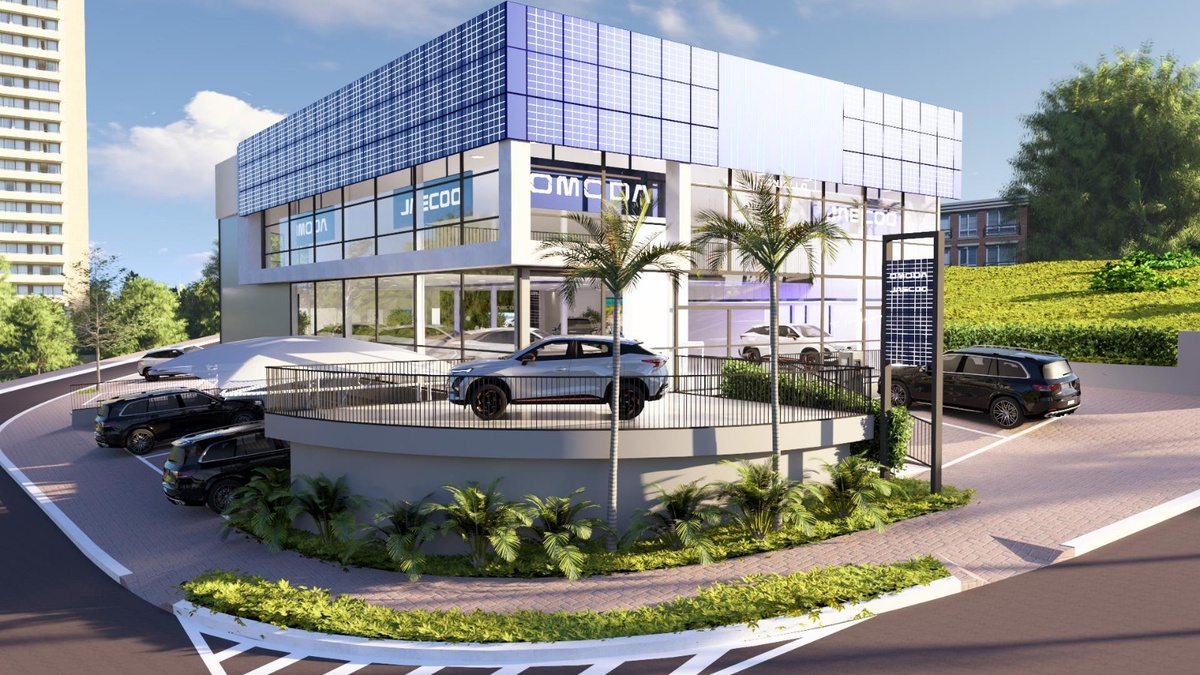
OMODA & JAECOO expands after-sales service in Brazil with competitive maintenance, a 7-year warranty, and high availability of parts for technological SUVs.
-
OMODA & JAECOO appoints Alessandra Souza as executive marketing director in Brazil and accelerates brand expansion with a focus on innovation, networking, and hybrid portfolio.

-
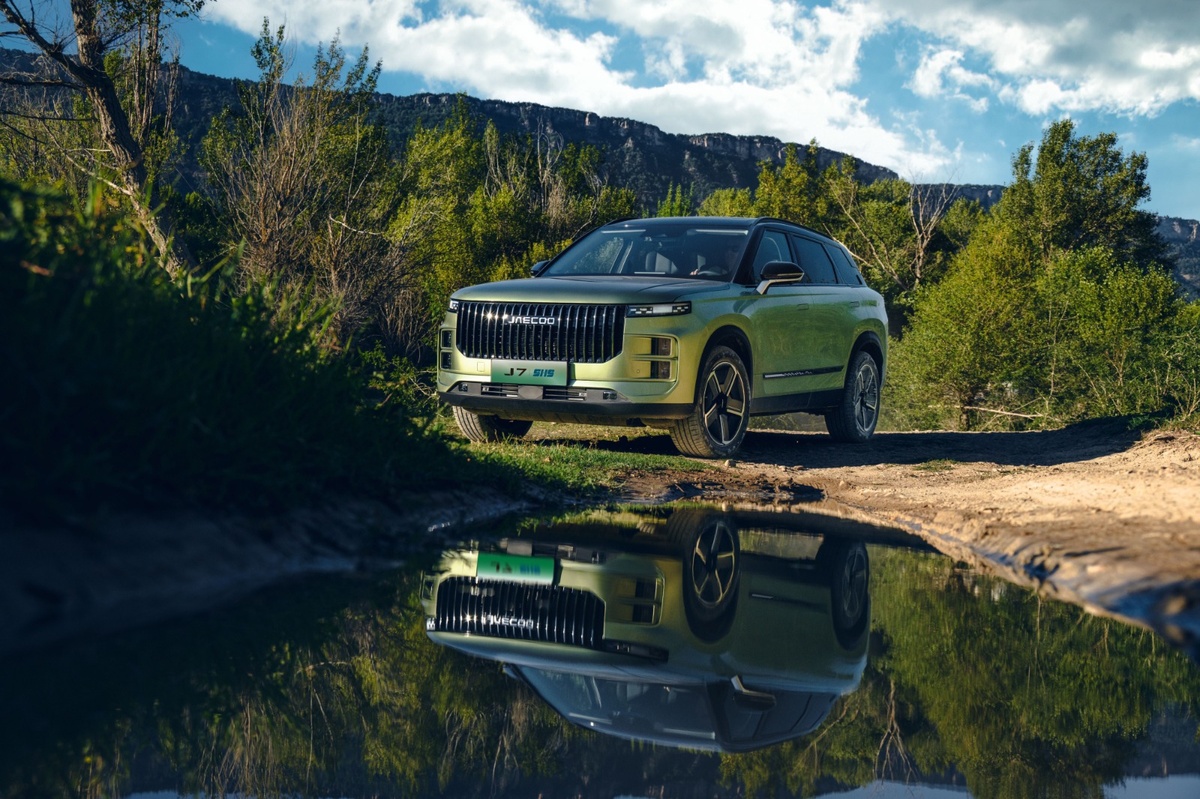
Jaecoo 7 with super hybrid SHS system exceeds 1,200 km of combined range with a 1.5 turbo engine, high-density battery, and intelligent energy management.

Although it is an entry-level car, the SUV that promises to outpace some Toyota models and the HB20 has standard LED and fog lights, 14 or 15-inch wheels, and plastic protections around the wheel arches. All versions have front-wheel drive, McPherson front suspension, and rear suspension with a torsion beam.
In the cabin, it is noticeable that the instrument cluster is digital and there are six airbags, ABS, and air conditioning. More expensive versions also offer stability control, a multimedia center with an eight-inch screen, internet access, a sunroof, a rearview camera, cruise control, and push-button start.
Hyundai SUV Sells for R$ 36 Thousand (only in India )
The car, which promises to outpace Toyota and HB20, is built on the same platform as the Hyundai Grand i10 Nios. Thus, its engine is a 1.2 naturally aspirated four-cylinder, producing 95 horsepower and 11.6 kgfm of torque. There is also an option for a five-speed manual or automatic transmission.
In the methane gas version, the Hyundai SUV has a power of only 69 horsepower and 9.6 kgfm, and is available only with a manual transmission.
Although there is still no forecast for its arrival in the Brazilian automotive market, the model will have four variants called EX, S, SX, and SX Connect. Converting the value of the new vehicle from Indian rupees to our currency, the amount is around R$ 36 thousand. This, of course, has excited those who dream of owning a brand-new car.
What Is the Best-Selling Vehicle of Hyundai in Brazil?
In March of this year, the National Federation of Automotive Vehicle Distribution (Fenabrave) released a list of the best-selling vehicles during the period and, without many surprises, confirmed that the HB20 led the ranking with 8,363 units sold.
The mechanical set of the Hyundai HB20 is equipped only with a 1.0 three-cylinder engine, available in both aspirated and turbo options. In this case, there are 80 horsepower and 10.2 kgfm of torque.
Next came the Onix, with 8,283 sales. However, in the total numbers for this year, the lead goes to competitor Chevrolet, with 1,528 until the month in question. Globally, the two brands are direct rivals and compete for the same audience, now trying to reach popular customers.









Seja o primeiro a reagir!