





 Português
  Inglês
  Espanhol
  3 min de leitura


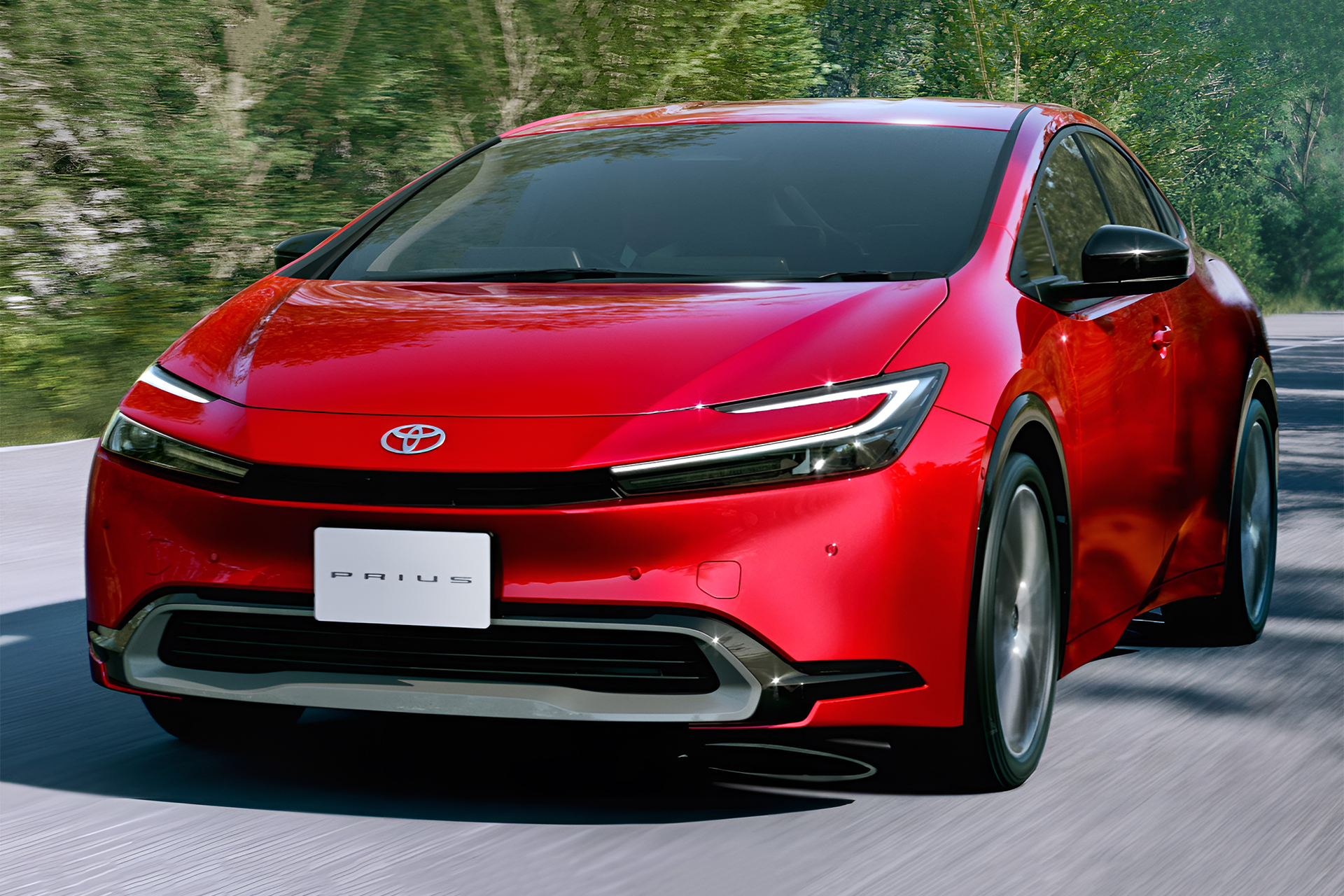
Toyota Announced a Version of the Conventional Hybrid Prius (HEV), with Configurations That Could Be Adopted in Brazil, and It Comes Equipped with Safety Equipment and Driver Assistance Features
At the end of last year, Toyota Launched the Fifth Version of the Prius, Including a Hybrid Version That Was Widely Acclaimed for Its Innovative and Futuristic Appearance. The Japanese manufacturer Had Previously Only Shown the Plug-in Hybrid (PHEV) Version of the Model for the European Market. But Now, It Also Showed the Conventional Hybrid (HEV) Version of the Prius in Japan. This is the Possible Configuration That Could Also Arrive in the Brazilian Market.
A Gasoline Hybrid Engine, with 2.0 and 1.8, Will Be Available for the Next Conventional Hybrid Vehicle (HEV) of the Toyota Prius That Will Be Sold in the Japanese Market. The Toyota Prius Hybrid 2.0 HEV Has a Power of 196 Horsepower, or 199 When Equipped with All-Wheel Drive.
Its Fuel Economy in the WLTC Standard Is 28.6 Kilometers per Liter, and Its 1.8 HEV Configuration Is Even More Economical, With a Claimed Consumption of a Good 32.6 Kilometers per Liter, Despite Having a Slightly Lower Power: 140 Horsepower. This Vehicle Features an Automatic Transmission of the e-CVT Type (Electronically Continuously Variable).
-
OMODA & JAECOO grows in Europe in 2026 with an integrated strategy of sales, innovation, local production, and technological advancement in the United Kingdom, Italy, and Spain.

-
OMODA & JAECOO expands after-sales service in Brazil with competitive maintenance, a 7-year warranty, and high availability of parts for technological SUVs.

-
OMODA & JAECOO appoints Alessandra Souza as executive marketing director in Brazil and accelerates brand expansion with a focus on innovation, networking, and hybrid portfolio.

-
Jaecoo 7 with super hybrid SHS system exceeds 1,200 km of combined range with a 1.5 turbo engine, high-density battery, and intelligent energy management.


The Version That Was Made Available in Brazil Is the Standard 1.8 Hybrid, Which Has a Maximum Power of 122 Horsepower. Therefore, the New Generation of the Toyota Prius Hybrid Has 18 More Horsepower.
For Reference, the Prius PHEV (Plug-in Hybrid Vehicle) That Was Launched in November for the European Market Is Equipped with a 2.0-Liter Four-Cylinder Gasoline Engine That Produces 223 Horsepower. The Battery Is Also New and Contains 13.6 Kilowatt-Hours, Located Under the Second Seat of the Vehicle.
The Main Difference Between This Model and the Conventional Hybrid HEV Toyota Prius, Which Was Shown in Japan, Is That This Model Can Be Charged at an Outlet, While the HEV Model Has Its Own Internal Regeneration Mechanism to Charge the Batteries.
Toyota Did Not Disclose Details About the Battery That Powers the Hybrid Prius HEV, Nor Did It Say Whether It Is or Not the Same As the Battery That Powers the Plug-in Hybrid Version
In Addition to Being Built on the Second Generation of the TNGA Platform, the Prius HEV Also Includes an All-Wheel Drive Electric Traction System Known as the E-Four System. According to Toyota, This System Improves Vehicle Performance on Slopes with Low Traction.
Due to This Technology, the Vehicle Is Prepared for Snow-Covered Roads (Which Is Common in Japan and Europe, Among Other Places), As Well As Stability in Turns. Additionally, the Japanese Company Claims That All Electrical Components Found in the 1.8-Liter Hybrid Version of the Prius Have Been Updated.
The Well-Known Toyota Safety Sense Will Be Standard on the Conventional Hybrid Version of the Toyota Prius, Which Will Also Be Loaded with Safety Equipment and Driver Assistance Features. In the Event of a Rear Collision, a Toyota Will Be Equipped for the First Time with a Technology Known as Rear Cross Traffic Alert, Which Will Automatically Use the Brakes to Slow Down the Vehicle.
Furthermore, the Prius Is Equipped with a System That Triggers an Alarm and Warns the Driver If Another Vehicle Approaches From Behind at an Unsafe Distance, Also Offering Options to Call Authorities or Other Emergency Services.
There Is Also the Option for the Toyota Prius Hybrid to Come Equipped with a Driving Recording Device, Which Can Automatically Record Video of Everything Happening Outside the Car.
The New Toyota Hybrid Prius Has Already Been Made Available in Japan, with Costs Ranging from 2,750,000 Yen (R$ 108,565 in Direct Conversion, Excluding Taxes) to 3,920,000 Yen (R$ 154,754 in Total, Not Considering Applicable Government Fees), Depending on Options. It Is Worth Noting That, Once the Vehicle Starts Being Sold in Brazil, Import Fees and Taxes Should Significantly Raise the Price.










Seja o primeiro a reagir!