





 Português
  Inglês
  Espanhol
  6 min de leitura
  0 comentários


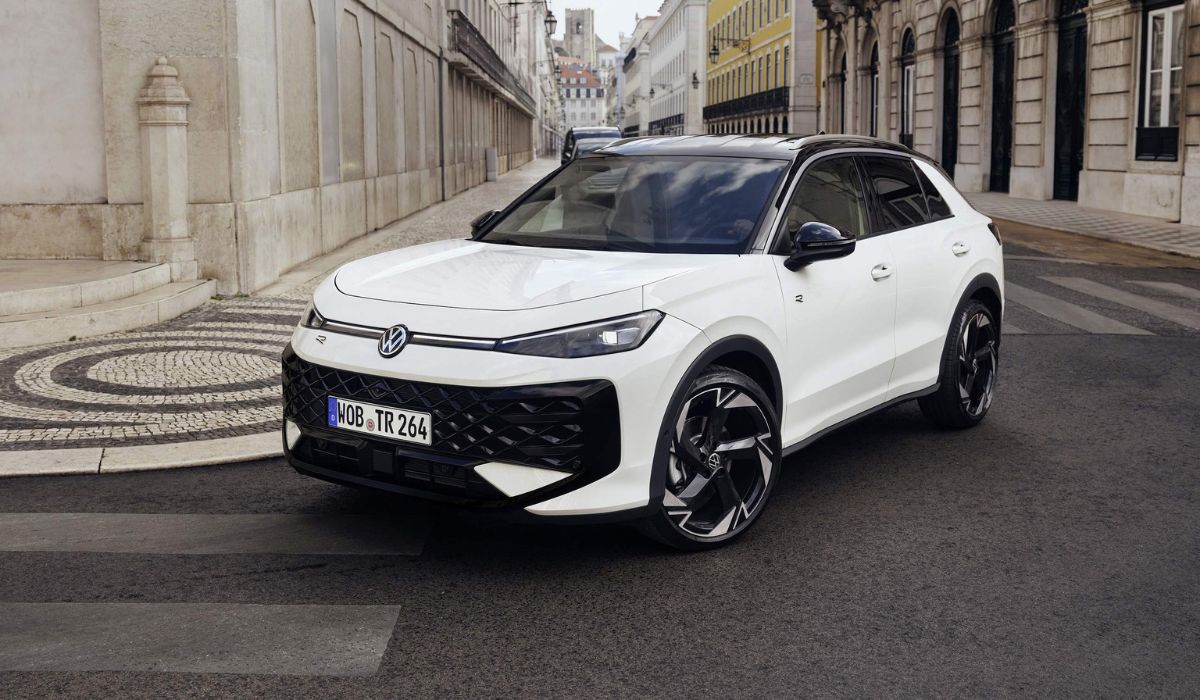
Discreet Changes Outside, Significant Advancements Inside, and a New Logic Under the Hood Place the T-Roc at the Center of Volkswagen’s Transition, with Reflections That Help Illuminate the Brand’s Next Steps.
The second generation of the Volkswagen T-Roc, unveiled in Europe in 2025, helps indicate the type of technical solution that the brand is preparing for its upcoming electrified SUVs.
Still not available in the Brazilian market, the utility has begun to use the MQB Evo platform, adopted mild hybrid engines of 48V across the European lineup at launch, and expanded space, trunk capacity, and equipment offerings.
In this context, the model serves as a reference to understand the direction chosen by the manufacturer for its new phase among the sport utility vehicles.
-
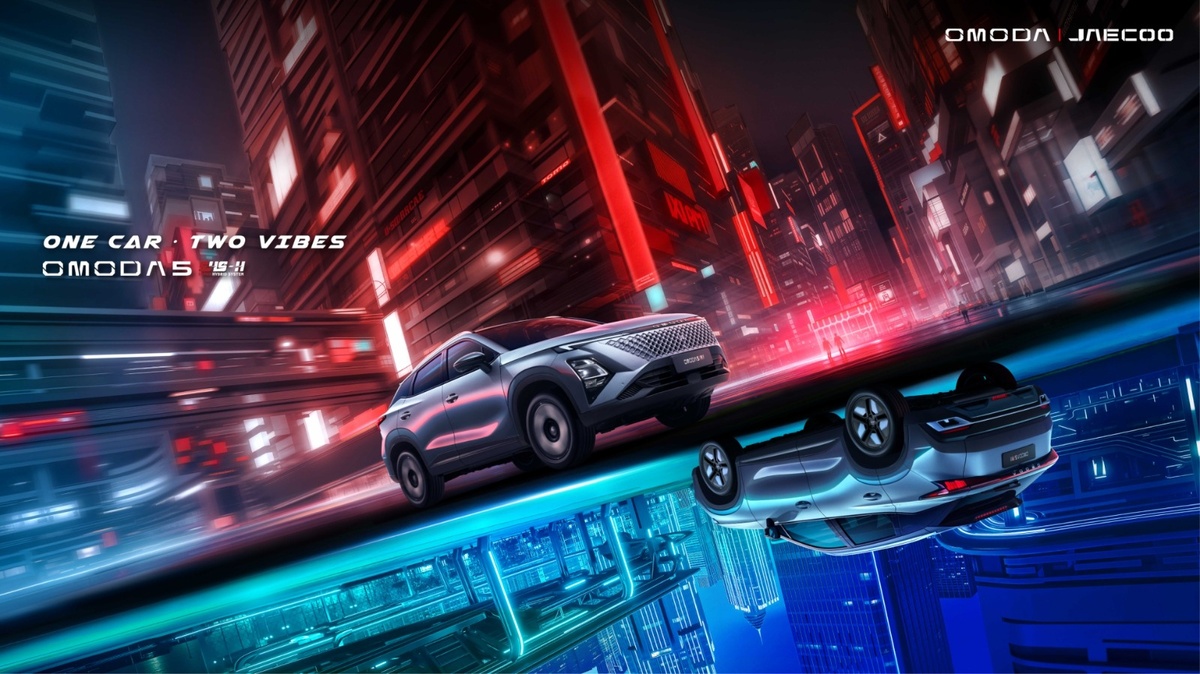
OMODA & JAECOO grows in Europe in 2026 with an integrated strategy of sales, innovation, local production, and technological advancement in the United Kingdom, Italy, and Spain.
-
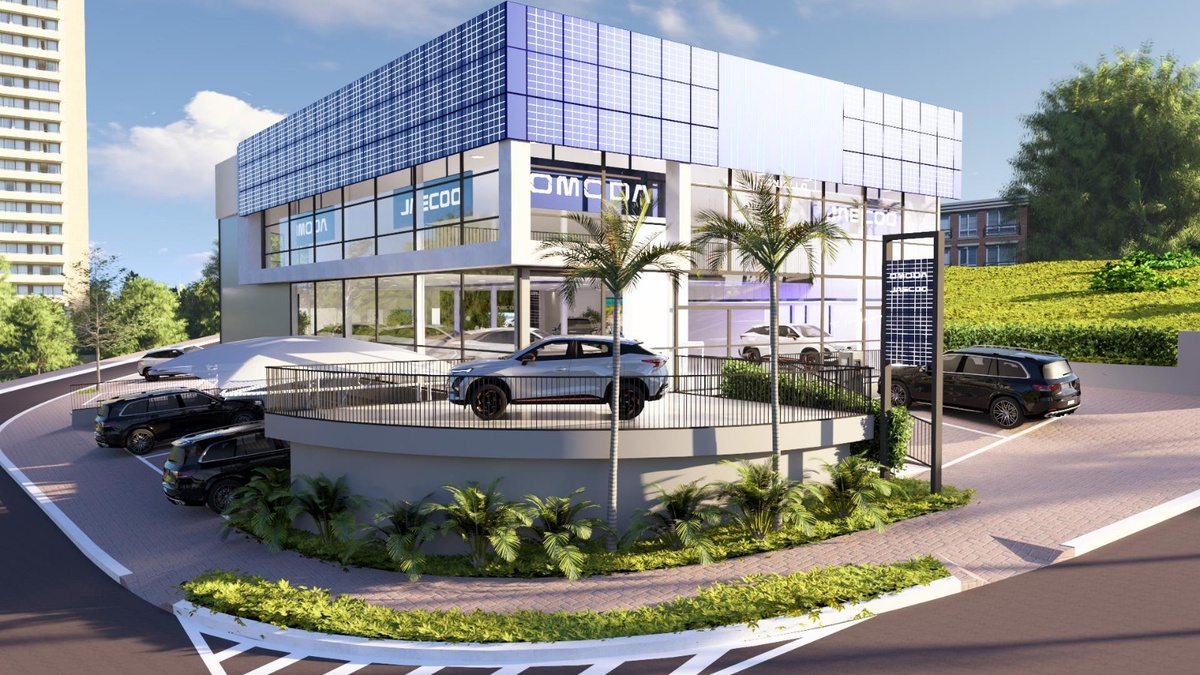
OMODA & JAECOO expands after-sales service in Brazil with competitive maintenance, a 7-year warranty, and high availability of parts for technological SUVs.
-
OMODA & JAECOO appoints Alessandra Souza as executive marketing director in Brazil and accelerates brand expansion with a focus on innovation, networking, and hybrid portfolio.

-
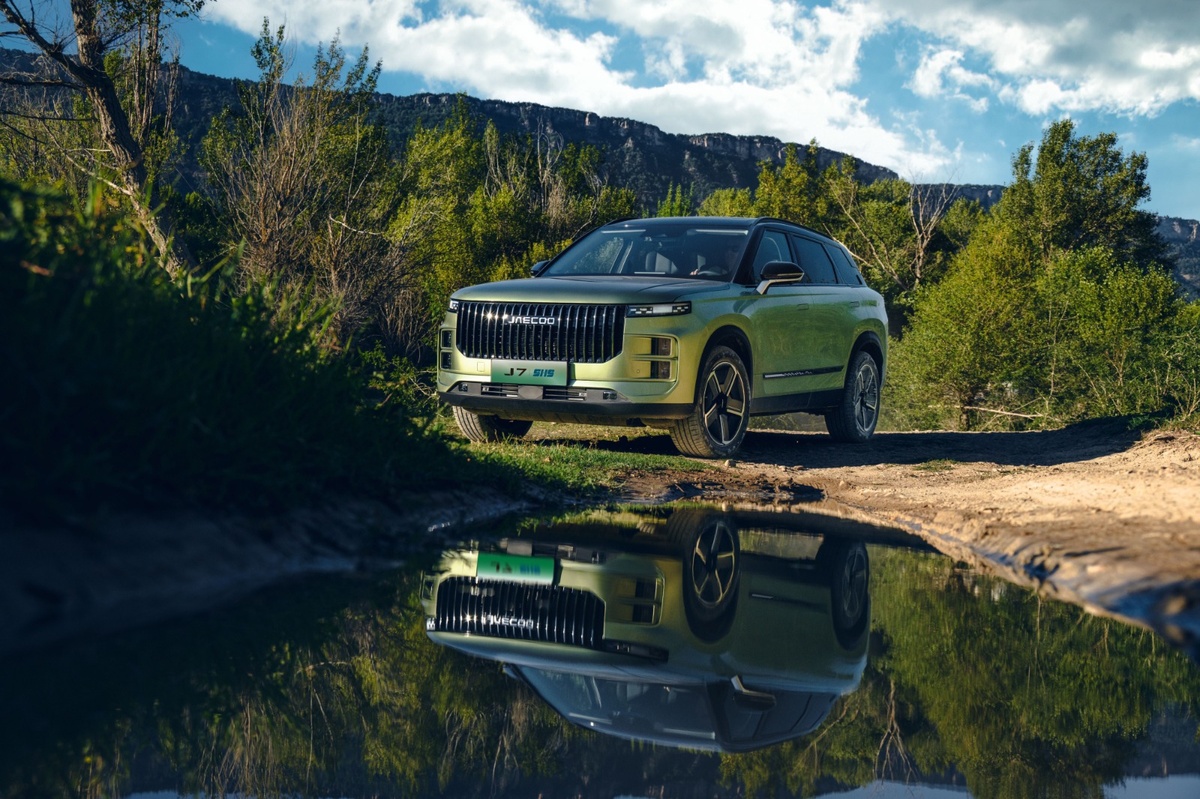
Jaecoo 7 with super hybrid SHS system exceeds 1,200 km of combined range with a 1.5 turbo engine, high-density battery, and intelligent energy management.
In practice, the renewal was extensive.
The T-Roc maintained the proposal of a compact SUV aimed at the European market, but grew compared to its predecessor and now features a more up-to-date electronic architecture, new driving assistants, and a redesigned interior.
Volkswagen reports that the model has exceeded 2 million units sold since the debut of the first generation in 2017 and has entered this new phase as one of its most relevant SUVs on the continent.
New Volkswagen T-Roc Adopts Renewed Visual and Grows in Dimensions
Visually, the SUV brings its design language closer to the ID electric family.
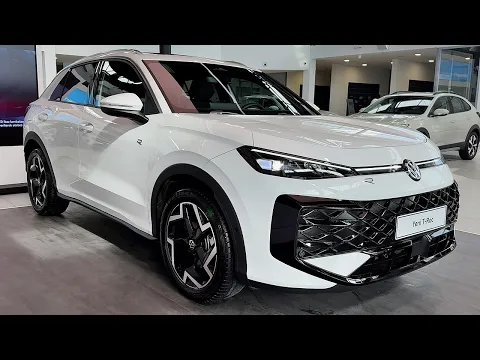
The front features matrix LED headlights, integrated light signatures, and illuminated logos on higher-end versions.
The design varies with the trim levels, including options like Life, Style, and R-Line in some markets.
The proposal was to update the model’s identity without breaking away from the features that characterized the previous generation.
The measurements show this evolution in size.
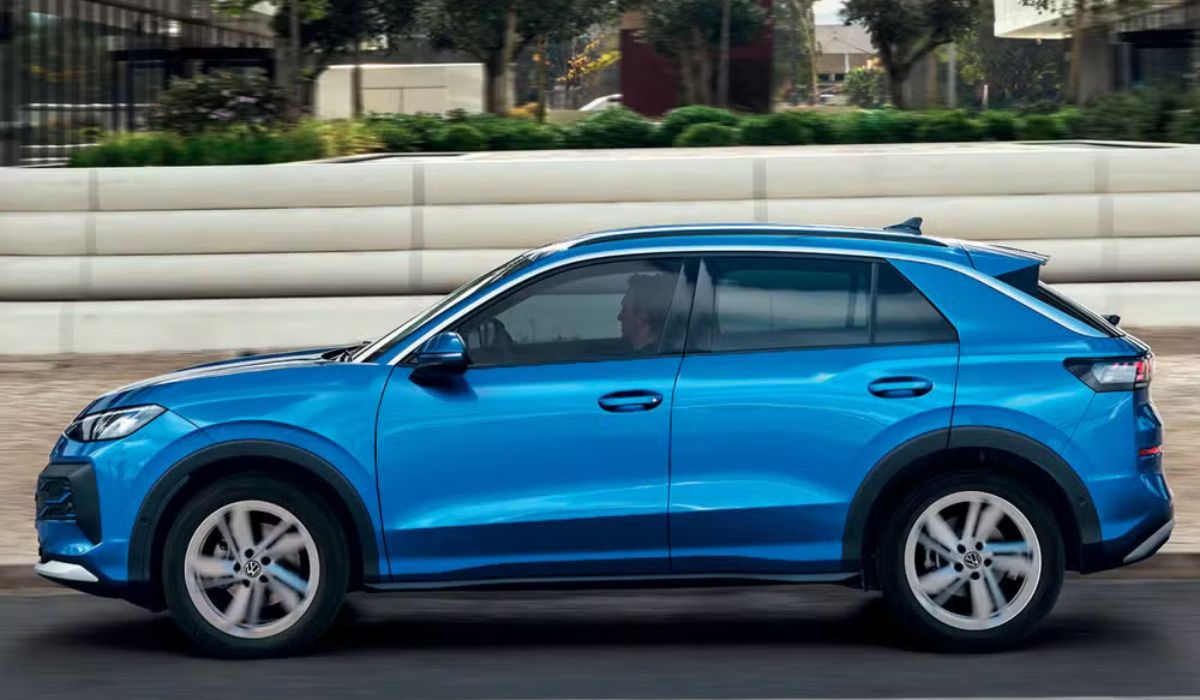
According to data released by Volkswagen in the United Kingdom, the new T-Roc measures 4.372 meters in length, 2.629 meters in wheelbase, 1.828 meters in width, and 1.573 meters in height.
The trunk capacity reaches 475 liters, which is greater than the previous generation.
With the rear seat folded down, the capacity increases significantly, reinforcing the model’s practical appeal in the segment.
This growth is also reflected in the cabin.
There is more legroom and knee space in the rear seat, while the feeling onboard is of a car that is more spacious than the previous model.
On the other hand, the raised central tunnel continues to limit the comfort of a fifth occupant on long journeys.
In higher-end versions, rear passengers also enjoy features that are somewhat uncommon among compact SUVs, such as dedicated climate control.
Part of this gain is linked to the flexibility of the MQB Evo platform, which accommodates different body styles and technology packages under the same base.
Interior of the Volkswagen SUV Gains More Screen and New Controls
Inside, the change is even more noticeable.
The new generation multimedia center can reach 12.9 inches, with a revamped interface and configurable shortcuts on the home screen.
The climate control buttons are located below the display, now with backlit surfaces, while the traditional gear lever has been replaced by a selector on the steering column.
As a result, the central console now concentrates the wireless charging pad, electronic parking brake, and other quickly accessible controls.
The equipment list also includes features such as head-up display, ambient lighting with multiple colors, and more supportive front seats in sportier versions.
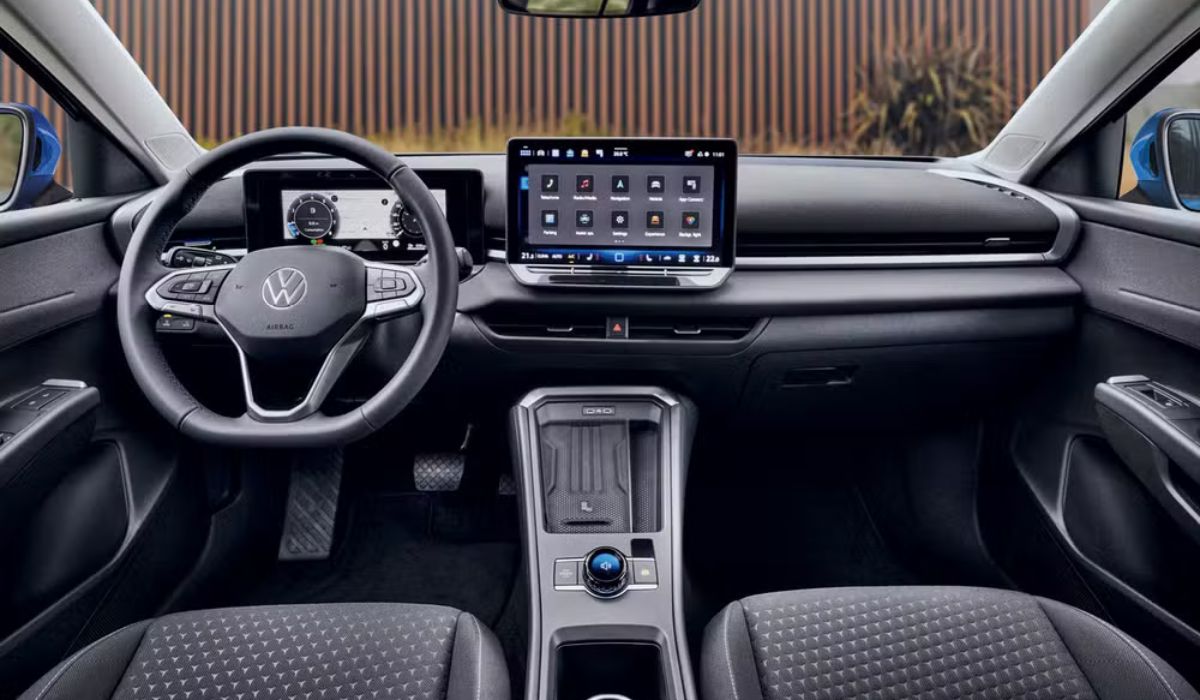
In some configurations, there are also massage and heating features in the seats.
At the same time, the perception of quality changes compared to the previous generation.
Whereas the T-Roc previously stood out for offering more soft-touch areas on the dashboard, the new model incorporates more rigid plastic on the front, albeit combined with decorative strips of fabric or synthetic material in specific trims.
48V Mild Hybrid Engine Becomes the Base of the European Lineup
The main transformation is under the hood.
At the European launch, the T-Roc started to be offered exclusively with electrified engines and automatic transmission.
The first two versions utilize the 1.5 eTSI with a 48V mild hybrid system, available in outputs of 116 hp and 150 hp.
According to Volkswagen, both versions operate with a belt-driven starter generator and a 48V lithium-ion battery, which provides temporary support during acceleration and helps reduce fuel consumption and emissions.
In the case of the entry-level variant, the brand reports a peak torque of 220 Nm.
The electric assistance can temporarily deliver 14 kW, equivalent to about 19 hp, plus an additional 56 Nm.
The system also allows for energy recovery during deceleration and alleviates the load on the combustion engine in specific situations.
This arrangement differs from full hybrids, as its primary function is to enhance efficiency and smooth operation, rather than to propel the vehicle solely over longer distances.
The offensive does not stop there.
Volkswagen has already confirmed that the T-Roc will also receive new full hybrid versions based on the 1.5 turbo engine, with 136 hp and 170 hp.
In this case, the electric system has a more robust role and allows for small electric-only trips under certain conditions, similar to the logic adopted by other full hybrids on the market.
A future option with 2.0 eTSI 4Motion featuring all-wheel drive and 204 hp has also been announced.
Performance and Dynamic Tuning of the T-Roc 1.5 eTSI with 116 hp
In the 116 hp configuration, the new T-Roc is aimed at everyday use.
Official data released by Volkswagen in the United Kingdom indicates an acceleration from 0 to 62 mph in up to 10.6 seconds, depending on the version, with a seven-speed DSG transmission.
The calibration prioritizes smoothness and fuel efficiency over more aggressive responses.
Still, mechanical evolution is evident in other areas.

The swap from the old twist beam to a multilink rear suspension contributes to changing the dynamic behavior and how the car handles road irregularities.
The steering remains light in the more conservative modes and gains weight in sportier calibrations.
The brakes and electronic management of the system result in more linear responses to driver inputs.
Volkswagen in Brazil Observes the Path Opened by the European T-Roc
Even without confirmed local sales of the European T-Roc, the model helps to illustrate the technical direction that Volkswagen has begun to adopt in its compact and medium SUVs.
The combination of updated platform, 48V electrification, more digital interior, and focus on efficiency is expected to influence the brand’s next steps in markets outside Europe, including where there is anticipation for the arrival of regionally developed flex hybrid utilities.
What is already clear, in light of the company’s official strategy, is that electrification has ceased to be an exception and has become central to the T-Roc lineup.
It is also essential to separate expectation from confirmed data.
The new T-Roc indeed inaugurates a more electrified phase for Volkswagen and serves as the brand’s technological showcase.
The direct link between this set and future national SUVs appears today mainly in reports from the Brazilian specialized press, not in a complete official technical detailing from the manufacturer on project names, body styles, and local timelines.
This distinction helps separate what has already been publicly reported from what still depends on official confirmation.
In the European market, another significant contextual adjustment is noteworthy.
The T-Roc remains a vital product for Volkswagen, but it was not the best-selling car in Europe in 2024.
According to data compiled by consultancies and industry publications, the overall leader of the year was the Dacia Sandero.
The T-Roc ranks among the highest-volume models on the continent and maintains prominence among SUVs, which helps explain the attention the brand is giving to the second generation.
With more space, a new base, electrification across the entire debut range, and a cabin focused on connectivity, the new T-Roc combines elements that help anticipate the kind of Volkswagen the brand intends to offer in the coming years, with greater focus on efficiency, digitization, and reducing dependence on exclusively combustion engines.








-

-

8 pessoas reagiram a isso.