





 Portuguese
  English
  Spanish
  3 min of reading
  0 comments



New Data From Serasa Reveal a Scenario You Didn’t Know. Research Shows That 70.5% of Brazilians’ Income Is Already Committed, With an Average of Only R$ 968 Left Per Month
According to new data from Serasa, the financial situation of Brazilian families remains alarming. The study shows that 70.5% of income is committed to debts and fixed expenses, such as credit cards, loans, electricity bills, and internet. This means that little is left for new expenses or investments.
According to the survey, after paying monthly commitments, an average of only R$ 968 remains for other expenses, an amount that primarily pressures low-income families. Economic inequality becomes even more evident when observing the difference in income commitment between the poorest and the richest.
Salary Disparities and the Burden of Debts
The new data from Serasa show that families earning up to a minimum wage commit 90.1% of their income, leaving almost nothing for emergencies or savings. Conversely, those earning more than ten minimum wages commit only 58.2% of their income.
-
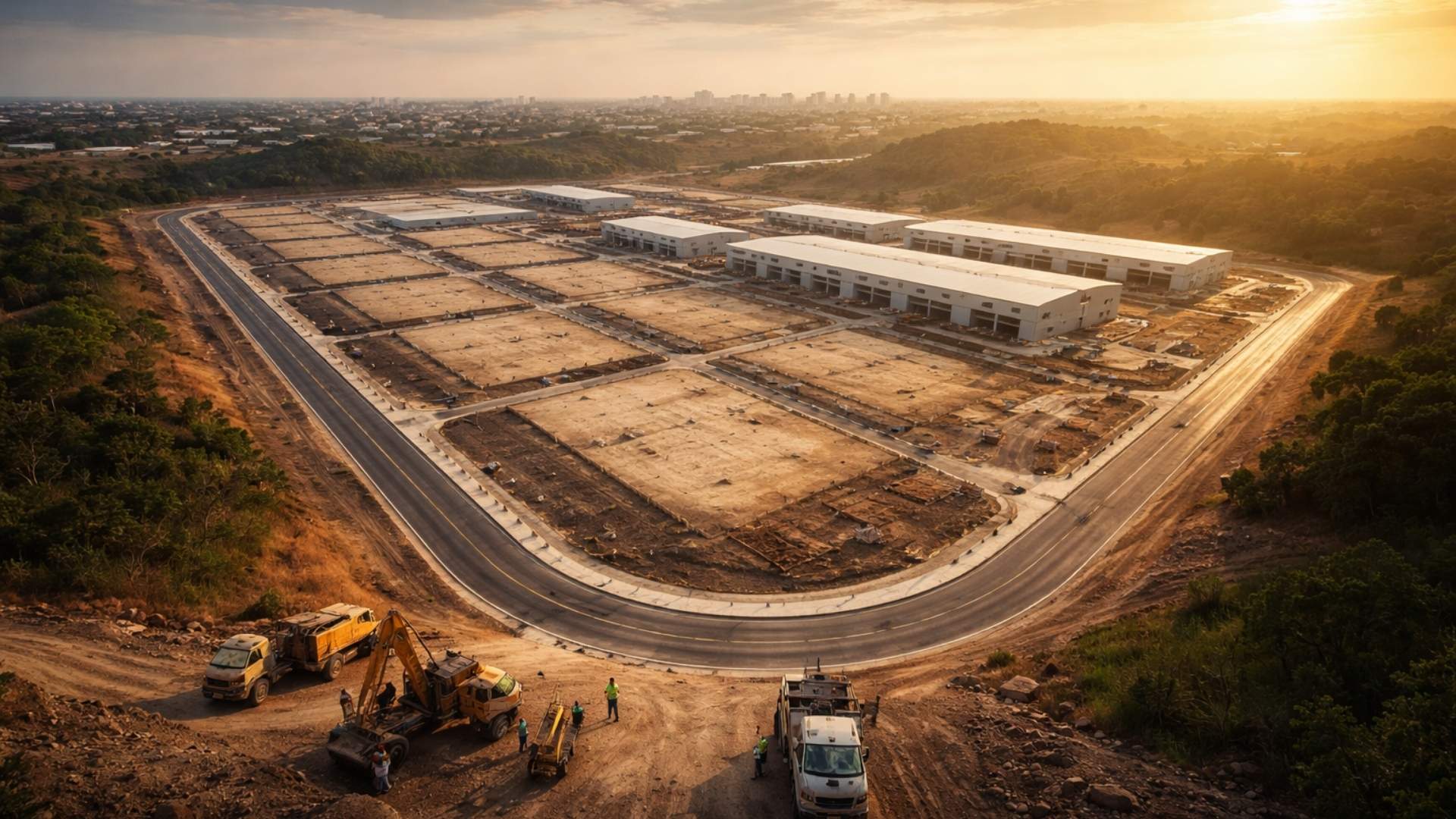
Brazilian city gains industrial hub for 85 companies that is equivalent to 55 football fields.

-
Peugeot and Citroën factory in Argentina cuts production by half and opens a layoff program for more than 2,000 employees after Brazil drastically reduced purchases of Argentine vehicles.

-
A Brazilian city gains a factory worth R$ 300 million with the capacity to process 200 thousand tons of wheat per year, a mill of 660 tons/day, silos for 42 thousand tons, and an industrial area of 276 thousand m².

-
Havan will leave the shopping mall in Blumenau to inaugurate something that the chain has never done before: a megastore in half-timbered style in the Historic Center of the city, which is expected to be completed in May and change the landscape of local retail.


This contrast reveals how fixed costs such as food and housing weigh more on the poorest, increasing inequality and limiting access to a balanced financial life. With more income, there is greater flexibility to invest, save, and maintain a good quality of life.
Why Is Debt Higher Among Low-Income Families?
According to the new data from Serasa, the high commitment is linked to three main factors: high cost of basic items, expensive or inaccessible credit, and lack of financial education. Low-income families often resort to loans with abusive interest rates, creating a difficult cycle to break.
Additionally, the lack of financial education means that many Brazilians cannot effectively plan their budgets. Without this support, the same pattern of indebtedness is repeated year after year.
Recent Evolution of Income Commitment
Even in the face of a challenging scenario, the new data from Serasa indicate a slight improvement. The average income commitment fell from 72.3% in 2022 to 70.5% in 2025. This reduction, although small, may be associated with more prudent credit policies and increased attention to spending control.
Debt evolution calendar:
- 2022: 72.3%
- 2023: 71.4%
- 2024: 70.8%
- 2025: 70.5%
This trend shows that financial education and debt renegotiation programs are beginning to have an impact, although the challenge remains significant.
Paths to Reduce Commitment
According to the new data from Serasa, investing in financial education is essential to turn the tide. With information, workers can better plan, avoid abusive interest rates, and prioritize savings.
Another central point is to expand access to fair credit, with lower interest rates and suitable conditions for low-income families. Public policies can also help, whether through subsidies, debt renegotiation, or reduction of basic tariffs.
These combined measures can lessen dependence on harmful financial solutions and pave the way for a more conscious and sustainable consumption.
Perspectives for a More Balanced Future
Despite the difficulties, the new data from Serasa reveal that there are already signs of change. Financial education programs, greater commitment from the banking sector, and public policies aimed at inclusion can help Brazil reduce inequalities and strengthen the financial security of families.
Building more planned consumption habits is an essential step. Stability, quality of life, and opportunities will only be achieved when the burden of debt stops suffocating workers’ income.
Do you agree with this reading of the new data from Serasa? Do you think that current measures actually help, or are there still more profound actions needed to balance Brazilians’ accounts? Leave your opinion in the comments — your perspective can enrich this debate.









-

Uma pessoa reagiu a isso.