





 Portuguese
  English
  Spanish
  4 min of reading
  0 comments


We Went Beyond the Promises of “120% of the CDI”. We Analyzed the Results of a 30-Day Practical Experiment to Show Which Digital Wallet Delivers the Highest Net Profit in Your Pocket.
In a high-interest scenario, digital accounts and wallets have entered into a fierce battle to attract your money, offering daily returns that easily surpass savings accounts. There are many promises: 110% of the CDI, 120% of the CDI, bonuses, and accelerators. But in practice, which one actually delivers the best result?
To put an end to the assumptions, we analyzed the results of a practical experiment that was documented in video: R$ 10,000 were deposited in four of the most popular platforms in Brazil – Nubank (Caixinha Turbo), RecargaPay, Mercado Pago (Cofrinho), and 99Pay – and the return was tracked for 30 days.
In this article, we will reveal the earnings podium, explain why some pay more, demystify the taxes, and analyze the security of each.
-
Unemployment rises again to 5.8% at the beginning of 2026, raising alarms about the end of temporary positions and its impact on the Brazilian job market.

-
Document organization can cut invisible costs in small businesses, a simple step that prevents waste, rework, and losses in daily operations.

-
Chinese giant worth nearly R$ 4 billion that manufactures cables for electric cars, solar energy, and robotics wants to open a factory in SC.

-
Many employers do not know, but the law guarantees domestic workers a 25% increase in salary during trips, 50% for overtime, 20% for night shifts, and 17 additional benefits that can lead to labor lawsuits if not paid.


The Competitors and Their Promises
- Nubank (Caixinha Turbo): Promises a return of 120% of the CDI.
- Mercado Pago (Cofrinho): Also offers 120% of the CDI.
- RecargaPay: Offers a standard return of 110% of the CDI.
- 99Pay: Promises 110% of the CDI, but offered “boosts” and promotional bonuses during the testing period, momentarily delivering the equivalent of 300% of the CDI.
Understanding the Concepts: CDI, IOF, and Income Tax
Before the results, it is crucial to understand three concepts.
- CDI: It is an interest rate very close to the country’s basic interest rate, the Selic. It is the reference for the fixed income market. A return of 100% of the CDI will yield almost the same as the Selic.
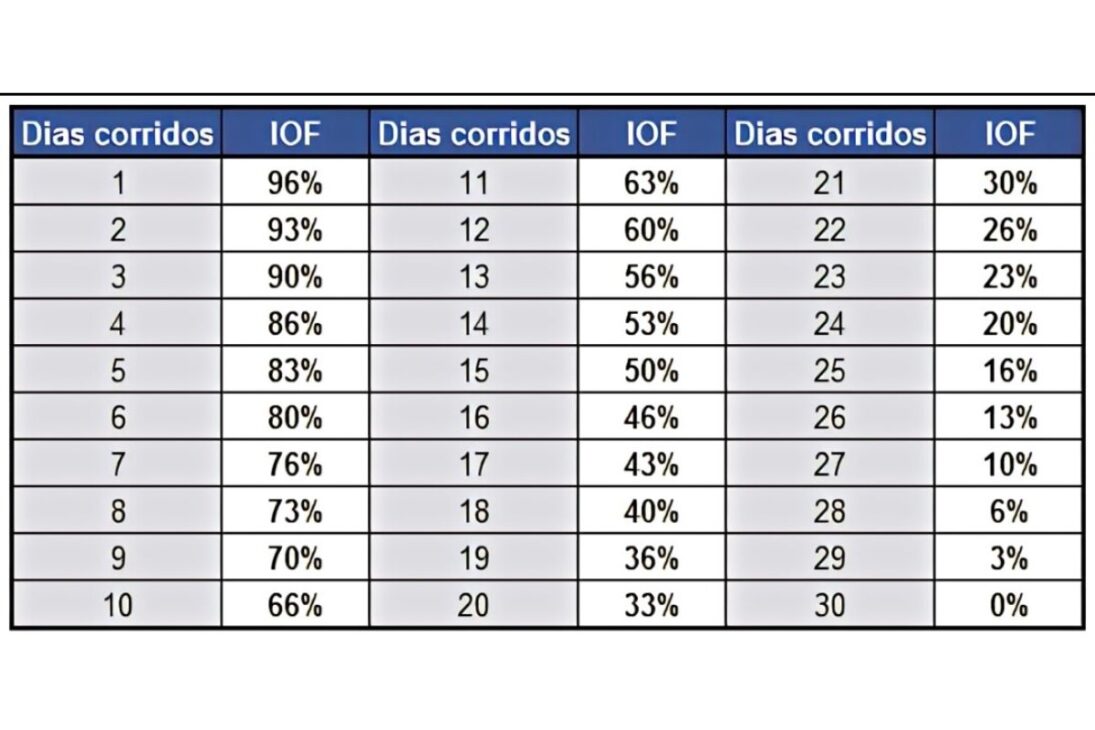
- IOF (Tax on Financial Transactions): It is a regressive tax that applies only to the returns and only in the first 29 days of the investment. It starts very high (96%) and drops to zero on the 30th day. To avoid paying it, just do not withdraw the money before a month.
- IR (Income Tax): It is also regressive and applies only to the returns. It starts at 22.5% (up to 6 months) and can drop to 15% (after 2 years). This tax cannot be reduced to zero.
Why Do Some Accounts Pay More Than 100% of the CDI?
The answer is marketing. Offering an enhanced return is a customer acquisition cost (CAC) strategy. Instead of spending on advertising, the company “pays” the customer with higher interest to attract them. For this reason, these offers tend to be temporary or limited to a certain amount.
Security Analysis: FGC vs. Government Bonds
- Nubank (RDB): The money in the Caixinha is an RDB (Bank Deposit Receipt), which has the guarantee of the FGC (Credit Guarantee Fund) up to R$ 250,000 per CPF, the same level of security as the major banks.
- Mercado Pago, RecargaPay, and 99Pay: As “Payment Institutions”, they are required by the Central Bank to keep customers’ money separate from the company’s assets and invested in Federal Government Bonds. In practice, your money is invested in the safest investment in the country. The risk, although very low, would be the bureaucracy to retrieve the money in the event of the institution’s bankruptcy.
The Final Result: The Podium of Earnings in 30 Days
After 30 days of experimenting, the R$ 10,000 yielded differently on each platform. The final ranking, considering the net return (the money that can actually be withdrawn), was as follows:
| Position | Platform | Net Return (30 Days) | Notes |
| 1st Place | 99Pay | R$ 135.52 | Won easily due to the promotional bonuses and “accelerators” at the beginning of the period. |
| 2nd Place | Nubank (Caixinha Turbo) | R$ 106.68 | Consistent return aligned with the promise of 120% of the CDI. |
| 3rd Place | Mercado Pago (Cofrinho) | R$ 101.01 | Return slightly below expectations for 120% of the CDI during the test period. |
| 4th Place | RecargaPay | R$ 97.64 | Result consistent with the promise of 110% of the CDI. |
(Note: the normal Caixinha from Nubank, at 100% of the CDI, yielded R$ 88.80 net in the same period).
The Analysis of the Verdict


The practical experiment reveals that, for the short term, the aggressive bonus strategy of 99Pay made it the undisputed champion of profitability.
However, for those seeking consistency and predictability, Nubank’s Caixinha Turbo proved to be the most solid among the high-yield options, delivering the expected result for 120% of the CDI and having the additional security of the FGC.
The final decision for the consumer is to weigh risk vs. return: to take advantage of the promotional and temporary returns of platforms like 99Pay, or to opt for consistency and the extra layer of security offered by products like Nubank’s RDB.
Analyzing the results, what do you prioritize more: the highest possible yield, even if it is promotional, or the security and consistency of a more established platform? Share your strategy!










Seja o primeiro a reagir!