





 English
  Francês
  Alemão
  Italiano
  Japonês
  Norueguês
  Portuguese
  Spanish
  2 min of reading
  0 comments


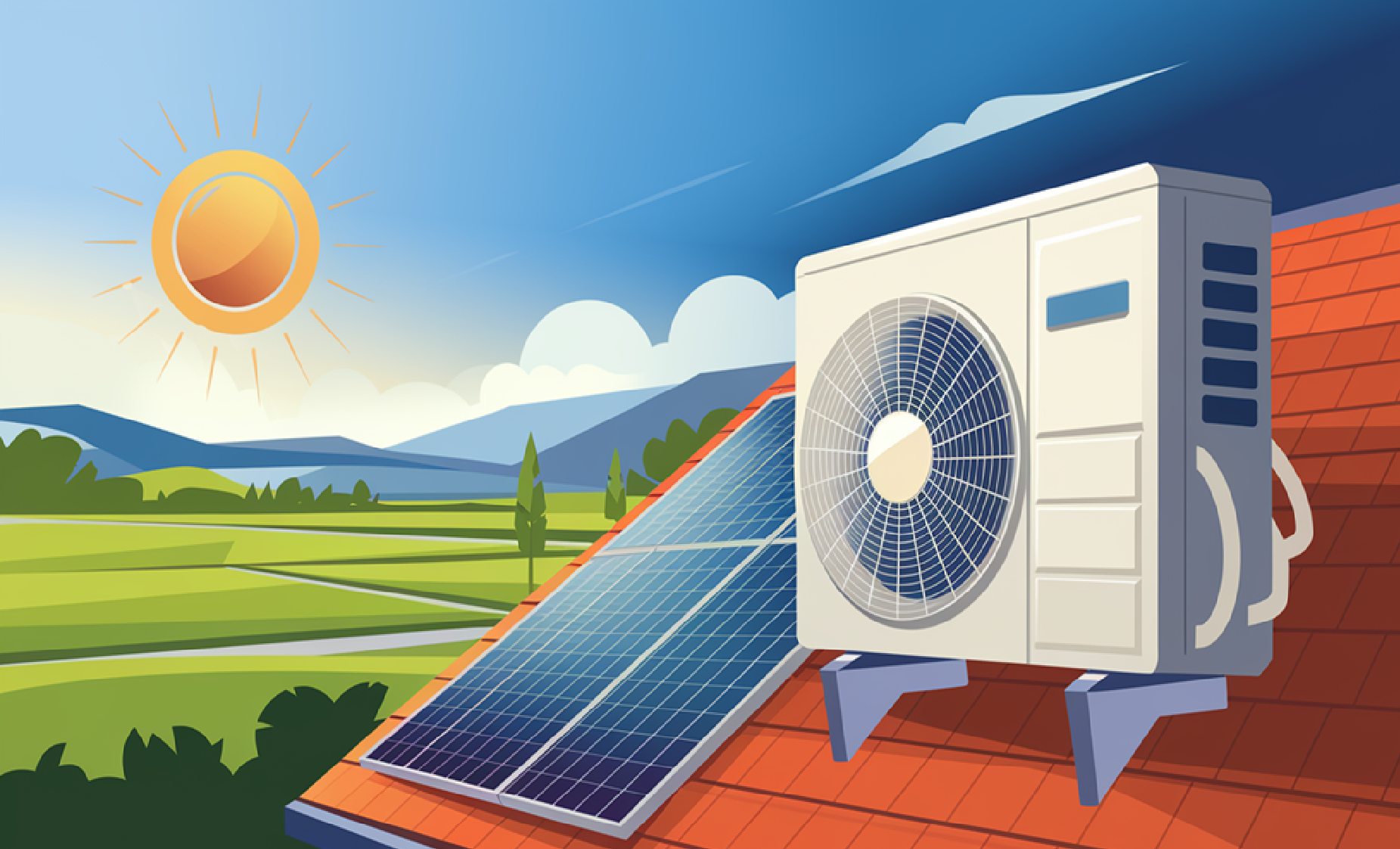
Solar Air Conditioning Is A Sustainable And Financially Smart Solution For Those Seeking Comfort And Energy Efficiency
The air conditioning is, without a doubt, one of the major villains of the electricity bill. But what if there was a way to keep your home cool, without worrying about the price at the end of the month? The solution already exists: solar air conditioning! We will explain how this technology works and why it can transform your relationship with energy consumption, according to the CanalTech website.
What Is A Solar Air Conditioner?
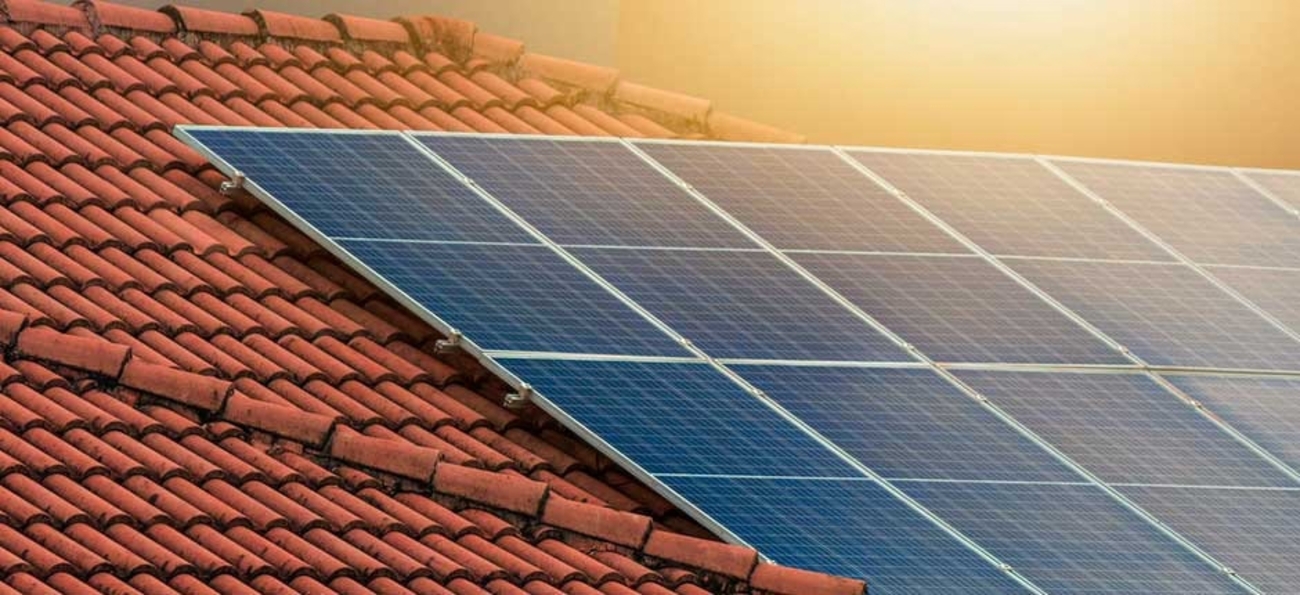
✅ Renewable Energy Source: Instead of relying on the electrical grid, solar air conditioning utilizes photovoltaic panels, which convert sunlight into energy to power the device.
✅ Two Versions Available:
- Hybrid Model: Uses solar energy during the day and, when there is no sun (at night or on cloudy days), resorts to regular electricity.
- 100% Solar Model: Works exclusively with solar energy, storing energy in an internal battery for continuous use.
Pros And Cons Of Solar Air Conditioning
Advantages:
✅ Significant Savings: Dramatically reduces the electricity bill, especially in hot locations.
✅ Sustainability: A clean and renewable energy source, helping to preserve the environment.
✅ Independence From The Electrical Grid: Continues to operate even during power outages, ensuring constant comfort.
-
Renewable energy advances over protected areas in Brazil, and a survey by the Energy Transition Observatory reveals silent impacts that challenge environmental conservation and pressure sensitive traditional territories.

-
Rio Grande do Sul accelerates energy transition: State invests in renewable technologies and consolidates decarbonization strategies and pathways to attract billions in new industrial investments.

-
With 160,000 m² of collectors, an area larger than 20 football fields, Silkeborg, in Denmark, hosts a solar thermal plant that heats 19,500 homes and could become the largest solar heating plant in the world.

-
A study reveals the expansion of renewable energy procurement in Brazil and shows how companies are taking advantage of opportunities to reduce expenses, ensure energy efficiency, and strengthen strategic environmental commitments.


⚠️ Disadvantages:
❌ High Initial Cost: The price of solar panels is still high, making the product more expensive.
❌ Installation Infrastructure: More powerful models may require multiple solar panels to operate (a 12,000 BTU unit, for example, may need seven panels).
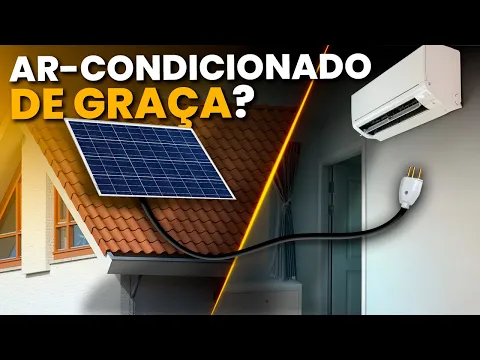

How Much Can You Really Save?
A solar air conditioner with 12,000 BTUs consumes about 1 kWh per hour — the same as a conventional model.
In São Paulo, with a tariff of R$ 0.671 per kWh, the monthly cost of a unit running 8 hours a day would be about R$ 161.
In other words, by eliminating this electric energy, the solar model could generate savings of R$ 1,932 per year!








-

-

-

-

-

-

12 pessoas reagiram a isso.