





 Português
  Inglês
  Espanhol
  4 min de leitura
  10 comentários


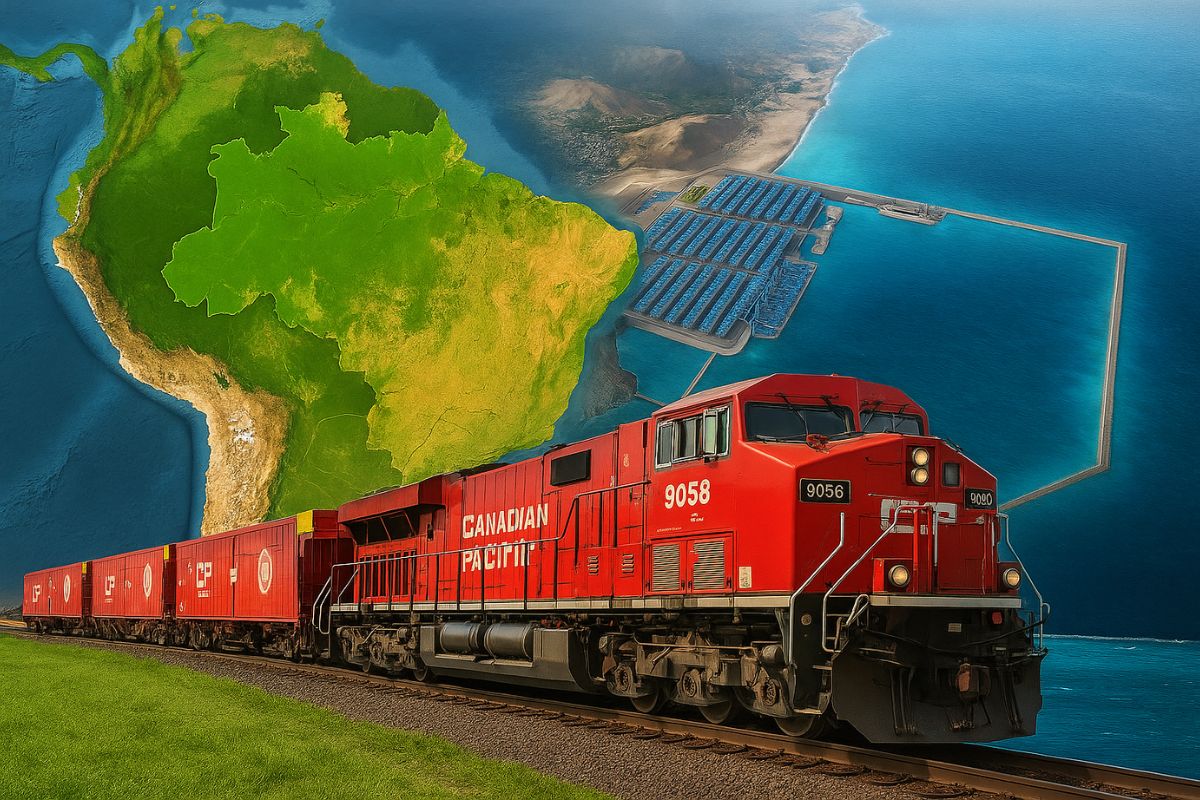


Driven By The Inauguration Of The Chinese Megaport In Peru, The Railway Construction Linking Brazil To The Pacific Advanced With Agreements Signed In Beijing In May 2025, Consolidating The Most Ambitious Project In South America.
One Of The Most Ambitious Infrastructure Projects In The History Of South America, The Bioceanic Railway Construction, Gained A Decisive Boost In 2025. The Steel Corridor, Which Promises To Connect The Port Of Ilhéus In Bahia To The Newly Inaugurated Chancay Megaport In Peru, Has Made Significant Progress, Driven By A Series Of High-Level Negotiations Between The Governments Of Brazil And China.
Led By The Brazilian Government As A “Logistics Revolution,” The Project Aims To Create A New Export Route To Asia, Reducing Costs And Travel Time. The Timeline Of Events In 2024 And 2025 Shows How The Initiative Moved From The Realm Of Ideas To Becoming A Strategic Priority, Although It Still Faces Monumental Challenges.
The Anchor Of The Pacific: The Inauguration Of The Port Of Chancay In November 2024
The First Concrete Step That Made The Bioceanic Railway A Real Possibility Happened In Peru. On November 14, 2024, The First Phase Of The Chancay Megaport Was Inaugurated. The Event, Covered By International Media, Featured The Virtual Participation Of Chinese President Xi Jinping And Peruvian President Dina Boluarte.
-
A megaproject worth R$ 89 billion is advancing in Iraq and promises to change the game in global trade by creating a new corridor between Asia and Europe, reducing traditional routes and repositioning the country as a logistics powerhouse.
-
Goodbye bedside table: floating shelves become a trend in 2026 by freeing up space in the bedroom, improving circulation, bringing visual lightness, and integrating technology without taking up floor space.

-
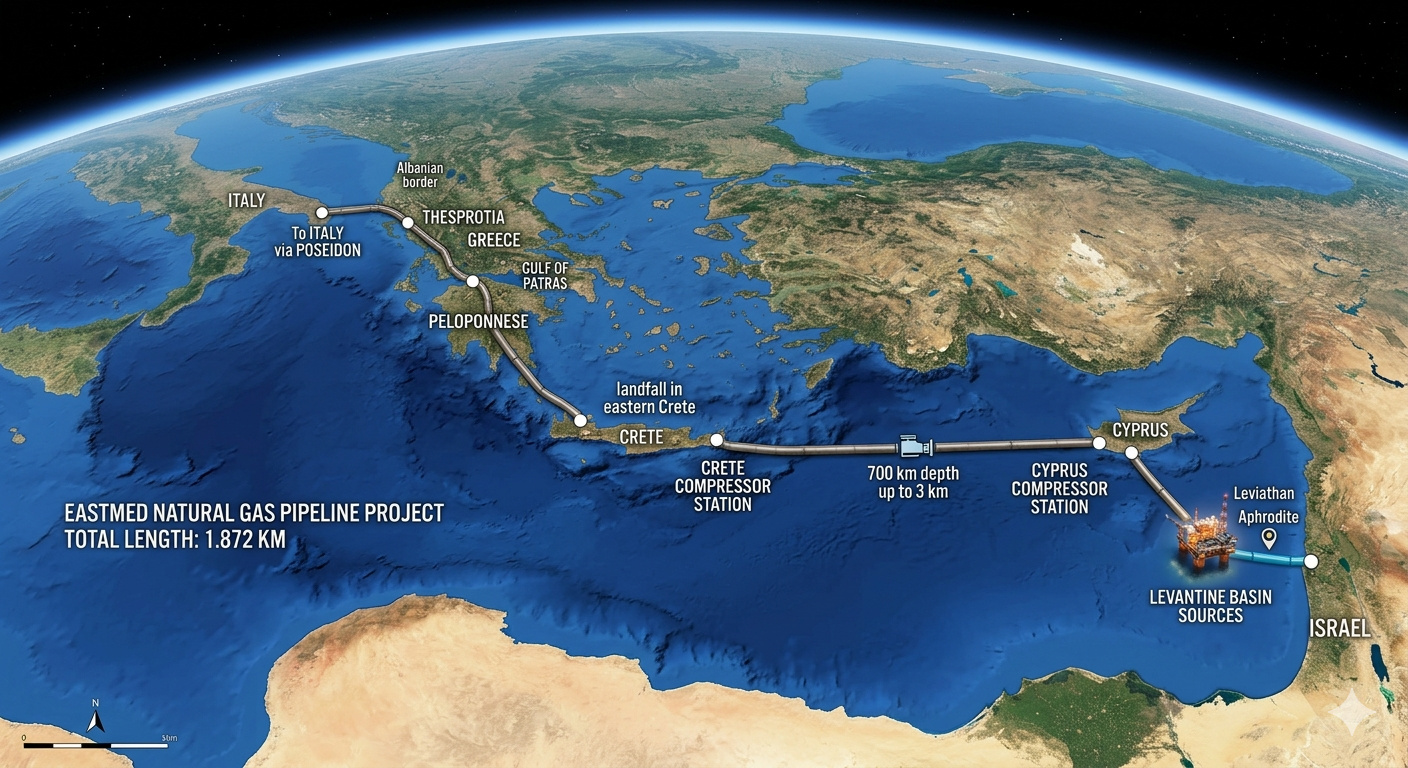
Israel, Greece, and Cyprus signed an agreement in 2020 to transport gas from the Mediterranean to Europe via a 1,872 km pipeline, but Turkey claimed sovereignty over part of the maritime route, and the project never materialized.
-
Israel, Greece, and Cyprus signed an agreement in 2020 to transport gas from the Mediterranean to Europe via a 1,872 km pipeline, but Turkey claimed sovereignty over part of the maritime route, and the project never materialized.

The Port Is The Key Piece Of The Project. With A Total Planned Investment Of US$ 3.5 Billion, The Terminal Was Built And Is Controlled By The Chinese State-Owned Giant COSCO Shipping. Its Deep Waters Allow It To Accommodate The Largest Cargo Ships In The World, Making It The Natural Destination For The Future Railway On The Pacific Side.
The Visit Of Chinese Engineers To Brazil In April 2025

With The Anchor Of The Pacific Established, The Focus Turned To Brazil. According To Reports From Brazilian Government Agencies, Between April 15 And 17, 2025, A Delegation Of Engineers From The Chinese Government And The China State Railway Group, The Country’s State Railway Company, Conducted A Technical Visit To Brazil.
The Mission Inspected Strategic Locations, Such As The Works Of The West-East Integration Railway (FIOL) In Bahia And The Junction With The North-South Railway In Goiás. The Objective Was Clear: To Assess The Existing Infrastructure And Collect Data For A New Feasibility Study On The Railway Construction On Brazilian Soil.
The Agreement In Beijing: The Trip Of The Brazilian Delegation In May 2025
Just A Month Later, It Was Brazil’s Turn To Go To China. Between May 10 And 13, 2025, President Luiz Inácio Lula da Silva And Planning Minister Simone Tebet Led A High-Level Delegation To Beijing.
The Visit, Widely Covered By The Media, Was Decisive In Sealing The Political Commitment. Memoranda Of Understanding Were Signed Between The Two Countries To Advance The Negotiations. Minister Simone Tebet Publicly Stated That The Railway Is Infeasible Without Chinese Capital And Technology, Declaring That “Only China Has The Technical And Financial Conditions To Drive It At This Time.”
The Deadline: The BRICS Summit In July 2025 As The Deadline

Still During The Trip To China, The Brazilian Government Established A Deadline For A Definitive Response Regarding The Investment. The Expectation, According To Minister Tebet, Was To Receive A Formal Commitment From China By The BRICS Summit, Which Would Take Place In Rio De Janeiro In July 2025. The Sense Of Urgency Demonstrated The Priority That The Project Gained On The Government’s Agenda.
The Brazilian Plan, On Paper, Is To Connect The FIOL With The Future Midwest Integration Railway (FICO), Creating A Continuous Corridor That Would Drain The Production Of Agribusiness And Mining From The Interior Of Brazil To The New Peruvian Port.
The Challenges Of Railway Construction In The Amazon And The Andes
Despite All The Political Advancements, The Bioceanic Railway Construction Faces Gigantic Obstacles. The Route Inevitably Crosses Two Of The Most Sensitive Biomes In The World: The Amazon Rainforest And The Cerrado. Environmentalists And Scientists Warn Of The Risk Of A Catastrophic Ecological Disaster Of Immense Proportions.
The Project Is Viewed With Concern By The United States, Which Consider Chinese Control Over Such A Strategic Infrastructure A Dangerous Geopolitical Advance In South America. The Engineering Complexity Of Crossing The Andes And The Amazon, Combined With Environmental, Social, And Political Challenges, Makes The Railway One Of The Most Ambitious And Risky Projects Of The Century.









Building better infrastructure to make transportation easier is a win for everyone in Brazil. It’s not just about making exports smoother — it also means faster, safer, and more reliable transport within the country.
About the “selling to China, what will Brazilians eat?” concern — improved transport boosts trade and keeps goods moving. Brazil has huge natural advantages (like commodities, soybeans, iron ore) that can be traded for high‑tech products to help the country grow. Without trade, would life really be better? If that’s the case, we’d all have to go back to farming in the countryside and living off the land…
Honestly, I’m surprised by the tone of some of the local comments here. I didn’t expect Brazil to be so wary or unfriendly toward China — that’s completely different from what the Chinese media show. Any Brazilian friends here: is this how most people feel, or are these comments just biased for this particular report?
Nós Brasileiros, Bahianos não seremos beneficiados em absolutamente NADA! Quem ganha são os Chineses e Peruanos. Já fomos e somos tão roubados.
Grãos são vendidos FOB, entregue no Porto. Ao invés de entregar a carga em Portl Brasileiro o produtor deverá entregar no Peru, ficando mais caro para o produtor e mais Barato para o Chinês!! Como aplaudem isso?? Além de tirar emprego nos Portos Brasileiros e deixar o controle na mão de estrangeiros.