





 Portuguese
  English
  Spanish
  3 min of reading
  0 comments


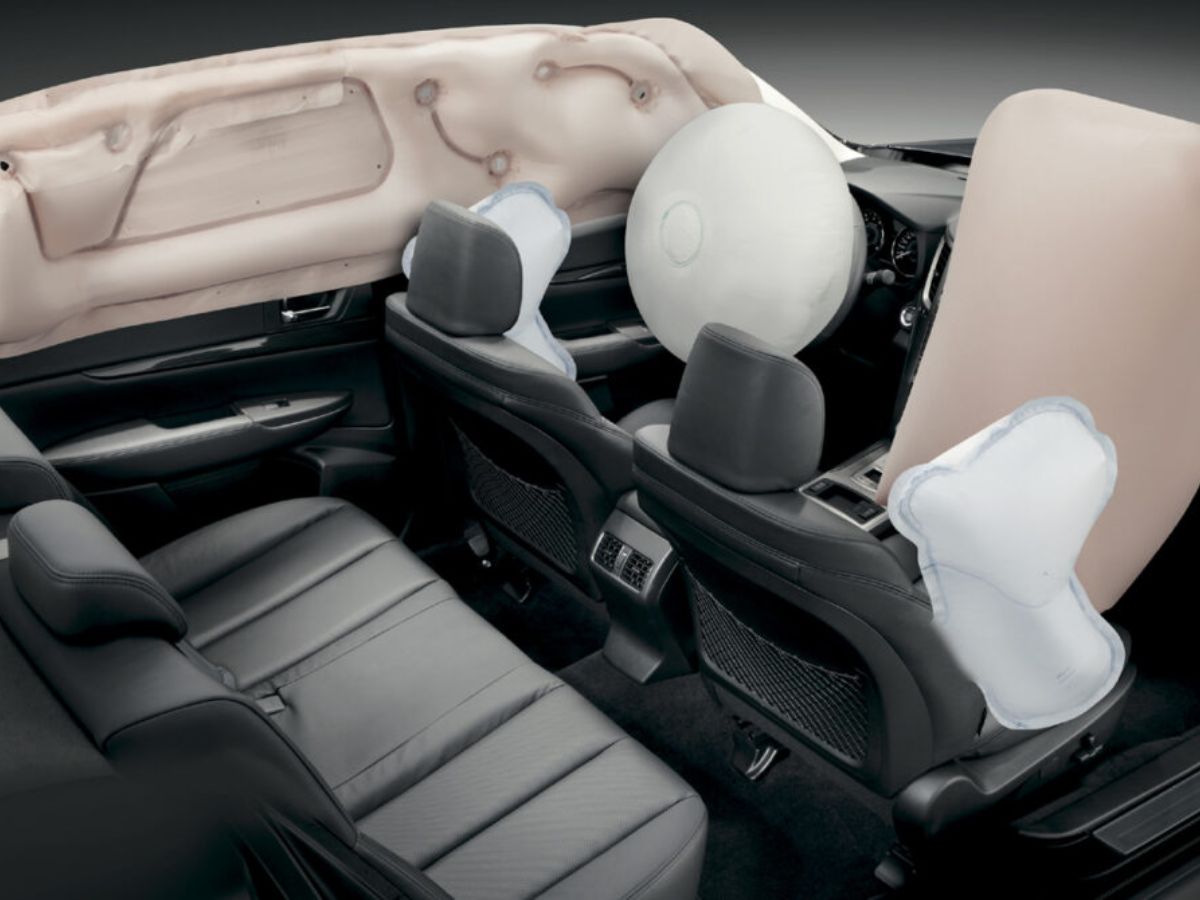
Understand How the Curtain Airbag Works, the Safety Technology That Became Standard in SUVs and Protects Occupants in Side Collisions and Rollovers
The curtain airbag is one of the most important components of passive safety in a modern SUV. Designed to inflate in fractions of a second, it creates a protective cushion along the side windows, shielding the heads of occupants in collisions and especially in rollover accidents, where the risk of ejection is higher.
With the evolution of regulations and growing safety concerns, the curtain airbag has transitioned from a luxury item to becoming standard in 2025. Its function is crucial for reducing serious injuries and saving lives, serving as an indispensable complement to the seatbelt.
What Is and How Does the Curtain Airbag Work in a Modern SUV?
Unlike frontal airbags, the curtain airbag is discreetly stored in the roof’s reinforcement above the windows. When the vehicle’s sensors detect a severe side impact or a rollover, they trigger a chemical reaction. This reaction releases a large volume of nitrogen gas that inflates the bag.
-
A couple buys an old chalet, breaks the kitchen floor for renovation, and finds over a thousand coins of gold and silver hidden since the English Civil War over 4 centuries ago.

-
Rigid bags with their days numbered: new trend prioritizes comfort in 2026.

-
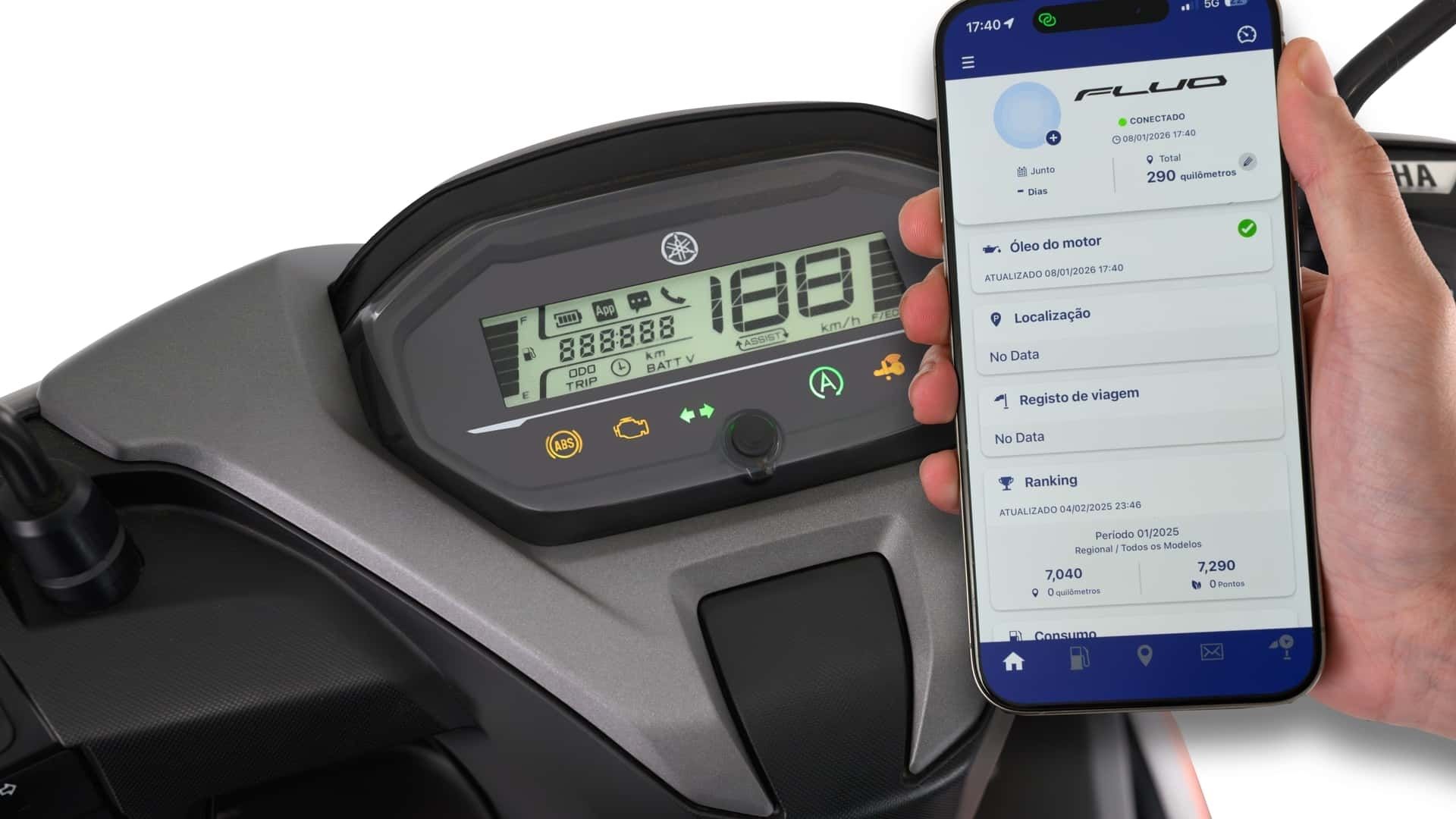
Costing R$ 16,000, the new Yamaha features a 125 cc hybrid engine with electric assistance, delivers 8.3 hp, includes ABS, optimized fuel consumption, Y-Connect connectivity, 25 liters of storage space, and a surprising 4-year warranty in the urban segment.
-
YouTuber creates an excavator equipped with a giant 4.5-meter sword to challenge his brother to a rematch, and the invention quickly goes viral on social media.


The entire process is extremely fast. The airbag can exit its compartment at a speed of up to 300 km/h, inflating completely in about 25 milliseconds. In modern SUVs, it is designed to cover the entire window area, protecting passengers in all rows of seats.
The Crucial Protection in Rollovers, Preventing the Ejection of Occupants
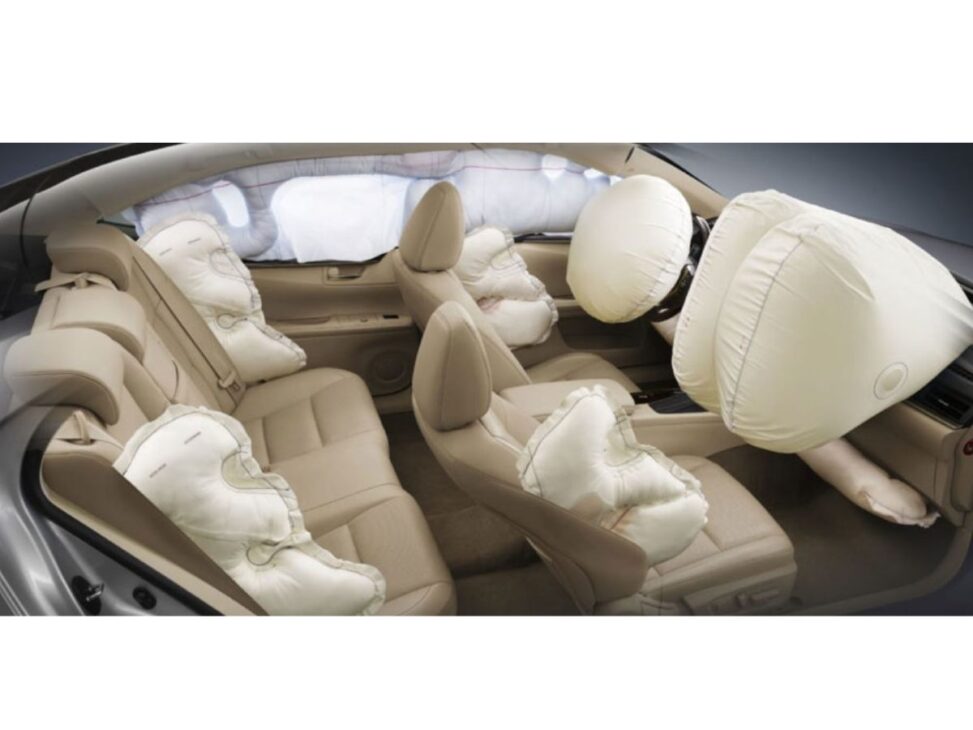
Rollover accidents are particularly dangerous, especially in SUVs, which have a higher center of gravity. The curtain airbag is equipped with specific rollover sensors to identify this type of accident. Its main function in this scenario is to prevent occupants from being ejected from the vehicle.
To ensure this protection during multiple rolls, the curtain airbag is designed to stay inflated for a longer period, around 10 seconds or more. Studies based on field data from the U.S. show that this technology is approximately 23% effective in reducing fatalities for belted occupants in rollovers.
The Effectiveness in Side Impacts, a 50% Reduction in Serious Head Injuries
In side collisions, the reaction time is even shorter, as there is little space between the occupant and the point of impact. Therefore, the curtain airbag is designed to inflate even faster, within 10 to 20 milliseconds. It creates a vital barrier between the passenger’s head and the window or the object that hits the car.
The effectiveness is proven. The presence of the curtain airbag reduces the risk of fatal head injuries by about 50% in side impacts. Safety agencies like IIHS and Euro NCAP conduct rigorous lateral impact and pole tests to assess and promote the performance of this technology.
The 2025 Standard, Why the Curtain Airbag Became Mandatory
The market for curtain airbags is experiencing strong growth, driven by increasingly stringent safety regulations and consumer demand. Standards like the U.S. FMVSS 226, which focuses on ejection mitigation, have made the technology a global standard for rollover protection.
By 2025, the curtain airbag is already considered a standard item in most new SUVs. Manufacturers like Honda, in the 2025 Pilot, and Chevrolet, in the 2026 Trailblazer, are already including it as standard in all rows of seats, reflecting the technology’s importance for achieving maximum safety ratings.
Supplemental, Not Primary, The Importance of the Seatbelt and Future Technologies
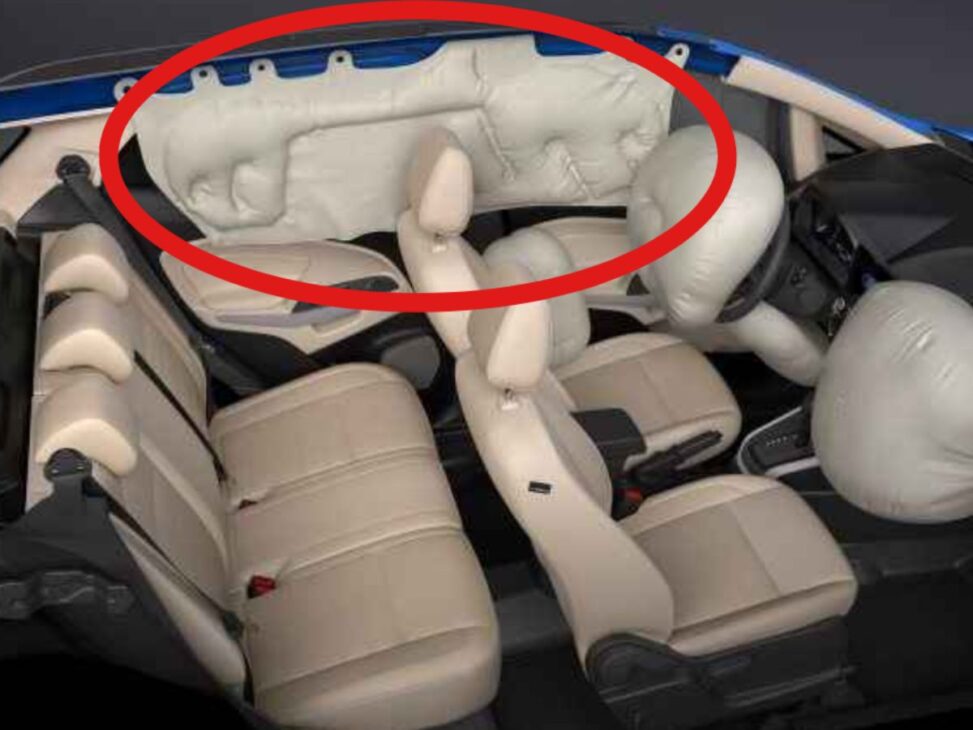
It is essential to understand that airbags do not replace seatbelts. They are a Supplemental Restraint System (SRS), designed to work “best in combination with seatbelts.” An airbag can cause injuries if deployed unnecessarily or if the occupant is not wearing the seatbelt.
Technology continues to evolve. Future steps include adaptive airbags that adjust to the size and position of the occupant, and even external airbags that inflate milliseconds before an impact to protect pedestrians. This integration of active and passive safety systems represents the future of vehicle protection.






-

2 pessoas reagiram a isso.