





 Portuguese
  English
  Spanish
  3 min of reading
  0 comments


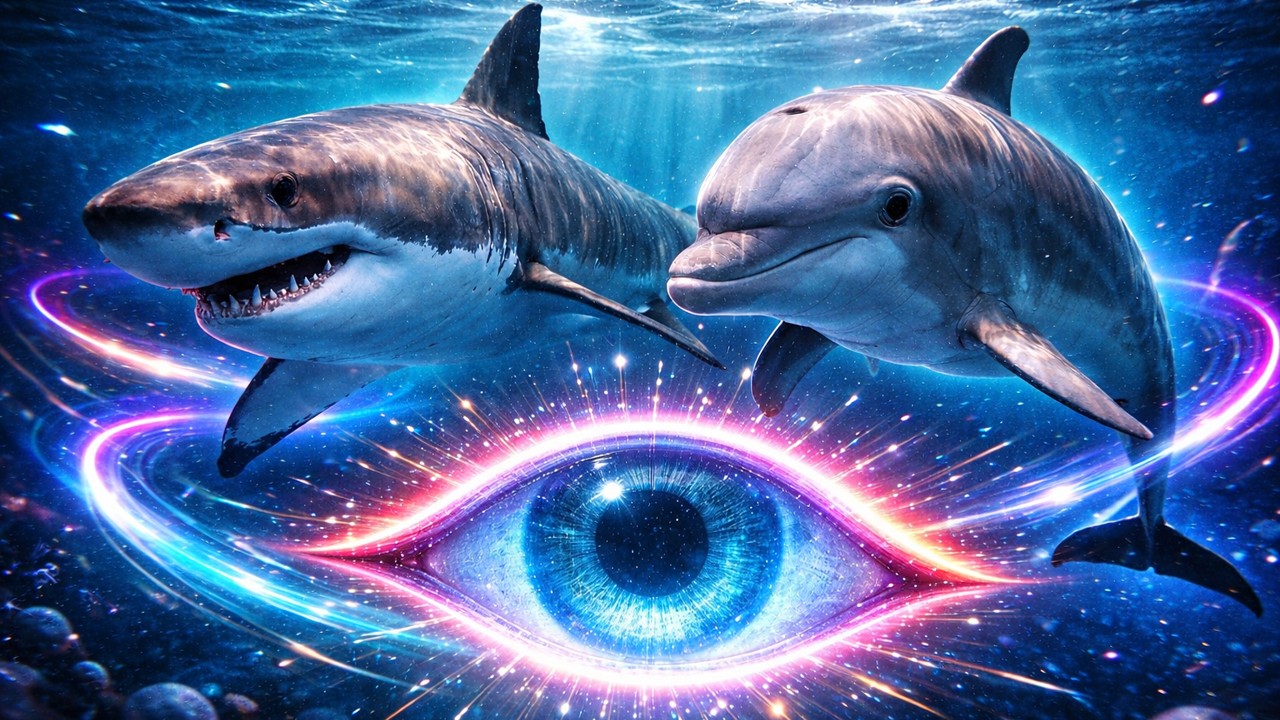
Some Species Developed a “Biological Trick” That Allows Them to Rest Without Turning Off Their Bodies
Sleeping is a basic necessity for almost all living beings. However, nature always finds exceptions — and some of them seem to defy everything we know about rest. There are animals that do not sleep in the traditional way and can remain active for long periods without ever completely “turning off.”
But after all, what is the animal that never sleeps? The answer is not simple — because, biologically, nature created alternative forms of rest.
Dolphins: The Most Famous Case
Dolphins are the most well-known examples when it comes to “never sleeping.” They do not sleep like humans or other mammals, but that doesn’t mean they become exhausted.
-
A “silent skill” is allowing Brazilians to earn up to R$ 22,000 per month without a degree and become indispensable for companies that rely on millions of data to survive.

-
Researchers at the Toyota Research Institute found that if a human uses robotic arms to flip a pancake 300 times in an afternoon, the robot learns to do it on its own the next morning, and this is currently the most promising method to solve the biggest bottleneck in modern robotics.

-
Goodbye iron: a common item in households is starting to lose space to technology that smooths clothes in minutes without an ironing board and with less energy consumption.

-
Antarctica reveals an unusual clue high in the Hudson Mountains, and what appeared to be just an isolated rock began to expose a secret hidden under the ice for ages.


The secret lies in a mechanism called unihemispheric sleep.
It works like this:
- only one side of the brain sleeps at a time;
- the other side remains awake and alert;
- after a few hours, the hemispheres switch roles.
In practice, the dolphin is never completely unconscious.
Why Can’t Dolphins Sleep Deeply?
Unlike humans, dolphins need to:
- come to the surface to breathe;
- stay alert against predators;
- keep swimming to regulate their body temperature.
If they entered deep sleep, they could simply drown.
That’s why evolution created a system that allows rest without losing control of the body. While half of the brain rests, the other ensures breathing, movement, and vigilance.

Birds That Sleep While Flying
It’s not just dolphins that master this trick. Some migratory birds can sleep while flying.
Studies have shown that species like the swift spend months in the air, resting their brains for just a few seconds at a time, alternating hemispheres — very similarly to dolphins.
This type of sleep is:
- extremely short;
- fragmented;
- sufficient only to maintain vital functions.
The Animal That Practically Doesn’t Sleep: The Shark
Sharks also make this curious list. Many species do not really sleep.
They need to keep constantly moving to:
- pass water over their gills;
- ensure continuous oxygenation.
While moving slowly, their metabolism decreases, and their bodies enter a state of active rest, but without completely turning off their brains.
So… Do They Really Never Sleep?
Technically, these animals rest but do not sleep like we do.
What science understands today is that:
- rest does not require total loss of consciousness;
- the brain can “rotate” resting areas;
- sleep can be fragmented and still effective.
In other words, they bypass the rule without breaking it.
Why Can’t Humans Do This?
The human brain functions differently. We need to:
- turn off a large part of brain activity;
- enter deep sleep cycles;
- consolidate memories and recover tissues.
If we tried to sleep like a dolphin, we would suffer:
- cognitive decline;
- hormonal issues;
- physical collapse in a few days.
This type of adaptation takes millions of years of evolution.
What Does This Reveal About Nature?
These animals show that:
- sleep is not a one-size-fits-all formula;
- survival shapes the body and the brain;
- nature finds solutions where alternatives seem non-existent.
While humans need hours of deep sleep, other beings have learned to rest without ever losing control of their environment.
Final Remark That Impresses
Newborn dolphins spend weeks practically without sleeping, swimming alongside their mothers from birth. It is only after a while that their brains start alternating the hemispheres more regularly.
It’s one of the most impressive proofs that, in nature, even sleep can be reinvented.






-

-

-

5 pessoas reagiram a isso.