





 Portuguese
  English
  Spanish
  3 min of reading
  0 comments


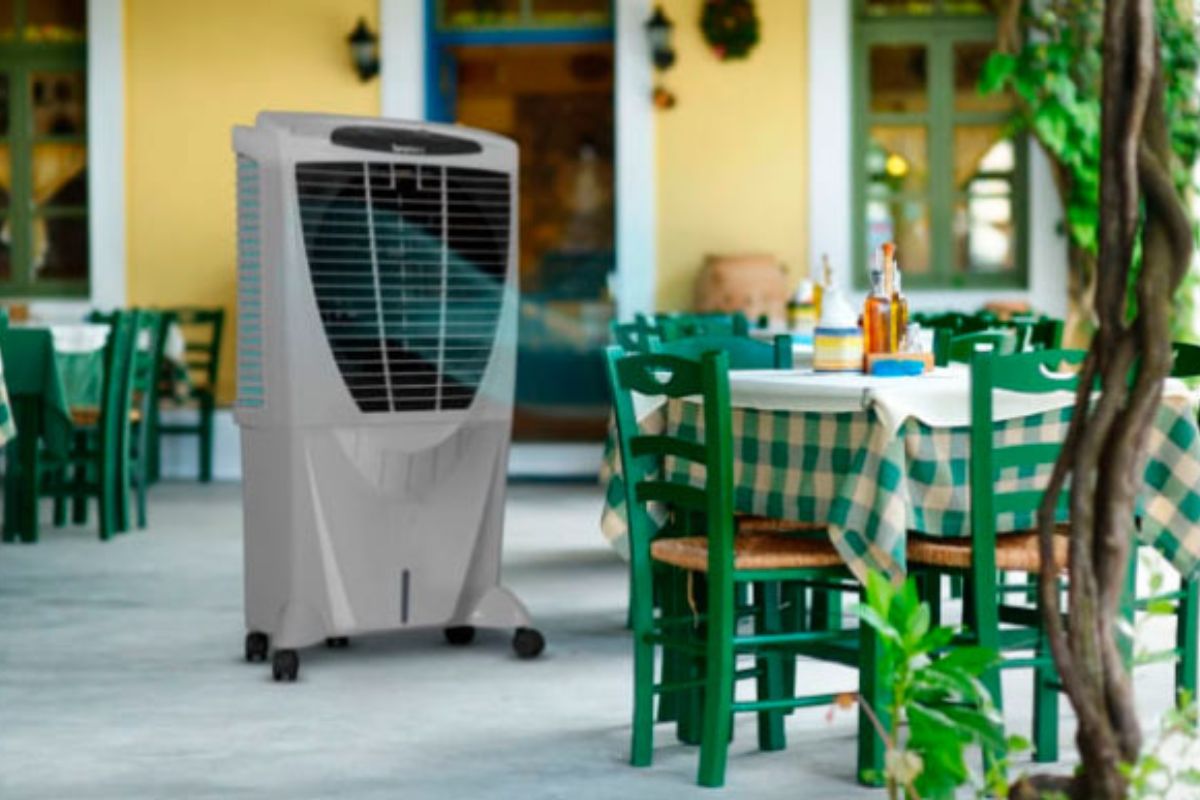


Known For The Promise Of Savings, Portable Air Conditioners Are A Cheap Alternative, But Their Performance Depends Entirely On The Climate Of Your Region To Not Become A Disappointment.
In the heat, the search for a portable air conditioner and economical option leads many to a device that promises savings of up to 90% on the electricity bill. This is the evaporative air cooler, a device that uses only water to lower the temperature of the environment. But does it work like a real air conditioner?
The answer is no, and understanding the difference is crucial to not waste money. The cooler can be a brilliant solution or a major frustration. It all depends on one single factor: the humidity of the air in your city.
The Science Behind Energy Savings: How It Works?
The claim about the energy savings of portable air conditioners is largely true. A consumption analysis shows that a cooler uses 80% to 90% less energy than a portable air conditioner. This happens because the devices use completely different technologies.
-
A forgotten cord on the floor of a basement in Vienna leads a plumber to a box containing 30 kilograms of gold with Mozart’s face, hidden before World War II. The treasure, worth 2.3 million euros, was just centimeters away from a worker who ignored the sign a day earlier.

-
China accelerates global science and may surpass the United States in 2 years with increased public investment, continuous growth, and direct impact on the global technological competition.

-
Scientific studies indicate that drought may be strengthening a much greater silent threat: more resistant superbugs.

-
Man builds functional 5-meter submarine in his garage using gas cylinders, PVC pipes, and a refrigerator motor, and navigates with the vessel on a lake in Colombia.

The cooler works in a simple and natural way. A pump sprays water onto a panel, and a fan forces air to pass through this wet panel. The water evaporates, taking heat from the air and refreshing the environment, like a sea breeze. Its only electrical components are a fan and a small pump.
A real air conditioner, whether portable or wall-mounted, uses a refrigeration cycle with a compressor. It is the compressor that does the heavy lifting of “pumping” the heat out of the environment, and it is responsible for the high energy consumption.
The Deciding Factor: Why Portable Air Conditioners Are Great In Dry Climates And A Disaster In Humid Climates?
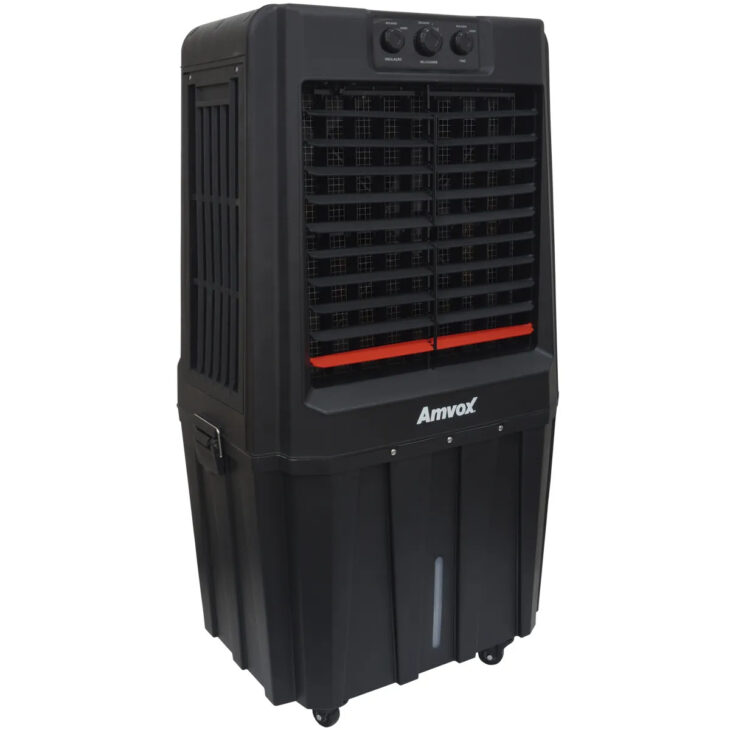
This is the most important point. The effectiveness of a cooler depends directly on the ability of the air to absorb more moisture.
In dry climates (humidity below 60%): the cooler is excellent. In a city like Brasília, on a day with 32°C and 40% humidity, it can reduce the thermal sensation by up to 8°C, making the environment much more pleasant.
In humid climates (humidity above 70%): the cooler loses its effectiveness and can worsen discomfort. In a coastal city like Rio de Janeiro, with the same 32°C, but with 75% humidity, the device can barely lower the temperature by 2°C. Worse: it continues to add moisture to the air, creating the dreaded “sauna effect”, a feeling of suffocating and sticky environment.
How Much Does It Cost To Buy And Maintain Each One?
The price difference is striking. A good cooler can be found for between R$ 300 and R$ 600. A portable air conditioner of quality, however, does not cost less than R$ 2,500.
In terms of electricity costs, the disparity continues. Using the devices for 8 hours a day, the estimated monthly cost is:
- Air Cooler: About R$ 19 (similar to a fan).
- Portable Air Conditioner: About R$ 136 (more than 7 times more expensive).
Comfort And Maintenance In Daily Life: What Changes In Practice?
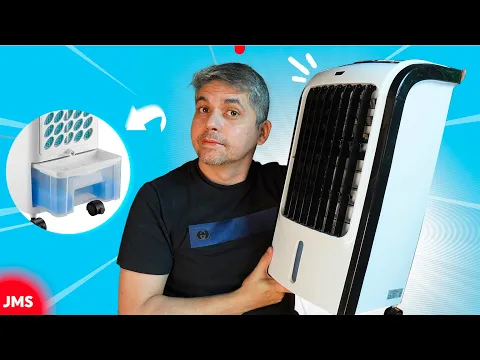

The user experience is also very different. The cooler, by humidifying the air, is great for those who suffer from respiratory problems and dry skin. The air conditioner, by removing moisture, is ideal for those allergic to mold and dust mites.
Maintenance is another crucial point. The air conditioner requires only periodic cleaning of the filters. The cooler, on the other hand, demands constant care: the water reservoir needs to be refilled daily and its panels need to be cleaned frequently to avoid the buildup of mold and bacteria, which can cause unpleasant odors and health issues.






istanbul escort