





 English
  Francês
  Alemão
  Italiano
  Japonês
  Norueguês
  Portuguese
  Spanish
  3 min of reading


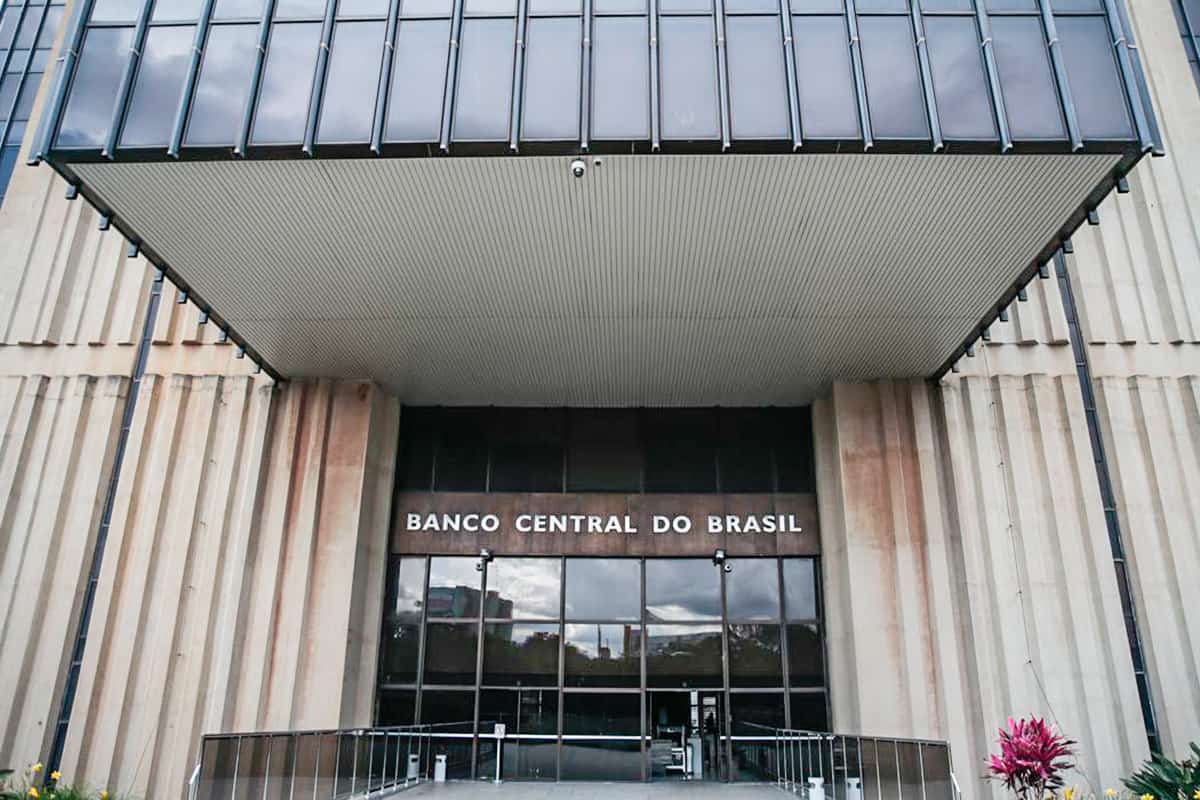
The Publication of the Minutes of the Monetary Policy Committee (Copom) Meeting Has Attracted More Attention Since President Luiz Inácio Lula da Silva Started Criticizing the Head of the BC, Roberto Campos Neto.
Therefore, the directors of the Central Bank decided to write nine additional paragraphs in the minutes released on the morning of Tuesday (7). The document provides details on how the decision regarding the basic interest rate (Selic) was made and includes hints about what to expect going forward.
In total, there were 32 paragraphs, compared to 23 in the last Copom minutes. The text covers information about scenarios and risk analysis, in addition to discussing the conduct of monetary policy.
What to Expect from the First Copom Meeting of 2023?


What the Copom Said in the Minutes
The Central Bank (BC), which has had formal autonomy since 2021, reiterated in the Monetary Policy Committee (Copom) minutes its commitment to the targets set by the National Monetary Council (CMN). This attitude reinforces the BC’s commitment to seeking price stability in the country.
-
Chinese giant worth nearly R$ 4 billion that manufactures cables for electric cars, solar energy, and robotics wants to open a factory in SC.

-
Many employers do not know, but the law guarantees domestic workers a 25% increase in salary during trips, 50% for overtime, 20% for night shifts, and 17 additional benefits that can lead to labor lawsuits if not paid.

-
Gasoline prices soar and the question arises: is ethanol more advantageous? The 70% rule reveals the limit with gasoline.

-
The government has made a decision and is starting a test with more ethanol in gasoline, anticipating a mixture of up to 35%, diesel with 25% biodiesel, and a study to assess the impacts on engines.


The Central Bank (BC) decided to keep the basic interest rate, the Selic, unchanged for the fourth consecutive month, communicating that fiscal uncertainty and the deviation of inflation expectations from the target over longer horizons carry significant costs for controlling inflation. The Monetary Policy Committee (Copom) also acknowledged that the fiscal package recently announced by the new government may mitigate fiscal stimuli on demand and consequently reduce the risk of inflation rising.
Economy Will Cool Down
According to the Central Bank, recent data indicates a slowdown in the growth rate of the Brazilian economy, and this performance is expected to intensify in the coming quarters.
Additionally, the directors noted that there has been some partial recomposition of real wages, but that this comes alongside a slowdown in nominal gains, which will become more evident going forward. The policy of maintaining high interest rates was also mentioned, as it may have significant repercussions in the economy.
The Central Bank’s Committee will closely monitor labor market developments, continuously assessing the impact of lagged inflation and pressures in the labor market on wage adjustments.
Thus, the BC expects this slowdown to alleviate inflationary pressures. Committee members emphasized the need for the slowdown to continue, so that the channels of monetary policy can have an effect and inflation can return to its targets. The BC recognizes the restrictive nature of the Selic rate on economic growth, but understands that it is necessary to control high inflation outside the target.
Source: Estadão Conteúdos










Seja o primeiro a reagir!