





 Portuguese
  English
  Spanish
 6 min of reading
  0 comments


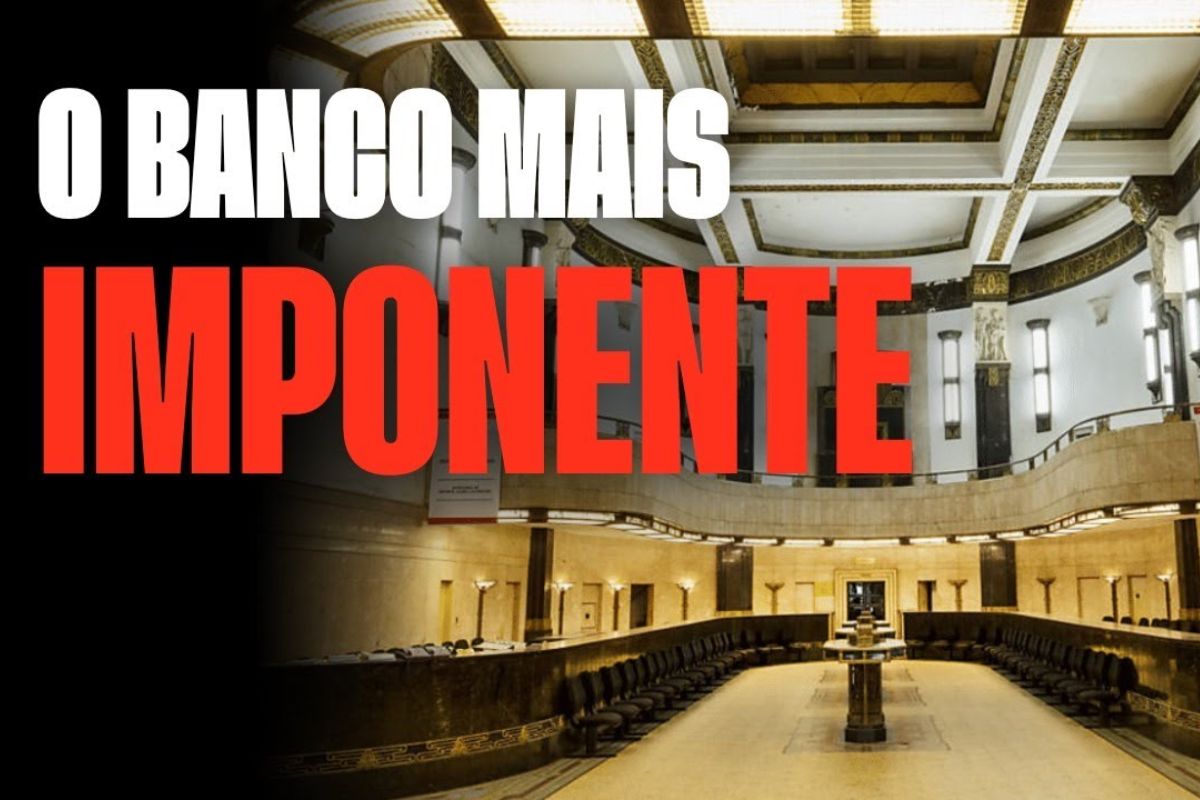
Report Shows How The Most Imposing Bank In São Paulo, An Icon Of Brazilian Art Deco, Remains Closed Like A Forgotten Historical Building In Downtown São Paulo While Real Estate Funds Never Leave The Paper And Governments And The Market Ignore The Chance To Reopen The Building To The Public As A Cultural Space In The City
90 Years Ago, Construction Began On The Building That Hosted The Most Imposing Bank In São Paulo, Considered By Experts As The Largest Representative Of Brazilian Art Deco And The Only One Listed In International Catalogs Among The Most Important Works Of This Style. Even So, The Chicest Building In Downtown Remains Almost Anonymous To Most São Paulo Residents, Who Pass By On The Sidewalk Without Suspecting The Scale And Quality Of The Architecture Hidden Behind The Silent Facade.
Since Then, Time Has Functioned More As An Enemy Than An Ally. In 2006, A Final Attempt To Use The Grand Hall Resulted In The Installation Of A Telecenter With Generic Furniture, Still Out Of Tune With The Original Design. Between 2014 And 2018, State Governments Tried To Include The Property In A Real Estate Fund With 264 Public Buildings In The Center, A Project That Never Left The Paper. Netflix Even Planned To Set Up The Casa De Papel Experience Inside, But The Pandemic Interrupted The Initiative And, After Brief Guided Tours Organized By Ivone Fadu For Just Two Years, The Building Returned To A Scene Of Closed Doors.
The Most Imposing Bank In São Paulo That No One Enters

In Practice, The Most Imposing Bank In São Paulo Functions Today Like An Empty Vault: The Safe Is The Architecture Itself, Locked Away.
-
Unemployment rises again to 5.8% at the beginning of 2026, raising alarms about the end of temporary positions and its impact on the Brazilian job market.

-
Document organization can cut invisible costs in small businesses, a simple step that prevents waste, rework, and losses in daily operations.

-
Chinese giant worth nearly R$ 4 billion that manufactures cables for electric cars, solar energy, and robotics wants to open a factory in SC.

-
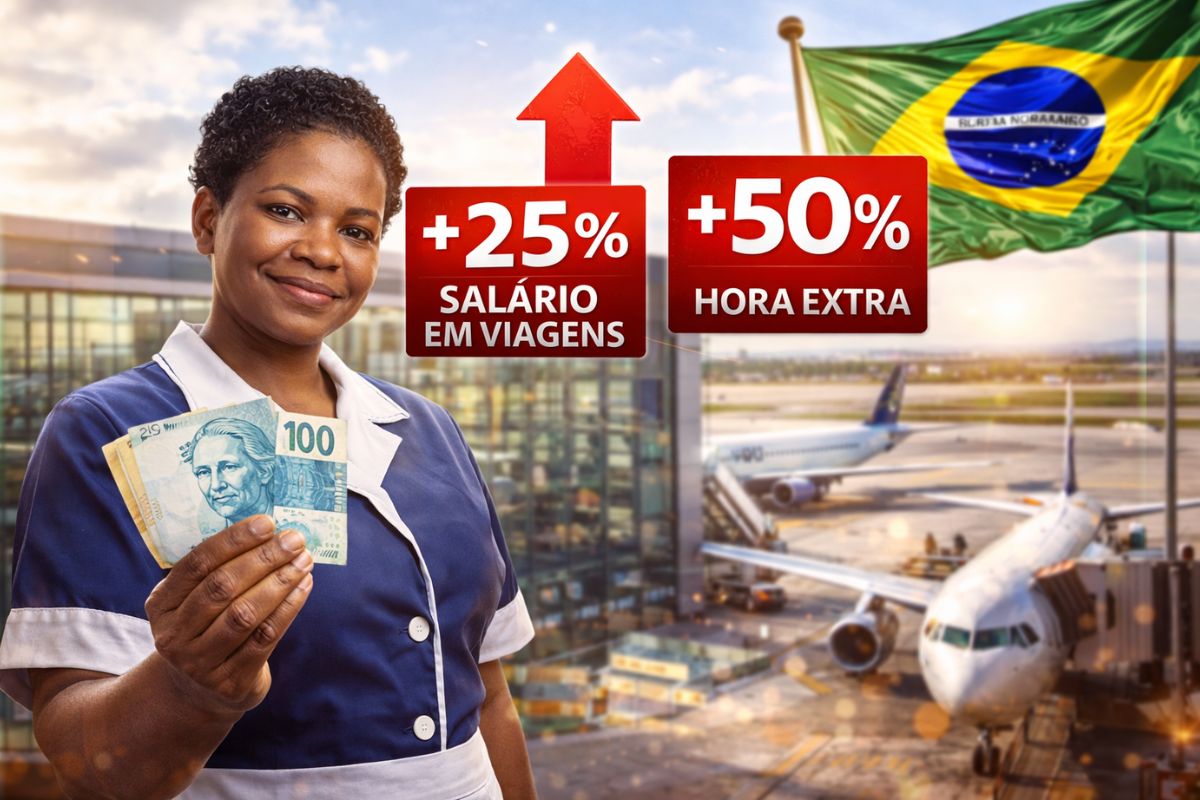
Many employers do not know, but the law guarantees domestic workers a 25% increase in salary during trips, 50% for overtime, 20% for night shifts, and 17 additional benefits that can lead to labor lawsuits if not paid.

For Decades, The Main Hall Received Check Tables, Cash Registers, And Customer Service.
Today, What Dominates The Space Are The Furniture From The Makeshift Telecenter Of 2006, Which Never Communicated With The Original Design And Remain As A Scar Of A Provisional Occupation That Became Permanent.
The Image Is One Of Brutal Contrast.
While The Financial Center Of São Paulo Reinvents Itself With Glass Towers, Headquarters Of Digital Banks, And Investment Offices, The Historical Building Remains Underutilized, Without Regular Programming, Without Visitor Flow, And Without A Structured Rehabilitation Plan.
The Result Is A Nationally Significant Heritage Treated As Just Another Annex, Left To Dust And Misinformation.
The Supreme Gem Of Brazilian Art Deco, Invisible To Its Own Country
From The Perspective Of Architectural History, The Building Occupies A Rare Place.
It Is Identified As The Largest Representative Of Art Deco In Brazil And The Only Brazilian Example Appearing In International Catalogs Among The Most Significant Works Of The Style That Dominated Projects In Major Cities Between The 1920s And 1930s.
This Means That In Any Other Capital, A Building With This Status Would Be Treated As A Showpiece For Architectural Tourism, With Frequent Visits, Active Curatorship, Exhibitions, Collections, And Educational Programming.
In São Paulo, However, What We See Is The Opposite: To This Day, There Is No Established Tour Circuit, The Promotion Is Minimal, And Many Residents Are Unaware That The Old Salon Of A Monumental Bank Once Functioned There.
For Two Years, Guided Tours Organized By Architect Ivone Fadu Showed That There Was Repressed Demand.
Groups Filled The Few Slots Offered, Indicating That There Is An Audience Interested In Understanding How The Most Imposing Bank In São Paulo Works From The Inside. After These Tours Ended, The Building Returned To Silence.
Frustrated Attempts At Reoccupation And The Shelved Real Estate Fund

The Recent History Of Attempts At Reuse Reveals A Decision Problem, Not A Potential One.
In 2006, The Creation Of The Telecenter Sought To Give Social Function To The Hall, But Without Any Care For Integration With The Original Project.
The Standard Furniture, Disconnected From The Scale And Language Of The Space, Ended Up Reinforcing The Sense Of Improvisation.
Between 2014 And 2018, The State Government Discussed A Real Estate Fund With 264 Public Buildings Concentrated Mainly In The Center.
The Idea Was To Sell Shares To Private Investors, Raise Funds For Restoration, And Ensure New Uses.
The Building Symbolizing The Old Bank Was Part Of This Package, But Neither The Fund Was Formalized Nor The Restoration Plan Advanced.
The Discussions Were Confined To Documents And Interviews Without Resulting In Works Or Openings To The Public.
In The Field Of Pop Culture, Netflix Tried To Capitalize On The Scenery To Set Up The Casa De Papel Experience, An Immersive Experience Inspired By The Bank Heist Series.
The Project Was Announced But The Pandemic Interrupted The Setup, And After This Frustrated Attempt, No Other Significant Initiative Occupied The Space.
A Building-Lecture On Architectural Responsibility
The Current Condition Of The Building Highlights A Contradiction.
The Most Imposing Bank In São Paulo Could Be A Pedagogical Example Of How The Financial Sector And The Public Power Treat Architecture, But Ends Up Serving As An Example Of The Opposite: Neglect, Improvisation, And Lack Of Priority.
Experts’ Discourse Indicates That The Building Has An Educational Role For Bankers, Large Companies, And Governments.
The Lesson Would Be Simple And Powerful: Good Architecture Should Not Be Restricted To Weekend Houses, Isolated Headquarters, Or Million-Dollar Works Of Art In Closed Spaces, But Spread Throughout The City, Open To Citizens, With Guaranteed Physical And Visual Access.
However, Practical Decisions Are Moving In The Opposite Direction.
While New Corporate Ventures Allocate Resources To Standardized Projects, The Art Deco Gem Remains Stalled By Bureaucratic Indefinitions, Budget Disputes, And The Absence Of A Management Model That Combines Culture, Economic Use, And Preservation.
How Much Is It Worth To Rebirth As An Icon Of The Historical Center
The Question That Traverses Any Analysis Is Objective: How Much Is It Worth To Reopen A Building Of This Scale To The City. The Answer Is Not Just Financial.
A Well-Designed Project Could Combine Cultural Use, Workspaces, Events, Exhibitions, Educational Tours, And, Eventually, Some Commercial Occupancy Compatible With Preservation.
From An Urban Perspective, Activating The Most Imposing Bank In São Paulo As A Visitor Hub Would Help Rebalance Flows In The Historical Center, Better Distributing The Circulation That Currently Concentrates On A Few Established Icons.
For The Market, It Would Be An Opportunity To Associate Brands With A Symbol Of Architectural Quality. For The Public Sector, A Chance To Show That It Can Transform Heritage Into Concrete Urban Policy, Not Just Listing Tombings.
The Absence Of A Project, On The Other Hand, Has A Silent Cost.
Each Year Of Closed Doors Brings The Building Closer To The Risk Of Becoming Only A Memory And A Missed Opportunity, And Distances An Entire Generation From Any Direct Relationship With The Place.
What Is Missing To Take The Building Out Of Limbo
The Diagnosis Is Known: There Is A Lack Of Decision. There Is Heritage, A Strategic Location, A Strong Narrative, And Sufficient History To Build A Solid Reopening Plan.
What Is Lacking Is A Clear Model Choice: Museum, Cultural Center, Innovation Space, Institutional Headquarters With Mandatory Visits, Or A Combination Of Uses.
Any Of These Paths Would Require Three Basic Ingredients. First, Consistent Resources For Restoration, In A Step Compatible With The Complexity Of The Original Art Deco.
Second, Governance That Brings Together Public Power, Civil Society, And, If It Makes Sense, Private Partners. Third, A Long-Term Commitment To Cultural And Educational Programming, To Avoid The Building Being Reopened Only As An Empty Setting.
Ultimately, The Current Situation Functions As A Test Of Urban Maturity.
A City That Coexists With The Most Imposing Bank In São Paulo Closed And Forgotten In Downtown Reveals Much About Its Priorities Regarding Memory, Spatial Quality, And The Visual Education Of Those Who Live And Work There.
In The Face Of A Building That Combines Historical, Architectural, And Symbolic Value But Remains Empty And Underutilized, In Your Opinion, What Should Be The Fate Of The Most Imposing Bank In São Paulo In The Coming Years: To Become A Museum Open To The City, A Center For Culture And Business, Or To Remain Invisible In The Heart Of The Historical Center?










-

-

4 pessoas reagiram a isso.