





 English
  Francês
  Alemão
  Italiano
  Japonês
  Norueguês
  Portuguese
  Spanish
  4 min of reading
  0 comments


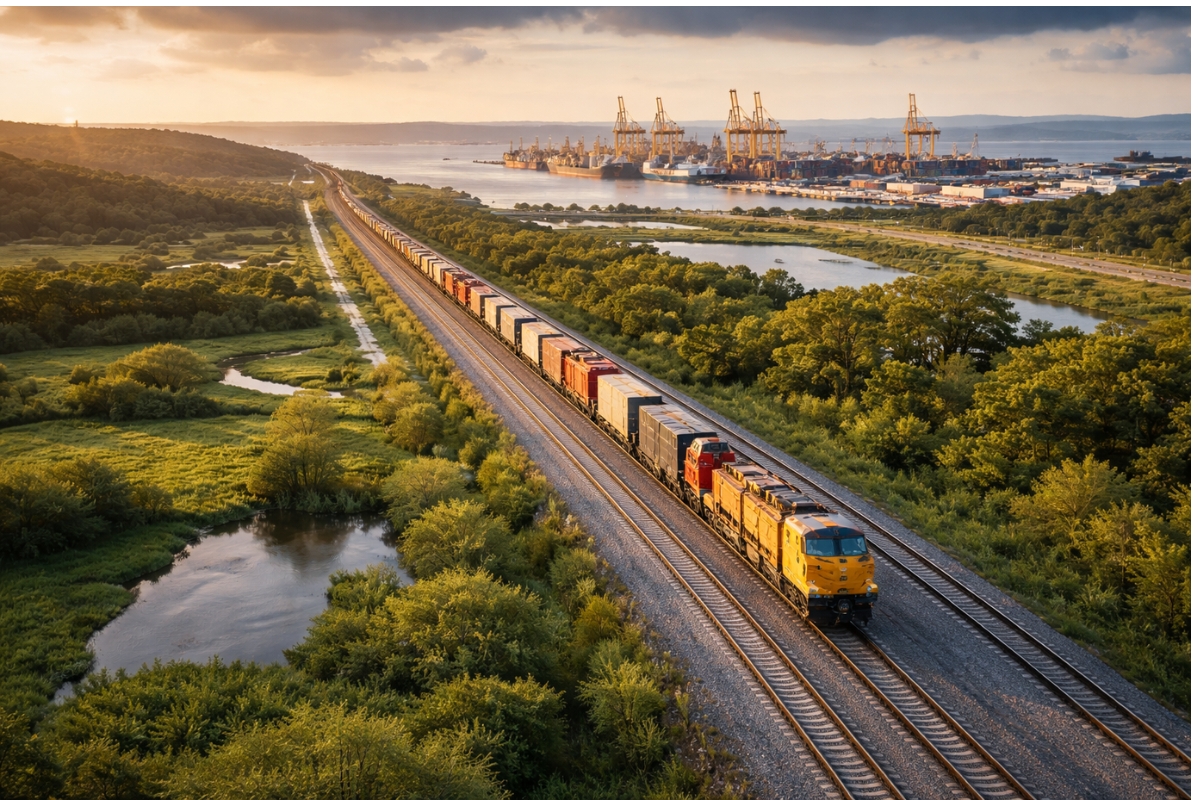
Railways Become ANTT’s Bet to Reduce Overall Logistics Costs in Brazil in the Coming Years, and New Auctions Will Be Announced
After a five-year interval without the celebration of new contracts in the railway sector, the federal government is preparing to resume railway concession auctions in the country later this semester. The first planned initiative is the concession of EF-118 (Railroad 118), a project that will connect the Port of Vitória in Espírito Santo to the Port of Açu in northern Rio de Janeiro.
The resumption is part of the new National Policy on Railway Concessions, which seeks to rebalance the Brazilian transportation matrix and reduce high logistics costs impacting the economy.
In an interview with EsferaCast this Wednesday, February 4th, the General Director of ANTT (National Land Transport Agency), Guilherme Sampaio, highlighted that Brazil still relies excessively on road transport. According to him, about 65% of cargo in the country is transported by highways, while only 15% use the railway modal.
-
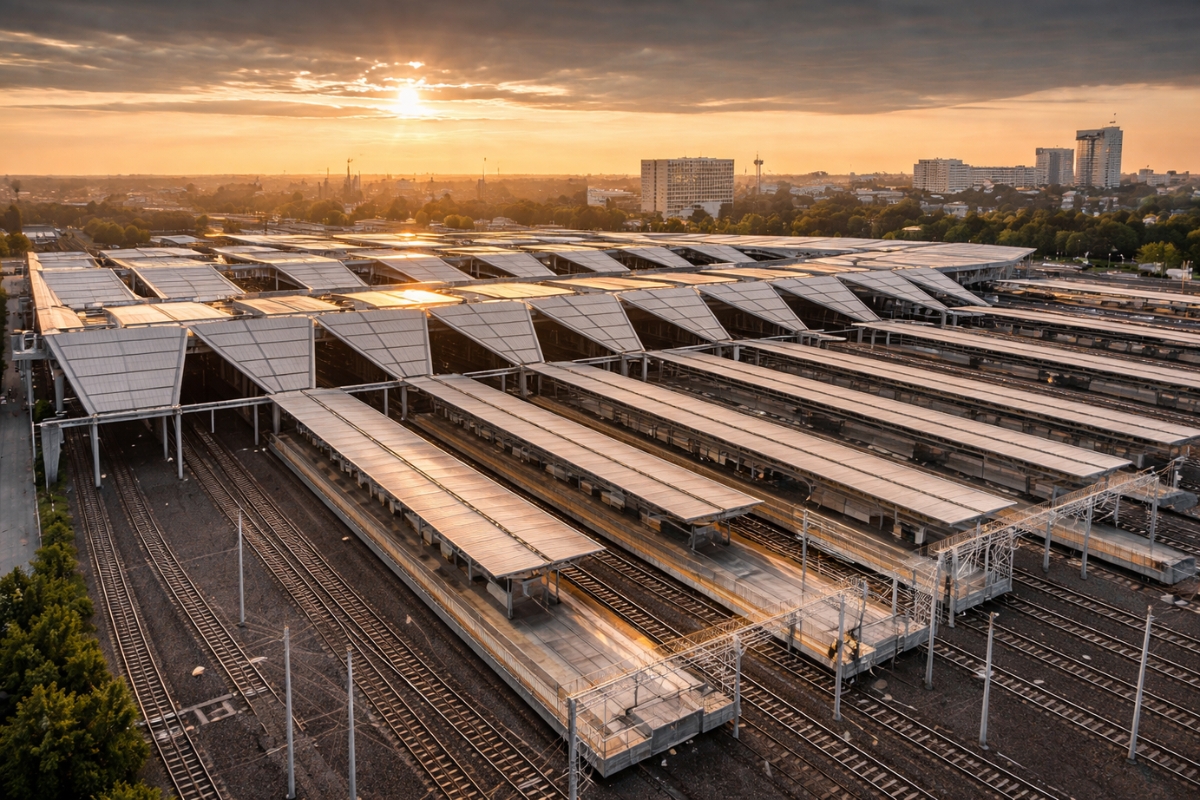
In A European City, The Country’s Largest Railway Junction Was Modernized Without Closing Its Doors, Kept Trains Running During Years Of Construction, Now Serves Up To 60,000 Passengers Per Day, And Installed Solar Panels That Generate About 30% Of Its Energy
-
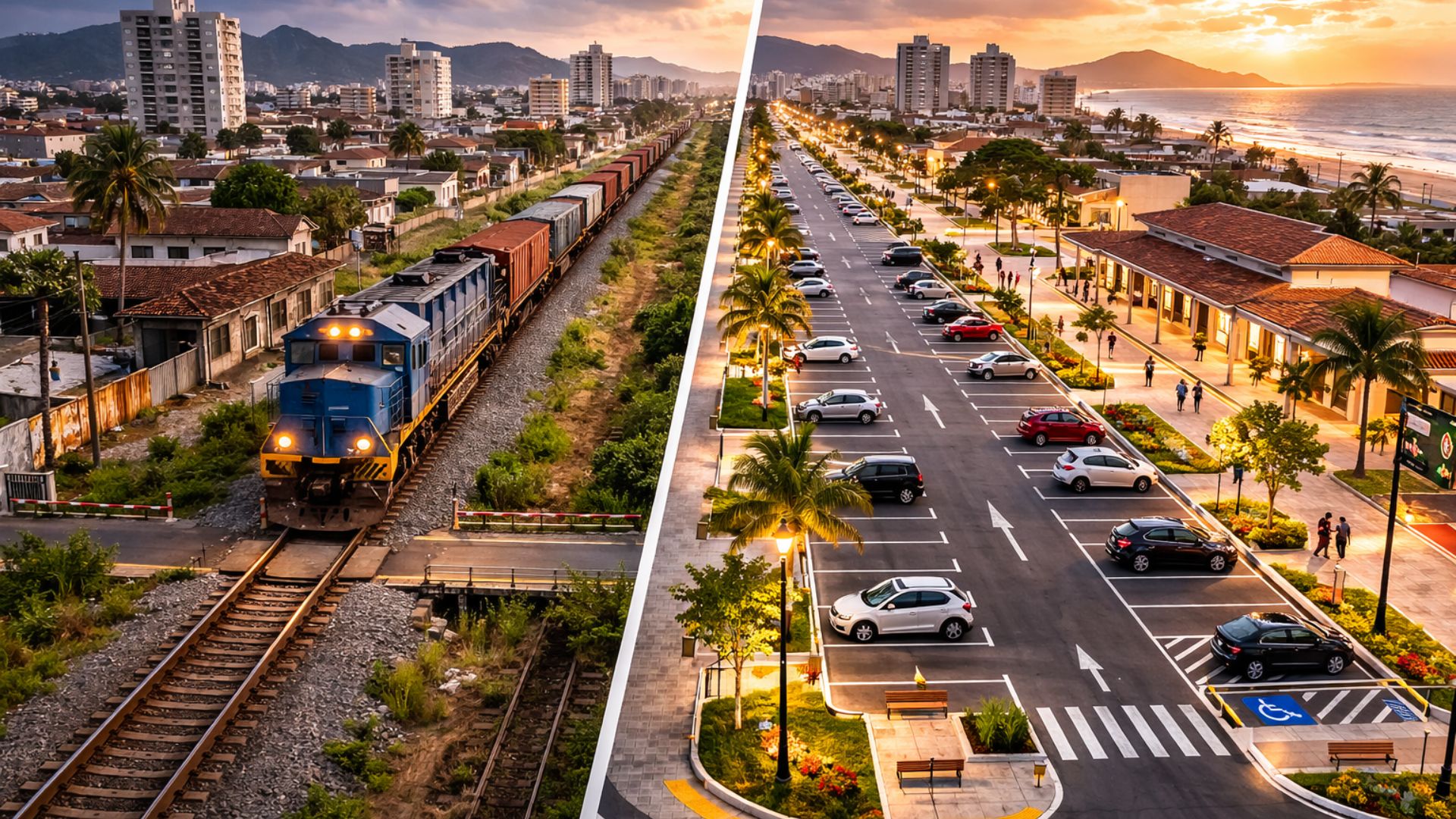
Famous Brazilian Railway May Become a Parking Lot
-
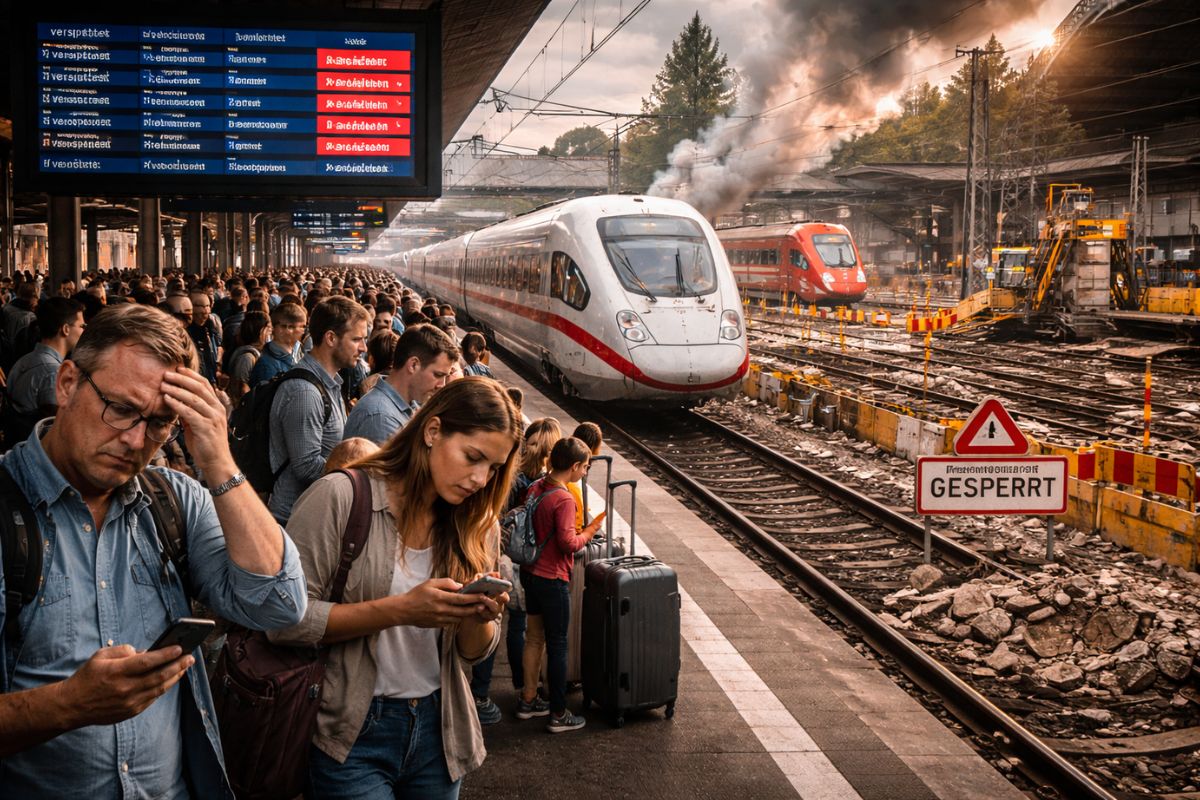
The Country of “Punctual As a Train” Admits It Has Lost Control: High-Speed Trains Delay, Stop, Disappear from the Map and Turn 6-Hour Trips into 10, While Deutsche Bahn Promises Restructuring in 2026 But Faces 19th Century Infrastructure, Staff Shortages and Sections Closed for Months
-
With an Investment of R$ 700 Million in One of the Country’s Main Rail Networks, VLI Reinforces Infrastructure, Receives 8 New Locomotives, and Expands the Corridor Connecting 7 States, Boosting Jobs and the Transportation of Grains, Ore, and Oil Products to the Port of Santos

This imbalance, Sampaio assesses, directly contributes to what is known as the “Brazil cost,” increasing the cost of transporting goods and reducing the competitiveness of national exports in the international market.
“The current model has a clear imbalance from the logistical cost perspective. This undermines the country’s competitiveness, especially in exports, compared to other economies that make more intensive use of railways,” the director stated.
For him, the new railway policy represents an important structural change, creating a more predictable environment for investors and unblocking projects that have been stalled for years.
Resumption of Railway Concessions in the First Semester
Now, the government’s expectation is that the concession agenda will be resumed already in the first semester, with a portfolio of projects considered robust. In addition to EF-118, Sampaio cited Ferrogrão as another strategic venture. The railway is seen as essential for transporting agricultural production from the Midwest, connecting the producing region to ports in the North and Southeast, reducing distances, costs, and logistical bottlenecks.
According to ANTT’s General Director, expanding the railway network brings benefits that go beyond the economic aspect. One of the main positive impacts is in the environmental area. “A single locomotive with multiple wagons can remove, on average, 300 trucks from the highways,” he explained. The partial substitution of road transport by rail transport reduces emissions of pollutant gases, fossil fuel consumption, and wear on road infrastructure.
Another point highlighted by Sampaio is the importance of integration between different transportation modes. For him, logistical efficiency depends on the connection between highways, railways, and ports, forming a more fluid and competitive system. “When you integrate the modes, the system functions better as a whole. The gain is not only for the investor but for the entire production chain,” he asserted.
Then, the president of ANTT also emphasized the role of concessions in improving road safety. According to data he cited, highways granted to the private sector show an average reduction of 40% in the number of accidents and 24% in the severity of incidents. “The public power wins, the investor wins, and the user wins, who now has more safety and better infrastructure,” he said.
Director Points Out New Challenges Ahead
Despite the optimism surrounding the resumption of projects, Sampaio acknowledged that there are still significant challenges to be faced. One of the main ones, according to him, is strengthening the institutional capacity of regulatory agencies, especially regarding budgetary autonomy. “We have governance maturity, but we still face the challenge of financial autonomy,” he pointed out.
For the General Director, ensuring adequate resources for the agencies is fundamental to increasing the efficiency of oversight and management of concession contracts. “Only then can we deliver more oversight, better monitoring of road and railway contracts, and, in general, make users perceive in practice what is happening,” he concluded.
The resumption of railway concessions is seen by the government as a decisive step to modernize the country’s transport infrastructure, reduce logistics costs, and enhance the competitiveness of the Brazilian economy in the coming years.










Seja o primeiro a reagir!