





 Portuguese
  English
  Spanish
  3 min of reading
  1 comment


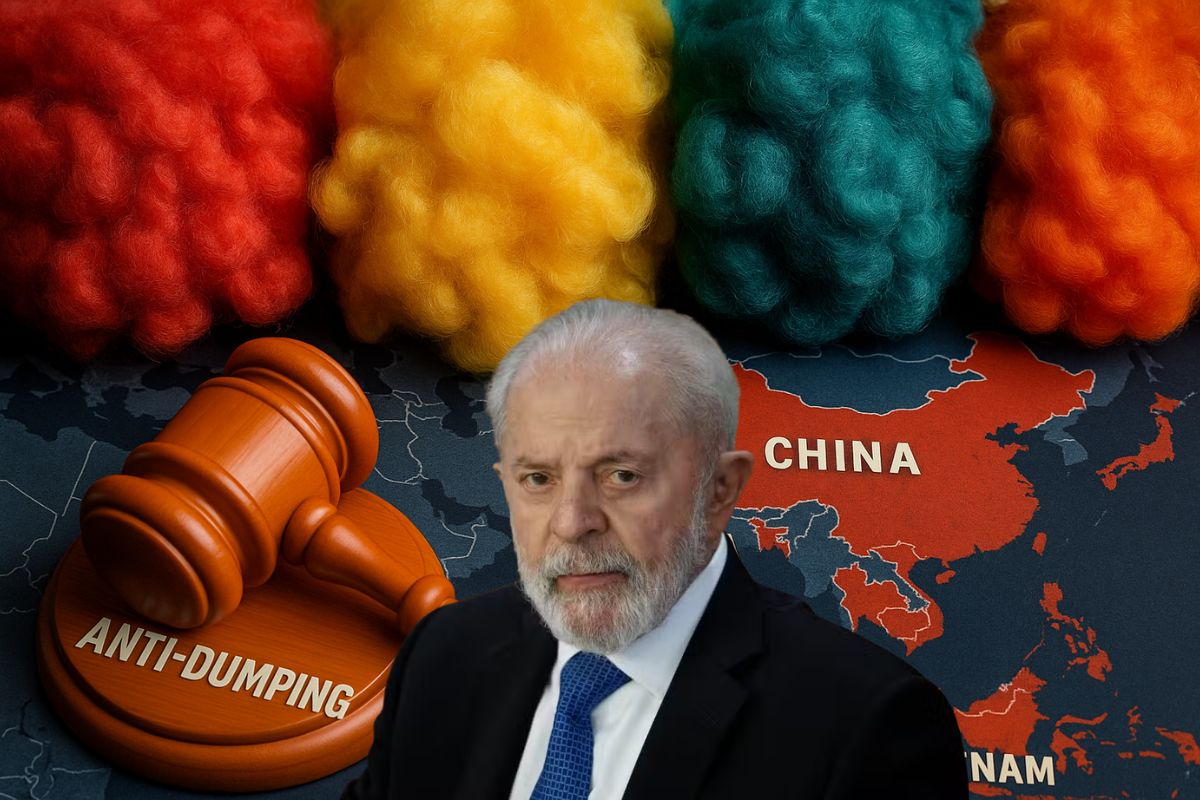

Gecex Imposes Definitive Antidumping Duty for 5 Years on Synthetic Polyester Fiber; Surcharge in US$/t for China, India, Thailand, and Vietnam Following Investigation Initiated on 03/21/2024
The Brazilian government imposed a definitive antidumping duty valid for up to five years on imports of synthetic polyester fiber originating from China, India, Thailand, and Vietnam. The measure was published in the Official Gazette of the Union (DOU) on September 1, 2025 and follows a resolution from the Executive Management Committee of the Foreign Trade Chamber (Gecex/Camex), after an investigation initiated in March 2024.
According to the Valor Econômico portal, the decision means that products from these four countries will have to pay a surcharge in dollars per ton (US$/t), a mechanism permitted by international trade rules when there is evidence of dumping in selling abroad at prices lower than in the country of origin, harming the local industry.
What Antidumping Duty Means
Antidumping duty is a trade defense tool used to correct market distortions. According to Gecex, the investigation confirmed that polyester fibers were arriving in Brazil at prices lower than those in the producing countries, causing unfair competition with the national industry.
-
Larger than entire cities in Brazil: BYD is building a 4.6 km² complex in Bahia with a capacity for 600,000 vehicles per year, but the discovery of 163 workers in conditions analogous to slavery has shaken the entire project.

-
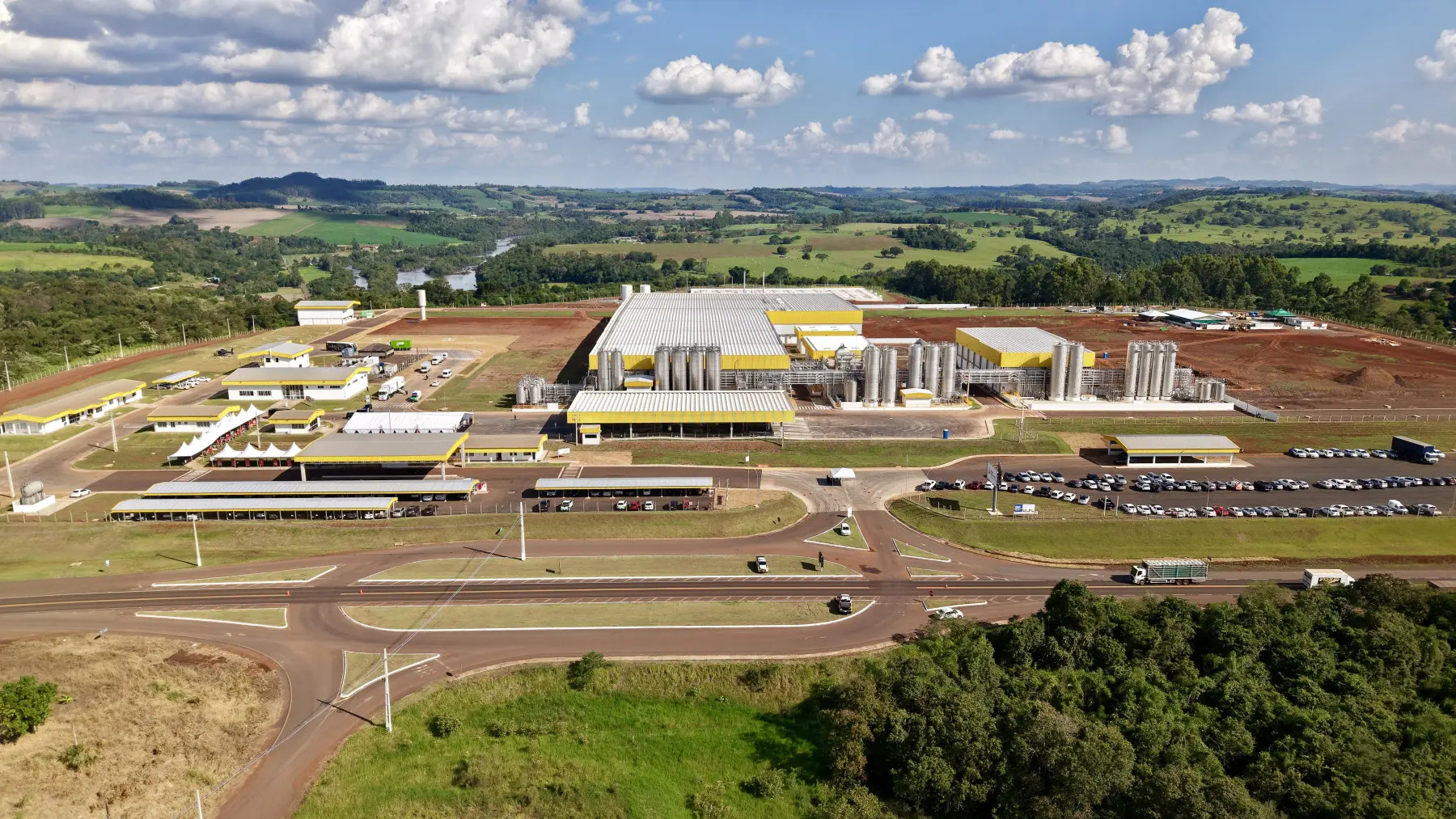
With an investment of R$ 612 million, a capacity to process 1.2 million liters of milk per day, Piracanjuba inaugurates a mega cheese factory that increases national production, reduces dependence on imports, and repositions Brazil on the global dairy map.
-
Brazilian city gains industrial hub for 85 companies that is equivalent to 55 football fields.

-
Peugeot and Citroën factory in Argentina cuts production by half and opens a layoff program for more than 2,000 employees after Brazil drastically reduced purchases of Argentine vehicles.


The application of the measure for up to five years aims to restore balanced competition conditions. Instead of a percentage on the price, Brazil opted to apply a fixed tariff in dollars per ton imported, ensuring predictability in the calculation of the surcharge.
How the Decision Affects the Textile Sector
Synthetic polyester fiber is an essential input for the textile and clothing industry, used in the production of fabrics, sportswear, upholstery, and other products. Brazil partially depends on imports to meet demand, but local producers have been claiming a loss of competitiveness due to the lower prices charged by Asian exporters.
With the application of the antidumping measure, a reduction in pressure on domestic manufacturers is expected, although final costs for clothing manufacturers and consumers may rise in some segments. The balance between protecting the industry and avoiding price increases will be one of the main points of debate in the coming months.
The Global Dispute for the Polyester Market
The Brazilian measure aligns with similar movements in other countries. Both the United States and the European Union have already imposed barriers on polyester imported from Asia, citing dumping and oversupply in the international market. The dispute has intensified in recent years with the increase in Chinese production and the diversification of exports from India, Vietnam, and Thailand.
In Brazil, antidumping can stimulate internal investments in the textile sector, but it also challenges importers who relied on the cheaper input to maintain reduced costs. The impact on inflation, however, is expected to be limited, as polyester fiber is just one of several raw materials used by the sector.
The fact that Brazil has imposed antidumping duties on polyester from four major exporters shows how trade defense policy is being used to protect strategic sectors. The measure creates breathing room for the national industry but opens up space for discussions about competitiveness, consumer prices, and the country’s integration into global supply chains.
And you, do you believe this decision will truly strengthen the Brazilian textile industry or will it just increase the final cost for the consumer? Share your opinion in the comments—we want to hear from those who experience this firsthand.








Tudo deve ser dosado e ajustado, conforme o cenário vai se abrindo e desvendando os desafios de cada dia. O importante é tentar o máximo manter o equilíbrio da balança comercial.