





 Portuguese
  English
  Spanish
  3 min of reading
  42 comments


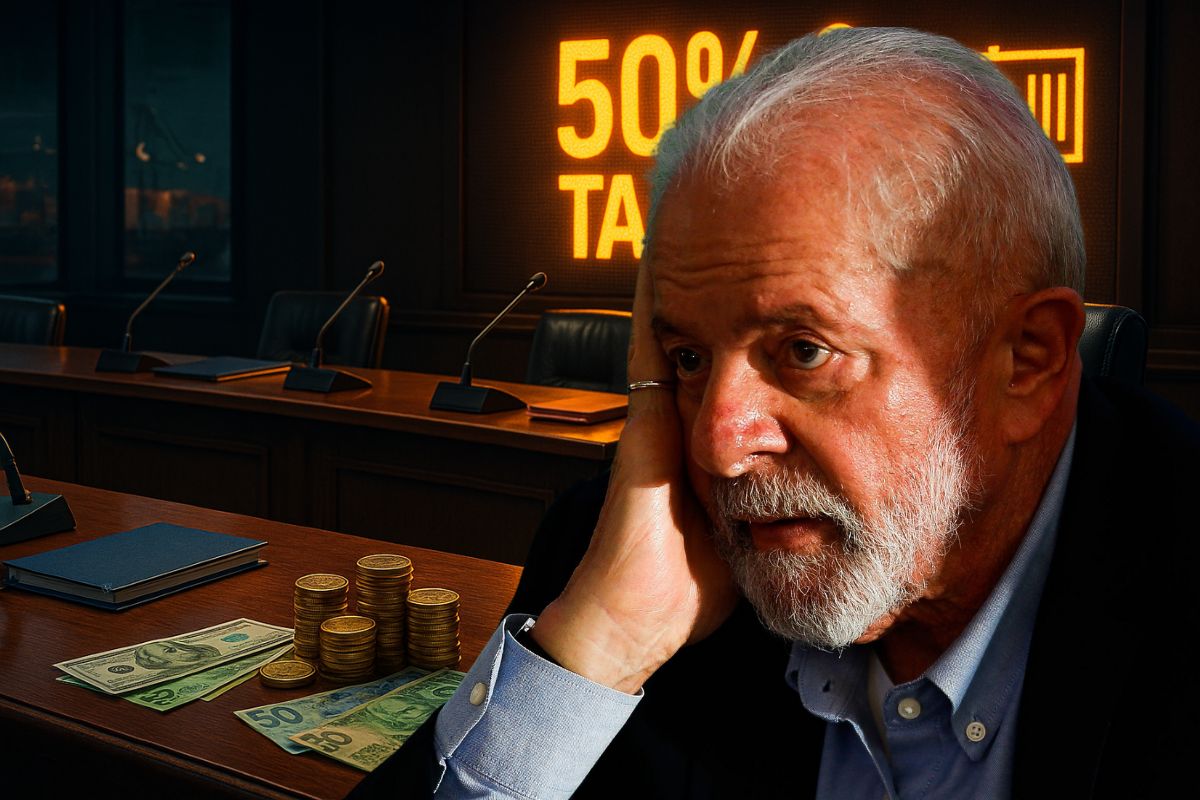


Without An Official Representative At The Hearing In The USA, Brazil Sees Real Risk Of Tariffs Of Up To 50% On Exports; Experts Warn Of Immediate Losses In Strategic Sectors.
The lawyer Davi Aragão, in an interview with Revista Oeste (09/09/2025), warned that Brazil may face tariffs of 50% imposed by the United States after the Section 301 hearing held on September 3. Without Technical Defense From The Brazilian Government, the American investigation is likely to advance, impacting strategic products and weakening sectors already suffering from surcharges of 40%.
According to Aragão, the official absence in Washington reveals a fragile stance: Brazil Presented Political Responses, But Without Technical Data And Concrete Proposals, which left the country vulnerable to accusations of trade practices considered “unjust and discriminatory” by the USA.
What’s At Stake In Section 301
The Section 301 is a provision of American trade law that allows the US government to retaliate against countries accused of hindering its exports.
-
Larger than entire cities in Brazil: BYD is building a 4.6 km² complex in Bahia with a capacity for 600,000 vehicles per year, but the discovery of 163 workers in conditions analogous to slavery has shaken the entire project.

-
With an investment of R$ 612 million, a capacity to process 1.2 million liters of milk per day, Piracanjuba inaugurates a mega cheese factory that increases national production, reduces dependence on imports, and repositions Brazil on the global dairy map.

-
Brazilian city gains industrial hub for 85 companies that is equivalent to 55 football fields.

-
Peugeot and Citroën factory in Argentina cuts production by half and opens a layoff program for more than 2,000 employees after Brazil drastically reduced purchases of Argentine vehicles.


In the Brazilian case, the investigation opened in July targets everything from tariff barriers and piracy to environmental issues.
Aragão cites as an example the timber sector in Paraná, which engages in reforestation but already suffers from an additional tariff of 40%.
According to him, American importers are replacing Brazilian suppliers with competitors from other countries, and regaining that market will be extremely difficult.
The Failures Of The Brazilian Defense
At the hearing on 03/09, no official government representative was present.
Industry leaders from CNI (National Confederation Of Industry) went to Washington before the meeting but were told by State Department officials that “the problem is in Brasília” — in other words, the solution depends on the political and technical articulation of the government itself.
Aragão criticizes the lack of coordination among ministries, diplomacy, and the private sector.
He states that the defense submitted so far is rhetorical, lacking evidence, economic data, or adjustment plans.
Meanwhile, countries like China, which were targeted by Section 301 in previous years, managed to resolve similar cases through legal reforms and detailed technical agreements.
US Accusations Against Brazil
Among the points raised by the USA are:
Intellectual Property: piracy of digital content (“gatonet”), counterfeiting in hubs like Rua 25 de Março, and delays by INPI in analyzing patents (up to 9 years).
Trade Barriers: reintroduction of tariffs on American ethanol in 2017, which, according to American studies, would raise the price by up to R$ 0.46 per liter in Brazil.
Social Media Regulation: criticism of the legality of decisions affecting American companies and citizens, where the Brazilian response was considered vague.
PIX: viewed as a positive point for banking millions, but poorly leveraged in the defense; the USA reminds that companies like Apple Pay, Google Pay, and PayPal also grew in the same environment.
Consequences Of Not Reacting
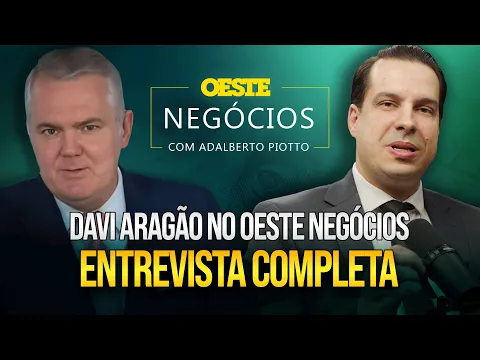

The 50% tariff is the immediate risk, but Aragão warns of broader effects: factory closures, job losses, and investment migration to the USA.
He notes that some sectors are already signaling a redirection of their operations to escape commercial insecurity.
In the lawyer’s assessment, Brazil still has a chance to reverse part of the situation, but needs to act urgently: present verifiable data on environmental compliance, accelerate INPI timelines, combat piracy, and propose concrete market opening measures.
The absence of Brazil at the Section 301 hearing was interpreted as a sign of political disorganization and technical negligence.
If the country does not formulate a coordinated strategy, uniting diplomacy, government, and the private sector, the 50% tariffs are expected to solidify and new penalties may be applied.
Do you believe that Brazil will manage to react in time or are we facing an inevitable loss for our industry and exports? Leave your opinion in the comments — we want to hear from those who experience this impact in practice.










Nada que a RETOMADA da Operação Lava-jato não resolva… Reconduziríamos corruPTos para cumprirem as penas devidas, o Brasil seria outro.
Se fosse sobre roubalheira ou cachaça o Brasil teria inúmeros representantes. Mas estes que estão no governo, kkkk
Não adianta o governo fazer nada, o que o governo Trump quer, é impossível de atender. O que o governo Lula tem de fazer é procurar outros mercados e ignorar esses povo. Não vai ser fácil, porém, temos que encarar a realidade. O Trump quer tratorar nosso país para implantar sua estratégia para consolidar o projeto da extrema direita na América Latina e no mundo. Com o governo Lula não tem acordo que dê certo com o Trump, ele simplesmente não que conversar com o Brasil.
Quem quer tratorar o Brasil não é o Trump, está acontecendo tudo que o atual governo quer, quanto pior melhor, a miséria é mais fácil de controlar!
Melhor a extrema direita do que a mordaça da extrema esquerda