





 Portuguese
  English
  Spanish
  3 min of reading
  0 comments


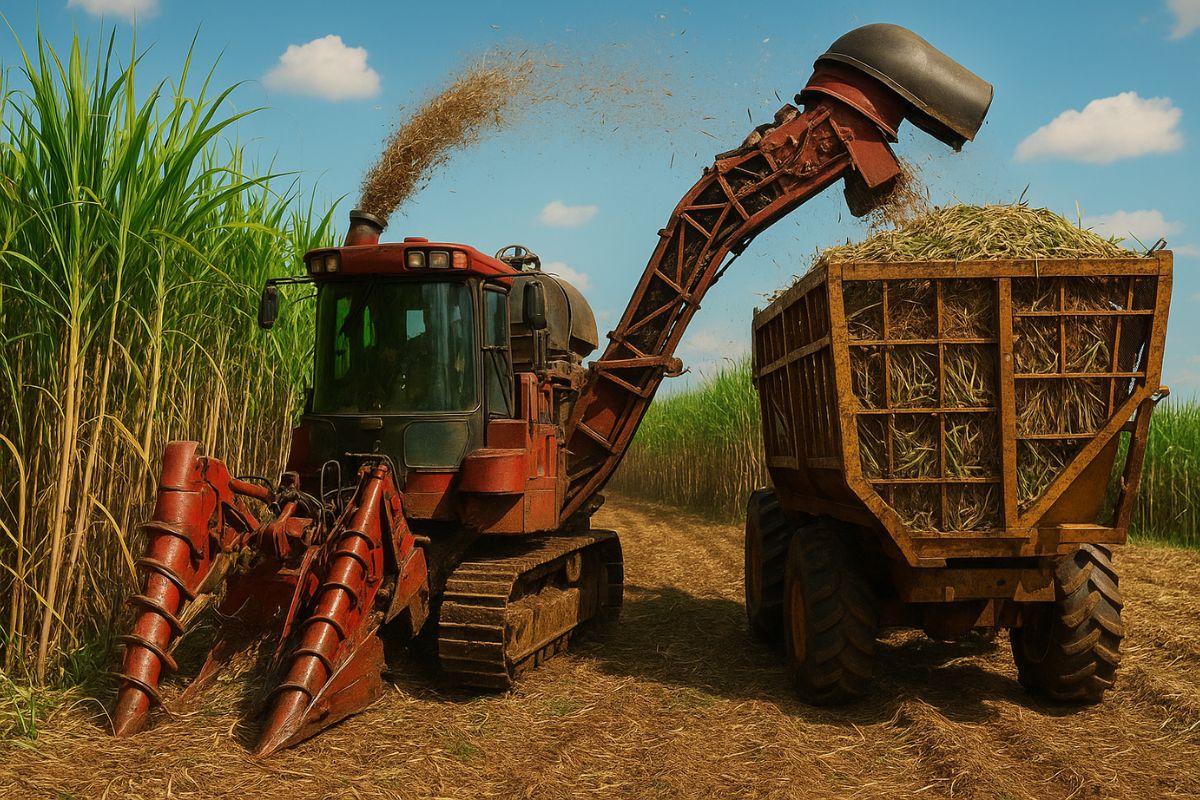
Brazil Produces 724 Million Tons and Dominates 37% of Global Sugarcane; India (22%) and China (5.3%) Complete the Podium.
The global sugarcane production is one of the most concentrated agricultural markets on the planet, and Brazil stands alone at the top of the ranking. According to data presented by economist Ângelo, the country produced 724 million tons in 2025, a volume that represents 37% of the global total. By comparison, India, in second place, accounts for 22%, while China ranks third with 5.3%.
This performance confirms the strategic relevance of the Brazilian sector, not only as a supplier of sugar but also as a key player in the ethanol market and other cane derivatives.
The contrast with India and China shows how Brazil has natural, technological, and scale advantages to maintain its leadership.
-
They said no to 26 million dollars and would do it all over again: mother and daughter from Kentucky reject a million-dollar offer from a mysterious company that wants to build the largest data center in the state on more than 2,000 acres of rural land.

-
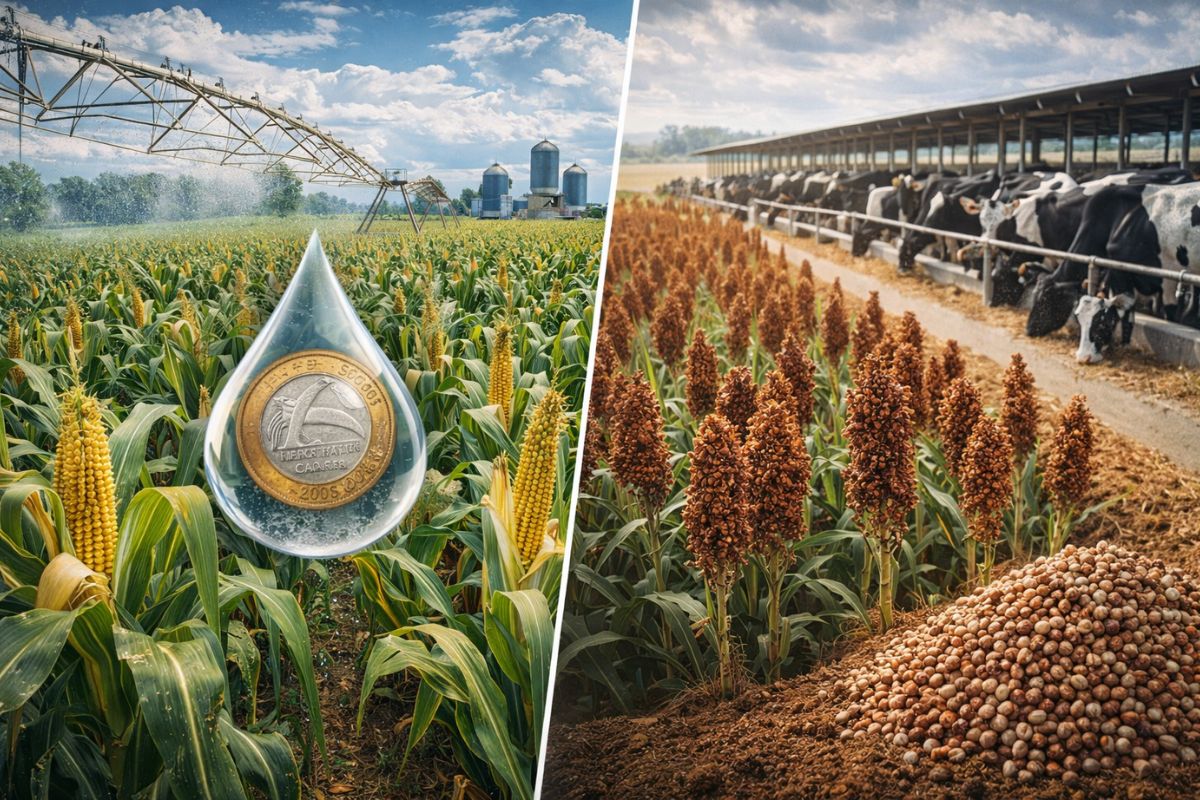
While corn requires rain and is expensive, sorghum produces almost the same volume per hectare at a cost up to 80% lower and uses less water, and it is revolutionizing dairy farming in the Triângulo Mineiro, where producers save hundreds of reais per hectare.
-
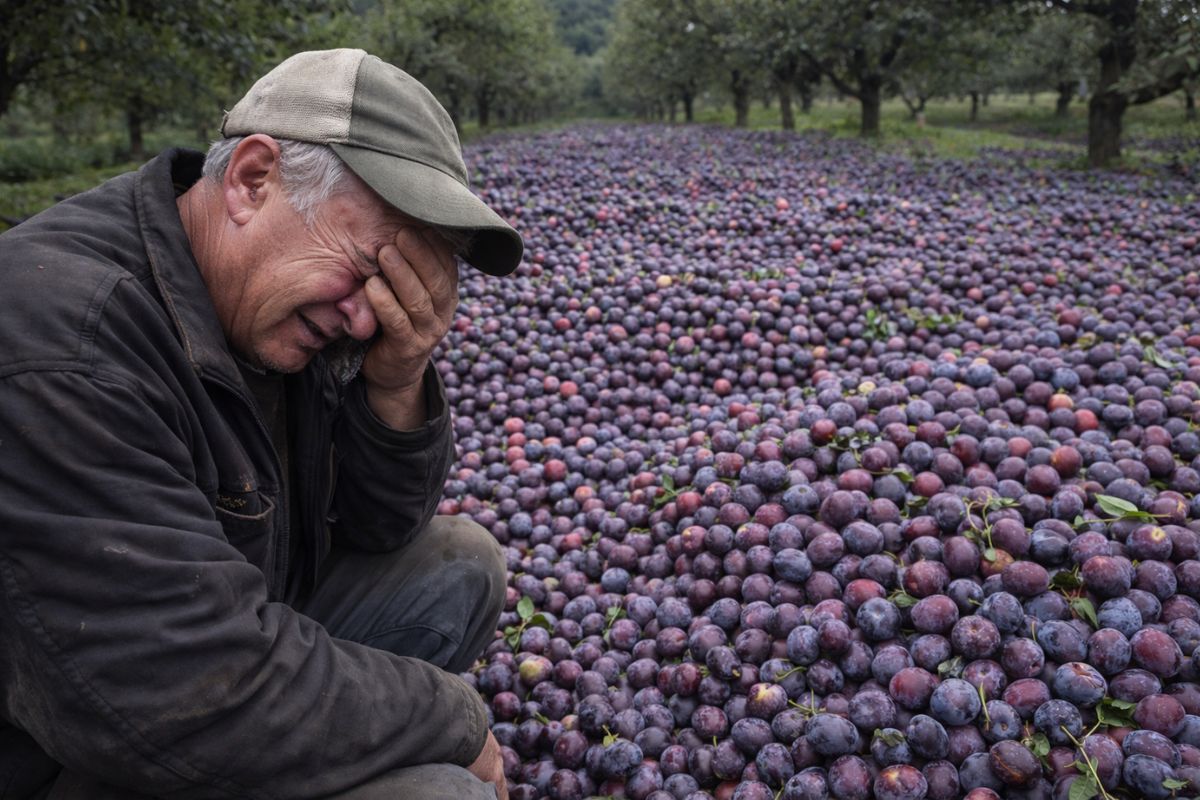
A rural producer from Urubici cries as he shows 50 tons of plums thrown on the ground because no one wanted to buy them, and in desperation, he records a video asking anyone to come to the property to pick the fruits before they rot.
-
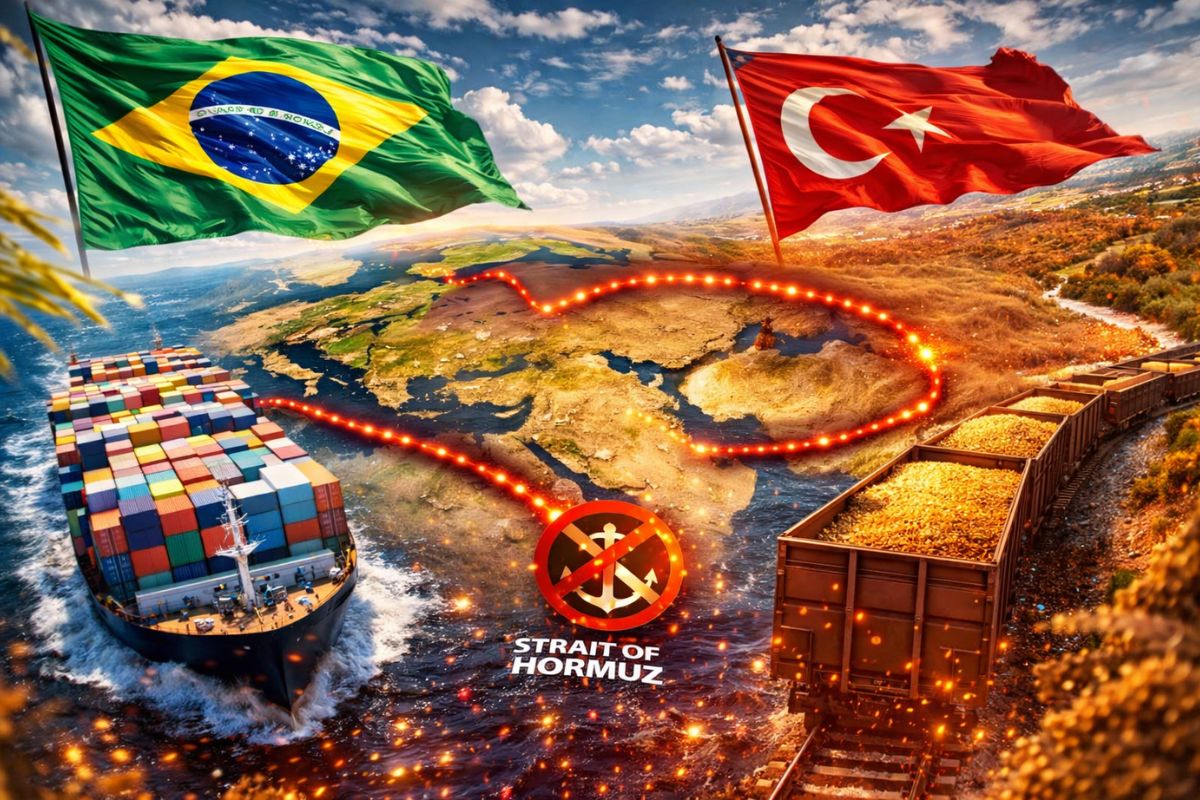
Unable to pass through Hormuz, Brazil activated a plan B that uses Turkey as a gateway to the Middle East: the route through Gibraltar and the Mediterranean is longer and more expensive but ensures that chicken, beef, and corn continue to reach Arab markets.
How Much Each Country Produces in the Global Ranking
According to Ângelo, the list of the largest producers shows that ten countries concentrate almost all global sugarcane production, highlighting the strategic nature of the crop.
Among the highlights:
- Brazil – 724 million tons (37%)
- India – 439 million (22%)
- China – 103 million (5.3%)
- Thailand – 92 million (4.7%)
- Pakistan – 88 million (4.5%)
- Mexico – 55 million (2.8%)
- Colombia – 35 million (1.8%)
- Indonesia – 32 million (1.6%)
- USA – 31 million (1.6%)
- Australia – 28 million (1.4%)
These numbers show that Brazil and India together account for almost 60% of global production, reinforcing the geopolitical importance of both countries in the sector.
Where Brazilian Production is Concentrated
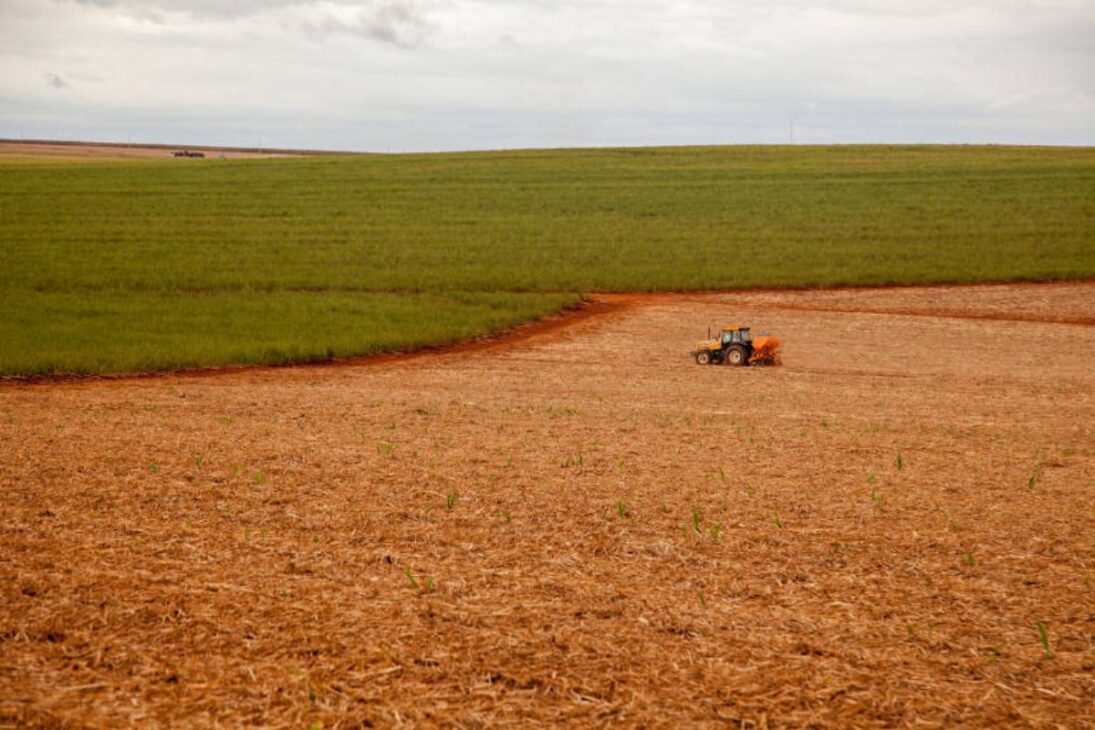
Within Brazil, the state of São Paulo accounts for 59% of national production, with highlights for regions such as Ribeirão Preto, Piracicaba, and Sertãozinho.
Favorable climate, advanced mechanization, and investment in agricultural technology ensure productivity above the global average.
The main destinations for Brazilian exports of sugar and ethanol are China and Arab countries, in addition to the growing demand in the domestic market to supply the flex-fuel vehicle fleet.
Why Brazil Leads Global Sugarcane Production
According to Ângelo, Brazilian leadership is explained by three main factors:
- Privileged natural conditions, such as tropical climate and fertile soil.
- Industrial scale, with modern mills and a high level of mechanization.
- Diversification of use, as cane is used not only for sugar but also for ethanol, electricity (biomass), paper, and even animal feed.
This combination makes Brazil less vulnerable to international price fluctuations and ensures global competitiveness.
Is It Worth Investing in This Sector?
With the growing global demand for biofuels and food, the global sugarcane production sector is expected to continue expanding.
As the largest producer and exporter, Brazil maintains clear comparative advantages but also faces challenges such as environmental issues, logistical costs, and the need for continuous innovation.
Experts argue that integrating sugar and ethanol production with sustainability policies will be the key differentiator to keep the country in a leadership position.
The global sugarcane production has Brazil as its absolute protagonist. With 37% of the global total, the country not only dominates the market but also ensures strategic influence in energy and food.
The competition with India and China is likely to intensify, but Brazil’s advantage remains substantial.
And you, do you believe that Brazil should prioritize more sugar exports or ethanol production for domestic consumption?
Leave your opinion in the comments—your perspective can enrich this strategic debate.









-

Uma pessoa reagiu a isso.