





 Portuguese
  English
  Spanish
  4 min of reading
  0 comments



The BRICS Bloc May Grow, with 34 Countries Interested in Joining. Understand the Impact of This Possible Expansion on the Global Economy
As the leaders of BRICS member countries prepare for the 16th Summit in Kazan, Russia, one question has gained prominence: the growing list of countries interested in joining this economic bloc. The event is set to be an important milestone, with the possible entry of new countries into the bloc.
The BRICS, originally formed by Brazil, Russia, India, and China, with South Africa joining in 2011, underwent a historic expansion on January 1, 2024. This expansion brought new members and strengthened the bloc’s influence.
Reports indicate that dozens of countries have expressed interest in joining BRICS, which will be one of the main topics of the summit in Kazan.
-
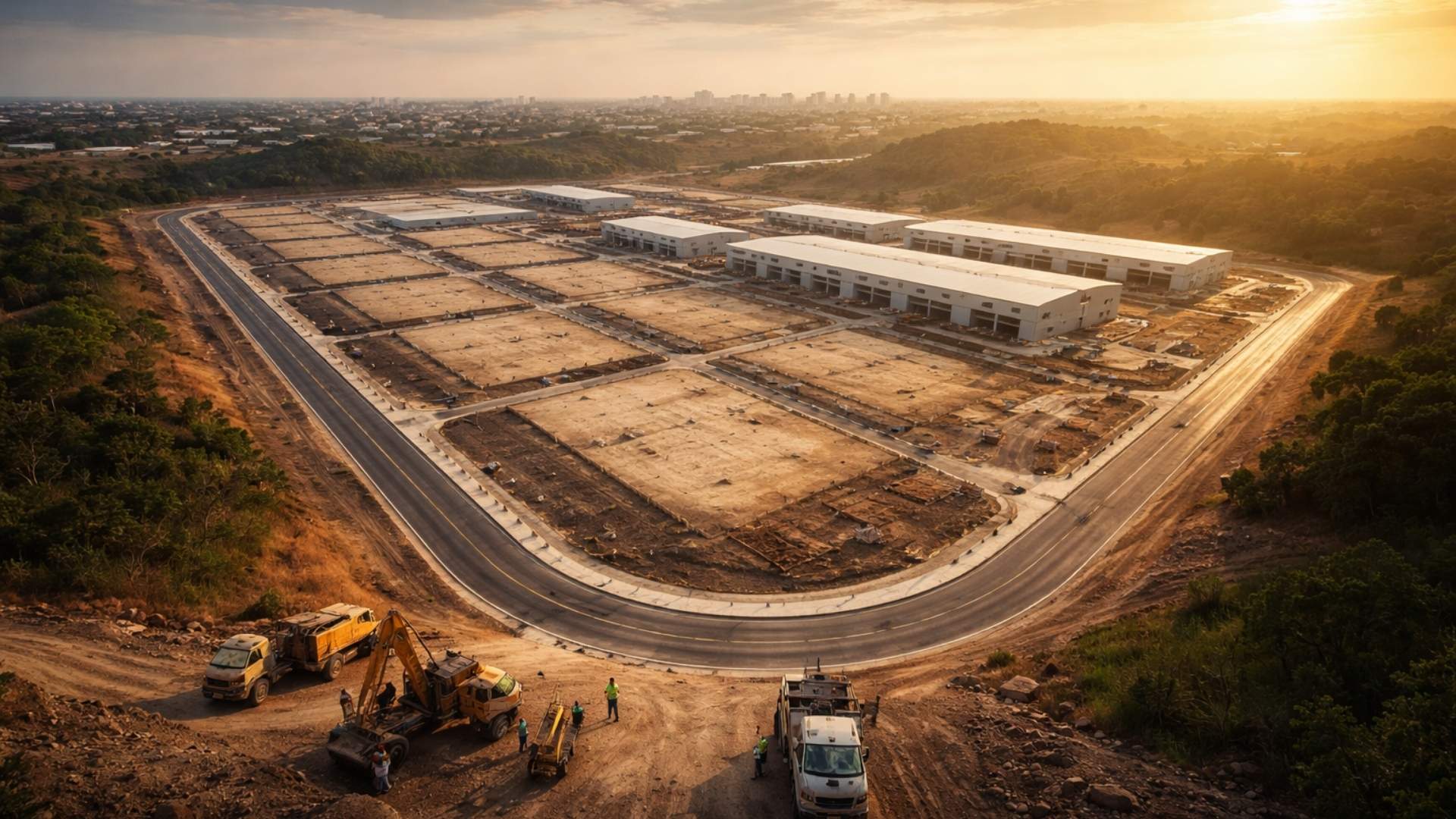
Brazilian city gains industrial hub for 85 companies that is equivalent to 55 football fields.

-
Peugeot and Citroën factory in Argentina cuts production by half and opens a layoff program for more than 2,000 employees after Brazil drastically reduced purchases of Argentine vehicles.

-
A Brazilian city gains a factory worth R$ 300 million with the capacity to process 200 thousand tons of wheat per year, a mill of 660 tons/day, silos for 42 thousand tons, and an industrial area of 276 thousand m².

-
Havan will leave the shopping mall in Blumenau to inaugurate something that the chain has never done before: a megastore in half-timbered style in the Historic Center of the city, which is expected to be completed in May and change the landscape of local retail.


Many experts view BRICS as a way for China, followed by Russia, to influence various issues around the world. In this case, Brazil may be losing its prominence, becoming a less significant player in the economic bloc.
The Waiting List for BRICS

During a recent meeting of the group, Russian President Vladimir Putin announced that at least 34 countries have expressed interest in joining BRICS.
Among them is Sri Lanka, which stood out with the country’s Foreign Minister, Vijitha Herath, stating that he would submit his official application during the summit.
According to Chinese media, this growing interest in BRICS reveals the group’s appeal to countries seeking to diversify their economic and political relations. The expansion of the bloc reflects the opportunities it offers, especially for developing nations.
Brazil’s Veto on Venezuela
The BRICS Summit responded to Brazil’s request and decided to exclude Venezuela from the list of potential new partners in the bloc. From Latin America, only Cuba and Bolivia were included.
In addition to these countries, the list includes Belarus, Indonesia, Kazakhstan, Malaysia, Nigeria, Thailand, Turkey, Uganda, Uzbekistan, and Vietnam.
The next step will be to analyze which of these countries can actually integrate the group. If all are approved, Russia, as the host of the summit, will contact the selected nations to confirm their interest in joining the new membership category.
The Economic Strength of BRICS
According to China Central Television (CCTV), the expanded BRICS now represents 35.6% of global GDP, surpassing the G7 in terms of purchasing power parity (PPP).
Moreover, the bloc is responsible for over one-third of the Earth’s land mass, 45% of the global population, over 40% of global oil production, and about a quarter of global goods exports.
The economic impact of BRICS is undeniable. The group offers a vast market, rich natural and energy resources, as well as investment opportunities. As Wang Youming, director of the Institute of Developing Countries at the Chinese Institute of International Studies, states, “the large population of BRICS represents an immense market and great economic opportunities.”
For countries like Nigeria, BRICS offers several advantages. Professor and director of the China-Africa Contemporary Research Center in Nigeria, Sherif Ghali Ibrahim, highlights that joining BRICS would benefit Nigeria with greater monetary stability and closer ties with emerging global economies. “We believe BRICS is the future,” Ibrahim stated.
An Inclusive Platform?
For the Chinese government, unlike Western-led blocs, which often prioritize the interests of advanced economies, BRICS places development and investment opportunities for its members at the forefront.
“BRICS emphasizes economic cooperation among its members, focusing on development, trade, and investment,” explained Tharakorn Wusatirakul, president of the BRI Institute of Economic and Educational Research and Development in Thailand.
According to local media, Thailand’s decision to join the bloc reflects the country’s desire to maximize its economic opportunities and diversify its international partnerships.
The Global South
The growing interest in BRICS among Global South countries, such as Africa, Latin America, and Asia, may reflect these nations’ desire to gain greater autonomy and influence in international affairs.
The bloc is seen as an alternative to Western-led institutions, but without the intention of replacing them. “BRICS is not anti-Western, but seeks greater inclusion in global decision-making,” notes Wang.
The group’s philosophy is to expand opportunities for all, without undermining the achievements already established by Western powers.









Seja o primeiro a reagir!